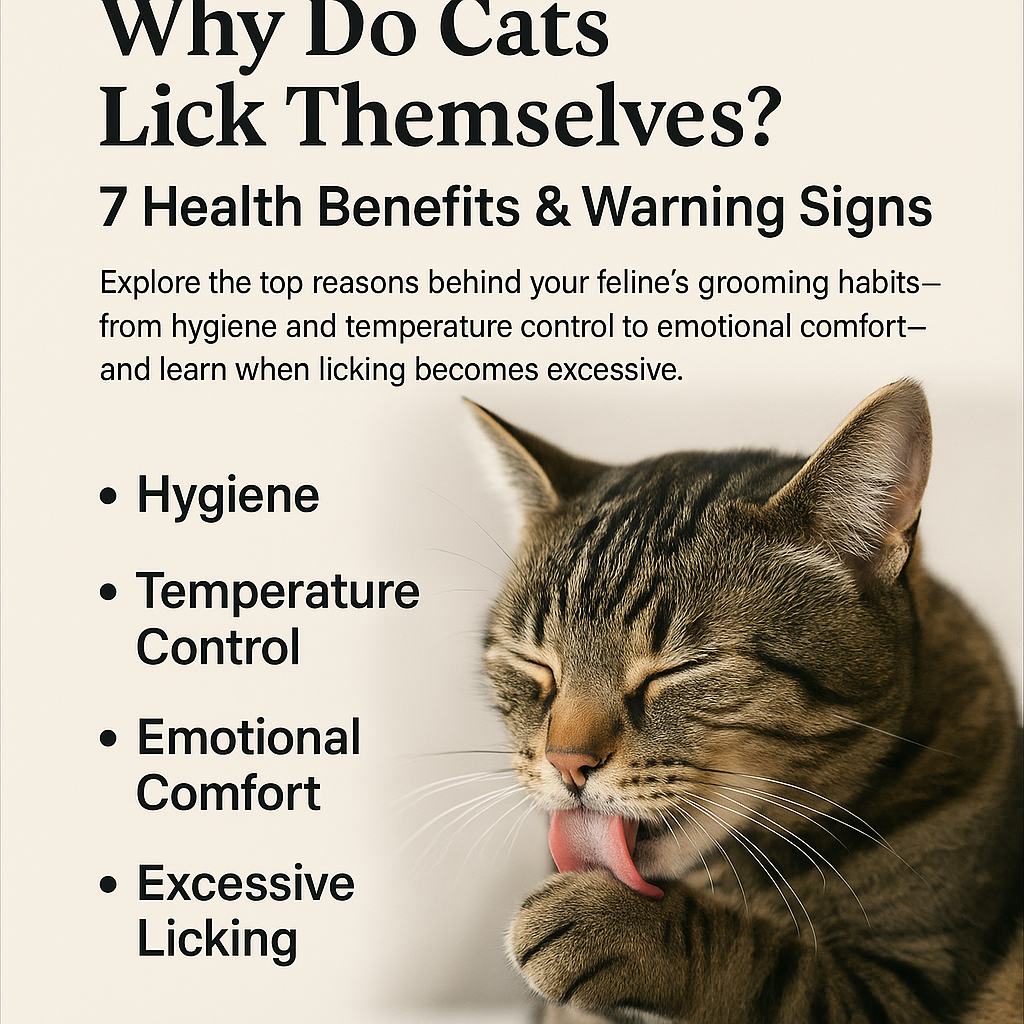
Have you ever watched your cat spend endless time licking and cleaning itself? You might wonder, why do cats groom themselves a lot?
It’s not just about staying clean. Your furry friend has important reasons behind this behavior that affect their health and happiness. Understanding why your cat grooms so much will help you take better care of them and strengthen your bond.
Keep reading to discover the surprising truths about your cat’s grooming habits and what they really mean for your pet’s well-being.
)
Credit: www.northroadvet.com.au
Cats’ Grooming Basics
Cats spend a lot of time grooming themselves. This behavior is natural and important for their health. Grooming helps cats stay clean, cool, and comfortable. It also reduces stress and strengthens their bond with other cats. Understanding how cats groom reveals why this behavior is so common.
How Cats Groom Themselves
Cats use their tongues to groom. Their tongues have tiny, hook-like structures. These hooks help remove dirt and loose fur. Cats lick their fur in a special pattern. They start from their head and move to their tail. Cats also use their teeth and paws to clean hard-to-reach spots. They bite gently to remove debris or mats. Paws act like washcloths when soaked with saliva.
Frequency Of Grooming Sessions
Cats groom several times a day. On average, a cat spends 30 to 50 percent of its day grooming. Younger cats may groom more often than older cats. Stress or illness can change how much a cat grooms. Too little grooming may signal health problems. Too much grooming can cause skin irritation. Daily grooming helps cats maintain a healthy coat and skin.
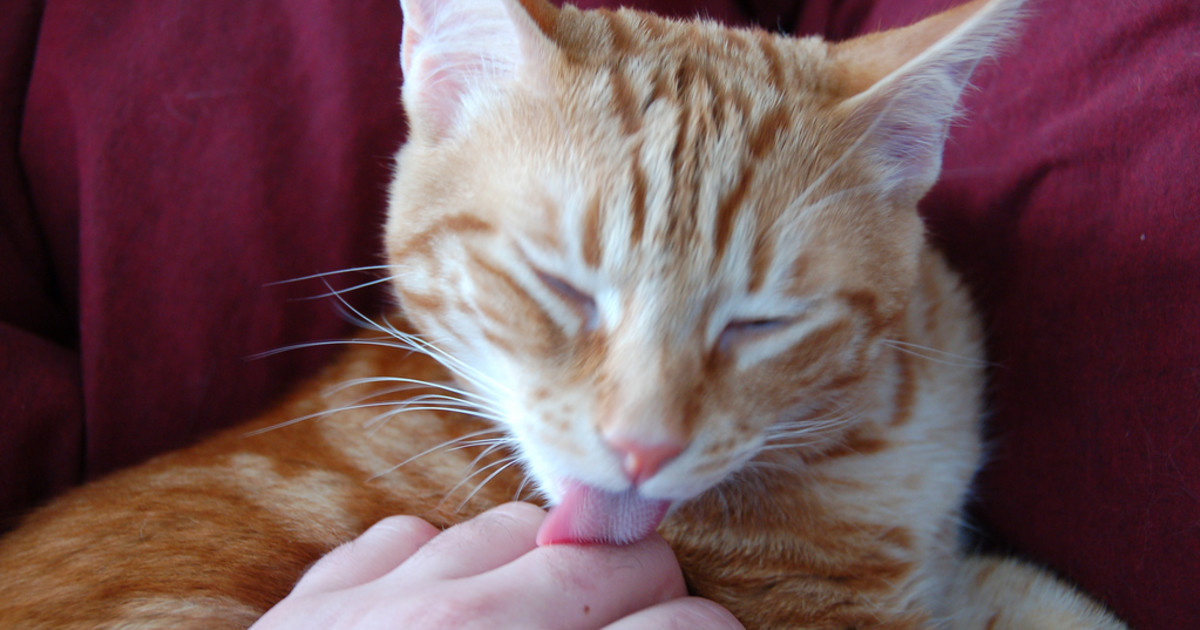
Credit: pethelpful.com
Health Benefits Of Grooming
Cats spend a lot of time grooming themselves. This behavior does more than keep them clean. Grooming plays a key role in their health and well-being. It helps maintain their skin and coat, controls their body temperature, and protects them from parasites.
Skin And Coat Care
Grooming removes dirt and loose fur from a cat’s body. It spreads natural oils across their skin and fur. These oils keep their coat shiny and soft. Grooming also helps heal minor wounds and prevents skin infections. A clean coat reduces the chance of mats and tangles, which can be painful.
Temperature Regulation
Grooming helps cats control their body temperature. When cats lick their fur, saliva evaporates and cools their skin. This works like natural air conditioning. Grooming also helps fluff the fur, trapping heat in cold weather. It keeps cats comfortable in both hot and cold environments.
Parasite Control
Grooming helps cats remove fleas, ticks, and other parasites. Cats use their tongues to catch and eat small pests. This reduces the risk of infections and diseases caused by parasites. Regular grooming also helps cats spot any skin irritation early. It acts as a natural defense against harmful bugs.
Stress And Emotional Grooming
Cats groom themselves often to reduce stress and feel calm. This behavior helps them manage emotions and stay comfortable. Grooming also acts as a way to soothe themselves during uneasy moments.
Cats are fascinating creatures, often seen meticulously grooming themselves. While grooming is a natural and necessary activity for maintaining hygiene, it also serves as a calming behavior, especially in times of stress. Understanding why cats engage in emotional grooming can help you identify signs of stress and provide the necessary support for your feline friend.Grooming As A Calming Behavior
Grooming releases endorphins in cats, which can help soothe their nerves. Imagine your cat faced with a new environment or a sudden change at home. Their instinctive response might be to groom themselves more frequently, finding comfort in this familiar routine. Have you ever noticed your cat licking themselves after a loud noise or an unfamiliar visitor? This behavior isn’t just about cleanliness. It’s your cat’s way of self-soothing and regaining a sense of control.Signs Of Overgrooming Due To Stress
Not all grooming is healthy, though. Overgrooming can be a red flag, indicating stress or anxiety. Look out for bald patches or irritated skin on your cat, which could mean they’re grooming excessively. Stress-induced grooming often targets specific areas. If your cat is focusing intensely on one spot, it might be time to investigate potential stressors in their environment. Ask yourself: Has there been a recent change at home? Identifying and addressing these stressors can help reduce your cat’s need to self-soothe through excessive grooming.Social And Communication Roles
Cats groom themselves for more than just cleanliness. Grooming plays a vital role in their social life and communication. It helps cats build relationships and share important messages without words. Understanding these social and communication roles reveals why grooming is so common in cats.
Grooming And Bonding
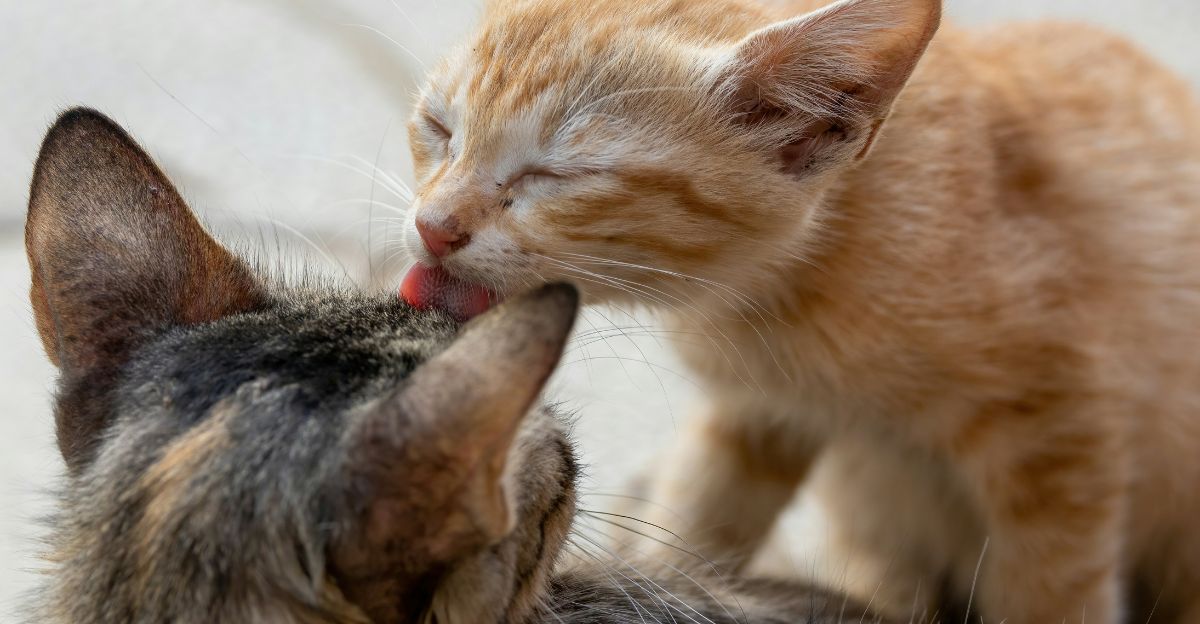
Cats use grooming to strengthen bonds with other cats. Mutual grooming, known as allogrooming, is a common behavior in groups. Cats lick each other’s fur to show trust and friendship. This action reduces stress and creates a sense of safety.
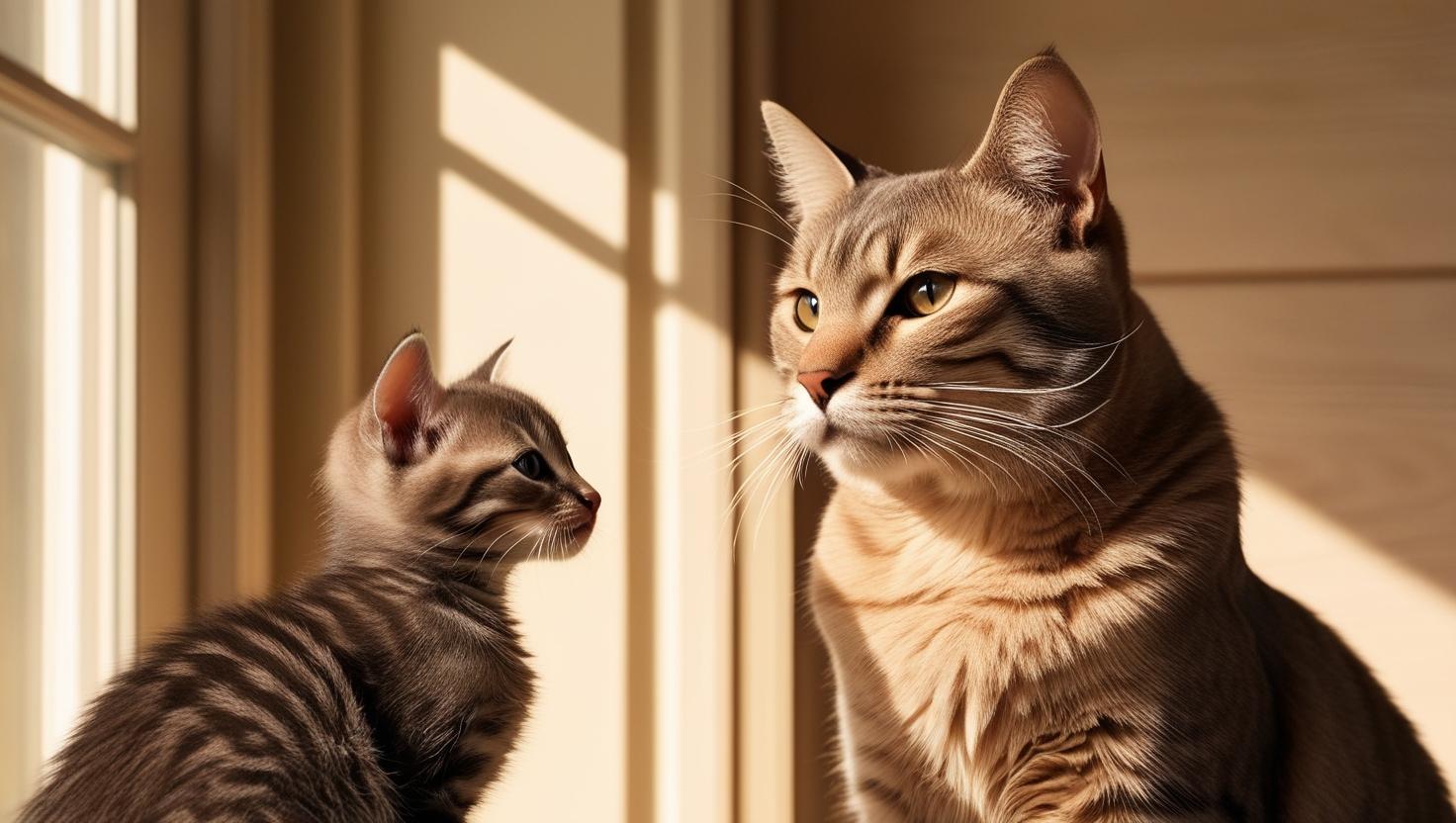
Mother cats groom their kittens to care for and protect them. Kittens groom their mothers and siblings, too. This behavior helps build family ties and social connections within a group.
Scent Marking Through Grooming
Grooming helps cats spread their unique scent. Cats have special glands on their face and body. When they lick themselves or others, they leave a scent mark. This scent acts like a personal ID card in their environment.
Scent marking through grooming helps cats communicate territory and identity. It also reassures other cats that the area is safe or claimed. This silent communication keeps peace and order among cats living close together.
When Grooming Signals Health Issues
Grooming is a natural behavior for cats. It keeps their fur clean and helps them relax. But sometimes, grooming can signal health problems. Notice changes in grooming habits. These changes may show your cat needs help.
Excessive Grooming And Skin Problems
Excessive grooming can cause skin issues. Cats may lick or bite their fur too much. This can lead to bald spots or sores. Skin infections or allergies often cause this behavior. Parasites like fleas also trigger over-grooming. Watch for redness, scabs, or swelling on the skin. These signs mean your cat might be uncomfortable or in pain.
Behavioral Changes To Watch For
Changes in grooming often come with behavior shifts. Cats may seem restless or irritable. They might hide more than usual. Loss of appetite is common too. Grooming less than normal can signal illness as well. A sudden stop in grooming may mean your cat feels weak or sick. Keep track of these signs. Early action can prevent serious health issues.

Credit: petcube.com
Tips To Support Healthy Grooming
Supporting your cat’s grooming helps keep its coat clean and skin healthy. Proper care prevents issues like matting and skin infections. Simple habits support natural grooming and improve your cat’s comfort.
Diet And Hydration
A balanced diet provides essential nutrients for a shiny coat and healthy skin. Protein, omega-3, and omega-6 fatty acids boost fur quality. Fresh water helps maintain hydration and prevents dry skin. Offer clean water often to encourage drinking.
Regular Vet Checkups
Routine vet visits spot skin or health problems early. Parasites, allergies, or infections can cause excessive grooming. Your vet can recommend treatments or diet changes. Early care keeps grooming habits normal and your cat happy.
Environmental Enrichment
Stress or boredom can make cats groom too much. Toys, scratching posts, and playtime keep cats active and relaxed. A calm environment reduces anxiety and supports healthy grooming. Change up toys and create quiet resting spots for balance.
Frequently Asked Questions
Why Do Cats Groom Themselves So Often?
Cats groom frequently to keep their fur clean and free from dirt. Grooming also helps regulate body temperature and reduce stress.
How Does Grooming Benefit A Cat’s Health?
Grooming removes loose fur and parasites, preventing skin issues. It also stimulates blood flow and promotes a healthy coat.
Can Excessive Grooming Indicate A Problem?
Yes, excessive grooming might signal allergies, stress, or skin conditions. If grooming seems obsessive, consult a veterinarian for advice.
Do Cats Groom To Communicate With Other Cats?
Yes, grooming can be social. Cats often groom each other to bond and show affection within their group.
Conclusion
Cats groom themselves to stay clean and healthy. Grooming helps them remove dirt and loose fur. It also cools their body on hot days. Grooming can reduce stress and make cats feel calm. This behavior shows they care for their own well-being.
Watching a cat groom is a sign of comfort and happiness. Understanding why cats groom helps you appreciate their habits more. It is a natural and important part of their daily life.

Leave a Reply