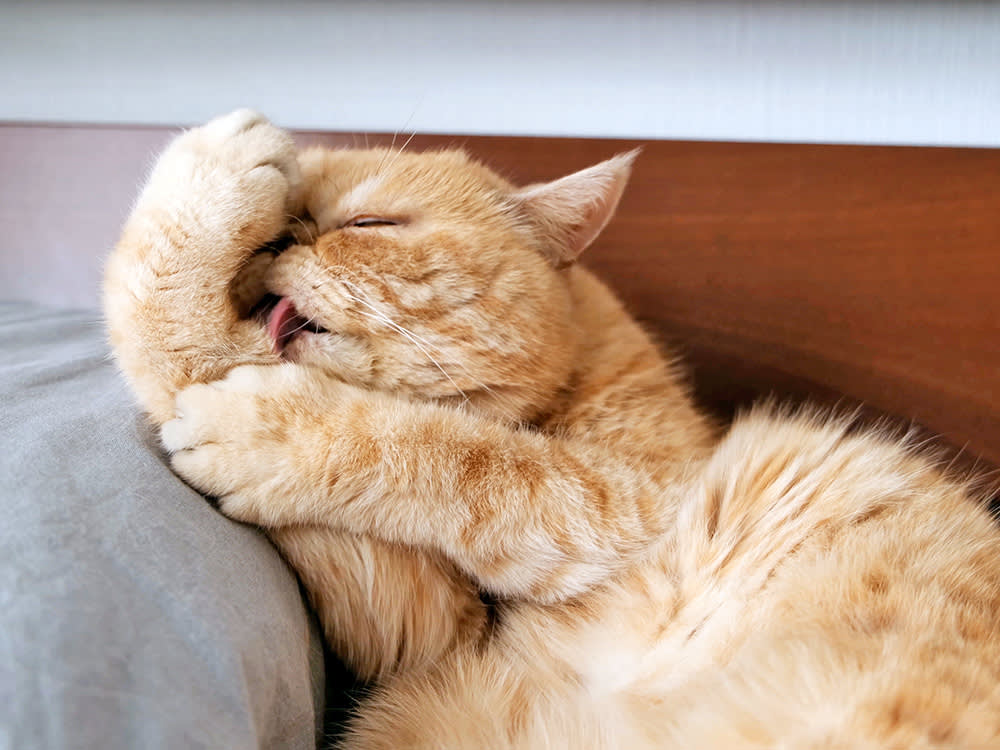
Have you ever watched your cat spend hours licking its fur and wondered, “Why do cats groom so often?” It’s more than just a quirky habit. Your feline friend’s grooming routine is a fascinating mix of health, comfort, and even emotion.
Understanding why your cat grooms so much can help you connect better with your pet and spot when something might be wrong. Keep reading to discover the surprising reasons behind this common cat behavior and how it affects your furry companion’s well-being.
)
Credit: www.northroadvet.com.au
Grooming Habits Of Cats
Cats spend a significant part of their day grooming themselves. This habit is more than just about staying clean; it plays a vital role in their health and well-being. Understanding these grooming habits can give you insights into your cat’s behavior and needs.
Frequency And Patterns
Cats groom themselves multiple times a day, often totaling up to 50% of their waking hours. This frequent grooming helps them regulate body temperature and reduce stress. Have you noticed your cat suddenly start grooming more during a quiet evening? This could be their way of calming down or marking their territory with scent glands.
Grooming sessions tend to follow specific patterns. Cats usually start with their face and head, moving towards their body and finally their tail. This order helps them clean the most sensitive areas first and then the rest of their body efficiently.
Common Grooming Behaviors
- Licking:The most common grooming action, using their rough tongue to remove dirt and loose fur.
- Biting:Gentle nibbling helps remove tangles and debris.
- Scratching:Helps dislodge dirt and stimulates skin circulation.
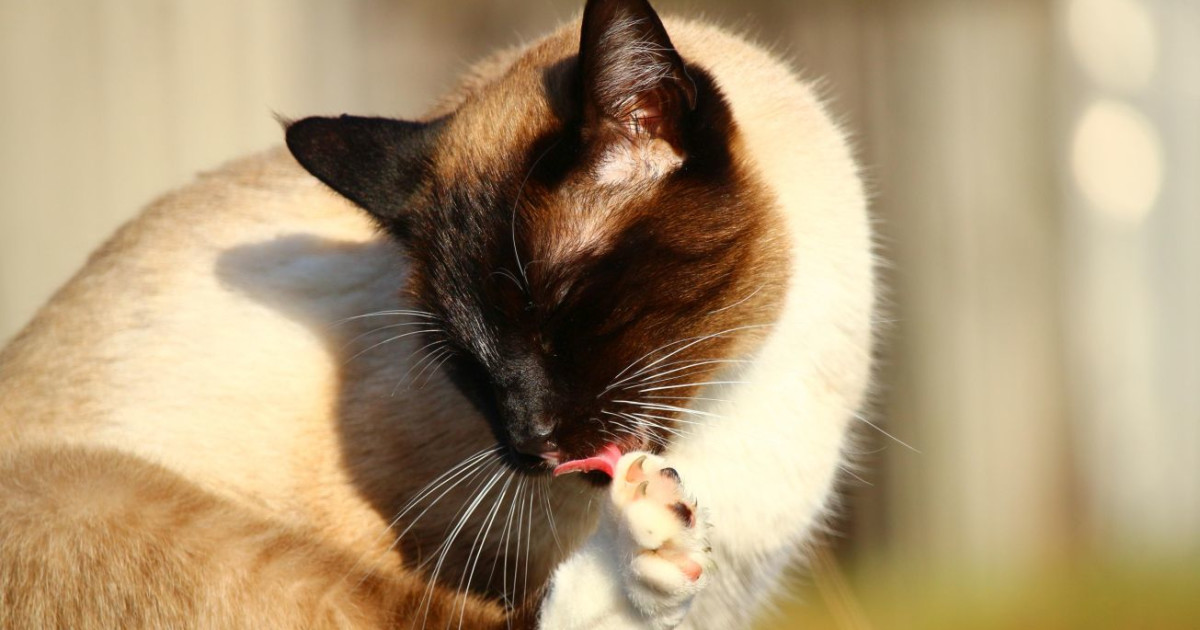
- Paw licking:Cats use their paws like a washcloth, moistening them and then wiping their face and ears.
These behaviors are also social signals. If your cat grooms you or another pet, it shows trust and bonding. Have you ever caught your cat licking their paw and then rubbing your hand? It’s their way of including you in their self-care routine.
Health Benefits Of Grooming
Cats grooming themselves is more than just a cute habit. It plays a vital role in keeping them healthy and comfortable every day. Understanding these health benefits can help you appreciate why your feline friend spends so much time cleaning.
Skin And Coat Maintenance
Grooming removes dirt, debris, and loose fur from a cat’s coat. This helps prevent matting and skin infections. When your cat licks its fur, natural oils spread evenly, keeping the coat shiny and protected.
Have you noticed how a well-groomed cat looks sleek and smooth? That’s because grooming supports healthy skin by reducing irritants and promoting circulation. If your cat suddenly grooms less, it might be a sign of skin discomfort or illness.
Temperature Regulation
Cats use grooming to help control their body temperature. The saliva they spread on their fur evaporates, creating a cooling effect. This is especially useful on hot days or after intense activity.
Think about how your cat behaves on warm afternoons—they often groom more to stay cool. Unlike humans, cats don’t sweat much, so grooming becomes an important natural way to manage heat. Next time your cat is licking itself, remember it’s not just about cleanliness, but also staying comfortable.
Emotional And Social Factors
Cats aren’t just grooming to stay clean; their behavior is deeply linked to their emotions and social life. Grooming helps them manage feelings and communicate with others. Understanding these emotional and social reasons can help you better connect with your feline friend.
Stress Relief
Grooming acts like a natural stress reliever for cats. When they feel anxious or uneasy, licking their fur can calm their nerves. You might notice your cat grooming more after loud noises or changes in their environment.
Have you ever seen your cat groom so much it seems almost obsessive? This could be their way of coping with stress. Offering a quiet space or gentle petting can help reduce their need to over-groom.
Bonding And Communication
Grooming isn’t just for one cat; it’s a powerful social tool. Cats often groom each other to strengthen bonds and show trust. This behavior helps them build friendships and maintain peace within their group.
When your cat licks you, it’s a sign they consider you part of their family. This simple act of grooming can be a way they express affection and make you feel included in their world. Have you noticed your cat grooming you after you’ve spent time together?

Credit: tryfurgo.com
Self-cleaning And Hygiene
Cats groom often to keep their fur clean and free from dirt. This self-cleaning helps remove germs and keeps their skin healthy. Grooming also controls their body temperature and reduces stress.
Cats are often seen grooming themselves meticulously, a behavior deeply rooted in their need for self-cleaning and hygiene. This natural instinct helps them maintain their sleek and shiny coats while ensuring their overall well-being. You might notice your cat spending hours licking and cleaning, which might seem excessive, but this behavior serves several critical purposes.Removing Dirt And Parasites
Cats use their tongues, which are covered with tiny, hook-like structures, to remove dirt, debris, and parasites such as fleas from their fur. This self-grooming habit is vital for keeping their coat clean and free from unwanted guests. Have you ever found your cat suddenly obsessed with a particular spot on their body? It might be their way of dealing with a pesky flea or a stubborn piece of dirt. Regular grooming ensures that these nuisances don’t linger long, promoting a cleaner, more comfortable living environment for your feline friend.Preventing Infections
By grooming regularly, cats can prevent infections that might arise from cuts or scratches. Their saliva contains enzymes that can help to heal minor wounds and reduce the risk of infection. Imagine your cat as a tiny doctor, treating themselves with each lick. This self-healing process is a testament to their incredible survival instincts. As a pet owner, you can take cues from this behavior and ensure your cat’s environment is as clean and safe as possible to support their health. By understanding the importance of grooming, you can better appreciate the time your cat spends on it. How does your cat’s grooming routine compare to your daily hygiene habits? It’s fascinating to think about the parallels and how our pets teach us the value of cleanliness and self-care.Grooming And Instinct
Cats groom themselves frequently, and this behavior is deeply rooted in their instincts. Grooming is not just about looking clean; it serves important purposes that have helped cats survive through ages. Understanding these natural impulses can change how you see your cat’s constant licking and cleaning.
Ancestral Behaviors
Cats inherited their grooming habits from wild ancestors who needed to stay clean to avoid predators. Keeping their fur tidy helped them blend into the environment, making it harder for enemies to spot them. Your house cat still follows these ancient rules, even though they don’t face the same dangers.
Think about how your cat spends a large part of its day grooming. This is a behavior passed down through generations, embedded deep in their DNA. You might notice your cat licking its paws and face repeatedly—this is more than just cleanliness; it’s a link to survival tactics used by wild cats.
Survival Mechanisms
Grooming helps cats regulate their body temperature by removing dirt and excess fur. It also reduces the scent that might attract predators or prey. In your home, this means your cat is naturally trying to stay safe and comfortable, even if the threats are no longer present.
Another key survival benefit is parasite control. By grooming regularly, cats can spot and remove fleas or ticks early. Have you ever seen your cat nibble at its fur? That’s an instinctive way to protect itself from harmful pests.
When Excessive Grooming Signals Problems
Cats spend a lot of time grooming themselves. This behavior keeps their fur clean and helps them relax. But sometimes, grooming becomes too much. Excessive grooming can show that something is wrong. It might mean your cat has a health issue or feels stressed. Paying attention to this can keep your cat safe and healthy.
Medical Issues
Too much grooming can point to pain or skin problems. Cats may lick sore spots to ease discomfort. Fleas, allergies, or infections often cause itching. Sometimes, wounds or arthritis make grooming a way to soothe pain. Watch for bald patches, redness, or swelling. These signs mean a vet visit is needed.
Behavioral Concerns
Stress and anxiety can make cats groom too much. Changes in the home or loud noises may trigger this. Cats also groom excessively when bored or lonely. This behavior acts like a coping tool. Notice if grooming happens mostly when your cat is alone. Helping your cat relax can reduce this habit.
Credit: pethelpful.com
Frequently Asked Questions
Why Do Cats Groom Themselves So Often?
Cats groom frequently to keep their fur clean and free from dirt. Grooming also regulates body temperature and reduces stress. It helps distribute natural oils, maintaining a healthy coat and skin.
How Does Grooming Benefit A Cat’s Health?
Grooming removes loose fur, dirt, and parasites. It stimulates blood circulation and prevents skin infections. Regular grooming helps cats stay comfortable and promotes overall well-being.
Can Excessive Grooming Indicate Health Problems?
Yes, excessive grooming may signal stress, allergies, or skin issues. It can lead to hair loss or sores. Consulting a vet is important if grooming becomes obsessive.
Do Cats Groom To Show Affection?
Cats sometimes groom other cats or humans as a social bond. This behavior builds trust and strengthens relationships. Grooming is a way to express love and care.
Conclusion
Cats groom often to stay clean and healthy. Grooming helps them remove dirt and loose fur. It also cools them down on hot days. Grooming feels good and reduces stress for cats. It helps spread natural oils that keep fur soft.
Watching a cat groom shows how much they care. Their grooming habits tell us they want to stay comfortable. Understanding this helps us care for our pets better. Cats’ frequent grooming is a natural and important behavior. It keeps them happy and well.



Leave a Reply