Have you ever watched two cats grooming each other at the same time and wondered why they do it? It’s more than just a cute moment.
When cats groom each other together, they are sharing a special bond that goes beyond cleanliness. Understanding this behavior can help you connect better with your feline friends and even improve their happiness. Keep reading to discover the surprising reasons behind this synchronized grooming and what it means for your cats’ relationship.
Social Bonding Through Grooming
Cats often groom each other as a way to build social bonds. This behavior is more than just cleaning. It helps create trust and friendship within their group. Grooming together shows care and helps cats feel safe with each other.
Strengthening Relationships
When cats groom each other, they share a special connection. This act lowers stress and makes them feel calm. Grooming releases positive feelings that improve their bond. It shows they accept each other as friends.
The more cats groom together, the closer they become. It helps solve small fights and stops tension. Grooming is like saying, “I trust you” without words.
Group Cohesion Benefits
Grooming helps keep the whole cat group united. It spreads a sense of belonging and safety. Cats that groom together work better as a team. They protect each other and share resources.
This behavior also helps the group stay clean and healthy. It stops parasites from spreading and keeps fur neat. Group grooming supports the entire community’s well-being.
Mutual Grooming And Hygiene
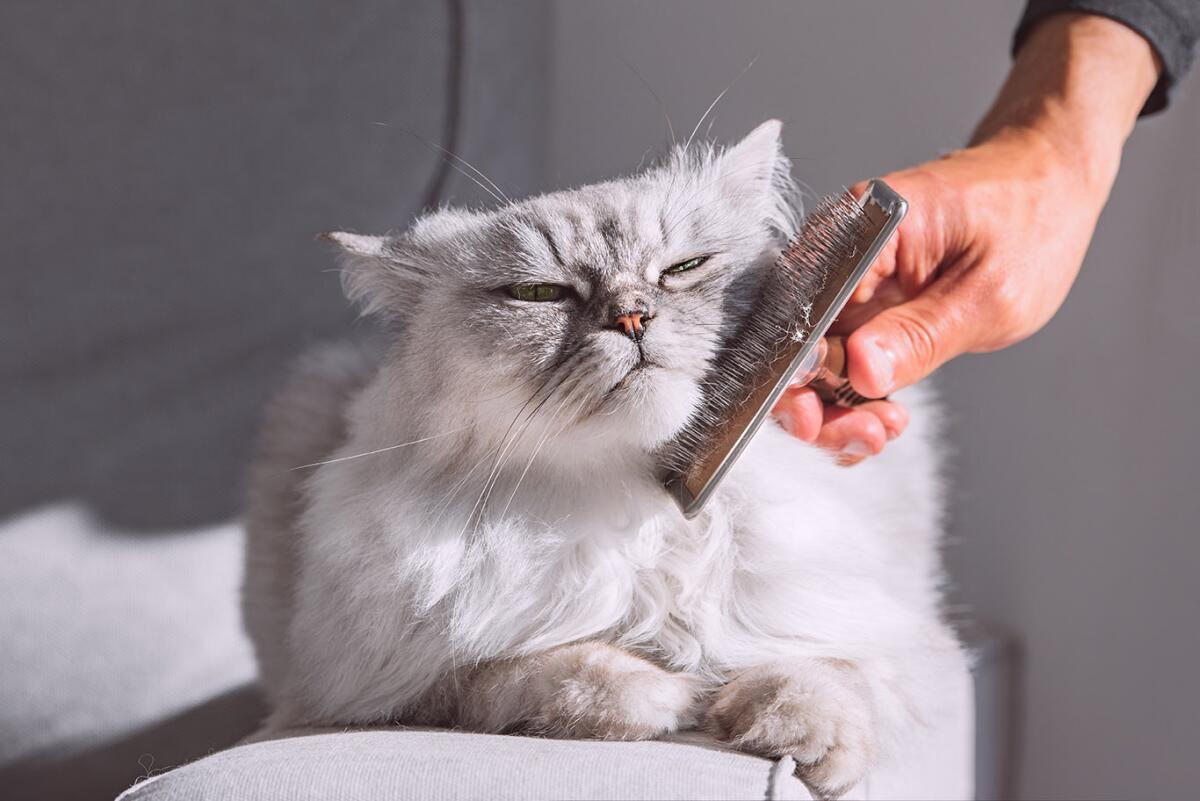
Mutual grooming among cats is more than just a social activity; it plays a crucial role in their hygiene and well-being. When cats groom each other, they help maintain cleanliness in areas that are hard to reach on their own. This behavior strengthens bonds and keeps them healthy at the same time.
Reaching Difficult Spots
Cats can’t easily reach every part of their bodies, especially areas like the back of the neck, head, and around the ears. When they groom each other, they help clean these tough spots that might otherwise remain dirty or itchy.
Think about your own experience trying to scratch an itch in a hard-to-reach place—it feels great when someone helps you out. Your cats feel the same relief when a friend or sibling steps in to groom those difficult areas.
Maintaining Cleanliness
Mutual grooming helps cats remove dirt, loose fur, and parasites like fleas more efficiently than grooming alone. It also spreads natural oils evenly across their coats, keeping their fur shiny and healthy.
If you notice your cats grooming each other regularly, it’s a sign they’re actively working together to stay clean. Have you ever watched your cats pause and start grooming another? It’s not just affection—it’s a practical way they care for each other’s hygiene.
Stress Relief And Comfort
Watching cats groom each other simultaneously is more than just a cute behavior—it’s a powerful way they manage stress and find comfort. When cats engage in this mutual grooming, they create a calming environment that helps them feel safe and secure. This bonding activity can reduce tension and promote a sense of well-being among feline friends.
Calming Effects Of Grooming
Grooming triggers the release of endorphins, which act as natural stress relievers for cats. When you see two cats licking each other’s fur, it’s not just about cleanliness—it’s about soothing their nervous systems together. This shared activity helps lower heart rates and ease muscle tension, making both cats feel more relaxed.
Think about your own experience when a simple touch or hug instantly calms you down. Cats experience similar benefits through mutual grooming. It’s a tactile way to communicate trust and safety without words.
Reducing Anxiety Together
Have you noticed how cats often groom each other after a stressful event, like a vet visit or a loud noise? This behavior helps them manage anxiety by shifting focus from the stressor to a positive interaction. Grooming each other creates a sense of connection that reassures them they’re not alone.
If you’ve ever felt anxious, you know how comforting it is to have someone nearby who understands you. Cats rely on this same comfort from their companions. By grooming simultaneously, they provide mutual support that helps calm their fears and worries.
- Mutual grooming can prevent aggressive behavior by lowering stress levels.
- It strengthens social bonds, which reduces feelings of isolation.
- Regular grooming sessions can create a routine that cats look forward to, adding predictability to their day.
Next time you see your cats grooming each other, ask yourself: How might this simple act of care be helping them cope with their world? Paying attention to these moments can deepen your understanding of your cats’ emotional needs.
Establishing Hierarchies
When cats groom each other simultaneously, they are doing more than just cleaning. This behavior helps them set clear social roles within their group. Understanding how grooming plays into hierarchy can change the way you see your feline friends’ interactions.
Dominance And Submission Signals
Grooming between cats often shows who is in charge and who follows. The cat doing more grooming usually holds a higher rank. The one being groomed accepts this role by staying still and allowing the attention.
You might notice the dominant cat grooming the head and neck, areas hard to reach alone. This is a clear sign of control and trust. Have you ever watched your cats carefully and spotted which one initiates grooming first?
Role Of Grooming In Social Structure
Grooming acts like a social glue, keeping the group stable and peaceful. It reduces tension and helps cats bond, which is essential for living together. Without this, conflicts could rise, and the group’s harmony would suffer.
Think about your own cats or those you’ve seen. When they groom each other, they are reinforcing their relationships and making sure everyone knows their place. This behavior keeps the group balanced and less stressful for each member.
Synchronized Grooming Behavior
Cats groom each other at the same time to build trust and strengthen their bond. This shared behavior helps keep their fur clean and signals friendship. It creates a sense of comfort and safety among them.
Cats are fascinating creatures with unique behaviors. One intriguing behavior is synchronized grooming. This action, where cats groom each other simultaneously, captivates many pet owners. It goes beyond simple cleaning. It’s a social bonding ritual. Understanding this behavior can deepen the bond with your feline friends.Reasons For Simultaneous Grooming
Cats groom each other at the same time for various reasons.- Bonding: Grooming strengthens the bond between cats, creating a sense of family.
- Trust: It shows mutual trust, as cats are vulnerable while grooming.
- Social Hierarchy: It helps establish social roles within a group.
- Comfort: Grooming provides comfort and relaxation to both cats involved.
Benefits Of Timing Coordination
Synchronized grooming offers several advantages for cats.- Efficient Cleaning: It ensures efficient cleaning, covering hard-to-reach areas.
- Stress Reduction: The act reduces stress, promoting a calm environment.
- Health Monitoring: Cats can detect health changes or parasites in each other.
- Enhanced Bond: Timing coordination enhances the bond between cats, fostering unity.
Communication Through Grooming
Cats grooming each other is more than just keeping clean. It’s a way they talk without words. This silent communication helps them share feelings and build connections. When you watch your cats grooming side by side, you’re seeing a complex social language at work.
Nonverbal Signals
Grooming sends clear messages between cats. A gentle lick or a careful nibble shows trust and care. If a cat grooms another’s face or ears, it signals acceptance and calmness.
Have you noticed cats stop grooming if one feels uneasy? This pause is a sign they respect each other’s mood. Grooming acts like a conversation where every movement counts.
Strengthening Group Identity
Grooming together helps cats feel like they belong. It creates a sense of unity in a group or family. When cats groom side by side, they’re building a shared bond that keeps the group tight.
Think about your own pets. When they groom each other, it often reduces tension and brings peace. This behavior is a natural way to strengthen friendships and create harmony.
Evolutionary Roots Of Grooming
Grooming among cats is more than a simple act of cleanliness—it’s a behavior deeply rooted in their evolutionary past. Understanding why cats groom each other at the same time reveals surprising insights into their social structure and survival tactics. These grooming habits have been shaped by millions of years of adaptation, helping cats thrive in the wild and form strong bonds within their groups.
Ancestral Behaviors
Cats’ grooming rituals trace back to their wild ancestors who lived in small colonies. Mutual grooming, or allogrooming, helped maintain social harmony and reduce tension between members. This behavior wasn’t just about hygiene—it was a way to strengthen alliances and communicate trust.
Imagine a wildcat group where every member looks out for one another. Grooming served as a silent language that said, “You’re part of my family.” If you watch your cats closely, you might notice they groom each other to express affection and reinforce their social bonds, just like their ancestors did.
Survival Advantages
Beyond social reasons, grooming had practical survival benefits. Cleaning fur removes dirt, parasites, and dead skin, which reduces disease risk and keeps the group healthier. In the wild, a healthy cat is more capable of hunting and defending territory.
Grooming at the same time can also save time and energy. By synchronizing their grooming, cats keep each other alert to dangers while staying clean. This simultaneous action allows them to maintain vigilance and respond quickly to threats, increasing their chances of survival.
Have you noticed your cats pause and scan their surroundings when grooming each other? This shared vigilance is a smart evolutionary trick that helps them stay safe. Next time you see your cats grooming together, remember—it’s not just about being clean. It’s a deep-rooted behavior designed to protect and connect them.
Grooming And Health Monitoring
Cats groom each other to build trust and strengthen social bonds. This shared grooming also helps keep their fur clean and checks for health issues. It shows care and helps them feel safe together.
Cats grooming each other is more than just a bonding ritual. It plays a crucial role in their health and well-being. Grooming helps keep their fur clean and free of tangles. But it also serves another important function—health monitoring.Detecting Parasites
Grooming allows cats to detect parasites like fleas and ticks. These pesky intruders can hide in their fur. By grooming, cats can spot these unwanted guests early. This helps prevent infestations and keeps them healthy. They use their tongues and teeth to pick out these pests. It’s a natural way to maintain their health without human intervention.Monitoring Each Other’s Well-being
Cats also groom to monitor each other’s well-being. They check for any cuts, wounds, or skin issues. This is a way of saying, “I care about you.” They ensure their companion is free from any health concerns. Grooming can reveal signs of illness or stress. If a cat notices something unusual, it may alert its owner. This silent communication is vital for their social structure and health.Frequently Asked Questions
Why Do Cats Groom Each Other Simultaneously?
Cats groom each other at the same time to strengthen social bonds. This behavior, called allogrooming, promotes trust and comfort within the group. It also helps maintain cleanliness and reduces stress, creating a sense of safety among cats.
What Benefits Do Cats Get From Mutual Grooming?
Mutual grooming helps cats remove dirt and loose fur. It also reduces parasites like fleas. Additionally, it reinforces social hierarchy and builds friendships, fostering a harmonious living environment.
Is Simultaneous Grooming A Sign Of Cat Friendship?
Yes, simultaneous grooming is a strong sign of friendship. Cats only groom those they trust and feel close to. It reflects affection, cooperation, and a peaceful relationship.
How Does Allogrooming Affect Cat Behavior?
Allogrooming lowers stress and anxiety in cats. It releases feel-good hormones, promoting relaxation. This behavior encourages positive interactions and reduces aggression among group members.
Conclusion
Cats groom each other to build trust and stay clean together. This behavior helps them feel safe and calm. It also strengthens their social bonds and shows affection. Grooming side by side saves time and keeps their fur healthy. Watching cats groom each other is a sign of friendship.
It reminds us how animals connect without words. Understanding this helps us care for cats better. Simple acts like grooming have big meaning in their world. It’s a beautiful way cats show love and friendship.

Leave a Reply