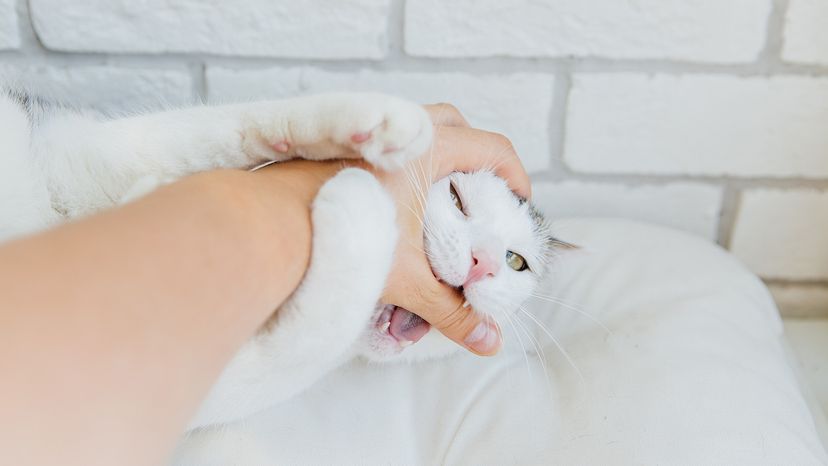
Have you ever noticed your cat cleaning itself and then suddenly giving you a quick bite? It might leave you wondering, “Why do cats groom and then bite?” This curious behavior can seem confusing or even a little puzzling.
But understanding why your feline friend does this can help you connect with them better and keep your bond strong. Keep reading, and you’ll discover the surprising reasons behind this common cat habit—and what it really means for your relationship.
Cats’ Grooming Habits
Cats spend a significant part of their day grooming themselves, a behavior that often puzzles cat owners, especially when grooming suddenly turns into a bite. Understanding your cat’s grooming habits can help you decode this curious mix of affection and irritation. Let’s dive into what drives cats to groom and how they go about it.
Purpose Of Grooming
Grooming is more than just keeping clean. It helps cats regulate their body temperature and remove loose fur and dirt. Grooming also reduces stress and strengthens the bond when cats groom each other.
Have you noticed your cat licking itself more after a stressful event? This shows grooming acts like a calming ritual for them. It’s also a way for cats to keep their scent consistent, which is crucial for their sense of security.
How Cats Groom Themselves
Cats use their tongues like tiny combs. Their tongues have tiny, hook-shaped papillae that catch loose fur and dirt as they lick. This rough texture also helps spread natural oils across their coat, keeping it shiny and healthy.
They usually start grooming their face and head, then move to the neck and body. This sequence helps them reach every spot efficiently. You might see your cat pause and then suddenly bite or nip during grooming—this can be due to a ticklish spot or minor irritation.
Have you ever felt a sudden nip and wondered why? It’s often their way of telling you or themselves that a spot is sensitive or itchy. Next time, watch closely to see if your cat’s bite follows a particular grooming pattern; it can reveal a lot about their comfort level.

Credit: www.reddit.com
Reasons Behind Grooming Bites
Understanding why your cat grooms you and then suddenly bites can feel confusing. These grooming bites have specific reasons tied to your cat’s feelings and instincts. Recognizing these reasons helps you respond better and strengthen your bond.
Overstimulation Sensitivity
Cats have sensitive nerves under their fur, especially around the neck and back. When you pet them for too long, those nerves can become overstimulated, causing them to react with a gentle bite.
Think about your own senses—have you ever felt ticklish or uncomfortable after too much touch? Cats experience something similar, which is their way of saying, “I’ve had enough.”
Playful Behavior
Sometimes, a grooming bite is just your cat’s way of inviting play. Cats often use their mouths to explore and engage, and a quick nip can be a signal to start a game.
If your cat’s eyes sparkle and their tail twitches before the bite, they might be trying to get your attention for some fun interaction. How often do you respond with play when your cat gives you a nip?
Communication Signals
Cats use bites as communication tools to express feelings like affection, boundaries, or mild annoyance. A light bite during grooming can mean “I care about you” or “Stop right here.”
Watching your cat’s body language alongside the bite gives you clues about their message. Are their ears relaxed or pinned back? Are they purring or growling? These signs help you understand what your cat wants to tell you.
When Biting Becomes A Concern
Understanding why cats groom and then bite can be confusing. It often seems like a contradiction. Grooming is a soothing action, while biting is more aggressive. When biting becomes a concern, understanding the underlying reasons is essential. It helps ensure the well-being of both the cat and its owner.
Signs Of Aggression
Cats may show aggression through various signs. A sudden bite after grooming can indicate irritation. Watch for flattened ears or a twitching tail. These are often signs of frustration or overstimulation. Hissing or growling may also accompany aggressive behavior. Recognizing these signs helps prevent unwanted biting incidents.
Health Issues Impacting Behavior
Health issues can influence a cat’s behavior significantly. Pain or discomfort might cause sudden biting. Dental problems, for instance, can make a cat more irritable. Skin conditions could also lead to increased sensitivity during grooming. If biting occurs frequently, consider a vet check-up. It helps in identifying any underlying health concerns.

Credit: www.feliway.co.uk
How To Respond To Grooming Bites
Grooming bites can confuse cat owners. Cats often bite after grooming to communicate or react to overstimulation. Knowing how to respond helps maintain a healthy bond. React calmly to avoid escalating the behavior. Understanding your cat’s signals ensures better interaction. Use gentle but clear actions to guide your cat’s behavior.
Setting Boundaries
Set clear limits when your cat bites during grooming. Stop petting immediately to show that biting is not okay. Use a firm but soft voice to say “no” or “ouch.” Avoid yelling or sudden movements that scare your cat. Consistency helps your cat learn acceptable behavior over time.
Redirecting Attention
Shift your cat’s focus away from biting. Offer a toy or a scratching post to bite instead. Use interactive play to burn off excess energy and frustration. Provide distractions before the biting starts, such as gentle strokes or treats. This keeps grooming time calm and enjoyable for both of you.
Using Positive Reinforcement
Reward gentle behavior during grooming sessions. Praise your cat softly or give small treats when it stays calm. Use a clicker or verbal cue to mark good behavior. Positive reinforcement encourages your cat to repeat gentle actions. This builds trust and reduces the chance of biting.
Preventing Grooming-related Bites
Preventing grooming-related bites is essential for maintaining a loving and stress-free relationship with your cat. Understanding why your cat suddenly shifts from gentle licking to biting helps you respond appropriately. By paying close attention to their needs and signals, you can reduce these unwanted behaviors and enjoy grooming sessions together.
Regular Playtime
Giving your cat plenty of playtime helps release built-up energy that might otherwise turn into biting during grooming. Active cats tend to be less irritable and more tolerant of petting and grooming. Try short, frequent play sessions using toys like feather wands or laser pointers to keep your cat engaged and satisfied.
Understanding Cat’s Body Language
Cats use subtle body language to communicate their feelings during grooming. Watch for signs like twitching tails, flattened ears, or sudden stillness—these often signal overstimulation. Learning to read these cues allows you to stop or slow down before your cat decides to bite.
Creating A Calm Environment
Stress can make cats more prone to biting during grooming, so creating a calm space is crucial. Choose a quiet room with soft lighting and minimal distractions to help your cat feel secure. Adding familiar blankets or toys can also ease anxiety and make grooming a more positive experience.

Credit: www.reddit.com
Frequently Asked Questions
Why Do Cats Groom And Then Suddenly Bite?
Cats groom to show affection but may bite to set boundaries. Biting signals they want to stop or need space. It’s a natural communication method to balance closeness and independence.
Is Biting After Grooming A Sign Of Aggression?
No, biting after grooming is usually not aggressive. It’s a gentle warning or play behavior. Cats use it to express overstimulation or discomfort without intending harm.
How Can I Prevent My Cat From Biting After Grooming?
Watch your cat’s body language for signs of irritation. Stop petting before overstimulation occurs. Gentle, short grooming sessions reduce biting chances.
Does Biting After Grooming Mean My Cat Is Stressed?
Sometimes, yes. Biting can indicate stress or anxiety during grooming. Cats may feel vulnerable and use biting to regain control and calm themselves.
Conclusion
Cats groom to stay clean and healthy. Biting after grooming can show affection or playfulness. Sometimes, cats bite to say, “Enough!” or “That tickles!” Understanding your cat’s behavior helps build trust. Watch their body language to know their mood. Respect their signals to keep your bond strong.
Every cat is different, so patience is key. Enjoy the special moments you share with your furry friend.

Leave a Reply