Are you looking for a fun and affordable way to keep your cat entertained? Making cat toys with cardboard is easier than you think—and your furry friend will love them!
With just a few simple steps, you can create safe, engaging toys that stimulate your cat’s natural instincts. Plus, using cardboard means you’re recycling and saving money at the same time. Keep reading to discover easy ideas and tips that will have your cat purring with delight!
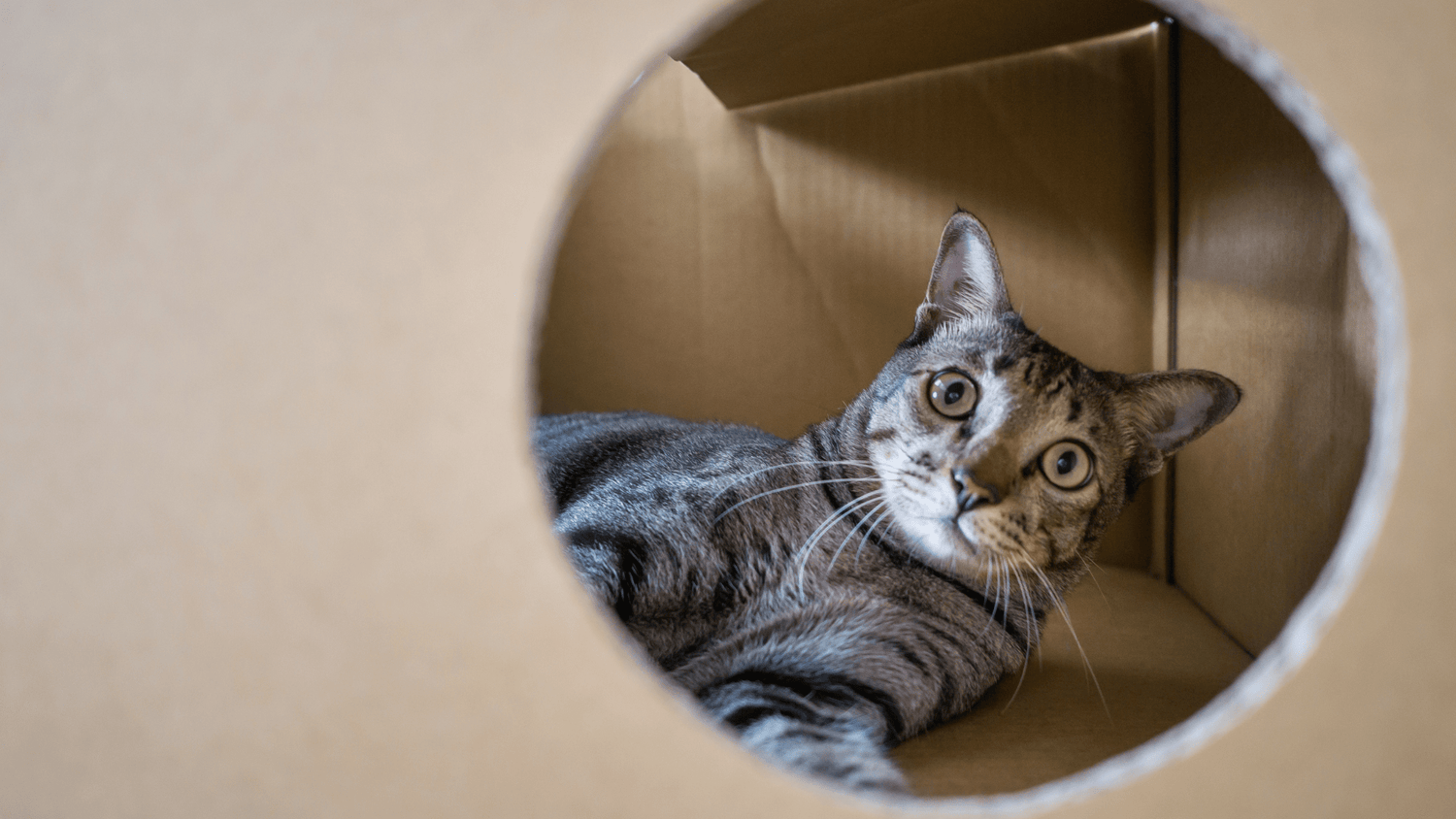
Credit: thekindpet.com
Benefits Of Cardboard Toys
Cardboard toys offer a range of benefits that make them an excellent choice for your cat’s playtime. Not only are they easy to make, but they also bring unique advantages that store-bought toys often lack. Understanding these benefits can motivate you to start crafting your own cardboard creations for your furry friend.
Cost-effective Fun
Cardboard is one of the most affordable materials you can use to make cat toys. You can recycle old boxes or packaging, turning trash into treasure without spending a dime. This makes it easy to keep your cat entertained without breaking your budget.
Have you ever noticed how quickly cats can lose interest in expensive toys? With cardboard, you can create new shapes and designs regularly, keeping your cat curious and engaged. This constant refresh doesn’t hurt your wallet.
Safe And Eco-friendly
Cardboard is naturally safe for cats to bite, scratch, and play with, unlike some plastic toys that contain harmful chemicals. Its lightweight nature means it won’t hurt your cat if accidentally swallowed in small pieces.
Using cardboard also helps reduce waste, which benefits the environment. You’re giving new life to materials that might otherwise end up in a landfill. Wouldn’t you prefer toys that are safe for both your cat and the planet?
Customizable Designs
One of the best parts of cardboard toys is how easy it is to customize them. You can create tunnels, scratching pads, or even puzzle feeders tailored to your cat’s preferences. This hands-on approach allows you to experiment and see what excites your cat the most.
Think about your cat’s personality and habits before designing a toy. Does your cat love hiding? Build a small hideout. Is your cat a puzzle lover? Cut holes and insert treats to challenge their mind. Customization makes playtime more meaningful and fun for both of you.
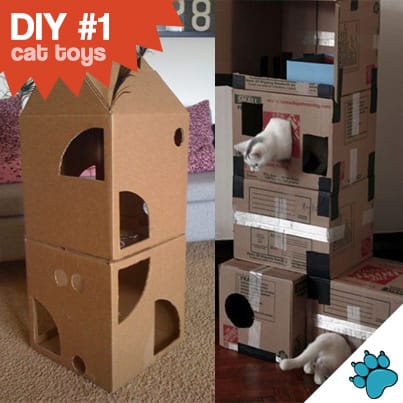
Credit: pethero.co.za
Materials Needed
Creating cat toys from cardboard requires a few simple materials. These materials should be safe for your cat and easy to handle. Choosing the right supplies helps make fun and durable toys.
Types Of Cardboard
- Corrugated cardboard: Strong and easy to cut.
- Flat cardboard sheets: Good for making flat shapes.
- Recycled cardboard: Eco-friendly and often free.
- Cardboard tubes: Great for tunnels and rolling toys.
Additional Supplies
- Non-toxic glue or tape: Safe for pets and holds pieces together.
- String or yarn: For hanging toys or adding texture.
- Small bells or feathers: Add sound and movement to toys.
- Markers or paint: Use pet-safe options to decorate.
Tools For Crafting
- Scissors: Sharp enough to cut cardboard smoothly.
- Box cutter or craft knife: For precise cuts on thick cardboard.
- Ruler and pencil: To measure and mark cutting lines.
- Cutting mat: Protects surfaces and keeps cuts clean.
Simple Toy Ideas
Creating cat toys from cardboard is fun and budget-friendly. Cardboard is easy to find and work with. You can make various toys that your cat will love. Here are some simple ideas to get you started.
Cardboard Scratcher
Cats love to scratch. Make a scratcher using cardboard strips. Cut strips of cardboard into equal widths. Roll them tightly together to form a circle. Secure with non-toxic glue. Your cat will enjoy sharpening its claws on it.
Interactive Puzzle
Stimulate your cat’s mind with a puzzle toy. Cut small holes in a cardboard box. Place treats inside the box. Let your cat figure out how to get them out. This keeps your cat entertained and curious.
Dangling Feather Toy
Create a fun feather toy using a cardboard tube. Punch a hole in one end. Attach a string with a feather on it. Hang it from a doorknob or a sturdy spot. Watch your cat jump and play with delight.
Step-by-step Instructions
Making cat toys from cardboard is a fun and rewarding activity. You get to reuse materials and create something your cat will love. Let’s break down the process into clear, manageable steps to help you craft toys that are both safe and entertaining.
Preparing The Cardboard
Start by gathering clean, sturdy cardboard pieces. Avoid any cardboard with glossy or printed surfaces that might be harmful if ingested. Flatten the boxes carefully and remove any tape or labels.
Think about the size of your cat and how they like to play. Large sheets work well for making tunnels or scratch pads, while smaller pieces are perfect for simple shapes like balls or mice. Having the right cardboard ready makes the rest of the process smoother.
Cutting And Shaping
Use scissors or a craft knife to cut the cardboard into shapes your cat will enjoy. Circles, strips, and triangles are easy to cut and can be combined in many ways. Remember to keep edges smooth to avoid hurting your pet’s paws.
Try making simple shapes first and see how your cat reacts. You can always add more details later. For example, cutting small holes allows you to thread string or attach feathers for extra play value.
Assembling The Toy
Use non-toxic glue or tape to put the pieces together securely. If you’re making a layered toy, stack the pieces and glue them firmly to prevent wobbling. Adding small bells or crinkly paper inside can make the toy even more exciting.
Test the toy by gently shaking it or rolling it on the floor to check its durability. Your cat will appreciate a toy that holds up to their enthusiastic play. What kind of toy do you think your cat would chase or cuddle with most?
Tips For Enhancing Toys
Enhancing your homemade cardboard cat toys can make playtime more exciting and satisfying for your feline friend. Small additions can transform a simple toy into an irresistible treasure that keeps your cat engaged for hours. Think about what truly captures your cat’s attention and build those elements into your creation.
Adding Catnip
Catnip is a natural attractant that many cats find irresistible. Sprinkle dried catnip inside the toy or glue a small pouch filled with catnip securely to the cardboard. You’ll notice your cat’s playtime becomes more enthusiastic and frequent.
Try refreshing the catnip regularly, as its scent fades over time. Does your cat prefer a subtle hint or a strong burst of catnip aroma? Testing different amounts can help you find the perfect balance.
Using Safe Paints And Markers
Adding color to your cardboard toys can make them visually appealing, but safety is key. Use non-toxic, water-based paints or markers designed specifically for children or pets. These options ensure your cat won’t be harmed if they chew or lick the toy.
Let each layer dry completely before giving the toy to your cat to avoid smudging and ingestion of wet paint. Have you checked the labels on your craft supplies to confirm they’re pet-safe?
Incorporating Textures
Different textures can make your cardboard toys more interesting to touch and chew. Try gluing on materials like felt, crinkly paper, or soft fabric scraps to create a variety of surfaces. Cats love exploring new textures with their paws and mouths.
Be sure all added materials are securely attached to prevent choking hazards. Watch how your cat interacts with various textures and adjust future toys based on their preferences. What textures seem to excite your cat the most?

Credit: smart.dhgate.com
Maintaining And Replacing Toys
Maintaining and replacing cardboard cat toys keeps your pet happy and safe. Cardboard can wear out or get dirty from play. Regular care helps toys last longer and stay fun. Watch your cat’s toys closely to know when to clean or change them.
Cleaning Cardboard Toys
Cardboard toys can gather dirt and dust quickly. Use a soft brush or cloth to remove loose dirt. Avoid soaking cardboard in water; it weakens the material. Lightly wipe with a damp cloth if needed. Let toys dry completely before giving them back to your cat. Clean toys reduce germs and keep playtime healthy.
Signs To Replace
Look for torn or crumbling edges on toys. Loose pieces can be a choking hazard. If the toy loses shape or becomes too soft, replace it. Strong odors or stains may signal bacteria growth. Replace worn toys promptly to protect your cat’s safety and interest.
Recycling Old Toys
Old cardboard toys should not go to waste. Break them down into small pieces for recycling bins. Use scraps for new craft projects or compost if free of chemicals. Recycling reduces waste and helps the environment. Encourage your cat’s play by making fresh toys from recycled materials.
Frequently Asked Questions
What Materials Do I Need For Cardboard Cat Toys?
You need cardboard, scissors, glue, string, and non-toxic paint. Optional items include feathers and bells to enhance play.
How Do I Make Durable Cat Toys From Cardboard?
Use thick cardboard and strong glue. Reinforce edges to prevent easy tearing. Avoid small parts that cats can swallow.
Can Cardboard Toys Keep Cats Entertained Long-term?
Yes, cardboard toys stimulate cats mentally and physically. Regularly change or add new toys to maintain interest.
Are Homemade Cardboard Cat Toys Safe For Cats?
Yes, if you use non-toxic materials and avoid small detachable parts. Supervise playtime to prevent choking hazards.
Conclusion
Making cat toys with cardboard is fun and cost-effective. You only need simple materials and a little creativity. Cats enjoy playing with homemade toys that are safe and unique. These toys keep your cat active and happy every day. Try different shapes and sizes to see what your cat loves.
Crafting toys yourself also helps reduce waste and saves money. Your cat will appreciate the effort and love the new playthings. Give it a try and watch your pet have hours of fun!

Leave a Reply