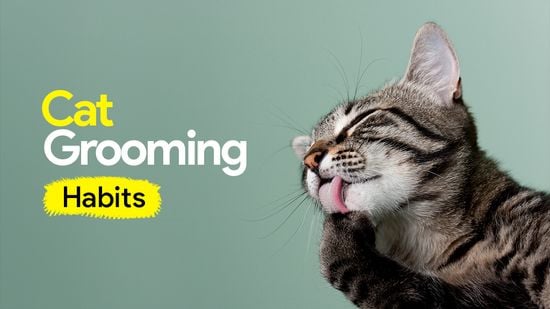
Have you ever wondered why your cat spends so much time licking its fur? It might seem like they’re just obsessed with staying clean, but there’s much more behind this constant grooming habit.
Understanding why cats groom all the time can help you connect better with your furry friend and even spot signs of health issues early. Keep reading, and you’ll discover surprising reasons behind your cat’s grooming behavior that will change the way you see your pet forever.
Credit: pethelpful.com
Cats’ Grooming Habits
Cats are known for their meticulous grooming habits. Watching a cat clean itself can seem like a never-ending activity. But why do they spend so much time on this behavior? Understanding your cat’s grooming routine can give you deeper insight into their health and happiness.
Frequency And Duration
Cats typically groom themselves several times a day. Each grooming session can last from a few minutes up to half an hour. You might notice your cat pausing and then continuing, which is part of their careful and thorough cleaning process.
Some cats groom more than others. Factors like age, health, and personality play a big role. For example, a stressed or anxious cat may groom excessively, while a sick cat might groom less often.
Common Grooming Behaviors
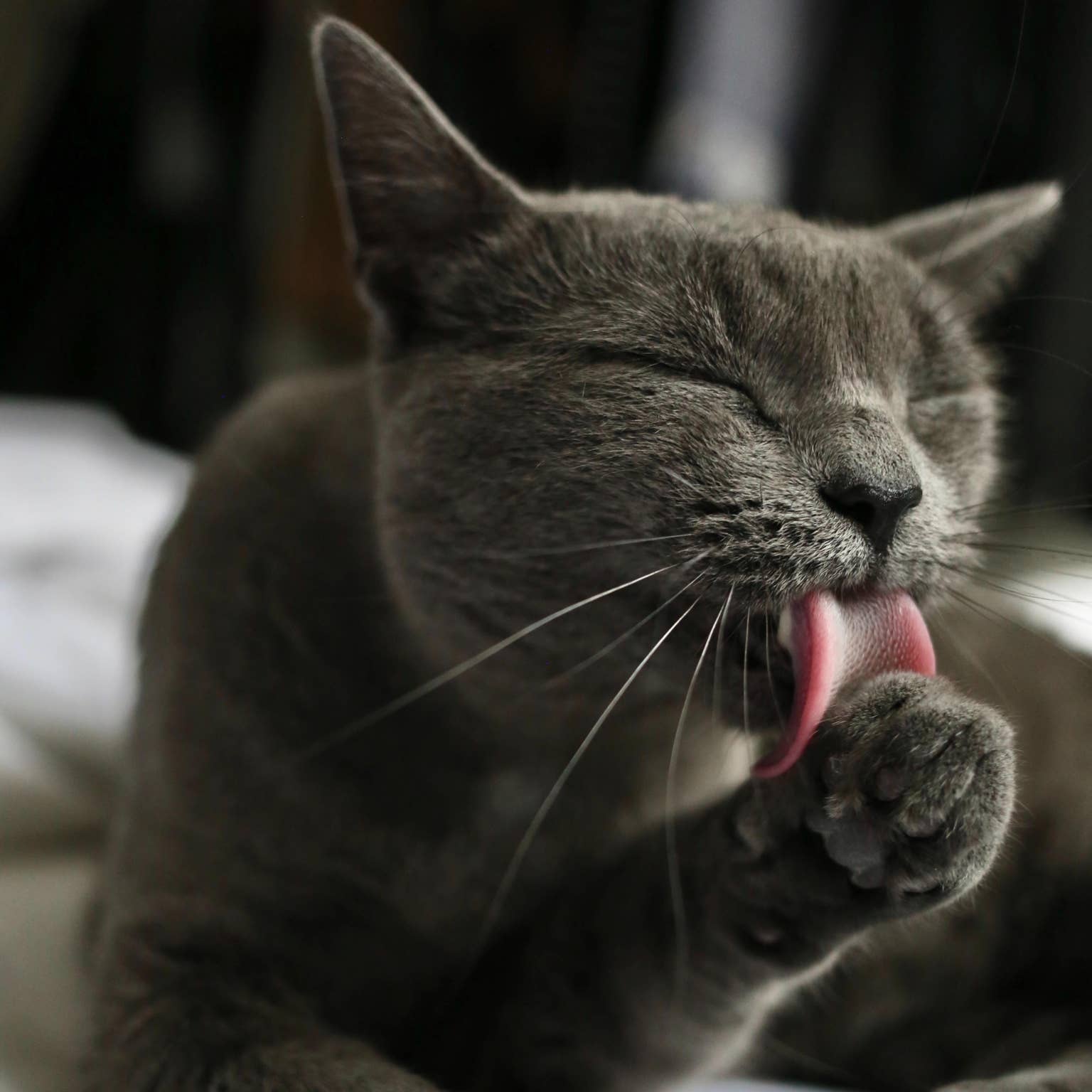
- Licking:Cats use their rough tongues to remove dirt and loose hair. This also spreads natural oils that keep their coat shiny and waterproof.
- Nibbling:Sometimes cats nibble or bite their fur to remove tough dirt or parasites. If you see this frequently, it might indicate fleas or skin irritation.
- Paw Washing:Cats lick their paws and then use them like little washcloths to clean their face and head.
- Stretching:Grooming often includes stretching and repositioning to reach all areas, especially hard-to-reach spots like behind the ears and under the legs.
Have you noticed your cat focusing on a particular spot? That might mean something’s bothering them there. Paying attention to these details can help you catch early signs of discomfort or illness.
Health Benefits Of Grooming
Cats spend a lot of time grooming themselves. This behavior is more than just keeping clean. Grooming helps cats stay healthy in several ways. It plays a key role in their overall well-being.
Skin And Coat Maintenance
Grooming removes dirt, dead skin, and loose fur from a cat’s coat. This keeps their fur shiny and smooth. It also stops hair from matting and tangling. A clean coat protects cats from skin problems and infections.
Temperature Regulation
By grooming, cats spread natural oils across their fur. These oils help keep their skin moisturized. They also help control body temperature. Grooming cools cats down by wetting their fur with saliva. This works like natural air conditioning on hot days.
Parasite Control
Cats use grooming to find and remove parasites like fleas and ticks. Their tongue acts like a comb to catch these pests. Removing parasites reduces itching and skin irritation. It also lowers the risk of diseases spread by parasites.
Emotional And Psychological Factors
Cats are mysterious creatures, often seen grooming themselves for hours. While physical cleanliness is one reason, emotional and psychological factors also play a key role. Understanding these factors helps us appreciate why grooming is vital for cats.
Stress Relief
Grooming helps cats relieve stress. Licking soothes them, reducing anxiety. This habit serves as a calming mechanism. Cats may groom more in unfamiliar environments. It offers them a sense of control. Observing a cat groom can indicate its stress levels.
Comfort And Security
Grooming provides comfort and a sense of security. Cats feel safe during this routine. It’s their way of self-soothing. This behavior often emerges in quiet moments. It signifies contentment and comfort. Cats rely on grooming to maintain emotional balance.
Social Bonding
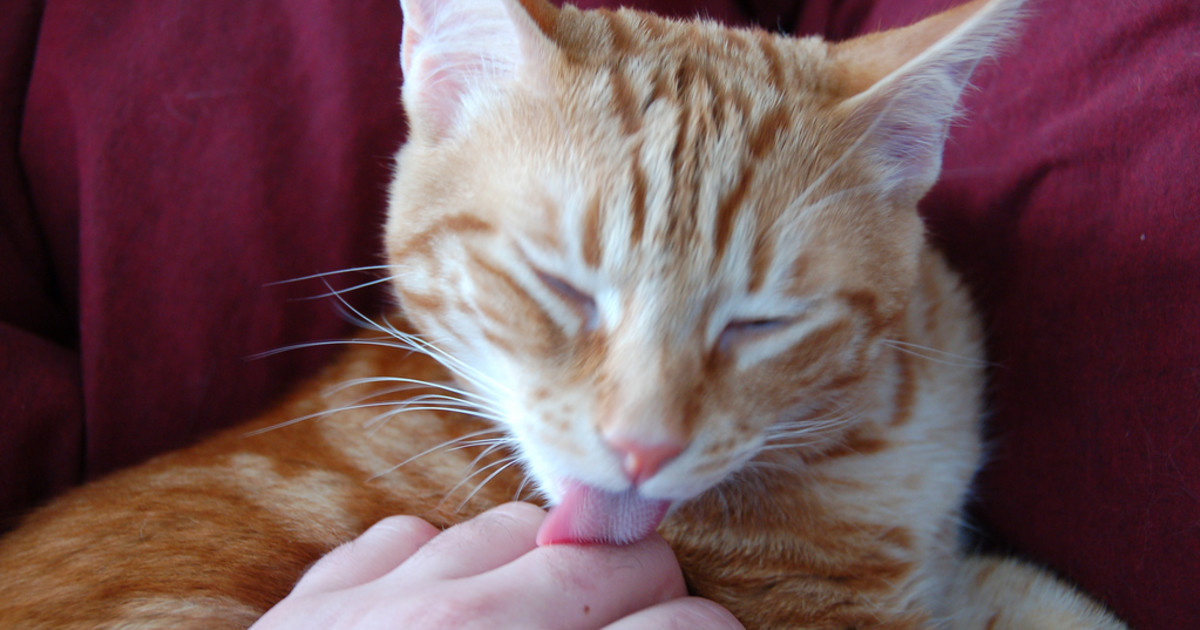
Cats groom each other as a social activity. It strengthens bonds within a group. This mutual grooming, or allogrooming, builds trust. Cats share scents, enhancing group unity. It’s a form of non-verbal communication. Grooming fosters companionship among cats.
Credit: pethelpful.com
Grooming And Communication
Cats groom themselves for more reasons than just cleanliness. Grooming serves as a powerful way for cats to communicate with their environment and with other animals. Understanding this can help you better interpret your cat’s behavior and deepen your bond.
Marking Territory
When your cat licks its fur, it’s not just about staying clean. Cats have scent glands in their skin, especially around the face and paws. Grooming spreads their unique scent across their body, which helps mark their territory.
Have you noticed your cat rubbing its face against furniture or even you? This is a similar behavior to grooming, reinforcing their scent in the environment. It’s their way of saying, “This space belongs to me.”
Signaling Mood
Grooming can also reflect how your cat feels. A relaxed cat might groom slowly and thoroughly, showing contentment. On the other hand, excessive or frantic grooming can signal stress or anxiety.
Think about your cat’s grooming habits during a vet visit or when new people are around. Changes in grooming patterns can be your first clue that your cat is uncomfortable or upset. Paying attention to these signals helps you respond with care and comfort.
When Grooming Becomes Excessive
Cats grooming is normal and healthy. It keeps their fur clean and skin healthy. But sometimes, grooming can become too much. Excessive grooming may signal a problem. It can cause skin damage or hair loss. It can also point to deeper health or behavior issues. Understanding when grooming is too much helps protect your cat.
Potential Health Issues
Excessive grooming can mean health problems. Skin allergies often cause itching and discomfort. Parasites like fleas or mites can irritate the skin. Pain or injury can make cats lick one spot repeatedly. Hormone imbalances might also trigger over-grooming. Watch for redness, sores, or bald patches. These signs need attention to avoid infection.
Behavioral Concerns
Stress and anxiety can make cats groom excessively. Changes in the home or routine upset some cats. Boredom may lead to over-grooming as a coping tool. Some cats develop compulsive grooming habits. This behavior looks like constant licking or biting. It can worsen over time without help. Identifying triggers is key to calming your cat.
When To See A Vet
Visit a vet if grooming causes skin damage. Bleeding, scabs, or bald spots need professional care. If your cat grooms so much it loses weight or stops eating, seek help. Sudden changes in grooming habits also require a vet check. The vet can find medical or behavioral causes. Early treatment helps your cat feel better fast.
Credit: hellopetsinc.com
Tips To Support Healthy Grooming
Supporting your cat’s grooming habits helps keep their coat clean and skin healthy. Grooming also reduces stress and prevents hairballs. Simple actions at home can improve your cat’s grooming routine.
Regular Brushing
Brush your cat’s fur often to remove loose hair and dirt. Choose a brush that suits your cat’s coat type. Brushing prevents mats and tangles. It also spreads natural oils for a shiny coat. Spend a few minutes daily or several times a week.
Environmental Enrichment
Provide toys and climbing spaces for mental and physical activity. A happy cat grooms less out of stress or boredom. Create safe places for rest and play. A calm environment supports regular grooming and well-being.
Diet And Hydration
Feed a balanced diet rich in vitamins and fatty acids. Nutrients improve skin and fur health. Make fresh water available at all times. Proper hydration keeps the skin moist and reduces itching. Healthy eating supports natural grooming habits.
Frequently Asked Questions
Why Do Cats Groom Themselves So Often?
Cats groom to clean their fur, remove dirt, and control parasites. Grooming also helps regulate body temperature and reduce stress.
How Does Grooming Benefit A Cat’s Health?
Grooming removes loose fur and prevents matting. It stimulates blood flow and helps cats stay comfortable and healthy.
Can Excessive Grooming Indicate Health Problems?
Yes, excessive grooming may signal stress, allergies, or skin issues. If your cat grooms too much, consult a vet for advice.
Do Cats Groom To Bond With Humans Or Other Pets?
Cats primarily groom themselves but may lick humans or pets to show affection and strengthen social bonds.
Conclusion
Cats groom themselves to stay clean and healthy. Grooming helps remove dirt, loose fur, and parasites. It also cools them down and reduces stress. This behavior keeps their coat shiny and strong. Watching a cat groom shows their natural care habits.
Understanding why cats groom helps us care for them better. Keep an eye on changes in grooming—it signals health issues. Overall, grooming is a key part of a cat’s life and well-being.

Leave a Reply