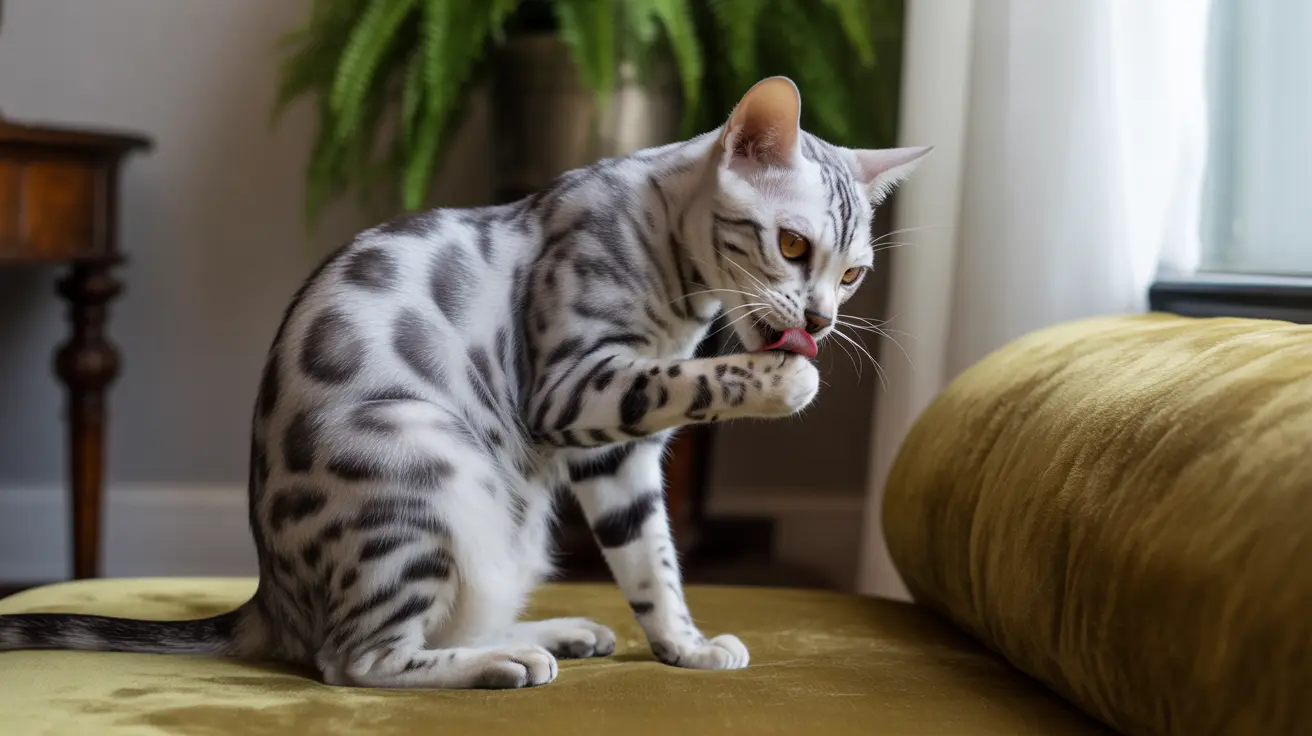
Have you ever noticed your cat start grooming itself right after you pet it? It might seem a little puzzling or even funny.
But there’s actually a fascinating reason behind this behavior that connects to how your cat feels and thinks. Understanding why your furry friend licks and cleans after your touch can help you build a stronger bond and better care for them.
Keep reading, and you’ll discover the surprising truth about your cat’s grooming habits—and what it means for your relationship.
Cats’ Grooming Habits
Cats are known for their meticulous grooming habits, and this behavior plays a crucial role in their daily lives. Understanding why your cat grooms itself, especially after you pet it, can reveal a lot about their needs and feelings. Their grooming is more than just cleaning; it’s a window into their health and emotional state.
Daily Grooming Routine
Cats spend a significant portion of their day grooming. This routine includes licking their fur to remove dirt, loose hair, and parasites. Grooming also helps regulate their body temperature by spreading natural oils evenly across their coat.
Have you noticed how your cat pauses after being petted to start cleaning itself? This is often part of their daily ritual to restore their natural scent. Cats rely heavily on scent for communication, so after physical contact, they might groom to reestablish their personal smell.
Importance Of Grooming
Grooming is essential for a cat’s health beyond cleanliness. It prevents matting, reduces the risk of skin infections, and helps detect injuries early. When your cat grooms after you pet it, they might also be calming themselves, as grooming releases endorphins that reduce stress.
Think about your cat’s behavior after a petting session: they often start grooming to feel secure and relaxed. This action can tell you how your cat processes affection and manages its own comfort. Paying attention to these grooming cues can help you better understand your cat’s emotional needs.
Credit: pethelpful.com
How Petting Affects Cats
Petting has a strong impact on cats. It influences how they feel and react. Understanding this helps explain why cats groom after being petted. Petting can change a cat’s mood and sensory experience.
Sensory Stimulation
Petting activates a cat’s skin nerves. These nerves send signals to the brain. Gentle strokes feel soothing and calm. Cats enjoy the touch on their fur and skin.
This stimulation can trigger grooming. Grooming helps spread natural oils on the fur. It also removes dirt and loose hair. Grooming after petting keeps the cat clean and comfortable.
Emotional Response
Petting creates a bond between cat and human. It releases feel-good hormones like oxytocin. This hormone lowers stress and builds trust.
After petting, grooming helps cats feel secure. It is a self-soothing behavior. Grooming can calm nerves and maintain emotional balance. It is a way cats show contentment and care for themselves.
Grooming After Petting
Have you noticed your cat suddenly start grooming itself right after you pet it? This behavior might seem puzzling at first, but it’s actually a natural response. Cats use grooming not just to stay clean, but also to manage their emotions and environment.
Self-soothing Behavior
Grooming acts like a calming ritual for cats. After your touch, your cat might lick its fur to settle down and regain comfort. This helps them feel secure, especially if they were a bit overwhelmed by the attention.
Think about how you might smooth your hair or rub your hands together when nervous. Cats do something similar with grooming—it’s their way to soothe themselves.
Marking Territory
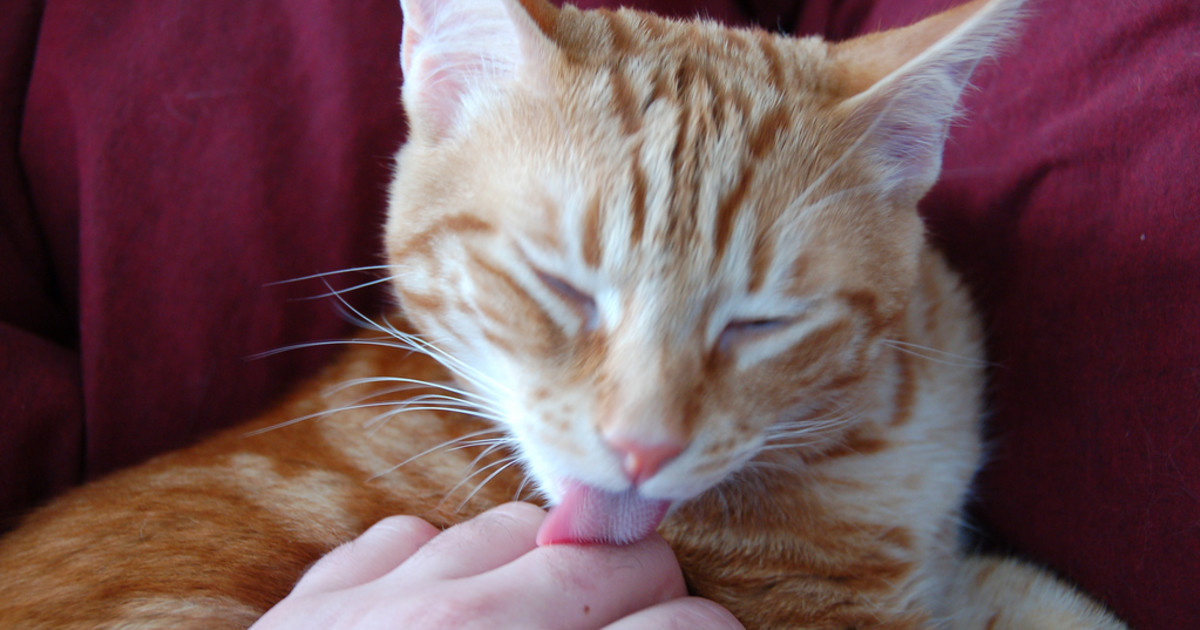
Did you know your cat’s saliva contains its unique scent? When your cat licks itself after you pet it, it’s actually blending its smell with yours. This helps your cat mark you as part of its territory.
This scent mixing strengthens your bond in the cat’s eyes. It’s a subtle way your cat says, “You’re mine.”
Stress Relief
Petting can sometimes be overstimulating, even if it seems gentle to you. Grooming helps cats release built-up tension quickly. It’s like hitting a reset button for their mood.
Next time your cat starts licking itself after a petting session, watch closely. It might be telling you it needs a little break or a change in petting style to feel more comfortable.
Communication Through Grooming
Cats often groom themselves after being petted to calm down and feel safe. This behavior also helps them mix your scent with theirs, showing trust. Grooming acts as a gentle way for cats to communicate comfort and bond with you.
Communication Through Grooming Cats are fascinating creatures, often leaving us puzzled with their quirky behaviors. One such behavior is grooming immediately after you’ve lovingly petted them. This isn’t just a random act; it’s a form of communication. Through grooming, cats express a variety of messages that are both intriguing and meaningful.Bonding Signals
When your cat starts grooming after being petted, it’s not a sign of disapproval. Instead, it’s a bonding signal. Cats use grooming to strengthen their social bonds. Imagine it as a cat’s way of saying, “I trust you.” It’s as if they’re integrating your scent with theirs, creating a shared fragrance. This act signifies a mutual relationship and a strong bond.Social Grooming Connections
Social grooming is common in cat communities. By grooming, they are partaking in a social ritual. This behavior is deeply rooted in their instincts. Think of it as a cat’s version of a handshake or a hug. It’s a way for them to connect with their companions. When your cat grooms after petting, they’re continuing that tradition with you. This behavior might even prompt you to think about your own relationships. How do you communicate trust and connection? Cats remind us of the importance of non-verbal communication. Their grooming habits can teach us about the subtle yet powerful ways we can connect with those around us.When Grooming Becomes Excessive
Grooming is a natural behavior for cats, especially after they’ve been petted. It helps them calm down and reaffirm their scent. But what happens when this grooming turns into a nonstop ritual? Excessive grooming can be a sign that your feline friend is trying to tell you something important.
Signs Of Anxiety
Excessive grooming often signals anxiety in cats. You might notice your cat licking the same spot repeatedly or biting their fur until it looks patchy. If your cat seems restless, hides more than usual, or reacts nervously to everyday noises, these can be red flags.
Think about how you feel when stressed—do you fidget or bite your nails? Cats use grooming as a similar coping mechanism. If you spot these signs, ask yourself: Is there something new or unsettling in your cat’s environment?
Health Concerns
Sometimes, excessive grooming points to a health problem rather than anxiety. Skin allergies, parasites like fleas, or infections can make your cat uncomfortable, leading them to lick or scratch excessively. You might see redness, swelling, or even open sores on their skin.
Don’t ignore repeated grooming around one area. It’s worth a vet visit to rule out medical issues. Catching a health concern early can save your cat from prolonged discomfort and prevent more serious problems down the road.
Credit: tryfurgo.com
Tips To Support Your Cat’s Grooming Needs
Supporting your cat’s grooming needs goes beyond just watching them clean themselves. How you interact with your cat can make a big difference in their comfort and well-being. Paying attention to small details during petting and the environment you provide can help your cat feel relaxed and happy, which naturally supports their grooming habits.
Proper Petting Techniques
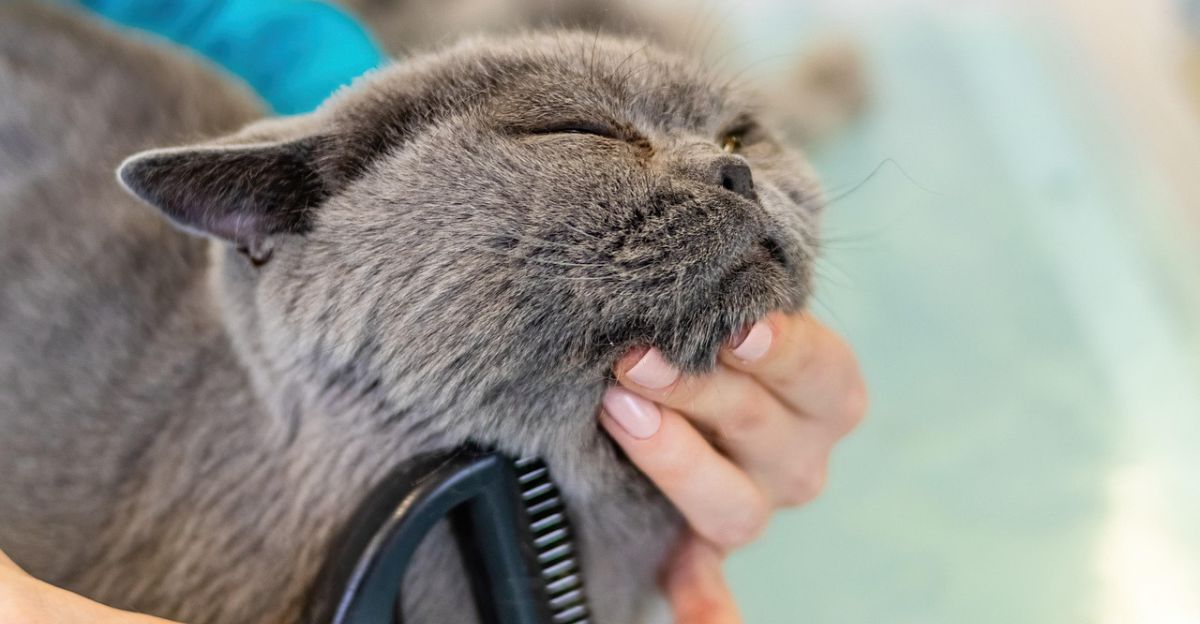
Not all petting is equal. Cats are sensitive to touch, and knowing where and how to pet them can reduce stress and encourage positive grooming behavior.
- Focus on favorite spots:Most cats love gentle strokes around the head, behind the ears, and under the chin. Avoid rough petting on the belly unless your cat clearly enjoys it.
- Watch their reactions:If your cat starts licking after you pet them, it often means they feel comforted. But if they pull away or twitch their tail, it’s a sign to stop or switch spots.
- Keep sessions short and sweet:Brief petting sessions several times a day work better than long, intense strokes that might overwhelm your cat.
Have you noticed your cat grooming more after certain petting styles? Paying attention to these reactions can help you tailor your touch to what your cat prefers.
Creating A Comfortable Environment
Your cat’s surroundings play a huge role in their grooming habits. A calm and secure space helps them relax and take care of themselves naturally.
- Quiet, cozy spots:Cats groom best when they feel safe. Provide soft beds in quiet corners away from loud noises and foot traffic.
- Regular cleaning:Keep your cat’s living area clean. A tidy space reduces stress and prevents dirt buildup on their fur, making grooming easier.
- Maintain a consistent routine:Cats thrive on routine. Feeding, playtime, and petting at regular times can make them feel secure enough to groom properly.
Think about your cat’s favorite spots at home. Are these areas calm and inviting? Adjusting their environment might encourage more frequent and thorough grooming.

Credit: tryfurgo.com
Frequently Asked Questions
Why Do Cats Groom Themselves After Petting?
Cats groom after petting to clean their fur and remove your scent. This helps them feel secure and maintain their natural scent.
Does Grooming Show A Cat’s Comfort With You?
Yes, grooming after petting indicates a cat feels safe and relaxed. It’s a sign of trust and contentment with your presence.
Can Petting Trigger A Cat’s Grooming Instinct?
Petting can stimulate a cat’s grooming reflex as a natural response. It mimics social grooming behavior seen in wild cats.
Is Grooming A Way For Cats To Calm Down?
Grooming helps cats reduce stress and calm their nerves. After petting, it’s a self-soothing behavior to stay relaxed.
Conclusion
Cats groom after being petted for many reasons. It helps them feel calm and clean. Grooming also shows they trust you and feel safe. This behavior keeps their fur healthy and free of dirt. Watching your cat groom can be a sign of happiness.
It’s a small way they care for themselves and you. Understanding this helps you bond better with your cat. Simple moments like these build a strong connection. Next time your cat grooms after petting, appreciate the trust it shows.



Leave a Reply