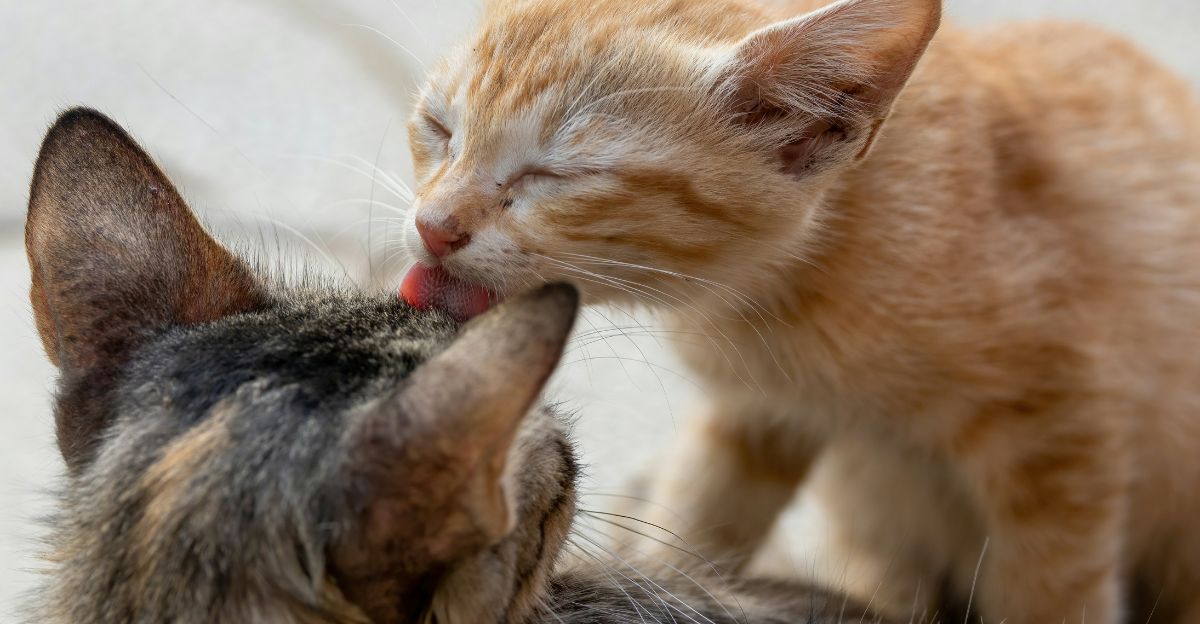
Have you ever watched your cats get all cozy during grooming, only to suddenly start fighting right after? It’s confusing and maybe even a little upsetting to see.
You might wonder, why do cats fight after grooming when they seemed so calm just moments before? Understanding this strange behavior can help you keep your furry friends happier and your home more peaceful. Keep reading, because uncovering the reasons behind this puzzling cat behavior will change the way you care for your pets—and help you prevent those unexpected spats.
Cats’ Grooming Habits
Cats are known for their meticulous grooming habits, which play a crucial role in their health and social behavior. Understanding these habits can shed light on why cats sometimes fight after grooming sessions. Grooming is more than just keeping clean; it’s a way cats communicate and establish relationships.
Self-grooming Rituals
Every cat spends a significant part of its day grooming itself. This involves licking fur to remove dirt, loose hair, and parasites. The act also helps regulate body temperature and stimulates blood flow.
Have you noticed how your cat pauses and cleans specific spots more carefully? This focus often reflects areas where they feel stressed or tense. Grooming becomes a calming ritual, almost like a personal reset button for your feline friend.
When cats groom themselves, they spread natural oils that keep their coat shiny and waterproof. This self-care routine is essential but can also make them sensitive to touch right after. You might find your cat a bit irritable if disturbed during or immediately after grooming.
Social Grooming Among Cats
Social grooming, or allogrooming, is when cats groom each other. It’s a sign of trust and bonding, often seen among cats that share a strong social connection. This behavior helps build and maintain group harmony.
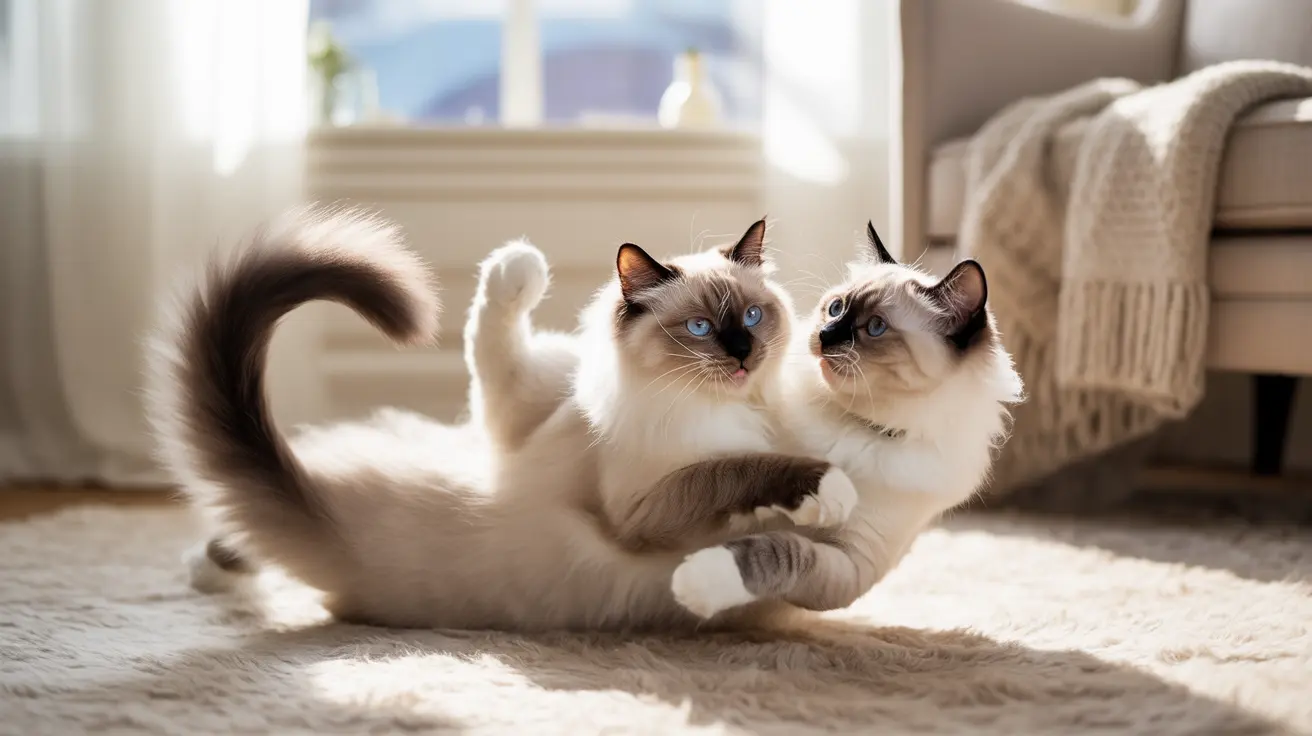
However, social grooming isn’t always peaceful. It can sometimes lead to minor disputes, especially if one cat feels overwhelmed or if the grooming is too rough. Have you observed your cats suddenly swatting at each other after a grooming session? This could be their way of setting boundaries.
Social grooming also involves a complex exchange of scents. Cats use this to reinforce group identity and reduce tension. But if a cat feels its personal space is invaded, the grooming session may end in a fight.

Credit: www.youtube.com
Common Triggers For Fights
Cats often fight after grooming due to certain triggers. These triggers cause tension and conflict between cats. Understanding these triggers helps prevent fights and keeps peace.
Territorial Disputes
Cats are very territorial animals. Grooming time can increase tension over space. One cat may feel another is too close. This feeling can lead to sudden fights. Territory means safety and control for cats.
Scent Marking Conflicts
Grooming spreads a cat’s scent on its fur. This scent marks the cat’s presence and identity. When cats groom near each other, scents mix. Some cats do not like other cat’s scent. This can cause aggression and fights.
Overstimulation During Grooming
Grooming can sometimes be too much for a cat. Petting or licking may irritate the skin or nerves. Overstimulation makes cats feel uncomfortable or stressed. This stress can trigger sudden biting or scratching. Cats use fights to show they want space.
Stress And Anxiety Factors
Cats often fight after grooming due to stress and anxiety. Grooming should be a peaceful activity, but not always for cats. The reasons can be complex, rooted in their environment or social dynamics.
Changes In Environment
Cats are sensitive to changes in their environment. A new piece of furniture or a change in routine can disturb them. This change can increase stress levels, leading to aggression. Cats crave stability and routine for comfort.
Presence Of New Cats Or Pets
Introducing a new cat or pet can unsettle your existing cat. Cats are territorial by nature. A new presence can threaten their territory, causing stress and anxiety. This stress may manifest as fighting, especially after a grooming session. Cats use grooming time to relax. Any disruption can heighten their stress.

Credit: weareallaboutcats.com
Behavioral Differences
Cats have unique behaviors shaped by their instincts and social needs. After grooming, some cats might act differently due to these behavioral differences. Understanding these can help explain why fights sometimes start right after a peaceful activity like grooming. Two main factors play a big role: dominance and hierarchy, and personality clashes.
Dominance And Hierarchy
Cats live in groups with clear social ranks. Grooming often strengthens bonds or shows status. A cat may feel challenged if another cat grooms too much or too close. This can cause tension.
After grooming, a lower-ranked cat might act aggressively to defend its place. Higher-ranked cats might react to remind others of their status. This push and pull can lead to fights.
Personality Clashes
Each cat has a different personality. Some are calm and shy, others bold and playful. Grooming might be a trigger for stress or irritation in sensitive cats.
When two cats with opposite temperaments groom each other, conflicts can arise. One cat might want to stop, while the other insists. This mismatch can quickly escalate into a fight.
Health Issues Impacting Behavior
Health issues can play a surprising role in why cats might fight after grooming. Sometimes, what seems like a simple grooming session can trigger discomfort or irritation that changes their behavior. Understanding these health factors can help you spot the root cause and keep your cats calm and happy.
Pain Or Discomfort
If your cat shows sudden aggression after grooming, consider if they might be in pain. Grooming can accidentally press on sore spots or sensitive areas, especially if they have arthritis or recent injuries. Cats often hide pain well, so fighting might be their way of telling you something hurts.
Have you noticed your cat flinching or pulling away during grooming? That’s a red flag. Try to observe if certain touches cause them to react sharply, and consult your vet if you suspect pain. Adjusting your grooming technique can make a big difference in their comfort.
Skin Irritations
Skin irritations can flare up right after grooming, causing your cat to become irritable or defensive. Grooming tools or shampoos might trigger allergies or worsen existing conditions like dermatitis or flea bites. Even small irritations can feel overwhelming to your cat’s sensitive skin.
Watch for signs like redness, scratching, or hair loss after grooming sessions. If your cat starts fighting or avoiding touch, check their skin carefully. Using gentle, hypoallergenic products and keeping grooming short can help prevent irritation and reduce post-grooming fights.
Credit: www.petscare.com
Ways To Reduce Post-grooming Fights
Reducing fights between cats after grooming is key to maintaining a peaceful home. Understanding how to ease tension can help your cats feel more comfortable and secure. You don’t have to accept post-grooming struggles as normal—there are clear steps you can take to keep harmony.
Creating Separate Grooming Spaces
Give each cat its own grooming area to avoid competition and stress. Cats are territorial, and sharing a space during grooming can trigger fights. Having separate, quiet spots helps each cat feel safe and less threatened.
Try placing grooming tools and beds in different rooms or corners. If space is limited, schedule grooming sessions at different times to keep cats apart. Have you noticed how your cats react when they’re not crowded? It might surprise you how calmer they become.
Using Calming Techniques
Calming techniques can lower stress and reduce aggression after grooming. Simple actions like playing soft music or using pheromone diffusers create a soothing environment. These tools send signals that help cats relax and feel secure.
Before grooming, engage your cats in gentle play to burn off nervous energy. After grooming, offer treats or affection to create positive associations. What small changes can you add to your routine that make your cats feel calmer?
Regular Health Checks
Sometimes fights come from pain or discomfort your cats can’t tell you about. Regular vet visits ensure no hidden health issues cause irritability after grooming. Check for skin problems, infections, or injuries that might make grooming uncomfortable.
Keep an eye on how your cats behave during grooming—if one suddenly reacts aggressively, it may be time for a health check. Would you be surprised to find a small health issue behind your cats’ fights?
Frequently Asked Questions
Why Do Cats Sometimes Fight After Grooming?
Cats may fight after grooming due to overstimulation or stress. Grooming can trigger territorial behavior or irritation, causing conflicts between cats. It’s a way for them to establish dominance or release pent-up energy.
Can Grooming Cause Aggression In Cats?
Yes, grooming can cause aggression if a cat feels threatened or annoyed. Over-grooming or forced grooming may lead to defensive behavior, making cats lash out at each other.
How To Prevent Cats From Fighting Post-grooming?
To prevent fights, groom cats calmly and separately. Use gentle techniques, give breaks, and watch for signs of stress. Providing a safe space helps reduce tension after grooming sessions.
Is Post-grooming Fighting Normal Among Cats?
Post-grooming fighting can be normal as cats express dominance or irritation. However, frequent or intense fights may indicate underlying issues requiring behavioral intervention.
Conclusion
Cats may fight after grooming because they feel stressed or unsettled. Grooming is a social act but can also spark tension. They may compete for attention or space nearby. Understanding their body language helps prevent fights. Giving cats their own space after grooming is important.
Watching them closely helps you catch signs of conflict early. Keeping calm and patient supports peaceful behavior. Remember, these fights are normal but manageable with care.

Leave a Reply