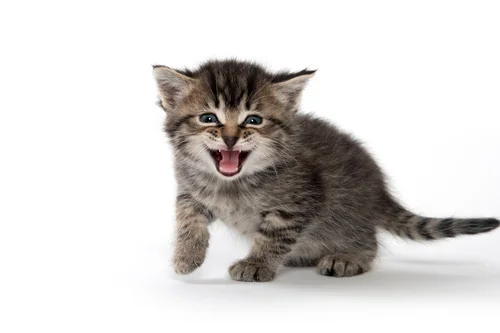
Have you ever noticed your cat carrying a toy in its mouth while making those loud, surprising cries? It might seem strange or even a little worrying.
You might wonder, why does your furry friend do this? Understanding this behavior can help you connect better with your cat and respond to its needs. Keep reading to discover the fascinating reasons behind your cat’s curious cries with toys, and learn how this reveals more about your pet’s feelings and instincts.
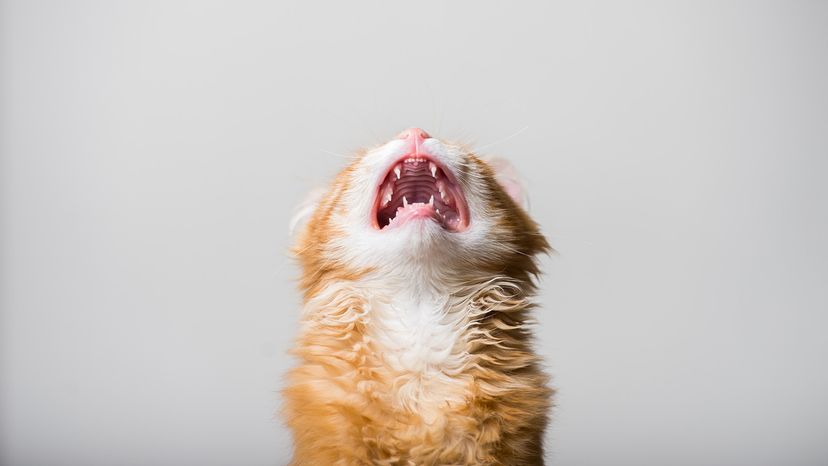
Credit: animals.howstuffworks.com
Cats Carrying Toys
Cats carrying toys in their mouths is a curious behavior that often puzzles pet owners. This action can tell you a lot about your cat’s instincts and emotions. Understanding why your cat does this can help you connect with them better and meet their needs more effectively.
Common Behaviors Explained
When a cat carries a toy in its mouth, it is often mimicking hunting behavior. This is a natural instinct passed down from their wild ancestors who had to catch and carry prey to a safe place.
Sometimes, cats cry out while holding toys because they are practicing their hunting calls or expressing excitement. This vocalization can also be a way to show you their “catch,” almost like they want to share their success with you.
Have you noticed your cat bringing toys to you? This can be a sign of affection or an invitation to play. It’s their way of including you in their fun or even teaching you how to hunt!
Types Of Toys Cats Prefer
Cats tend to favor toys that mimic the size and texture of small animals. Soft, plush toys, feather wands, and small balls are often favorites.
- Plush mice or birds that can be easily carried
- Feather toys that simulate the movement of prey
- Small balls or crinkly toys that make noise when moved
Some cats prefer toys that they can bite and carry around, while others like toys they can bat and chase. Pay attention to your cat’s preferences and rotate toys to keep them interested and active.
Crying Out While Carrying
Have you ever noticed your cat crying out while carrying a toy in its mouth? This behavior can seem puzzling, especially when the toy is something your cat clearly enjoys. Understanding why cats vocalize in this way can give you deeper insight into their emotions and instincts.
Sounds Cats Make
Cats use a variety of sounds to communicate, and the cries they make while carrying toys are no exception. These vocalizations often include soft meows, chirps, or even short yowls. The tone can range from urgent to content, depending on the situation.
Sometimes, the cry sounds like a call to other cats or even to you. It’s as if your feline friend is announcing a prized catch or seeking attention. Have you noticed if your cat’s voice changes when bringing you different types of toys?
Possible Emotional Triggers
When your cat cries out with a toy in its mouth, it might be driven by emotions like excitement, pride, or even anxiety. Carrying a toy can mimic the hunting and sharing behaviors cats show in the wild.
Your cat may be trying to share its “prey” with you, expressing a desire for interaction or approval. Alternatively, the crying could signal frustration if the toy isn’t meeting their expectations or if they want you to engage in play.
Think about your cat’s personality and recent experiences. Has anything changed in their environment that might make them seek comfort or attention through this behavior?
Hunting Instincts
Cats are natural hunters. Their instincts push them to chase, catch, and carry prey. Toys often act as stand-ins for real animals. This triggers strong hunting behaviors. Crying out with a toy in their mouth is part of this instinct. It reflects ancient survival skills still alive today.
Toy As Prey Substitute
Toys mimic small animals like mice or birds. Cats pounce and grab them with sharp teeth. Holding the toy feels like holding real prey. This action satisfies their need to hunt and catch. The toy becomes a target for their natural skills. It helps cats stay active and mentally sharp.
Vocalizing To Share The Catch
Cats cry out as if to announce a big catch. This sound is similar to calls made in the wild. It may signal pride or alert others nearby. Some cats “show off” their toy to their owners. Vocalizing connects their behavior to ancient hunting traditions. It is a way to share success without danger.

Credit: moderncat.com
Seeking Attention
Cats cry out with toys in their mouths to get your attention or show off their catch. This behavior often means they want you to play or notice them. It’s a way for cats to communicate their excitement or need for interaction.
Cats are mysterious creatures, and their behavior often leaves us puzzled. One intriguing habit is when they cry out while carrying toys in their mouths. This peculiar action is often a way for them to seek attention from their human companions. Understanding this behavior can deepen your bond with your feline friend and enhance your interactions.Calling Owners Over
When your cat cries out with a toy in its mouth, it might be their way of calling you over. Cats are known for their independence, but they also have moments when they crave companionship. By vocalizing with a toy, your cat is signaling that they want your presence. Imagine coming home to find your cat proudly displaying their favorite toy, meowing loudly. It’s as if they’re saying, “Look at what I’ve got!” This can be an invitation for you to join in their play or simply acknowledge their achievement.Requesting Playtime
Another reason your cat may cry out with a toy is to request playtime. Cats are playful creatures and often use their toys as a way to initiate interaction. When they meow with a toy in tow, they’re signaling that they’re ready for some fun. This behavior could be a reminder for you to engage with them. It’s their way of inviting you to toss the toy or participate in a chase. Playtime is crucial for a cat’s physical and mental well-being, and this vocal cue is their gentle nudge for you to join in on the fun. Do you often find your cat waiting with a toy when you’re caught up with chores? They might be telling you it’s time to take a break and play. By recognizing these signals, you can create delightful and meaningful moments with your feline friend.Expressing Possession
Cats often cry out with toys in their mouths as a way to express possession. This behavior shows that the toy is important to them, almost like a prized catch. Understanding why your cat does this can help you respond better and respect their feelings.
Marking Territory
When your cat carries a toy and cries out, it’s a clear sign they are marking their territory. Cats use vocalizations along with scent to claim objects they value. You might notice your cat rubbing their face on the toy or leaving it in a special spot after crying out.
This behavior is a way to tell others, “This is mine.” Have you ever seen your cat guard a toy closely when other pets come near? That’s their way of protecting what they consider theirs.
Warning Other Pets
Crying out with a toy in the mouth can also serve as a warning to other pets. It signals, “Back off, this is my possession.” Your cat might use this vocalization especially if other animals are nearby and seem interested in the toy.
Think about a time when your cat’s loud meow stopped another pet from approaching. This is their way of standing their ground without fighting. If your cat does this often, try giving them a quiet, safe space to enjoy their toys without interruption.
Stress And Anxiety Signals
When your cat cries out with a toy in their mouth, it’s often more than just play. This behavior can be a signal of stress or anxiety. Understanding these signs helps you support your feline friend better and create a calmer environment for them.
Comfort Object Behavior
Sometimes, cats treat toys like comfort objects, similar to a child with a favorite blanket. Holding and vocalizing with a toy can soothe their nerves during stressful moments.
Have you noticed your cat clutching the same toy and meowing quietly? This might be their way of coping with changes like a new pet, loud noises, or even your absence.
Providing a consistent, safe toy can give your cat a sense of security. It’s a simple step that can reduce anxiety and help them feel grounded.
Crying As Stress Release
Crying out while carrying a toy can be a release valve for built-up tension. It’s a vocal expression of emotions they can’t otherwise communicate.
If your cat suddenly starts yowling with a toy, consider if something in their environment has changed. Stressors like moving furniture, unfamiliar visitors, or disrupted routines may trigger this behavior.
Try offering quiet playtime and a peaceful spot for your cat to relax. You might find that their vocalizations decrease as their stress lessens.
Age And Development Factors
Age plays a huge role in why your cat might cry out with a toy in their mouth. Their behavior changes as they grow, reflecting different instincts and needs. Understanding these shifts can help you connect better with your furry friend and respond in ways that make playtime more enjoyable for both of you.
Kitten Play Behavior
Kittens use play to learn essential life skills. Crying out while carrying a toy often mimics their natural hunting calls, which they practice to prepare for real-life situations.
At this stage, their vocalizations can be quite loud and frequent. It’s their way of expressing excitement or calling attention—sometimes to their mother or siblings, sometimes to you.
If your kitten yells with a toy, it’s often a sign of active engagement rather than distress. Have you noticed how their cries change when they switch toys or move from solo play to play with you?
Adult Cat Patterns
As cats mature, their play often becomes more strategic and less noisy. Adult cats tend to vocalize with toys mainly when they’re simulating hunting or trying to share their “catch” with you.
This behavior can also be a way to show pride or ask for interaction. Your adult cat might cry out because they want you to join the hunt or acknowledge their ‘success.’
Pay attention to how your cat’s cries evolve with age. Do they get quieter or more purposeful? This can reveal a lot about their mood and your bond.
How To Respond To This Behavior
Observe your cat’s behavior calmly and offer gentle attention to reassure them. Redirect their energy with play or a new toy to keep them engaged. Respond softly to their cries, showing care without encouraging excessive noise.
Understanding why cats cry out with toys in their mouth can be puzzling. This behavior can express excitement, mimic hunting, or seek attention. Responding appropriately helps foster a healthy bond with your pet. Here are some effective ways to engage with your cat during such moments.Encouraging Healthy Play
Provide a variety of toys to keep your cat engaged. Rotate toys regularly to maintain interest. Engage with your cat using interactive toys like feather wands. This can satisfy their hunting instincts. Spend time daily in play sessions to prevent boredom. Create an enriching environment. Use scratching posts and climbing trees. This encourages physical activity and mental stimulation. Ensure your cat has safe, quiet spaces to retreat. This can reduce stress and encourage positive behavior.When To Consult A Vet
Observe the frequency and intensity of the behavior. Excessive crying with toys might indicate underlying issues. Look for signs of distress or discomfort. Behavioral changes can be a sign of health problems. Consult a vet if you notice unusual behaviors. They can rule out medical conditions. A vet can provide guidance on managing the behavior. Early intervention can prevent potential health issues.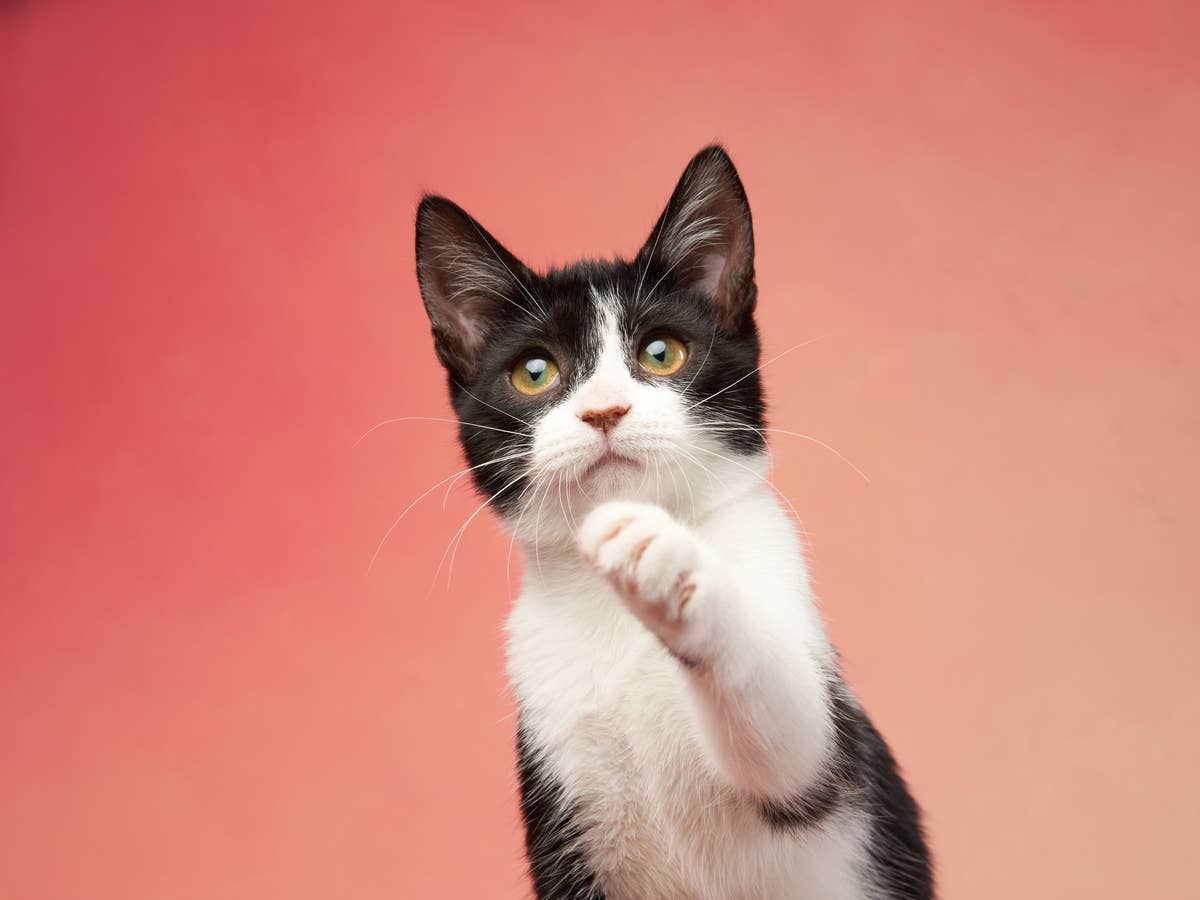
Credit: paradepets.com
Frequently Asked Questions
Why Do Cats Carry Toys In Their Mouth?
Cats carry toys in their mouth to mimic hunting behavior. It reflects their natural instinct to catch and transport prey. This action also shows possession and pride in their “catch. ” Sometimes, cats carry toys to seek attention or share their find with their owner.
What Does Crying Out With Toys Mean In Cats?
When cats cry out with toys, they mimic real prey sounds. This vocalization expresses excitement or frustration during play. It can also be a way to communicate with their owner or other pets. Crying out adds realism to their hunting simulation and enhances engagement.
Is Carrying Toys A Sign Of Affection In Cats?
Yes, carrying toys can be a sign of affection. Cats often bring toys to their owners as gifts. It shows trust and a desire to bond. This behavior strengthens the human-cat relationship and reflects positive emotional connection.
How To Respond When My Cat Cries With Toys?
Respond gently by acknowledging your cat’s behavior. Engage in interactive play to satisfy their hunting instinct. Avoid punishing or scolding, as it may cause stress. Offering more toys can keep them mentally and physically stimulated.
Conclusion
Cats cry out with toys to share their catch or seek attention. This behavior shows their natural hunting instinct and need to communicate. Watching your cat carry toys and vocalize can deepen your bond. Understanding why cats do this helps you respond with care and patience.
Each cry tells a story about your cat’s feelings and needs. Keep observing and enjoy these special moments with your furry friend.


Leave a Reply