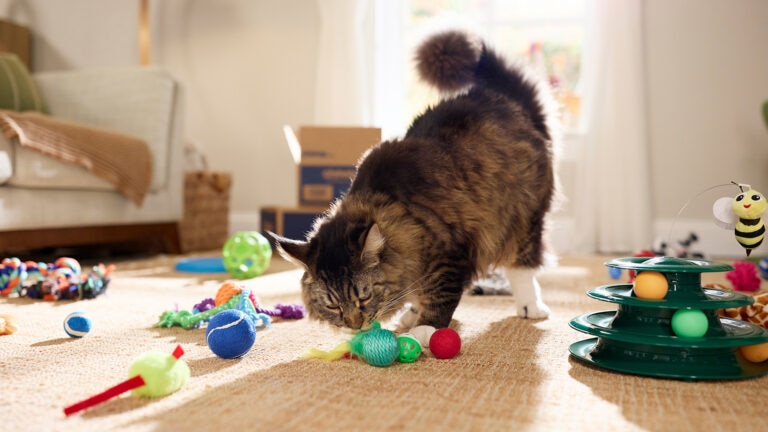
Have you ever watched your cat suddenly start chattering at their toys and wondered why? That strange, rapid clicking sound can be puzzling.
But what if this quirky behavior reveals something fascinating about how your cat thinks and feels? Understanding why cats chatter to their toys can deepen the bond you share and help you respond better to their needs. Keep reading, and you’ll uncover the surprising reasons behind this curious cat chatter—and why it matters to you.
Cat Chattering Explained
Cats often make a unique chattering sound while playing with toys. This behavior may seem strange but has a clear meaning. Understanding why cats chatter helps us learn more about their instincts and emotions. It shows their natural hunting skills and excitement during playtime.
What Is Cat Chattering?
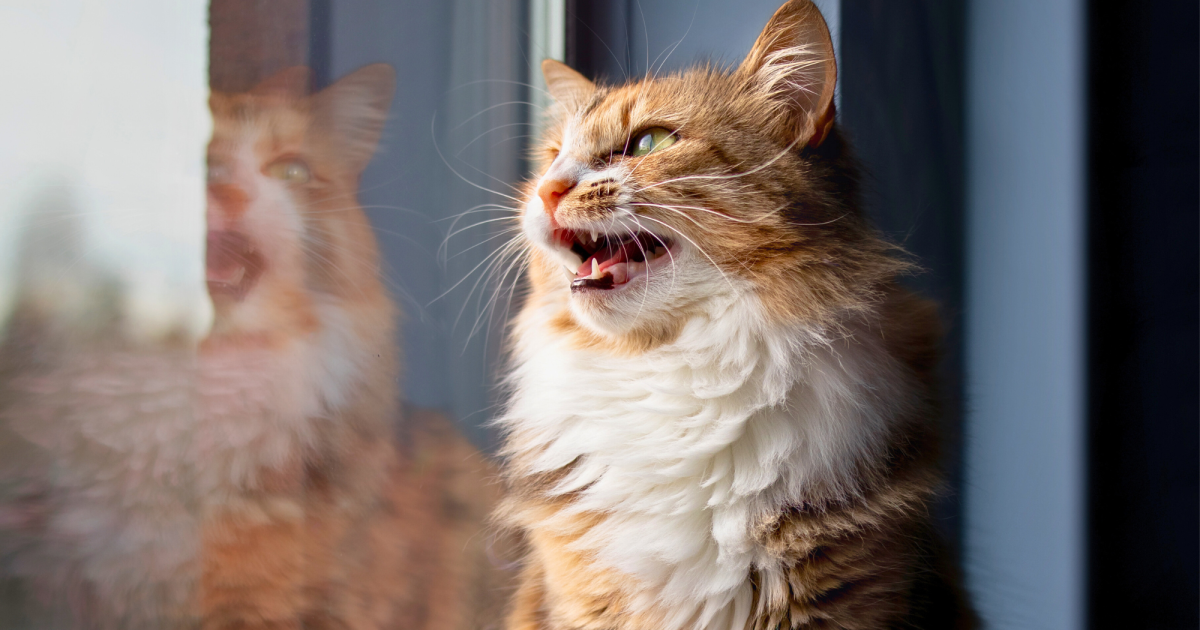
Cat chattering is a rapid clicking or chittering sound. Cats usually make this noise when they see birds or small moving objects. It happens most often during play or hunting moments. This sound is not a meow or purr but something different.
Why Do Cats Chatter At Toys?
Toys can remind cats of prey like birds or mice. Chattering happens because cats are excited and focused. They may be practicing their hunting skills. Sometimes, it shows frustration if they cannot catch the toy. This noise is a sign of strong instinct.
The Hunting Instinct Behind Chattering
Chattering comes from a natural hunting reflex. Cats use this sound to mimic catching prey. Their jaw moves quickly, creating the clicking noise. This helps them prepare for a real catch. It is an important part of their hunting behavior.
Emotional Reasons For Cat Chattering
Chattering also reflects a cat’s feelings. It shows excitement, curiosity, or mild frustration. Cats feel playful and alert during these moments. It helps them stay focused on the toy. This behavior connects to their mood and energy.
How To Respond When Your Cat Chatters
- Provide more toys to keep them engaged.
- Use interactive play to simulate hunting.
- Observe to understand their mood better.
- Give them space if they seem frustrated.
Credit: paradepets.com
Common Triggers For Chattering
Understanding what triggers your cat’s chattering can help you connect better with their playful and hunting behaviors. Chattering is often a response to specific stimuli related to their toys. Let’s look at the common triggers that set off this fascinating vocalization.
Movement And Sound Of Toys
Rapid or unpredictable movements of toys grab your cat’s attention and often cause chattering. Cats respond to the erratic motion because it mimics prey trying to escape. If your toy squeaks or rustles, that sound can heighten their excitement and trigger chattering even more.
Have you noticed your cat chattering more when a toy makes noise? This reaction shows how sensitive they are to auditory cues. Try changing the toy’s speed or sound to see how your cat responds differently.
Hunting Instinct Activation
Chattering is closely tied to your cat’s hunting instincts. When they see a toy they want to catch, their brain switches to “predator mode.” This causes a mix of excitement and frustration, which often comes out as chattering.
Think about times you’ve seen your cat staring intensely at a toy, twitching their tail, and making that chattering noise. This is their natural way of preparing to pounce or expressing the thrill of the chase. By understanding this, you can choose toys that better stimulate their instincts and keep playtime more engaging.
Biological Reasons Behind Chatter
Ever noticed your cat chattering at a toy and wondered why they do it? This curious behavior is more than just a quirky habit. It has deep biological roots that connect to their instincts and communication methods.
Predatory Behavior
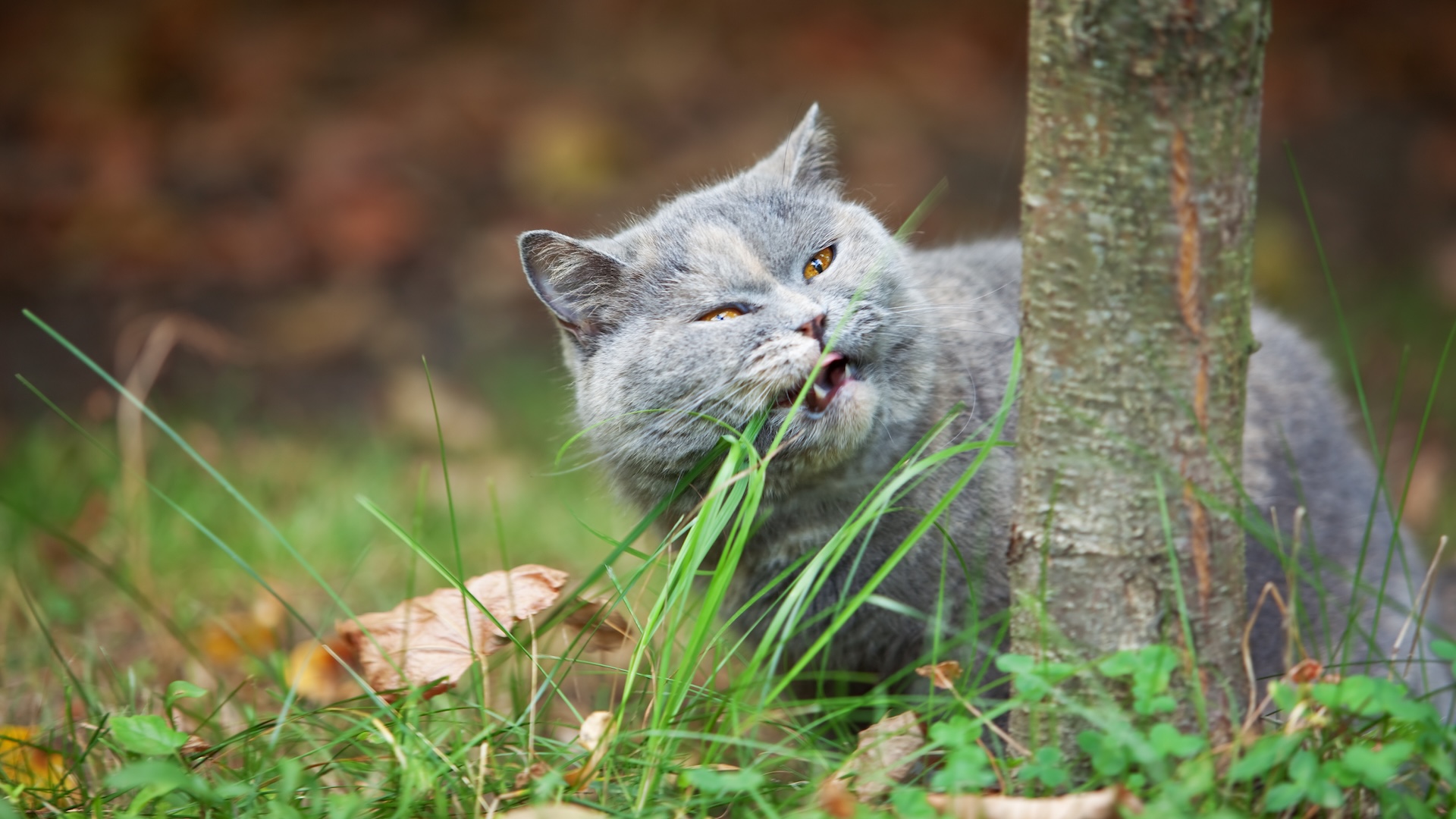
Chattering often mimics the sounds cats make when hunting prey. It’s like they’re practicing their attack, honing skills they’d use in the wild. This behavior shows your cat’s natural hunting instincts are still very much alive, even if the “prey” is just a toy.
Have you seen your cat’s eyes fixate intensely on a toy while making those quick, chattering noises? That’s their brain reacting as if the toy were real prey. It’s a blend of excitement and frustration, since they can’t actually catch the “prey” in play.
Communication Signals
Chattering can also serve as a communication tool among cats. It might signal alertness or an intention to hunt, even if no other cats are around. Your cat could be expressing anticipation or warning themselves to stay focused.
Sometimes, it’s a way for cats to express excitement or nervous energy. Think about how you might talk to yourself when preparing for a challenge—chattering is your cat’s version of that. Next time you hear it, consider what your cat might be “telling” itself or others.

Credit: moderncat.com
Chattering Vs. Other Cat Vocalizations
Chattering is one of the more puzzling sounds cats make, especially when directed at their toys or something outside a window. It’s quite different from the usual cat vocalizations you might be familiar with. Understanding how chattering compares to other sounds like meowing, purring, chirping, and trilling can help you better interpret what your cat is trying to communicate.
Meowing And Purring
Meowing is the classic cat sound you hear most often. Cats meow to get your attention, ask for food, or express discomfort. Unlike chattering, meowing is usually directed at humans rather than objects or prey.
Purring, on the other hand, is a soothing sound cats make when they are content or sometimes even when they are in pain. It’s a sign of comfort and calm, quite the opposite of the excitement or frustration behind chattering. Have you noticed your cat purring while resting in your lap? That’s a clear signal of trust and relaxation.
Chirping And Trilling
Chirping and trilling are playful, short bursts of sound cats use mostly to communicate with their kittens or other cats. These sounds are softer and often seem to invite interaction or signal curiosity.
Chattering shares some similarities with chirping but tends to be more intense and rapid. It often happens when a cat spots prey or a toy but can’t reach it. This makes chattering a unique vocalization tied to hunting instincts rather than social communication.
Next time your cat chatters at a toy, pay attention to their body language and the context. Are they excited, frustrated, or focused? Understanding these nuances can deepen your connection with your feline friend.
How Chattering Benefits Cats
Understanding how chattering benefits cats can change the way you interact with your feline friend. This unique behavior is not just a quirky habit; it plays an important role in their mental and physical well-being. Observing your cat chatter at their toys reveals more than just excitement—it shows their brain and body are actively engaged.
Mental Stimulation
Chattering acts like a mental workout for cats. It mimics the sounds they make while hunting, which triggers their natural instincts and keeps their brain sharp. When your cat chatters at a toy, they’re practicing focus and problem-solving skills.
Have you noticed how your cat’s eyes lock onto a moving toy? That intense focus helps improve their attention span over time. This behavior also reduces boredom, which can prevent destructive habits around your home.
Physical Exercise
Chattering often leads to movement—pouncing, swatting, and chasing. These small bursts of activity help keep your cat physically fit, especially for indoor cats who may not get enough exercise otherwise.
Encouraging this behavior with interactive toys gives your cat a chance to stretch their muscles and burn energy. This can improve their coordination and agility, making them healthier and happier in the long run.
Tips To Engage Cats With Toys
Cats chatter to their toys due to excitement or hunting instincts. This behavior mimics real hunting scenarios, engaging them mentally. Offering a variety of toys can stimulate these instincts, keeping your cat active and entertained.
Engaging cats with toys can be a delightful experience. Cats chatter to their toys due to excitement or hunting instincts. Providing the right toys can enhance their playtime. Below are tips to make play more enjoyable.Choosing The Right Toys
Select toys that mimic prey. Consider feathers, small balls, or plush mice. Interactive toys can stimulate your cat’s curiosity. Wand toys with strings are great for interaction. Choose different textures to keep them interested. Rotate toys to maintain novelty. Avoid toys with small parts that could be swallowed.Encouraging Playful Behavior
Create a playful environment. Dedicate time each day for play sessions. Use toys to simulate hunting scenarios. Reward your cat with treats after play. This reinforces positive behavior. Encourage your cat to chase, pounce, and capture. Use verbal cues to signal playtime. Keep sessions short to match your cat’s attention span.When To Be Concerned About Chattering
Not all chattering is harmless play behavior. Sometimes, your cat’s chattering could signal discomfort or stress. Knowing when to be concerned helps you protect your furry friend’s well-being.
Changes In Frequency Or Intensity
If your cat suddenly chatters much more often or loudly than usual, it could indicate frustration or anxiety. For example, a normally calm cat that chatters intensely at an empty window might be stressed by outdoor stimuli. Watch for this shift and observe what triggers it.
Signs Of Physical Discomfort
Chattering paired with pawing at the mouth, drooling, or rubbing the face might mean dental pain or irritation. Your cat might chatter at toys but avoid real prey or food. If this happens, a vet checkup is important to rule out tooth or gum issues.
Behavioral Changes Accompanying Chattering
Notice if your cat’s chattering coincides with sudden aggression, withdrawal, or changes in eating habits. These behaviors might indicate stress or health problems beyond simple play. For example, a cat that chatters but also hides more could be dealing with anxiety or illness.
Chattering Without A Clear Trigger
Sometimes cats chatter without an obvious reason or target. If your cat chatters frequently at nothing visible or tangible, it may signal neurological issues or cognitive changes. Consult your vet if this behavior becomes persistent or unusual for your cat.
What You Can Do
- Keep a diary of when and how often your cat chatters.
- Note any other unusual behaviors or physical symptoms.
- Provide a calm environment with plenty of enrichment.
- Schedule a veterinary visit if you notice worrying signs.
Your cat’s chattering is a form of communication. Are you paying close enough attention to what it might be telling you?
Credit: www.livescience.com
Frequently Asked Questions
Why Do Cats Chatter At Their Toys?
Cats chatter at toys because it mimics hunting behavior. The noise expresses excitement and frustration when they can’t catch prey. This instinctive action helps them practice skills for real hunting situations.
Is Chattering A Sign Of Cat Frustration?
Yes, chattering often shows mild frustration. Cats see the toy as prey but cannot catch it. This vocalization releases tension and stimulates their natural hunting instincts.
Do All Cats Chatter To Toys?
Most cats chatter, but not all do. It depends on their personality and hunting drive. Younger and more playful cats are likelier to chatter at toys.
Can Chattering Mean A Cat Is Stressed?
Chattering usually indicates excitement, not stress. However, excessive chattering might signal anxiety or overstimulation. Monitor your cat’s behavior to ensure it stays healthy and happy.
Conclusion
Cats chatter to their toys out of excitement and instinct. This behavior shows their hunting skills and natural curiosity. Toys often mimic real prey, which triggers this reaction. Watching your cat chatter can be both fun and interesting. It helps you understand your cat’s playful nature better.
Remember, this is a normal and healthy behavior for cats. Keep providing toys that inspire their hunting instincts. Your cat will stay happy and active this way. Chattering is just one way cats express themselves. It adds to their unique and charming personality.

Leave a Reply