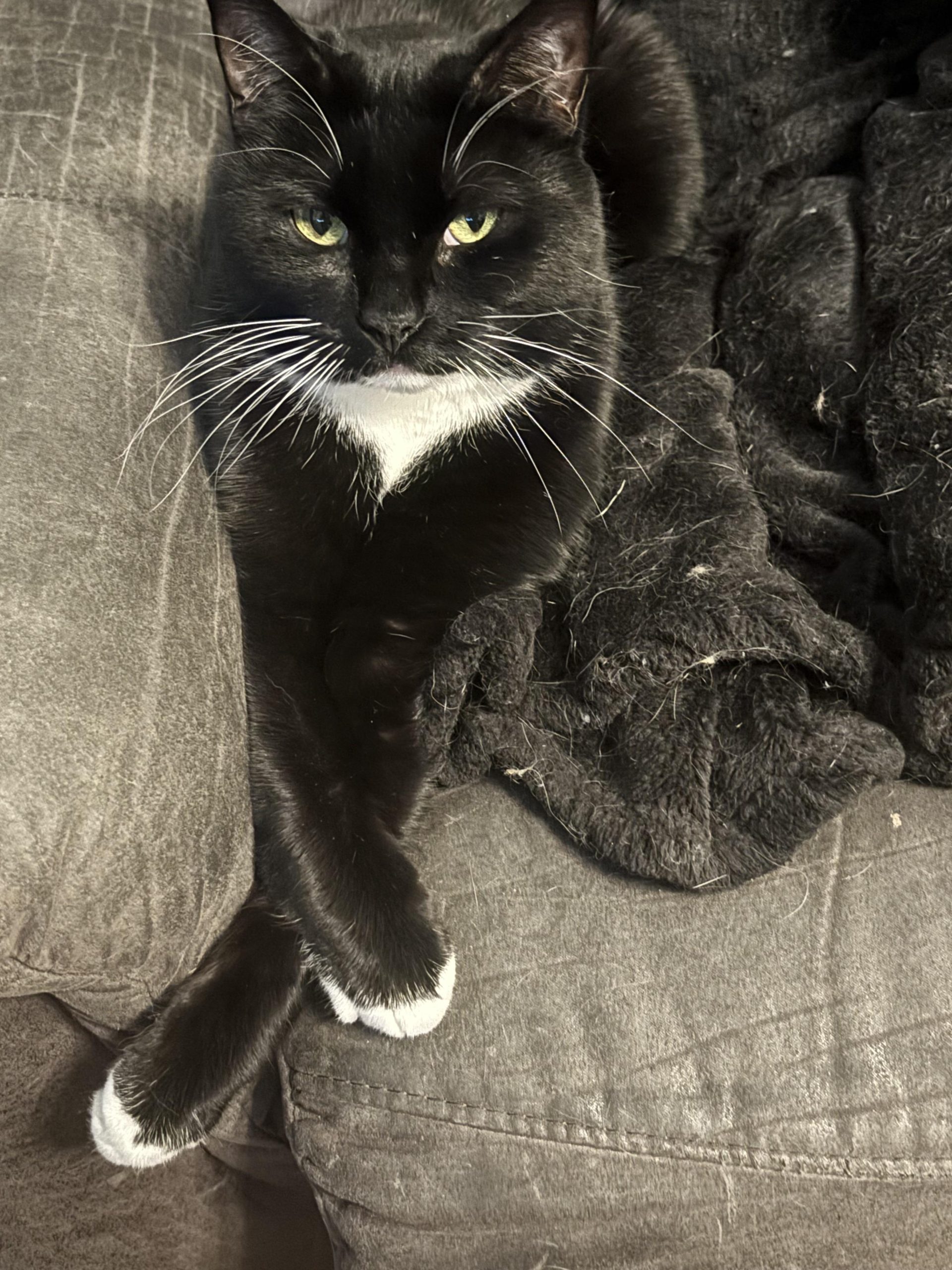
Have you ever noticed your cat biting you gently and then licking your skin right after? It might seem confusing or even a little strange.
Why would your furry friend switch from a nip to a lick so quickly? Understanding this behavior can help you connect better with your pet and make your time together more enjoyable. Keep reading, because uncovering the reason behind this quirky habit will change how you see your cat’s grooming rituals forever.
Cat Grooming Basics
Cats spend a large part of their day grooming. This keeps their fur clean and healthy. Grooming also helps cats feel calm and safe. Understanding how cats groom themselves helps explain their strange habits. One such habit is biting and licking during grooming.
Cat grooming is more than just cleaning. It is a natural behavior that supports their well-being. Let’s explore the basics of cat grooming and why biting plays a role.
How Cats Groom Themselves
Cats use their tongues to clean their fur. Their tongues have tiny, hook-like structures. These help remove dirt and loose hair. Cats lick in smooth, repeated motions.
They also use their teeth to nibble at tough spots. This helps remove mats or tangles in their fur. Grooming includes cleaning paws and rubbing their face. It spreads natural oils that keep their coat soft.
- Licking removes dirt and loose hair
- Biting helps untangle fur and remove mats
- Paw licking cleans paws and spreads oils
- Face rubbing spreads oils and keeps skin healthy
Role Of Biting In Grooming
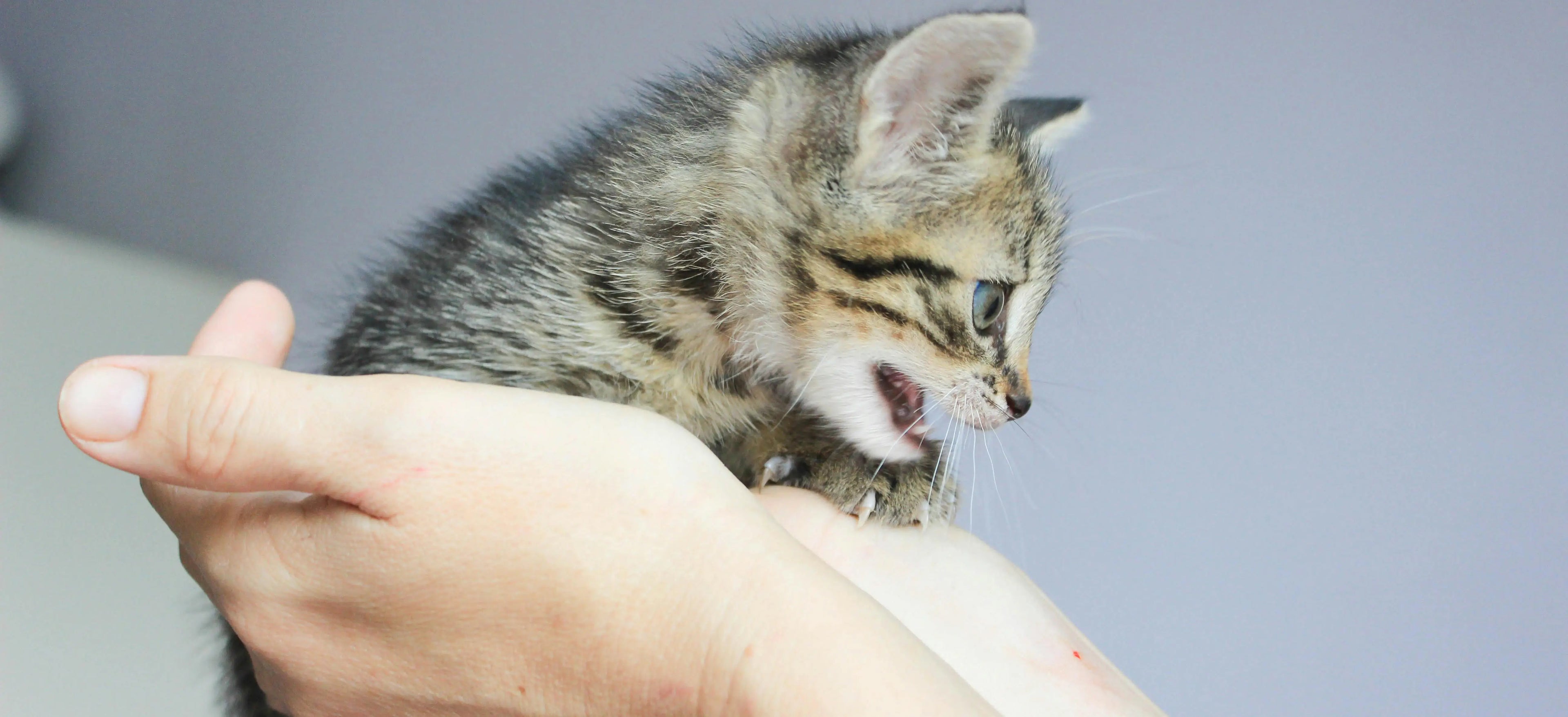
Biting is part of grooming, not aggression. Cats use gentle bites to break up knots. Hard biting could hurt, but cats usually control pressure. Biting helps reach places the tongue cannot clean well.
Some cats bite and then lick to soothe the skin. This combination helps keep their fur clean and smooth. It also prevents skin irritation from tight fur or dirt.
Mother cats bite and lick their kittens for cleaning. This teaches kittens how to groom themselves later. Biting and licking together show care and attention in cat behavior.

Credit: www.reddit.com
Reasons Behind Biting Then Licking
Cats often bite then lick during grooming, which might seem odd. This behavior has clear reasons linked to their instincts and social habits. Understanding these reasons helps owners connect better with their pets.
Affection And Bonding Signals
Biting gently followed by licking is a sign of love between cats. It shows trust and strengthens their bond. Cats groom each other to share comfort and care. When your cat does this to you, it means they see you as family.
Communication And Attention-seeking
Cats use biting and licking to send messages. A light bite can mean “pay attention” or “I need help.” Licking softens the message, showing no harm is meant. This mix helps cats express feelings without loud sounds.
Grooming Style And Preferences
Every cat grooms in a unique way. Some cats bite to remove dirt or loose fur. Licking follows to clean the area gently. This combination keeps their fur healthy and skin safe from irritation.
When Biting Indicates Discomfort
Cats often show mixed signals during grooming. Biting followed by licking can mean more than affection. Sometimes, biting signals discomfort or stress. Understanding this helps care for your cat better.
Skin Irritation Or Pain
Cats bite if their skin feels sore or itchy. This could be from fleas, allergies, or wounds. Biting at the irritated spot is their way to try relief. Licking then soothes the area and cleans the skin. Watch for redness, swelling, or bald patches. These signs show your cat may be in pain.
Overstimulation During Grooming
Sometimes, cats bite because grooming feels too intense. Their skin is sensitive and can get overwhelmed. Biting acts as a signal to stop or slow down. Licking after biting calms both the cat and owner. Pay attention to your cat’s body language. Twitching tail or flattened ears often mean overstimulation.

Credit: www.reddit.com
Social Grooming Among Cats
Cats bite gently to remove dirt or loose fur, then lick to clean and soothe the skin. This behavior also builds trust and strengthens bonds between cats. It’s a natural way for them to care for each other.
Social grooming, or allogrooming, is a fascinating behavior often observed among cats. It’s a combination of biting and licking that might seem puzzling at first. This behavior is far from random and serves as a crucial part of their social structure and communication.Mutual Grooming Behavior
Cats engage in mutual grooming to strengthen their bonds. When two cats groom each other, they’re not just cleaning; they’re exchanging scents and reinforcing their connection. This behavior is often seen among cats that share a close relationship, highlighting their comfort and trust in each other. Does your cat ever groom you, too? That’s a sign you’re part of their inner circle. Cats use this behavior to mark you with their scent, solidifying your place in their world.Building Trust And Hierarchy
Grooming isn’t just about bonding—it’s also about establishing and reinforcing social hierarchy. Dominant cats might groom subordinates as a display of status. In multi-cat households, you might notice one cat initiating grooming more frequently, subtly asserting their role. This hierarchy is fluid, though. Cats use grooming to negotiate and occasionally challenge their social standing. Have you ever noticed a cat stopping mid-groom to give a quick nip before resuming? This might be a gentle reminder of who’s in charge or simply part of their grooming process. Understanding these behaviors can deepen your relationship with your feline friend. By recognizing the nuances of grooming, you can better interpret their social cues and foster a more harmonious home environment.How Owners Should Respond
Understanding how to respond when a cat bites then licks during grooming helps build a strong bond. Owners can learn to read subtle signals. This knowledge prevents unwanted behavior and keeps interactions positive. Acting thoughtfully shows respect for the cat’s feelings.
Reading Cat’s Body Language
Watch the cat’s tail and ears carefully. A twitching tail or flattened ears may signal discomfort. Slow blinking means the cat feels relaxed. Pupil size can change with mood. Look for signs before petting or playing.
Notice if the cat pulls away or stiffens. These signs suggest the cat wants a break. Respecting body language reduces stress for both owner and pet.
Setting Boundaries During Play
Use toys instead of fingers to avoid accidental bites. Teach the cat that hands are not toys. Stop play immediately if the cat bites hard. Give the cat space to calm down. Consistency helps the cat learn what is allowed.
Reward gentle play with treats or praise. This encourages good behavior. Set clear limits on biting to prevent confusion.
Encouraging Positive Interaction
Spend quiet time petting the cat gently. Focus on spots the cat enjoys, like behind ears. Use soft voices to keep calm energy. Praise the cat for calm behavior with treats.
Offer regular grooming sessions with a brush. This mimics natural licking and builds trust. Positive experiences create a strong, loving bond.
Credit: tryfurgo.com
Frequently Asked Questions
Why Do Cats Bite Before Licking During Grooming?
Cats bite gently first to remove dirt or loose fur. This prepares the area for effective licking. Biting also stimulates blood flow, enhancing cleanliness and comfort.
Is Biting Then Licking A Sign Of Affection In Cats?
Yes, cats often bite then lick to show trust and affection. It mimics mutual grooming behavior seen in wild cats, strengthening social bonds.
Does Biting Then Licking Help Cats Clean Better?
Absolutely. Biting helps loosen debris and tangles. Licking then smooths the fur and distributes natural oils, keeping the coat healthy and shiny.
Can Biting Before Licking Mean A Cat Is Stressed?
Sometimes, yes. If the biting is hard or aggressive, it may signal stress or discomfort. Gentle bites followed by licking usually indicate normal grooming.
Conclusion
Cats bite and lick as part of their grooming routine. This shows care and trust between cats. Biting helps remove dirt and loose fur gently. Licking soothes their skin and spreads natural oils. This behavior also strengthens bonds with other cats or humans.
Understanding this helps us see their true feelings. Watching closely can reveal their mood and health. Enjoy these moments as part of your cat’s unique nature. Keep observing and learning to build a better connection. Their mix of biting and licking means love, not harm.

Leave a Reply