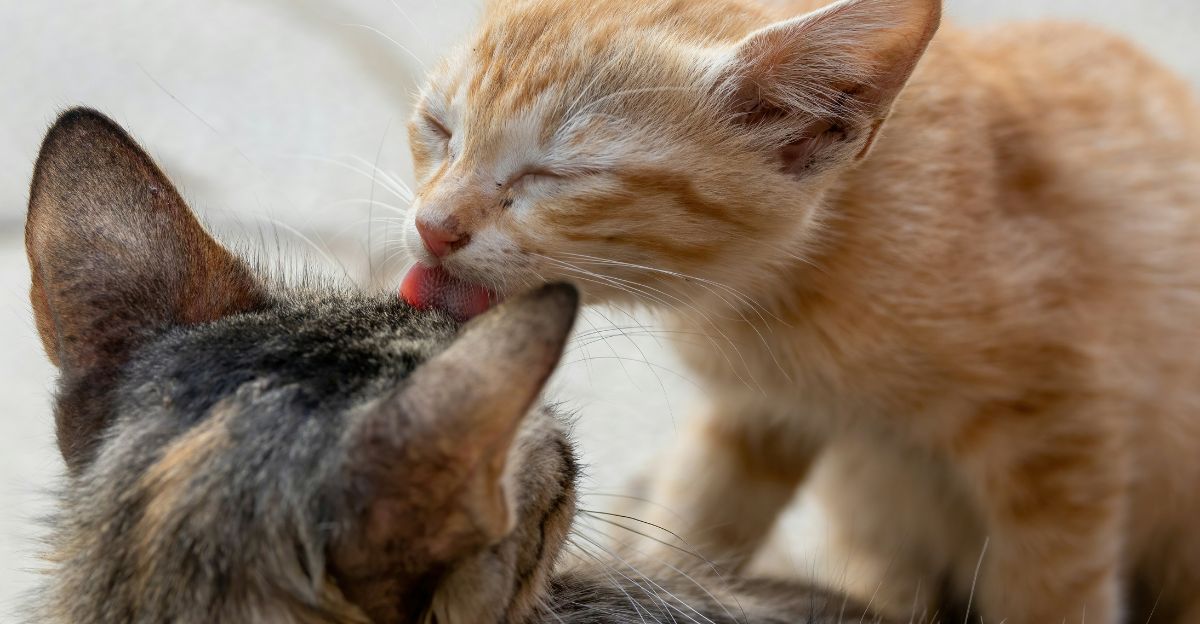
Have you ever watched your cats grooming each other, only to see one suddenly nip or bite the other? It might seem confusing or even a little worrying.
Why do cats bite each other when they are supposed to be showing affection? Understanding this behavior can help you read your cats better and strengthen their bond. Keep reading, and you’ll discover the surprising reasons behind this common feline habit—and how it affects your cats’ relationship.
Grooming Behavior In Cats
Cats spend a lot of time grooming themselves and each other. This behavior is natural and important. It helps keep their fur clean and healthy. Grooming also plays a key role in their social lives. Sometimes, during grooming, cats may bite each other. Understanding why this happens starts with knowing more about their grooming habits.
Purpose Of Grooming
Grooming helps cats remove dirt and loose fur. It prevents mats and tangles that can cause pain. Cats use their tongues to clean hard-to-reach places. Grooming also reduces stress and calms cats down. It keeps their skin healthy by spreading natural oils. This behavior is essential for their overall well-being.
Social Bonding Through Grooming
Cats groom each other to build trust and friendship. This action is called “allogrooming.” It shows they feel safe and comfortable together. Grooming strengthens their social bonds and reduces tension. Sometimes, a gentle bite is part of this process. It can signal playfulness or a reminder to stop. Biting during grooming is often a way cats communicate with each other.
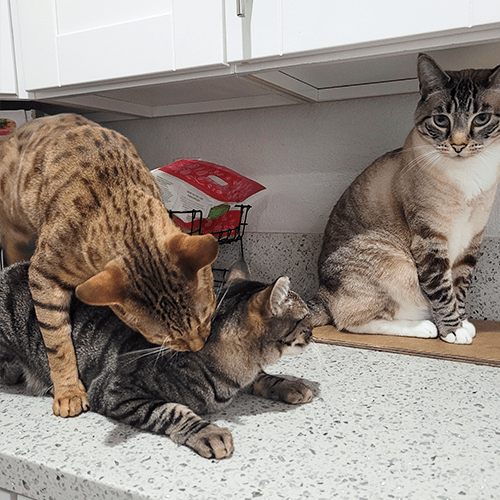
Credit: trapandreturn.com
Common Reasons For Biting
Cats often bite each other during grooming for several reasons. Understanding these reasons helps explain their behavior. Biting can be part of their natural communication and social interaction. It is not always a sign of aggression. Sometimes, it shows their comfort level or playful mood.
Overstimulation During Grooming
Grooming can sometimes cause overstimulation. Cats have sensitive skin and nerves. Too much licking or nibbling may feel uncomfortable. When a cat feels overwhelmed, it may bite to stop the grooming. This bite acts as a signal to take a break. It helps the cat avoid irritation or stress.
Communication And Boundaries
Biting is a way cats set boundaries. It tells the other cat how much grooming is okay. Cats use gentle bites to say “stop” or “that’s enough.” This helps maintain respect between cats. It also prevents fights by clearly showing limits. Biting becomes a silent conversation during grooming.
Playful Interaction
Sometimes, biting is part of play. Cats often mix grooming with playful bites. These bites are usually soft and brief. They show affection and fun rather than anger. Playful biting helps build strong bonds. It keeps their relationship lively and friendly.
Stress And Anxiety Factors
Cats may bite during grooming due to stress or anxiety. Tension between cats can cause sudden bites. Grooming can sometimes trigger these feelings, leading to quick reactions.
Cats biting each other during grooming can seem puzzling, especially when the activity appears to be a sign of affection. However, stress and anxiety can play significant roles in this behavior. Understanding these stress factors can help you create a more harmonious environment for your feline friends.Environmental Stressors
Cats are incredibly sensitive to changes in their environment. Even slight alterations, like moving furniture or introducing new scents, can trigger stress. If you notice your cats biting each other more often during grooming, consider whether any recent changes have occurred in your home. A personal experience might resonate: When I introduced a new rug to my living room, my cats seemed on edge. They started biting each other more during grooming sessions. It turned out the rug’s scent was unfamiliar and unsettling for them. You can mitigate these stressors by maintaining a consistent environment. Allow your cats to explore new items at their own pace. This approach can reduce anxiety and promote peaceful grooming sessions.Hierarchy And Dominance
Cats often establish a social hierarchy, and grooming can be a part of this dynamic. The dominant cat may bite as a way to assert its status. This behavior is not necessarily aggressive but rather a form of communication. Observe your cats closely. Is one cat always initiating the grooming? Does the same cat end the session with a bite? If so, it’s likely related to their social structure. To support a balanced hierarchy, ensure each cat has its own space and resources. This can help prevent tension and reduce the need for dominance displays during grooming.Resource Guarding
Resource guarding isn’t just a dog behavior; cats can exhibit it too. They may feel the need to protect their favorite spots, toys, or even you. This can lead to biting during grooming sessions as a defensive action. Imagine your cats vying for your attention while you work from home. One might bite the other during grooming, feeling the need to guard you as a resource. Provide plenty of toys and space to minimize competition. Offering multiple cozy spots can help each cat feel secure, reducing the need for resource guarding. Have you ever noticed your cats biting each other during grooming? Recognizing these stress and anxiety factors can transform these interactions. By addressing environmental stressors, understanding hierarchy dynamics, and minimizing resource guarding, you can create a more peaceful home for your furry companions.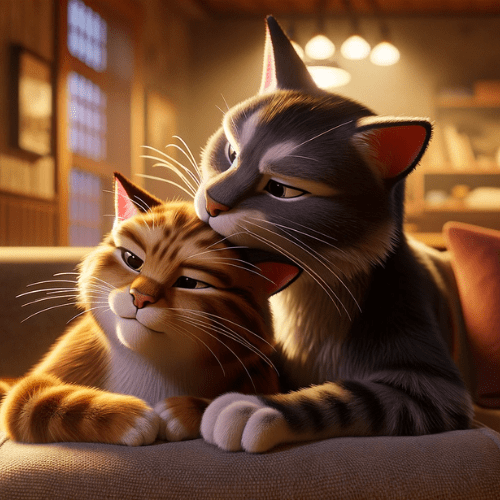
Credit: trapandreturn.com
Health Issues Influencing Behavior
Health problems often affect how cats behave during grooming. Pain or discomfort can cause a cat to bite its companion. Understanding these health issues helps explain this biting behavior. It also guides owners to provide better care.
Skin Irritations And Pain
Skin irritations make grooming uncomfortable for cats. They may bite to stop the other cat from touching a sore spot. Common causes include cuts, rashes, or dry skin. Pain from these irritations can make a cat more defensive. Biting becomes a way to protect sensitive areas.
Parasites And Allergies
Parasites like fleas or mites cause itching and pain. Cats try to remove them by grooming, but the itching often worsens. Allergies can also cause itchy, inflamed skin. This leads to frustration during grooming. Cats may bite to escape the discomfort or warn their partner to stop.
How To Manage And Prevent Biting
Managing and preventing biting during grooming sessions between cats requires understanding their behavior and creating the right environment. Biting is often a form of communication, so recognizing the early signs can help you intervene before it escalates. You can foster a peaceful relationship between your cats by applying a few practical strategies.
Recognizing Warning Signs
Pay close attention to body language before biting occurs. Look for twitching tails, flattened ears, or sudden staring. These signals often mean a cat is getting annoyed or overstimulated.
If you notice one cat suddenly stopping grooming or moving away, it might be time to step in. Ignoring these signs can lead to more aggressive bites. Have you ever seen your cats freeze or tense up just before a nip? That’s a clear warning.
Creating A Calm Environment
Stress can make cats more likely to bite during grooming. Make sure their space is quiet and comfortable. Avoid loud noises or sudden movements that could trigger tension.
Provide plenty of hiding spots and separate resting areas. This gives each cat a safe place to retreat if they feel overwhelmed. Think about how a calm room helps you relax—your cats feel the same way.
Proper Socialization Techniques
Introduce cats gradually if they are new to each other. Start with short, supervised grooming sessions and increase time slowly. Positive experiences build trust and reduce biting.
Encourage gentle play and reward calm behavior with treats. This teaches your cats that being gentle gets good results. Have you tried pairing grooming with tasty rewards? It often turns biting into a rare event.

Credit: www.reddit.com
When To Consult A Veterinarian Or Behaviorist
Knowing when to seek professional help for your cats’ biting during grooming can save their relationship and prevent serious harm. Not all biting is dangerous, but some behaviors signal deeper issues that need expert attention. Pay close attention to patterns and injuries to decide if it’s time to consult a veterinarian or a behaviorist.
Persistent Aggression
If the biting turns into constant fighting rather than occasional nips, it’s a red flag. Cats grooming each other should be a bonding activity, not a battleground. When you notice repeated aggressive biting, chasing, or growling, it’s time to ask yourself—are my cats stressed or anxious?
Persistent aggression can stem from underlying health problems or social tension. A behaviorist can help identify triggers and teach you ways to reduce stress and improve their interactions. Don’t wait for the situation to escalate; early intervention can prevent long-term damage to their relationship.
Physical Injuries From Biting
Watch closely for wounds or swelling caused by bites during grooming sessions. Even small punctures can lead to infections if not treated promptly. If your cat has open sores, limps, or shows signs of pain after grooming, a veterinarian’s visit is necessary.
Ignoring physical injuries might result in complications that affect your cat’s overall health. A vet can clean wounds, prescribe antibiotics, and check for underlying issues causing the aggressive behavior. Taking quick action protects your cat’s well-being and helps maintain peace between your feline friends.
Frequently Asked Questions
Why Do Cats Bite During Grooming Sessions?
Cats bite during grooming to communicate boundaries or discomfort. Biting helps them control the grooming intensity and signals when they want it to stop or slow down.
Is Biting A Sign Of Aggression In Grooming Cats?
Not always. Biting during grooming is often playful or a way to express mild irritation. It rarely indicates serious aggression unless accompanied by hissing or growling.
How Can I Stop Cats From Biting Each Other While Grooming?
Provide plenty of toys and distractions. Observe their body language and separate them if biting becomes aggressive. Reward calm, gentle grooming behavior to encourage positive interactions.
Do Cats Groom Each Other To Strengthen Bonds?
Yes, mutual grooming helps cats build trust and social bonds. It reduces stress and reinforces their relationship within the group or household.
Conclusion
Cats biting during grooming shows their unique way to connect. This behavior is normal and part of their social bond. They use gentle bites to clean hard spots or to play. Sometimes, biting signals boundaries or mild irritation. Watching their body language helps you understand their mood.
Respect their signals to keep peace between cats. This simple act strengthens their friendship and trust. Knowing why cats bite when grooming makes pet care easier. It also helps you enjoy their special moments together.

Leave a Reply