Have you ever watched adult cats carefully licking each other and wondered why they do it? It’s more than just keeping clean.
When your cats groom each other, they are sharing a special bond and sending important signals. Understanding this behavior can help you connect better with your pets and improve their happiness. Keep reading to discover the surprising reasons behind this fascinating cat habit and how it affects your furry friends’ world.
Social Bonding In Cats
Adult cats groom each other to build and maintain social bonds. This grooming, called allogrooming, helps cats feel safe and connected. It’s not just about cleaning. It is about trust and friendship. Cats use grooming to show care and reduce stress in their group. This behavior is common among cats living together or in close groups.
Strengthening Relationships
Grooming helps cats strengthen their relationships. When cats lick and clean each other, they share a sense of comfort. This act signals acceptance and friendship. It reduces tension and prevents fights. Grooming shows that cats trust each other. It keeps their bond strong and peaceful.
Family And Group Dynamics
In cat families, grooming supports group harmony. Mother cats groom their kittens to teach them good habits. Adult cats groom relatives and friends to keep the group united. This behavior helps cats recognize each other and feel part of a team. Grooming creates a peaceful environment where cats can live together calmly.
Hygiene And Health Benefits
Adult cats grooming each other is more than just a social activity; it plays a vital role in maintaining their hygiene and overall health. This mutual grooming helps them stay clean and healthy by addressing issues that might be hard for a cat to manage alone. Understanding these benefits can help you appreciate this behavior and recognize its importance in your cat’s life.
Removing Dirt And Parasites
When cats groom each other, they reach spots that are difficult to clean by themselves, such as the back of the neck and head. This helps remove dirt, debris, and even tiny parasites like fleas that might hide in their fur.
I once noticed my cat meticulously grooming her friend’s ears, a place I hadn’t thought to check. After a vet visit, it turned out that regular grooming helped keep those hard-to-reach areas free from irritation and pests.
Do you ever wonder if your cats’ grooming habits could be a natural defense against skin problems? Observing this behavior closely might give you clues about their health.
Skin And Coat Care
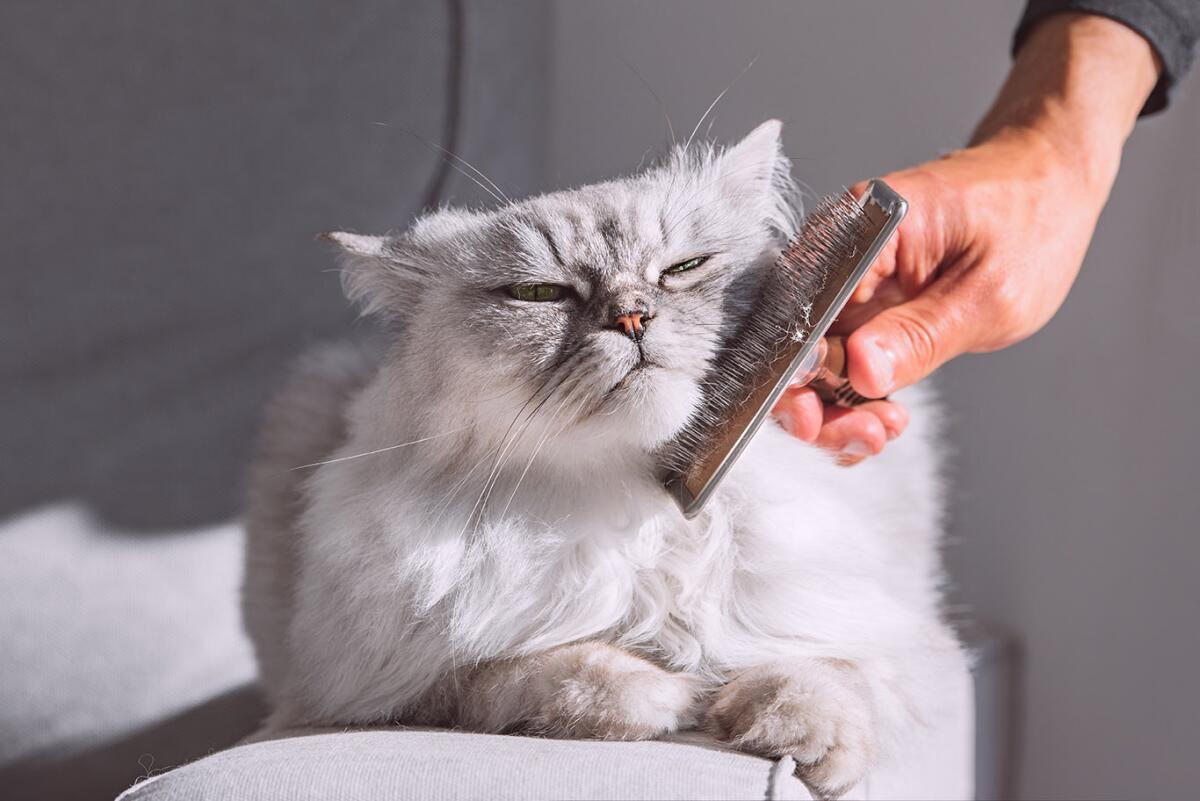
Mutual grooming stimulates the skin and distributes natural oils evenly across their fur. This helps keep their coat shiny, soft, and healthy-looking.
Besides improving appearance, it supports skin health by preventing dryness and irritation. If you notice your cat’s coat looking dull or patchy, it could mean they need more grooming, either from themselves or their feline friends.
Have you noticed how cats tend to focus on grooming each other when they’re calm and relaxed? This not only benefits their skin but also reduces stress, which is another factor in overall health.
Stress Relief And Comfort
Adult cats groom each other to find comfort and ease stress. This behavior helps them feel safe and calm. Grooming builds trust and shows affection between cats. It is a quiet way to share peace and reduce tension in their environment.
Soothing Effects
Grooming releases calming chemicals in a cat’s brain. These chemicals lower heart rate and ease muscle tension. Cats feel relaxed and peaceful after grooming sessions. The gentle touch of another cat’s tongue creates a soothing sensation. This helps cats stay calm in busy or noisy places.
Reducing Anxiety
Mutual grooming helps cats manage their anxiety. It creates a bond that makes cats feel protected. Cats who groom each other often stay calmer during stressful times. This behavior also reduces feelings of loneliness. Grooming offers emotional support without words.
Establishing Hierarchy
Adult cats grooming each other is more than a simple act of cleanliness. It plays a crucial role in establishing and reinforcing the social hierarchy within a group. Understanding this behavior helps you see how cats communicate power and submission without conflict.
Dominance And Submission Signals
Grooming can act as a clear signal of dominance or submission among cats. The cat initiating the grooming often holds a higher rank, while the one being groomed shows acceptance of that status. This mutual behavior helps avoid fights by making roles obvious.
Have you noticed which cat starts the grooming in your home? That cat is likely asserting its leadership quietly yet effectively. The submissive cat remains calm and allows grooming, showing respect and trust.
Maintaining Group Order
Regular grooming sessions help keep group order stable. It reduces tension and strengthens bonds between cats, making their social interactions smoother. Grooming acts like a social glue, reminding each cat of their place and reinforcing peaceful coexistence.
Think about your cats after a grooming session—they often seem more relaxed and less aggressive. This is no coincidence. Grooming helps them reset their relationships and avoid misunderstandings that could lead to conflicts.
Communication Through Grooming
Adult cats groom each other to build trust and strengthen social bonds. This behavior also helps them stay clean and calm. Grooming signals friendship and reduces tension within the group.
Adult cats have a unique way of communicating with each other that goes beyond meowing and purring. Grooming is one of the most profound forms of interaction they use. This seemingly simple act serves as a complex language of its own, conveying messages and building bonds without a single vocal sound.Nonverbal Messaging
Through grooming, cats send and receive a variety of nonverbal messages. This behavior can indicate affection, acceptance, or even dominance. For instance, when two cats groom each other, they’re often expressing a mutual bond. Have you ever noticed your cat grooming another, only to have the favor returned? This back-and-forth grooming is a silent conversation, a confirmation of their friendship. It’s as if they’re saying, “I trust you” and “We’re a team.”Reinforcing Trust
Grooming is a powerful way cats reinforce trust within their social group. When a cat allows another to groom it, it’s a sign of deep trust and acceptance. This vulnerability can strengthen their relationship and create a sense of security. Imagine watching your cats grooming each other and feeling the harmony between them. It’s a reminder of how trust is not just built through big gestures but through everyday interactions. Have you thought about how this applies to your own relationships? Small, everyday actions can also strengthen your bonds with others, much like cats grooming each other.Grooming And Play Behavior
Adult cats groom each other as part of their natural behavior that mixes grooming with play. This activity is more than just cleaning. It helps cats connect and communicate through gentle touch and movement. Grooming combined with play creates a relaxed and friendly environment. It reduces stress and builds trust among cats living together.
Bonding During Interaction
Grooming during play strengthens the bond between cats. It shows care and acceptance. Cats lick and nibble on each other’s fur, which feels soothing. This closeness helps them feel safe and loved. Grooming signals that they belong to the same group. Playful grooming makes their relationship stronger over time.
Encouraging Positive Socialization
Grooming mixed with play teaches cats good social skills. They learn how to be gentle and respectful. It helps them understand limits and body language. Cats that groom each other playfully are less likely to fight. This behavior encourages peaceful living in multi-cat homes. Positive socialization through grooming supports healthy cat friendships.
Frequently Asked Questions
Why Do Adult Cats Groom Each Other?
Adult cats groom each other to strengthen social bonds. It helps reduce stress and maintain group harmony. Grooming also removes dirt and loose fur, keeping their coats clean and healthy. This behavior shows trust and affection between cats.
Does Mutual Grooming Reduce Stress In Cats?
Yes, mutual grooming lowers stress by releasing calming hormones. It creates a sense of safety and comfort. Cats feel more relaxed when groomed by a trusted companion. This behavior helps maintain peaceful relationships in multi-cat households.
Can Grooming Indicate A Cat’s Social Status?
Yes, grooming often reflects social hierarchy among cats. Dominant cats typically groom subordinate ones to assert status. It also reinforces alliances and group cohesion. Grooming is a way to communicate and maintain social order within cat groups.
How Often Do Adult Cats Groom Each Other?
Adult cats groom each other multiple times daily. Frequency depends on their bond and environment. Strongly bonded cats groom more often to reinforce their connection. Grooming sessions usually last a few minutes but can vary.
Conclusion
Adult cats groom each other to build strong bonds and trust. This behavior helps them stay clean and healthy. It also reduces stress and keeps peace in their group. Grooming shows care and friendship between cats. Watching cats groom each other reveals their social world.
Understanding this helps us appreciate their natural habits more. It’s a simple act with deep meaning. Cats connect through touch and care. This small ritual keeps their relationships strong and happy.

Leave a Reply