Have you noticed your cat isn’t grooming like it used to? You might be wondering why your furry friend suddenly stops cleaning itself.
Grooming is more than just a habit for cats—it’s how they stay healthy and comfortable. When your cat stops grooming, it could be a sign of something serious. Understanding the reasons behind this change can help you protect your cat’s well-being.
Keep reading to discover the common causes and what you can do to help your beloved pet feel their best again.
Signs Of Grooming Changes
Noticing changes in your cat’s grooming habits can be a crucial clue to their health and well-being. Cats are naturally meticulous groomers, so any shift in this behavior deserves your attention. Recognizing these signs early can help you address potential problems before they escalate.
Normal Grooming Habits
Most cats spend a significant part of their day licking their fur to keep it clean and shiny. They usually groom themselves evenly, focusing on areas like the face, neck, and paws. If your cat is grooming less or missing patches, it’s a clear signal something might be wrong.
Healthy cats also tend to have soft, untangled fur with no foul smell. You might notice your cat cleaning after meals or naps, which is normal. When you see consistent grooming, it means your cat is feeling well both physically and mentally.
Behavioral Shifts To Watch
Sudden drops in grooming can mean pain, stress, or illness. For instance, arthritis might make it hard for your cat to reach certain spots. Stressful changes like a new pet or moving house can also cause your cat to stop grooming properly.
Look for signs like patchy fur, dandruff, or a greasy coat. Excessive licking or biting in one spot is another red flag that might indicate skin irritation or allergies. Have you noticed your cat avoiding certain areas or appearing restless? These are important hints that require a vet check.
:strip_icc()/the-kitty-1011094438-5c3d1af5c9e77c00015e66a6.jpg)
Credit: www.thesprucepets.com
Health Issues Affecting Grooming
Cats may stop grooming due to several health issues. Grooming is vital for their cleanliness and comfort. When health problems arise, grooming habits often change. Understanding these health issues helps in caring for your cat better.
Skin Conditions
Skin problems cause discomfort and pain for cats. Conditions like allergies, infections, or parasites irritate their skin. Cats with itchy or sore skin may avoid grooming. This leads to matted fur and skin infections. Early treatment of skin issues can restore grooming habits.
Dental Problems
Dental pain affects a cat’s grooming routine. Tooth decay, gum disease, or mouth sores make grooming difficult. Cats may avoid cleaning their face due to mouth pain. Poor dental health can also cause bad breath and weight loss. Regular dental care supports healthy grooming behavior.
Arthritis And Mobility
Arthritis limits a cat’s movement and flexibility. Joint pain makes reaching certain areas hard. Cats with arthritis often neglect grooming on painful spots. Stiffness and swelling reduce their ability to clean themselves. Managing arthritis helps cats maintain their grooming habits.
Emotional And Psychological Factors
Cats are known for their meticulous grooming habits. When they stop grooming, it raises concerns. Emotional and psychological factors can impact a cat’s grooming behavior. Understanding these can help address the issue.
Stress And Anxiety
Stress affects a cat’s daily routine. Loud noises, new pets, or changes in environment can trigger stress. A stressed cat may stop grooming. It is their way of coping with overwhelming situations.
Observe your cat’s environment. Identify potential stressors. Create a calm and stable space for them. Regular playtime and affection can reduce anxiety. This helps them feel secure and resume grooming.
Depression In Cats
Cats can experience depression. Loss of a companion or lack of stimulation can lead to it. Depressed cats often lose interest in grooming.
Recognize signs of depression. Look for changes in behavior or appetite. Engage your cat with toys and interactive activities. Offer companionship and attention. This can lift their mood and encourage grooming.

Credit: pennypaws.com
Environmental Triggers
Cats are sensitive to their surroundings. Changes in their environment can affect their grooming habits. Stress or discomfort often causes cats to stop grooming. Understanding these triggers helps keep cats healthy and happy.
Changes At Home
Moving to a new house can unsettle a cat. New smells and sights create confusion. Renovations or loud noises can cause stress. These changes distract cats from their normal grooming. A disrupted routine may make cats feel insecure.
Even small shifts like furniture rearrangement matter. Cats use familiar spots to feel safe. When these spots change, cats may groom less. Patience and calm help cats adjust over time.
New Pets Or People
Introducing a new pet can cause tension. Cats may feel threatened or shy. This stress often leads to less grooming. New people in the home can also affect cats. Strangers bring unfamiliar scents and sounds.
Some cats hide or freeze instead of grooming. They need time to accept new companions. Gentle introductions reduce stress and improve grooming habits.
Age-related Grooming Decline
As cats grow older, their grooming habits often change. Age-related grooming decline happens when your senior cat no longer cleans itself as thoroughly or as often as before. This shift can signal underlying challenges that affect your cat’s comfort and health.
Senior Cat Challenges
Older cats may face physical difficulties like arthritis, making it painful to reach certain spots. You might notice matted fur or greasy patches because they avoid grooming those areas.
Dental problems can also reduce grooming since cats use their teeth to remove dirt and loose fur. Cognitive decline might make your cat forget or lose interest in grooming altogether.
Have you seen your cat struggling to clean behind the ears or under the legs? These small signs can reveal big issues that need attention.
Adjusting Care For Older Cats
You can help your cat stay clean by brushing their fur regularly, especially in hard-to-reach places. Use gentle brushes and spend a few minutes each day to keep their coat healthy.
Bathing your cat occasionally can also support hygiene, but only if they tolerate it well. If your cat resists, try wiping them gently with pet-safe wipes.
Consider consulting your vet to address pain or dental problems that interfere with grooming. Managing these health issues can improve your cat’s willingness and ability to groom.
What small change can you make today to help your senior cat feel more comfortable and cared for?
When To Seek Veterinary Help
Noticing your cat has stopped grooming can be worrying. Sometimes, this behavior points to a minor issue, but other times it signals something more serious. Knowing when to seek veterinary help is crucial to catch problems early and keep your cat healthy.
Critical Warning Signs
Watch closely for these red flags that mean it’s time to see a vet immediately:
- Sudden weight lossor a noticeable change in appetite.
- Visible wounds, swelling, or signs of pain when touched.
- Excessive lethargyor hiding more than usual.
- Skin infectionslike redness, scabs, or hair loss.
- Changes in bathroom habitssuch as difficulty urinating or diarrhea.
If your cat shows any of these symptoms alongside a lack of grooming, don’t wait to get professional advice. These signs often point to infections, injury, or illness requiring prompt treatment.
Preparing For The Vet Visit
Getting ready for your vet appointment can ease stress for both you and your cat. Start by noting exactly when you first noticed the grooming change and any other behaviors you’ve observed.
Bring a list of questions and any changes in diet, environment, or routine. This helps the vet understand the full picture quickly.
Also, try to keep your cat calm and comfortable during the trip. Use a secure carrier and consider familiar blankets or toys. A relaxed cat will make the exam smoother and the diagnosis more accurate.
Supporting Your Cat’s Grooming
Supporting your cat’s grooming is essential for their health and happiness. Cats may stop grooming due to age, illness, or stress. Helping them maintain clean fur prevents skin problems and keeps them comfortable. Gentle care and patience build trust and encourage regular grooming habits.
Grooming Tools And Techniques
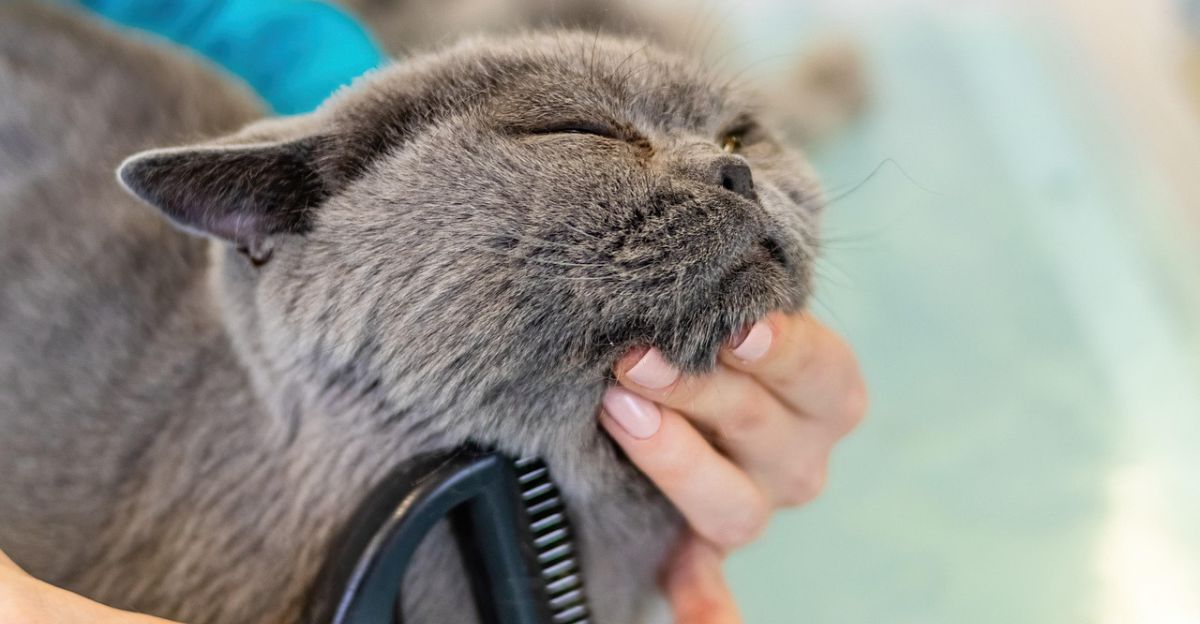
Choose the right tools for your cat’s fur type. Soft brushes work well for short hair. Slicker brushes remove loose fur from long hair. Use a comb to gently detangle mats. Regular brushing reduces hairballs and shedding.
- Brush in the direction of fur growth
- Start with short sessions, then increase time
- Use treats to create positive experiences
- Check for skin issues during grooming
Creating A Comfortable Environment
Make grooming a calm and safe experience. Find a quiet spot with good lighting. Use a soft towel or mat for your cat to sit on. Speak softly and move slowly to avoid startling them. Consistency helps cats feel secure during grooming.
- Groom at the same time daily
- Avoid loud noises or distractions
- Keep grooming tools clean and within reach
- Give breaks if your cat seems stressed
Credit: tryfurgo.com
Frequently Asked Questions
Why Do Cats Suddenly Stop Grooming Themselves?
Cats may stop grooming due to illness, pain, stress, or aging. Grooming requires energy, and discomfort can reduce this behavior.
Can Health Problems Cause Cats To Stop Grooming?
Yes, conditions like arthritis, dental issues, or skin infections can make grooming painful or difficult for cats.
How Does Stress Affect A Cat’s Grooming Habits?
Stress can lead to decreased grooming or over-grooming. Changes in environment or routine often trigger these behaviors.
When Should I See A Vet If My Cat Stops Grooming?
If your cat stops grooming for more than a day or shows other symptoms, consult a vet promptly.
Conclusion
Cats stop grooming for many reasons, like illness or stress. Watch your cat’s behavior closely. Notice changes in eating, movement, or mood. Regular grooming keeps cats healthy and clean. Help your cat by visiting a vet if grooming stops. Small changes can mean big health problems.
Caring early can make a big difference. Remember, your cat depends on you. Stay patient and kind while helping your furry friend. Keep learning about your cat’s needs every day.


Leave a Reply