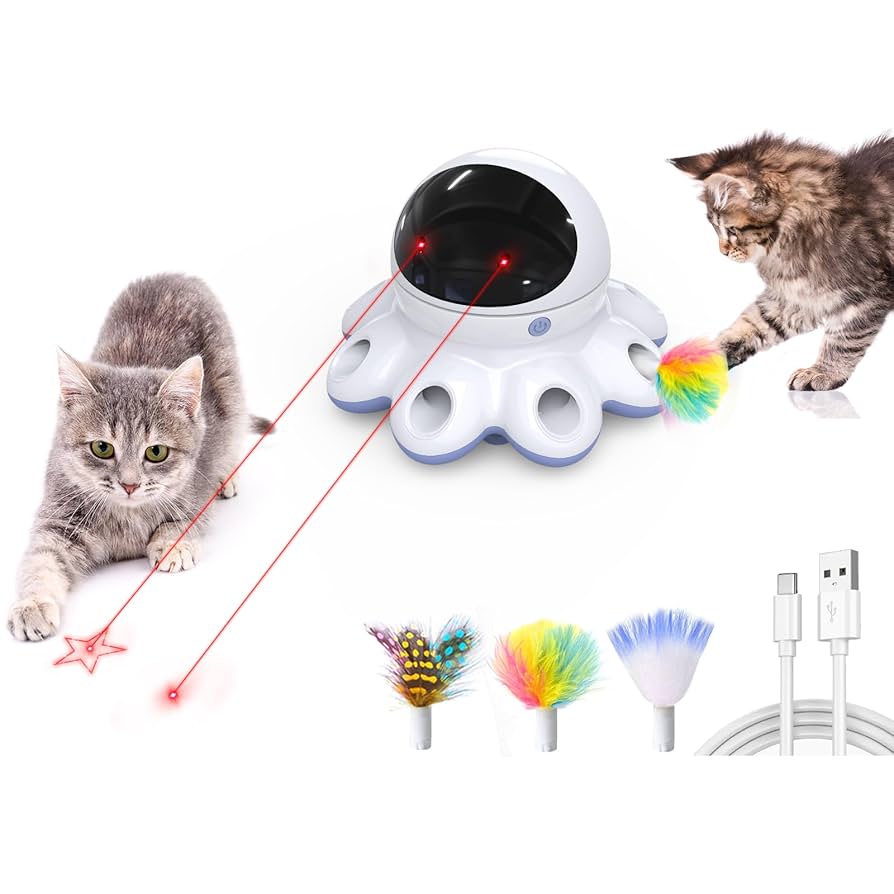
If you love playing with your cat using a laser toy, you might wonder: can those little red dots actually harm your furry friend’s eyes? You want your pet to have fun, but the last thing you want is to cause any damage.
Understanding the risks behind cat toy lasers is important for your cat’s safety and your peace of mind. Keep reading to discover what you need to know to protect your cat while still enjoying playtime together.
How Cat Toy Lasers Work
Cat toy lasers are a popular way to keep your feline friend active and entertained. They work by emitting a focused beam of light that cats instinctively chase. Understanding how these lasers function can help you use them safely and effectively, minimizing any risk to your cat’s eyes.
Types Of Lasers In Cat Toys
Most cat toy lasers use low-powered diode lasers. These are designed specifically for entertainment and are generally safe when used correctly. You’ll commonly find red and green lasers, with red being the most popular because cats are more attracted to its wavelength.
Some toys use LED lights that mimic laser movement but are less intense. These are even safer for your cat’s eyes but don’t offer the same precise beam that a laser provides. Knowing the type of laser your toy uses can help you decide how to play with your cat safely.
Laser Intensity Levels
Laser intensity in cat toys is measured in milliwatts (mW). Most cat toy lasers have an output of less than 5 mW, which is considered low power and generally safe. However, higher intensity lasers, even if marketed for pets, can cause eye damage if pointed directly into a cat’s or human’s eyes.
Always check the packaging for the laser’s power rating. If you’re unsure, avoid shining the laser beam directly into your cat’s eyes. Instead, aim it at the floor or walls where your cat can chase the light without risk.
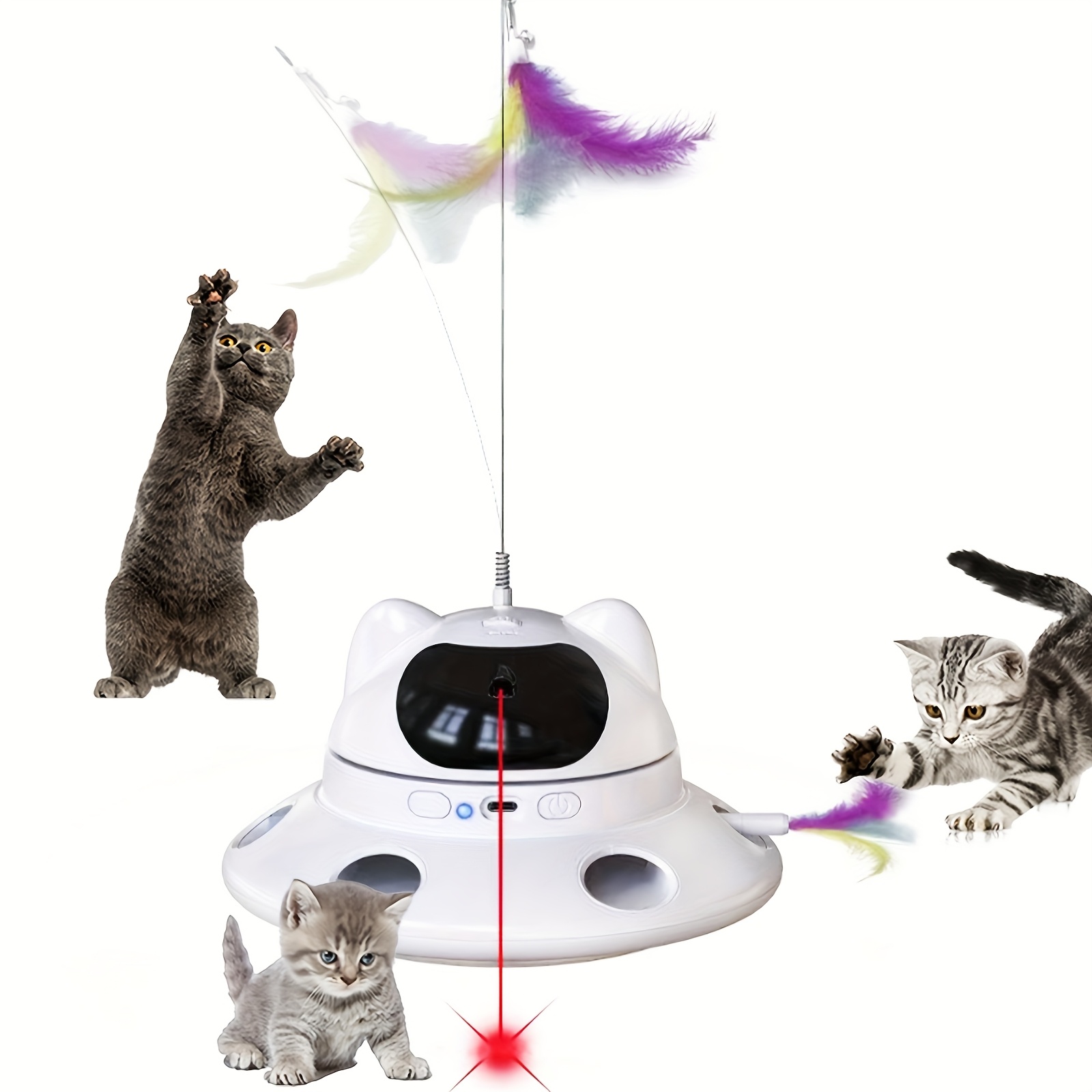
Credit: www.temu.com
Eye Anatomy And Laser Exposure
The eye is a delicate organ with complex parts. Understanding how laser light affects it helps us know the risks of cat toy lasers. Small, bright lights can cause harm to sensitive eye areas. Knowing the eye’s structure shows why caution matters when using laser toys around pets and people.
Sensitive Parts Of The Eye
The eye has several parts sensitive to light damage:
- Cornea:The clear outer layer that protects the eye.
- Pupil:The opening that controls light entry.
- Retina:The layer at the back that senses light and sends images to the brain.
- Macula:The small central part of the retina that allows sharp, detailed vision.
The retina and macula are especially vulnerable to bright light. High-intensity lasers can burn or scar these areas. Even brief exposure to strong laser beams can cause damage.
Effects Of Light On Vision
Bright light impacts vision in several ways:
- Temporary spots or flashes in vision after exposure.
- Eye strain and discomfort from prolonged light exposure.
- Permanent damage if the laser beam is too strong or focused on the eye.
- Loss of sharpness in vision if the macula is harmed.
Cat toy lasers are usually low power but still can cause harm if shone directly into the eyes. Avoid pointing lasers at any eyes to prevent injury.
Potential Risks Of Laser Exposure
Playing with laser toys can be a delightful experience for your feline friend, but have you ever stopped to consider the potential risks of laser exposure? While these beams can be a source of endless fun and exercise, they can also pose risks to your cat’s eyes—and possibly yours. Understanding these risks can help you make safer choices for playtime.
Short-term Eye Irritation
Even brief exposure to a laser beam can cause short-term eye irritation. You might notice your cat blinking more than usual or avoiding light. This is a sign that their eyes are uncomfortable.
Think of it like how you feel after staring at a bright screen for too long. It’s not pleasant, right? If your cat shows these signs, it might be time to switch up your play methods.
Long-term Eye Damage Possibilities
Continuous exposure to laser toys can potentially lead to long-term eye damage. The retina, which is crucial for vision, can be affected by repeated exposure. Once damaged, this delicate tissue does not heal well.
Consider if the risk is worth the entertainment. Could you imagine how devastating it would be if your cat lost vision due to a toy? You might want to rethink how often you use the laser pointer.
By being aware of these risks, you can make more informed decisions about your pet’s playtime. Are you prioritizing their safety as much as their fun? Balancing both is key to a happy, healthy cat.

Credit: www.amazon.com
Research On Cat Toy Laser Safety
Understanding the safety of cat toy lasers is crucial before you let your feline friend chase those elusive red dots. Research on cat toy laser safety sheds light on whether these playful gadgets can cause harm, especially to your cat’s eyes. Let’s look at what scientific studies and expert opinions reveal about these popular toys.
Scientific Studies And Findings
Several studies have examined the impact of laser pointers on animal eyes. Research shows that low-powered laser toys, typically under 5 milliwatts, pose minimal risk when used properly. However, direct and prolonged exposure to the laser beam can potentially cause retinal damage.
A study published in the Journal of Veterinary Ophthalmologyfound that accidental exposure to high-intensity lasers can lead to temporary or permanent eye injuries in animals. But these cases are rare and usually involve misuse, like shining the laser directly into the eye for extended periods.
Have you ever noticed your cat suddenly blinking or avoiding the laser beam? These natural reactions might be their way of protecting their eyes from harm. This suggests that your cat’s instincts can help reduce the risk when the toy is used correctly.
Expert Opinions
Veterinarians and animal behaviorists generally agree that cat toy lasers are safe if used responsibly. They emphasize avoiding direct eye contact and limiting playtime to prevent overstimulation or frustration in cats.
Dr. Lisa Freeman, a veterinary nutritionist and cat behavior expert, advises, “Always move the laser pointer in ways that encourage your cat to chase and pounce on actual toys or treats afterward. This helps satisfy their hunting instincts and reduces frustration.”
Experts also warn against using laser toys as the sole form of play. Combining them with physical toys ensures your cat gets a balanced mix of exercise and mental stimulation without risking eye damage.
Safe Use Tips For Laser Cat Toys
Laser cat toys provide fun and exercise but require safe use. Proper care ensures your cat enjoys playtime without eye risks. Follow these tips for safe laser toy use.
Avoiding Direct Eye Exposure
Never shine the laser directly into your cat’s eyes. The light can cause discomfort or damage. Keep the beam aimed at the floor or walls instead. This protects your cat’s vision while encouraging active play.
Also, avoid pointing the laser at your own eyes or others’. Protecting all eyes from direct exposure is important during play sessions.
Recommended Playtime Limits
Limit laser play sessions to short periods, about 5 to 10 minutes. This prevents overstimulation and frustration in cats. Prolonged chasing without a tangible toy can confuse or stress them.
Break up playtime with physical toys your cat can catch. This helps satisfy hunting instincts and offers safe interaction. Use laser toys as a fun addition, not the only form of play.
Alternatives To Laser Cat Toys
If you’re concerned about the potential eye damage from laser cat toys, there are plenty of safe and engaging alternatives to keep your feline friend entertained. These options not only protect your cat’s eyesight but also offer meaningful interaction and exercise.
Interactive Toys Without Lasers
Interactive toys that don’t rely on lasers can be just as exciting for your cat. Feather wands, motorized mice, and puzzle feeders stimulate your cat’s natural hunting instincts without any risk to their eyes.
These toys encourage physical activity and mental engagement. For example, a feather wand lets you control the play, making it interactive and bonding time for you and your cat. Motorized toys mimic prey movements, keeping your cat curious and active for longer periods.
Have you tried a puzzle feeder yet? It challenges your cat to solve problems to get treats, which sharpens their mind and provides a rewarding experience.
Diy Play Ideas
You don’t need to spend a lot on toys to keep your cat happy. Simple household items can turn into exciting playthings with a bit of creativity.
- Cardboard boxes:Cats love hiding and pouncing in boxes. Try cutting holes to make tunnels or dens.
- Paper balls:Crumple paper into small balls for your cat to bat around. It’s lightweight and easy to replace.
- String or yarn:Drag a piece of string across the floor to simulate prey movement—but always supervise to avoid swallowing.
I once noticed my cat preferred chasing a simple bottle cap over a fancy toy. It shows that sometimes, the simplest things grab their attention better than expensive gadgets. What everyday items could you use to spark your cat’s curiosity today?

Credit: www.amazon.ca
Frequently Asked Questions
Can Cat Toy Lasers Harm My Cat’s Eyes?
Cat toy lasers emit low-powered light, which is generally safe for cats. However, direct and prolonged eye exposure can cause temporary discomfort or damage. Always avoid shining the laser directly into your cat’s eyes to prevent any potential harm.
Are Laser Pointers Safe For Cats To Play With?
Laser pointers are safe for cats if used responsibly. Do not shine the laser directly into their eyes. Limit playtime to avoid frustration and provide a physical toy to catch for satisfaction.
How To Prevent Eye Damage From Cat Toy Lasers?
Avoid pointing the laser directly into your cat’s or your eyes. Use the laser on the floor or walls instead. Supervise play sessions and limit the duration to keep your cat safe.
What Symptoms Indicate Laser Eye Damage In Cats?
Symptoms include squinting, excessive blinking, eye redness, or visible discomfort. If your cat shows these signs after laser play, consult a veterinarian promptly for examination and treatment.
Conclusion
Cat toy lasers can be safe if used with care. Avoid shining the light directly into eyes. Always watch your cat and stop play if needed. Small, quick sessions keep both pets and people safe. Use toys that meet safety standards for pets.
Bright lights can hurt eyes, so be cautious. Playtime should be fun, not risky. Remember, safety first keeps your cat happy and healthy. Choose safe toys and enjoy many joyful moments together.



Leave a Reply