Have you ever noticed your cats suddenly stop grooming each other? It can be confusing and even a little worrying.
Grooming is a key way cats show affection and build trust. When this behavior changes, it might mean something important is going on beneath the surface. Understanding why your cats stop grooming each other can help you keep their bond strong and their health in check.
Keep reading to discover the surprising reasons behind this change and what you can do about it.
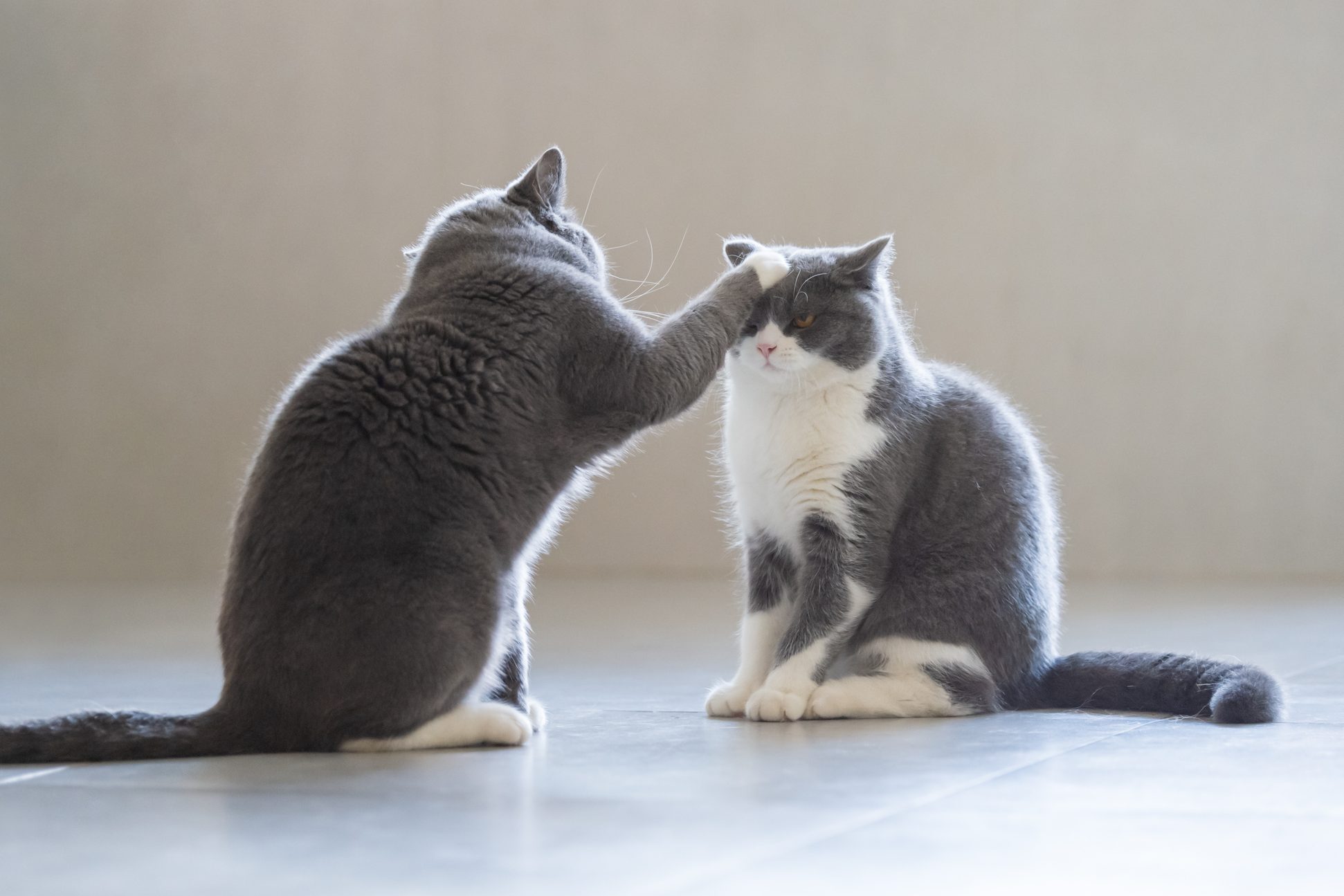
Credit: www.rd.com
Social Grooming In Cats
Social grooming in cats is more than just keeping clean. It’s a key part of how cats communicate and build relationships with each other. When cats groom one another, they are sharing trust and comfort, creating bonds that go beyond simple hygiene.
Role Of Mutual Grooming
Mutual grooming happens when cats lick and clean each other’s fur. This behavior helps reduce stress and signals friendship between cats. If you notice your cats stopping this habit, it might mean their relationship is changing.
Think about your own cats: have you seen them groom each other after a play session? That’s their way of saying “you’re part of my group.” When grooming stops, it could indicate tension or discomfort.
Benefits For Cat Bonds
Grooming strengthens bonds by releasing calming chemicals in the brain. This helps cats feel safe and connected. It also lowers aggression and encourages peaceful living together.
When cats stop grooming each other, you might wonder if something is wrong. Could it be a new cat in the house, illness, or stress? Watching these changes can help you understand your cats’ social needs better.
Changes In Group Dynamics
Cats are social creatures with complex group dynamics. Grooming is a bonding activity for them. It strengthens their social bonds and maintains group harmony. But sometimes, these dynamics change, affecting grooming habits. Understanding these changes can help improve the relationship between your feline friends.
Introduction Of New Cats
Adding a new cat can disrupt the existing harmony. Cats rely on familiar scents and routines. A new cat introduces unfamiliar smells and behaviors. This can lead to stress and tension among the group. Cats may stop grooming each other as they adjust to the newcomer. It takes time for all cats to accept the new member. Providing separate spaces can ease this transition.
Shifts In Social Hierarchy
Social hierarchy plays a big role in group grooming. Cats have a pecking order, often subtle but significant. Changes in this hierarchy can affect grooming habits. If a dominant cat loses its status, it might stop grooming others. Similarly, a cat gaining dominance may change its behavior. Observing your cats’ interactions can provide insights. Respecting their social structure helps maintain peace.
Health And Physical Issues
Health and physical problems can cause your cats to stop grooming each other. When a cat feels unwell or experiences discomfort, it often changes its behavior, including social grooming habits. Understanding these issues can help you spot when your cat needs medical attention or extra care.
Dental Problems
Dental pain can make grooming uncomfortable or even impossible for a cat. If your cat has swollen gums, broken teeth, or infections, it may avoid grooming itself and others. Have you noticed your cat dropping food or avoiding treats? These signs could point to dental issues affecting their grooming behavior.
When cats stop grooming each other, it might be because one cat’s mouth hurts too much to lick gently. You can help by scheduling a vet checkup to address any dental pain early. This not only improves grooming but also overall wellbeing.
Skin Conditions
Skin problems like allergies, parasites, or infections can cause cats to stop grooming each other. If one cat has irritated skin, the other might avoid grooming to prevent spreading discomfort or triggering a defensive reaction.
Have you seen redness, bald spots, or excessive scratching? These signs often indicate skin conditions. Treating these issues promptly can encourage your cats to return to their usual grooming habits.
Pain Or Injury
Physical pain or injury is a common reason cats stop grooming their companions. A cat with arthritis, muscle strain, or a wound may find grooming too painful or difficult. Sometimes, even subtle injuries can change how cats interact with each other.
If your cat suddenly stops grooming a buddy, check for limping, swelling, or sensitivity to touch. Helping your cat recover with rest or veterinary care can restore their social grooming and strengthen their bond again.
Stress And Environmental Factors
Cats often stop grooming each other due to stress and changes in their environment. Stress affects their mood and behavior deeply. A calm and stable environment helps cats feel safe and connected. When stress grows, cats may pull away from grooming habits they once shared.
Household Changes
Moving to a new home can unsettle cats greatly. New smells, sights, and sounds confuse them. Adding a new pet or family member can also disturb their routine. These changes can cause anxiety and reduce social grooming. Cats need time to adjust and feel secure again.
Presence Of Stressors
Common stressors include conflicts with other pets or humans. Illness or pain can also make cats less social. Stress can make cats feel vulnerable and defensive. They may stop grooming to avoid close contact. Removing or reducing stressors helps restore their grooming behavior.
Impact Of Noise And Space
Loud noises like construction or parties frighten cats. Crowded living spaces create tension among pets. Cats need quiet and personal space to relax. Without this, they may avoid grooming each other. Creating calm, quiet areas encourages cats to reconnect and groom.
Age And Behavioral Shifts
Cats groom each other as a sign of friendship and trust. Over time, their grooming habits can change. Age and shifts in behavior play a big role in this change.
As cats grow older, their needs and actions evolve. These changes affect how often they groom one another. Understanding these shifts helps explain why some cats stop mutual grooming.
Maturity And Independence
Young cats often groom each other to build bonds. As cats mature, they seek more independence. Grooming less is a sign they want to be on their own.
Mature cats may prefer self-grooming. Their focus shifts to personal care and comfort. This independence reduces the need for shared grooming.
Decline In Social Interaction
Older cats may reduce social activities, including grooming. They might spend more time resting or alone. This decline lowers their chances to groom each other.
Behavior changes due to age or health can affect social bonds. Less interaction means fewer grooming sessions. The bond stays but looks different as cats age.
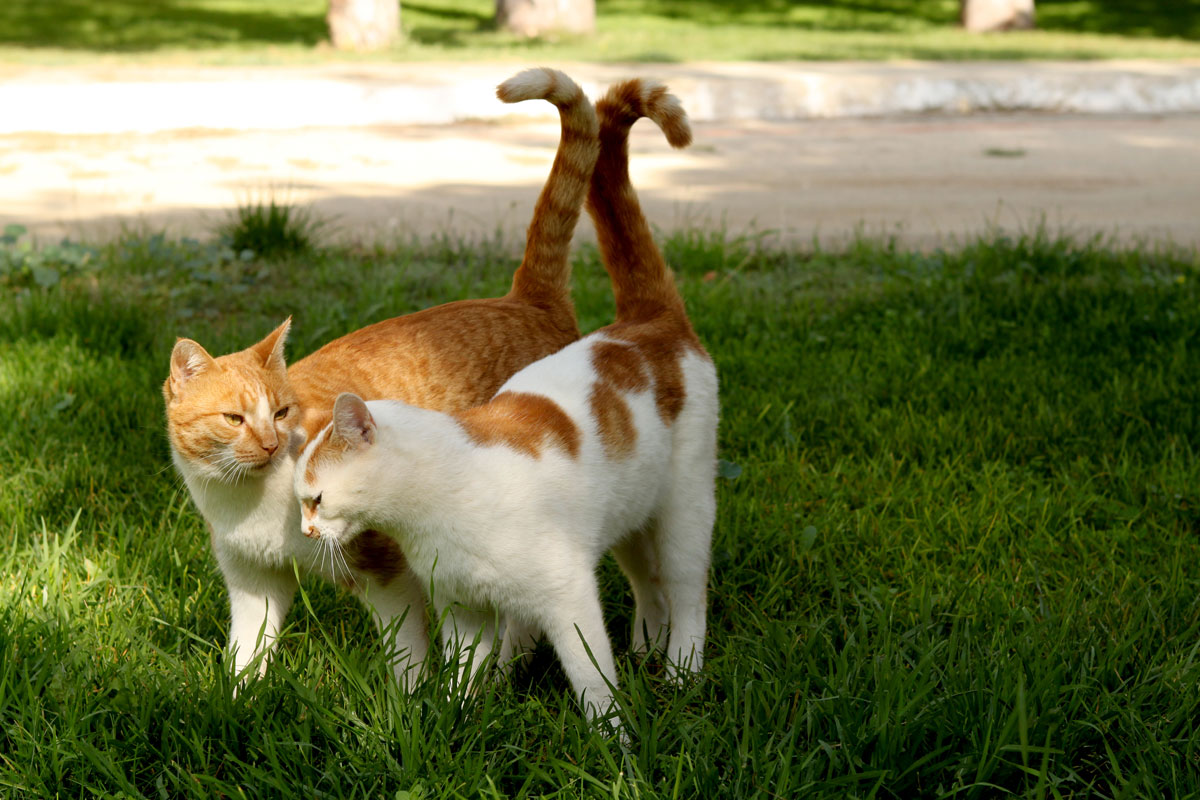
Credit: www.companionanimalpsychology.com
Territorial And Aggressive Behavior
Cats usually groom each other as a sign of friendship and bonding. However, changes in their relationship can cause this behavior to stop. Territorial and aggressive behaviors play a big role in why cats may suddenly refuse to groom each other anymore.
Resource Guarding
Resource guarding happens when a cat feels the need to protect food, toys, or even favorite resting spots. This can lead to tension between cats, making grooming feel risky or unwanted. Have you ever noticed your cats avoiding each other near the food bowl? That’s a clear sign of resource guarding in action.
When a cat guards resources aggressively, it sends a message to others to keep their distance. This breaks the trust needed for grooming. To reduce this, try placing multiple feeding stations or resting areas in your home. This can help lower competition and restore peace.
Conflict And Avoidance
Sometimes, past conflicts cause cats to avoid each other altogether. Grooming stops because one or both cats want to keep their distance to avoid fights or stress. If you see your cats hiding or stiffening around each other, it’s a signal they’re not comfortable being close.
One cat might growl or hiss to warn the other away, and grooming becomes impossible under these conditions. Understanding these cues can help you intervene before aggression escalates. Ask yourself: Is there enough space and quiet time for each cat to feel safe in your home?
When To Consult A Vet Or Behaviorist
Cats usually groom each other to bond and stay clean. When this stops, it can signal a problem. Knowing when to consult a vet or a behaviorist helps keep your cats healthy and happy. Early action often prevents bigger issues. Watch your cats closely for signs that need expert care.
Signs Of Illness
- Sudden loss of appetite or weight
- Frequent hiding or less activity
- Changes in litter box habits
- Visible wounds or skin problems
- Excessive licking or scratching
- Swelling or lumps on the body
- Difficulty moving or limping
These signs may show your cat feels unwell. A vet can diagnose and treat medical issues causing grooming changes.
Behavioral Changes To Monitor
- Avoiding contact with other cats
- Increased aggression or irritability
- Loss of interest in play or activities
- Sudden fear or anxiety
- Excessive vocalization or silence
- Restlessness or pacing
Behavior shifts often reflect stress or emotional problems. A behaviorist can help identify causes and suggest solutions.

Credit: www.catsessentials.com
Frequently Asked Questions
Why Do Cats Stop Grooming Each Other Suddenly?
Cats may stop grooming each other due to stress, illness, or changes in their relationship. Grooming is a social bond, so disruptions can cause them to stop. Age or pain can also reduce grooming behavior between cats.
Can Health Issues Cause Cats To Stop Grooming?
Yes, health problems like arthritis or skin conditions can make grooming painful. Cats in pain often avoid grooming others. If grooming stops suddenly, it’s wise to check for medical issues with a vet.
Does Stress Affect Cats’ Grooming Habits?
Stress and anxiety can cause cats to stop grooming each other. Changes in environment, new pets, or loud noises may trigger this behavior. Reducing stress can help restore their grooming routine.
Is Stopping Grooming A Sign Of A Bad Cat Relationship?
Stopping grooming can indicate tension or conflict between cats. Grooming is a sign of trust; its absence may mean they feel threatened or less bonded. Observing their interactions can reveal relationship changes.
Conclusion
Cats stop grooming each other for many reasons. Changes in their relationship or health often cause this. Stress or new pets can make cats uneasy. Sometimes, older cats lose interest or feel pain. Understanding these signs helps keep cats happy and healthy.
Watch your cats closely to see changes. Helping them stay calm can bring grooming back. Remember, grooming shows trust and friendship between cats. Keep their environment safe and quiet. This supports their bond and well-being. Caring for your cats means noticing small shifts.
This makes their lives better every day.

Leave a Reply