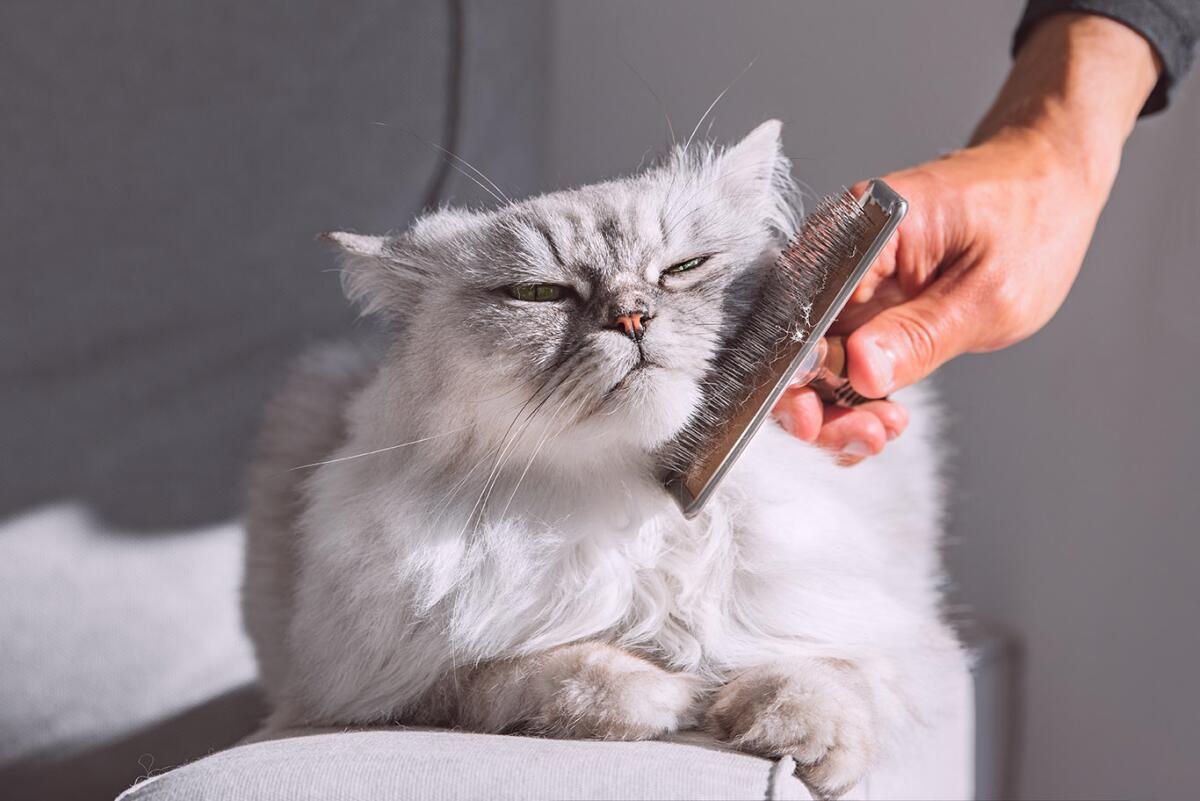
Have you ever wondered why your cat seems to enjoy those gentle brushing sessions? Grooming isn’t just about keeping your furry friend looking good—it’s essential for their health and happiness.
If you want to make sure your cat stays comfortable, clean, and free from pesky problems, understanding why grooming matters is the first step. Keep reading to discover the surprising reasons your cat needs regular grooming and how it can strengthen the bond between you and your beloved pet.
Benefits Of Grooming Cats
Grooming your cat offers more than just a neat appearance. It plays a crucial role in maintaining their overall health and comfort. By regularly grooming your feline friend, you can help prevent common issues and catch problems before they become serious.
Improves Coat Health
Brushing your cat regularly removes dirt and loose hair, which keeps their coat shiny and smooth. It also distributes natural oils evenly across their fur, preventing dryness and flakiness.
Have you noticed how a well-groomed cat’s fur feels soft and healthy? That’s the direct result of consistent care that supports skin and coat vitality.
Prevents Hairballs
Cats groom themselves by licking their fur, which can lead to swallowing loose hair. This hair accumulates in their stomach and forms hairballs, causing discomfort or vomiting.
By grooming your cat, you reduce the amount of loose hair they ingest. This simple step can save your cat from unpleasant hairball troubles and keep their digestive system happier.
Reduces Shedding
Excessive shedding can be frustrating for both you and your cat. Regular grooming removes the loose hair before it falls all over your furniture and clothes.
Less shedding means less cleaning for you, and your cat enjoys less irritation from fur buildup. Isn’t it easier when you don’t find fur everywhere?
Detects Health Issues Early
While grooming, you get a close look at your cat’s skin and body. This lets you spot lumps, bumps, wounds, or parasites like fleas early on.
Early detection makes treatment easier and more effective. Don’t miss out on this chance to keep your cat healthy by simply paying attention during grooming sessions.
When To Start Grooming
Knowing the right time to start grooming your cat helps build trust. Early grooming gets your cat used to handling. It makes future grooming easier and less stressful. Watching your cat closely helps you see when grooming is needed. Some cats need grooming more often than others. Understanding these signs keeps your cat healthy and comfortable.
Ideal Age For Grooming
Start grooming kittens at about 6 to 8 weeks old. At this age, kittens are curious and more accepting. Use a soft brush made for young cats. Keep sessions short and gentle to avoid fear. Early grooming helps kittens learn to stay calm. It also strengthens the bond between you and your pet.
Signs Your Cat Needs Grooming
- Mattes or tangles in the fur
- Excess shedding or loose hair
- Dull or dirty coat
- Visible dirt or debris on fur
- Excessive scratching or licking
- Unpleasant odor from the fur
- Claws that are too long or sharp
Regular checks help catch these signs early. Grooming removes loose hair and prevents mats. It also keeps your cat clean and comfortable. Pay special attention during shedding season or if your cat goes outside. Grooming helps spot skin problems or parasites too.
Tools For Cat Grooming
Having the right tools makes cat grooming easier and more enjoyable for both you and your feline friend. Each tool serves a specific purpose, helping maintain your cat’s health and comfort. Knowing which items to use can save you time and prevent stress during grooming sessions.
Types Of Brushes
Your cat’s coat type influences the brush you should choose. Slicker brushes work well for removing loose fur and preventing mats in medium to long-haired cats. For short-haired cats, a bristle brush gently removes dirt and spreads natural oils, keeping the coat shiny.
Some cats dislike stiff brushes, so a rubber grooming mitt can be a great alternative—it massages the skin while picking up loose hair. Have you noticed your cat’s reaction to different brushes? Finding the right one can turn grooming into a bonding moment.
Nail Clippers And Trimmers
Keeping your cat’s nails trimmed prevents painful overgrowth and damage to furniture. Use clippers designed specifically for cats to avoid splintering or crushing the nails. Guillotine-style clippers offer precision, while scissor-style trimmers may feel more comfortable in your hand.
Be cautious not to cut into the quick, the sensitive part of the nail. If you’re unsure, try trimming just the tips or ask your vet for a demonstration. Regular nail care can reduce your cat’s anxiety and your risk of scratches.
Other Useful Grooming Supplies
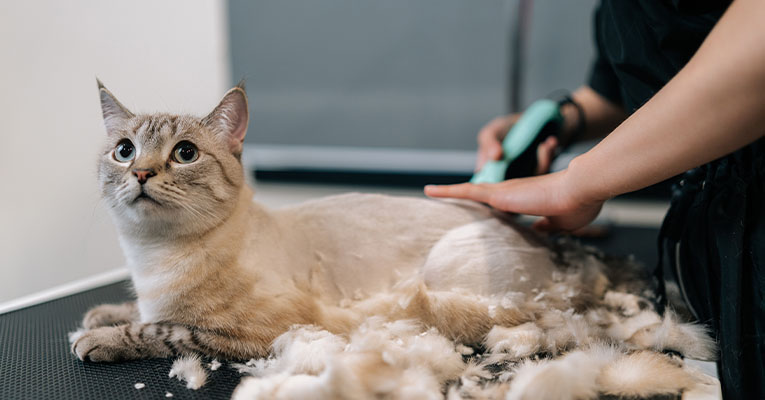
Beyond brushes and clippers, several other tools can enhance grooming. A fine-toothed comb helps remove fleas and check for skin issues. Grooming wipes clean fur between baths and freshen your cat’s scent.
Consider using a gentle detangling spray if your cat’s fur tends to mat. Do you keep a small grooming kit handy? Having these supplies ready can make spontaneous grooming sessions less stressful.
Credit: www.zoomzoomgroom.com
How To Groom Your Cat
Grooming your cat keeps them healthy and happy. It reduces hairballs and prevents mats. Regular grooming also helps you notice skin problems early. Cats enjoy gentle care, which builds trust between you. Below are simple ways to groom your cat effectively.
Brushing Techniques
Use a brush suited for your cat’s fur type. Long-haired cats need wide-toothed combs. Short-haired cats do well with soft-bristle brushes. Brush gently in the direction of hair growth. Pay special attention to the neck and belly. Stop if your cat shows signs of stress. Brush your cat at least twice a week.
Bathing Tips
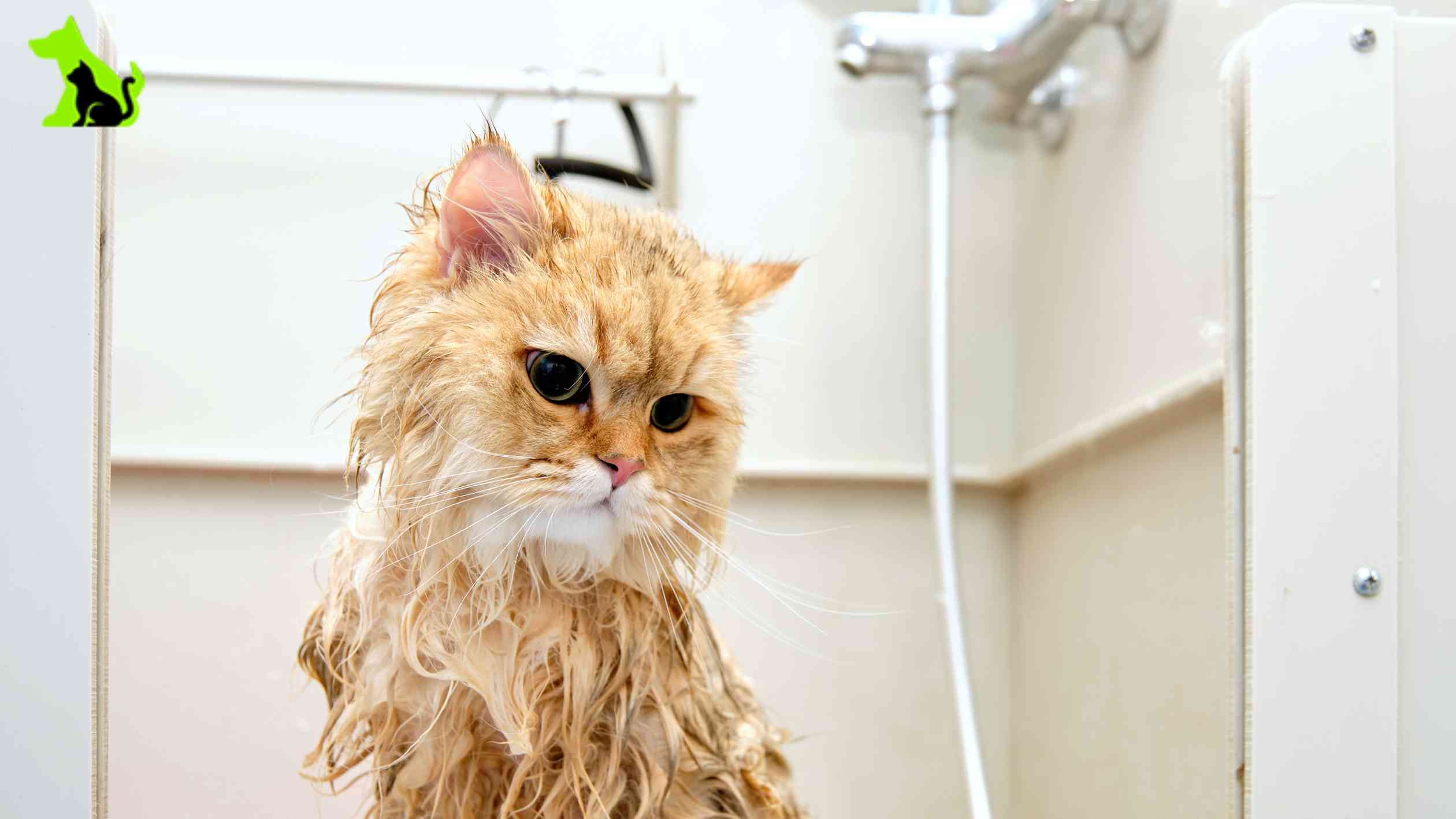
Bath your cat only when necessary. Use lukewarm water and a cat-safe shampoo. Wet your cat slowly, avoiding the head area. Lather shampoo gently, then rinse well. Dry your cat with a soft towel. Keep the room warm to prevent chills. Talk softly to keep your cat calm.
Nail Trimming Steps
Use sharp, small nail clippers made for cats. Hold your cat’s paw gently but firmly. Press the paw pad to extend the nails. Trim only the sharp tips, avoiding the pink quick. If unsure, trim small amounts at a time. Reward your cat with treats after trimming. Check nails every two weeks.
Cleaning Ears And Eyes
Use a damp cotton ball or soft cloth for cleaning. Wipe around the eyes to remove discharge. Avoid touching the eyeball directly. Check ears for dirt or wax buildup. Clean ears gently without pushing inside. Use only vet-approved ear cleaners if needed. Regular checks prevent infections and discomfort.
Dealing With Grooming Challenges
Grooming cats can be tricky. Cats do not always enjoy being brushed or bathed. Some cats become restless or try to escape. These challenges make grooming harder for owners. Understanding how to handle these problems helps keep cats clean and happy.
Handling Fidgety Cats
Cats often squirm during grooming. They may scratch or bite out of fear. Stay calm and gentle to keep your cat relaxed. Use soft brushes and take breaks often. Try grooming in a quiet, familiar place. Reward your cat with treats to build trust.
Managing Mats And Tangles
Mats form when fur gets tangled and dirty. They can hurt your cat’s skin. Use a detangling spray and a wide-tooth comb. Work slowly and carefully to avoid pulling. Small mats can be removed by hand. Large mats may need trimming with scissors.
When To Seek Professional Help
Some grooming problems need expert care. Severe mats or skin infections require a groomer or vet. If your cat is very stressed or aggressive, call a professional. They have tools and experience to handle difficult cases. Regular visits keep your cat healthy and comfortable.
Credit: hellopetsinc.com
Grooming And Cat Behavior
Cats need regular grooming to keep their fur clean and free from mats. Grooming also helps reduce shedding and prevents skin problems. Regular brushing strengthens the bond between you and your cat.
Cats are known for their grooming habits. They spend a significant part of their day cleaning themselves. Grooming is essential for their health and happiness. It plays a crucial role in their behavior and social interactions. Understanding this can help cat owners strengthen their bond with their pets. Below, we explore how grooming impacts cat behavior.Building Trust During Grooming
Grooming sessions can help build trust between you and your cat. Cats are sensitive creatures. They require a gentle approach. Start by petting them softly. Use a brush designed for cats. This makes them feel secure and loved. If they enjoy the grooming, they will purr or relax. These sessions can create a strong bond. Trust grows with each gentle stroke. Always be patient and calm. It reassures your cat of your good intentions. Never rush the grooming process. Respect your cat’s comfort level.Using Grooming To Bond
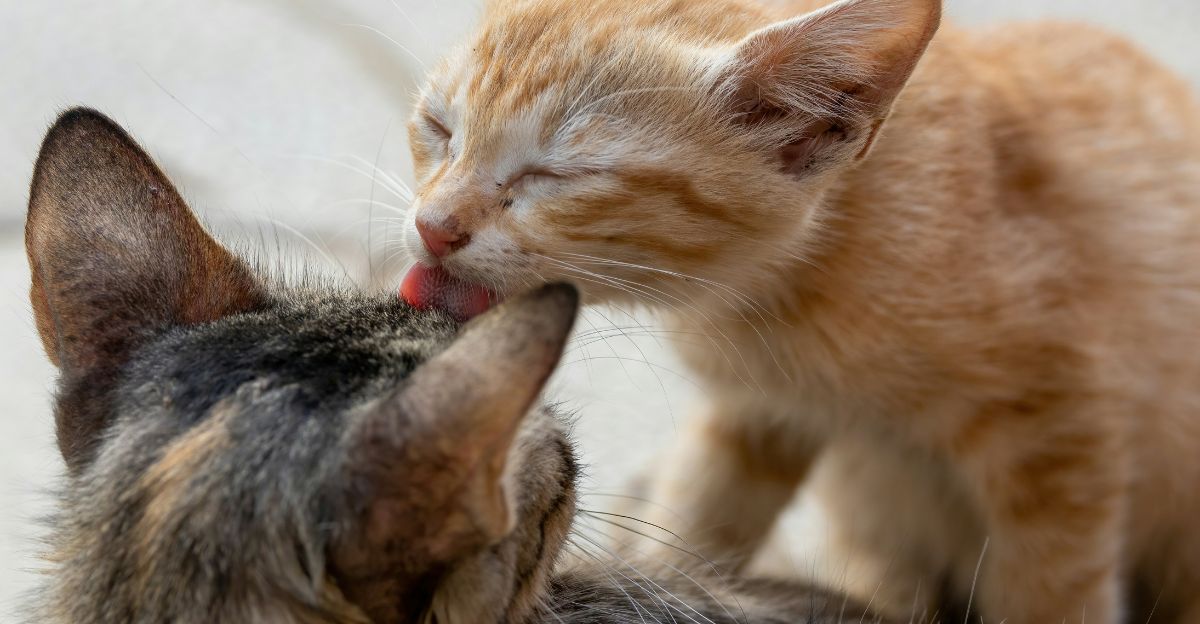
Grooming is not just about cleanliness. It is a bonding experience. When you groom your cat, you mimic their natural behavior. Cats groom each other as a sign of affection. By grooming your cat, you show them care. This strengthens your relationship. It also allows you to check for any health issues. Look for signs of fleas or skin problems. Regular grooming keeps your cat healthy. It also provides them with a sense of security. Your cat will appreciate the attention. It reinforces your role as a trusted companion.Special Grooming Needs
Grooming needs vary widely among cats, and understanding these special requirements can make a big difference in your pet’s comfort and health. Some cats need more attention than others due to their coat type, age, or health conditions. Paying close attention to these details helps you provide the right care and avoid common problems like matting or skin infections.
Long-haired Cats
Long-haired cats require daily brushing to prevent their fur from tangling and matting. Mats can cause discomfort and even skin irritation if left untreated. You might find that using a wide-toothed comb followed by a finer brush works best to gently remove loose hair.
Have you noticed your cat avoiding grooming or scratching more than usual? This could be a sign their coat needs extra care. Regular grooming sessions also reduce shedding and keep your home cleaner.
Senior Cats
Older cats often struggle to groom themselves properly due to reduced flexibility or arthritis. This can lead to greasy or matted fur and increased risk of skin issues. Helping your senior cat with gentle brushing can improve their comfort and promote healthier skin.
Pay attention to areas your cat can’t reach easily, like the lower back and hind legs. You might also notice your senior cat benefits from more frequent grooming sessions than before. How often do you check your cat’s coat for signs of neglect?
Cats With Health Issues
Cats dealing with health problems such as obesity, diabetes, or dental issues often have special grooming needs. These conditions can make self-grooming painful or difficult. Offering assistance through brushing and cleaning can prevent infections and help your cat feel better.
Sometimes, health issues cause changes in your cat’s coat quality, like dullness or excessive shedding. Monitoring these changes closely and adjusting your grooming routine can alert you to new or worsening health concerns. Are you observing your cat’s grooming habits as part of their overall health care?
Credit: pawgo.com
Frequently Asked Questions
Why Do Cats Need Regular Grooming?
Cats need regular grooming to remove loose fur and prevent matting. It also helps reduce hairballs and keeps their coat healthy and shiny.
How Often Should I Groom My Cat?
Groom your cat at least once a week. Long-haired cats may need daily grooming to avoid tangles and mats.
Can Grooming Improve My Cat’s Health?
Yes, grooming improves skin health by stimulating blood flow. It also helps detect parasites, wounds, or infections early.
What Tools Are Best For Cat Grooming?
Use a soft brush or comb suited for your cat’s fur type. Avoid harsh tools that may irritate their skin.
Conclusion
Cats need regular grooming to stay healthy and happy. Grooming helps remove dirt and loose fur. It also prevents mats and skin problems. Brushing reduces shedding around your home. It gives cats comfort and less stress. Grooming time builds trust and bonding.
Clean cats feel better and live longer. Simple care makes a big difference. Keep your cat groomed for a joyful life.

Leave a Reply