Have you ever wondered why your cat sometimes seems to stop grooming itself? You might think cats always keep themselves perfectly clean, but that’s not always true.
Understanding why cats don’t groom themselves as much as you expect can help you take better care of your furry friend. You’ll discover surprising reasons behind this behavior and learn what you can do to keep your cat healthy and happy.
Keep reading—you’ll be amazed at what you’ll find out!
Common Grooming Habits
Understanding your cat’s grooming habits can reveal a lot about their health and mood. Cats usually spend a significant part of their day cleaning themselves, but have you noticed times when they don’t groom at all? This behavior can sometimes confuse owners who expect constant self-care from their feline friends.
Typical Self-care Behaviors
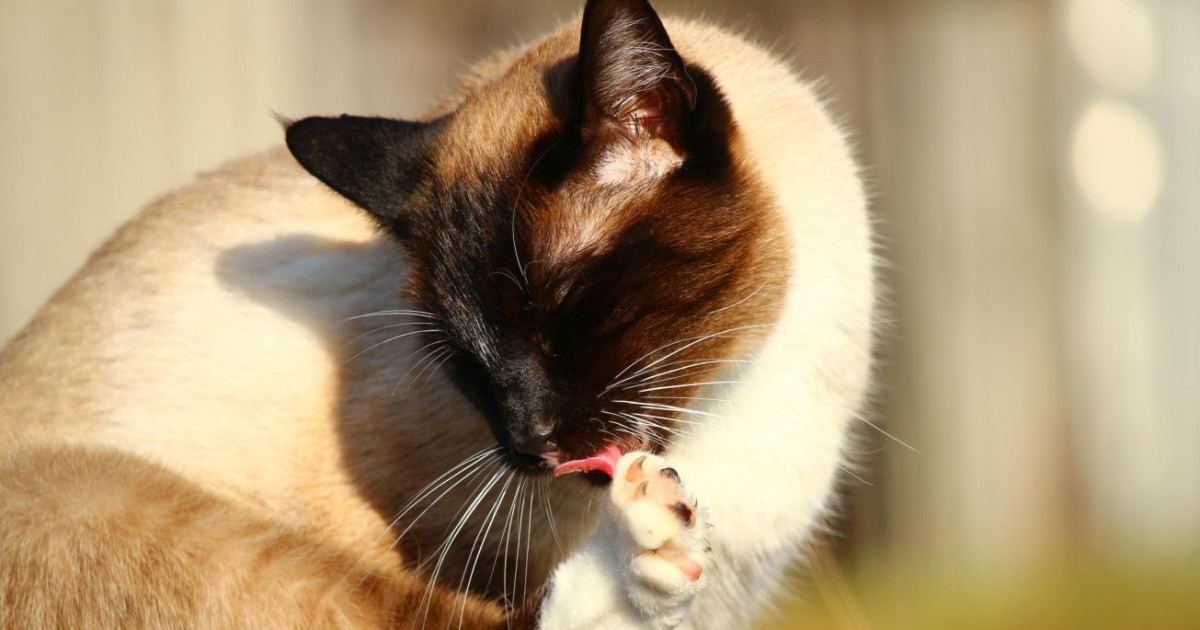
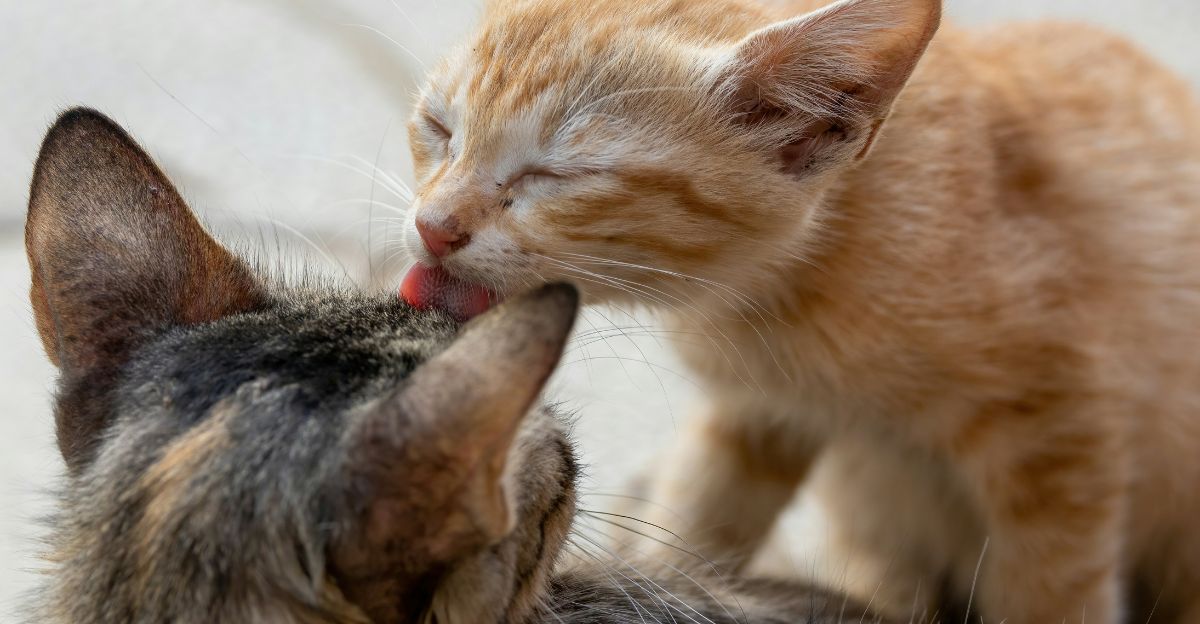
Cats use their tongues to clean their fur, removing dirt and loose hair efficiently. You might see them licking their paws and then rubbing their face and ears with those paws, much like washing their hands and face.
Besides licking, cats also scratch with their claws to get rid of dead skin and help maintain their coat’s health. They often focus on hard-to-reach places like behind the ears or under the legs.
Have you ever noticed your cat suddenly stop grooming? Sometimes illness or stress causes this change. It’s important to watch for such signs because it can indicate something’s wrong.
How Grooming Benefits Cats
Grooming does more than keep cats clean; it plays a vital role in their well-being. Regular grooming helps regulate their body temperature by removing excess fur and dirt.
It also reduces the risk of parasites like fleas or ticks. When your cat grooms, they are essentially checking their body for unwanted guests.
Grooming acts as a stress-reliever too. Cats often groom themselves to calm down after stressful situations, much like you might take a deep breath to relax.
Do you think about how your cat’s grooming habits reflect their comfort in your home? Observing these behaviors can help you understand their emotional and physical state better.

Credit: weareallaboutcats.com
Health Issues Affecting Grooming
Health problems can stop cats from grooming themselves properly. Cats rely on grooming to stay clean and healthy. When health issues arise, grooming may become difficult or painful for them. This can lead to dirty fur, skin problems, and discomfort.
Skin Conditions
Skin problems make grooming painful for cats. Conditions like allergies, infections, or parasites cause itching and soreness. Cats may avoid grooming to stop hurting themselves more. Untreated skin issues can worsen and cause fur loss.
Pain And Mobility Problems
Joint pain or arthritis can limit a cat’s movement. Cats may struggle to reach certain body parts to clean. Pain makes grooming uncomfortable, so they might skip it. Older cats often face this issue due to aging joints.
Dental Issues
Dental pain can stop cats from grooming their face and head. Problems like tooth decay or gum disease cause discomfort. Cats may avoid grooming because chewing and licking hurt. Regular dental care helps maintain grooming habits.
Behavioral Causes
When cats suddenly stop grooming themselves, the root cause often lies in their behavior. Behavioral changes can signal that your feline friend is struggling with something beyond just physical health. Understanding these behavioral causes can help you spot the problem early and support your cat better.
Stress And Anxiety
Stress can disrupt a cat’s daily routines, including grooming. If your cat feels threatened or uneasy, grooming might take a backseat to survival instincts.
Have you noticed your cat avoiding certain rooms or hiding more than usual? These signs often point to anxiety affecting their grooming habits. Providing a calm, secure space can encourage your cat to resume normal grooming.
Depression In Cats
Cats can experience depression, especially after losing a companion or facing major changes. A depressed cat may lose interest in self-care, leading to a messy or unkempt coat.
Think about any recent losses or disruptions in your cat’s life. If your cat seems withdrawn and neglects grooming, spending extra time playing or cuddling might help lift their mood.
Changes In Environment
Moving to a new home or rearranging furniture can unsettle your cat. Such changes can interrupt their grooming routine as they adjust.
Have you recently introduced new pets or altered your cat’s territory? Gradual introductions and maintaining familiar scents can ease stress, helping your cat feel comfortable enough to groom again.

Credit: pennypaws.com
Age And Grooming Challenges
As your cat ages, you might notice changes in how often and how well they groom themselves. Age brings unique challenges that can affect a cat’s ability to stay clean and comfortable. Understanding these challenges can help you provide better care and keep your feline friend healthy and happy.
Grooming In Senior Cats
Older cats often face physical limitations that make grooming harder. Arthritis or joint pain can make bending and reaching certain areas uncomfortable or even impossible.
Sometimes, your senior cat might miss spots or skip grooming sessions altogether. This can lead to matted fur or skin problems if left unchecked.
You can assist by gently brushing your cat daily. This not only helps keep their coat clean but also strengthens your bond.
Impact Of Cognitive Decline
Just like people, cats can experience cognitive decline as they age. This can affect their memory and focus, causing them to forget grooming routines.
Your cat might seem confused or less interested in self-care. You may notice a sudden change in grooming habits, which can be worrying.
Try to maintain a calm and consistent environment to reduce stress. Offering extra grooming help during this time is crucial to prevent discomfort and health issues.
Have you observed changes in your cat’s grooming as they got older? How did you adjust your care to help them feel their best?
Role Of Nutrition And Hydration
Cats are known for their grooming habits. But sometimes, they stop grooming. Nutrition and hydration play a big role in this behavior. A lack of proper diet and water can affect their grooming instincts. Understanding these factors is crucial to help your cat maintain its grooming routine.
Diet Impact On Coat Health
A cat’s diet directly impacts its coat health. Nutrients like omega-3 and omega-6 fatty acids are essential. They help keep the skin and coat in top condition. Without these, a cat’s fur may become dull or brittle. This can discourage grooming.
Protein is another key element. Cats need high-quality protein for healthy skin. Low protein intake can lead to poor coat health. This makes grooming less effective and less appealing.
Dehydration Effects
Water is vital for a cat’s overall health. Dehydration can lead to dry skin. This makes grooming uncomfortable for cats. A hydrated cat has supple skin, which aids in easy grooming.
Cats often get water from their food. Wet cat food provides more moisture than dry kibble. Ensuring your cat drinks enough water is also important. Fresh water should be available at all times.
When To Seek Veterinary Help
Noticing your cat is not grooming itself can be worrying. It’s important to understand when this behavior signals a problem that needs professional attention. Ignoring these signs can lead to discomfort or serious health issues for your furry friend.
Signs Of Grooming Problems
Look for patches of matted fur or an unkempt coat. Your cat might have bald spots or excessive dandruff. These can indicate skin infections, parasites, or pain preventing self-grooming.
Watch if your cat is scratching more than usual or licking certain areas obsessively. Changes in behavior like hiding or decreased activity can also suggest underlying issues. Has your cat suddenly stopped cleaning itself? That’s a clear red flag.
Treatment Options
Veterinarians usually start by diagnosing the root cause through a physical exam and possibly skin tests. Treatment might include medicated shampoos, antibiotics, or parasite control.
In cases of pain or arthritis, pain relief and anti-inflammatory medication can help your cat groom comfortably again. Sometimes, dietary changes improve skin and coat health.
Early vet visits can save your cat from prolonged suffering. Have you noticed any changes in your cat’s grooming habits lately? Don’t wait to get answers.
Supporting Cats That Don’t Groom
Supporting cats that don’t groom themselves is essential for their health and happiness. Grooming is not just about cleanliness; it helps prevent skin problems, reduces stress, and keeps your cat comfortable. When your feline friend isn’t grooming, you need to step in with care and attention to fill this vital role.
Grooming Assistance Tips
Start by gently brushing your cat’s fur daily. This helps remove loose hair and dirt while stimulating their skin. Use a soft brush designed for cats to avoid causing discomfort.
If your cat resists brushing, try short sessions and offer treats as encouragement. You can also use a damp cloth to clean areas they struggle to reach, such as around the face or under the legs.
Regular grooming checks can reveal signs of mats, skin irritation, or parasites early. If you notice anything unusual, consult your vet promptly to prevent bigger issues.
Creating A Comfortable Environment
Your cat’s environment plays a big role in their willingness to groom. Make sure they have a warm, quiet space where they feel safe. Stress can stop cats from grooming themselves, so reducing noise and disturbances helps.
Place grooming tools where your cat can see and smell them to build positive associations. You might also add soft bedding and scratching posts to encourage natural behaviors that support grooming.
Have you noticed your cat avoiding grooming after changes at home? Consider if new pets, loud noises, or changes in routine might be causing anxiety. Addressing these can encourage your cat to start grooming again or accept your help more readily.
Credit: www.diamondpet.com
Frequently Asked Questions
Why Do Some Cats Stop Grooming Themselves?
Cats may stop grooming due to illness, pain, or stress. Health problems like arthritis make self-cleaning difficult. Behavioral issues or anxiety can also reduce grooming habits. Regular vet check-ups can identify causes and help restore proper grooming behavior.
Can Grooming Issues Indicate Cat Health Problems?
Yes, poor grooming often signals health issues. Skin infections, parasites, or dental pain can prevent cats from grooming. Behavioral stress or obesity might also cause neglect. Monitoring grooming habits helps detect health concerns early for timely treatment.
How Does Grooming Affect A Cat’s Wellbeing?
Grooming keeps cats clean, controls oil, and removes dead fur. It supports skin health and reduces shedding. Grooming also has calming effects, reducing stress. Neglecting grooming can lead to infections or discomfort, impacting overall wellbeing.
When Should I Worry If My Cat Stops Grooming?
Worry if your cat suddenly stops grooming. It may indicate pain, illness, or emotional distress. Look for other symptoms like lethargy or changes in appetite. Consult a veterinarian promptly to diagnose and treat underlying problems.
Conclusion
Cats sometimes stop grooming for many reasons. They may feel sick or hurt. Stress can also make them avoid cleaning. Older cats might find grooming hard. Owners should watch for changes in behavior. Regular vet visits help spot health problems early.
Helping cats stay clean keeps them happy. Understanding why cats don’t groom helps owners care better. Keep an eye on your cat’s habits. Small changes can mean big health issues. Caring for cats means noticing when things are different.

Leave a Reply