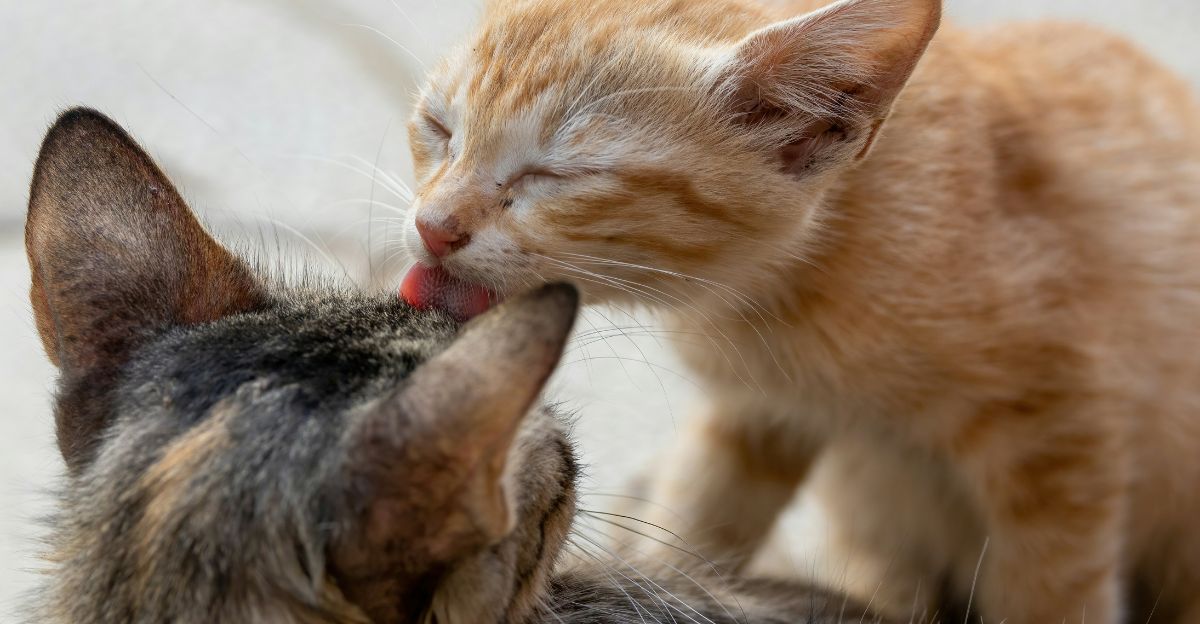
Have you ever watched cats gently licking each other and wondered why they do it? It’s more than just a cute habit.
When cats groom each other, they are sending important messages and building strong bonds. Understanding this behavior can help you see your furry friends in a whole new light. Keep reading to discover the surprising reasons behind why cats groom each other—and how it affects their happiness and your connection with them.

Credit: catcuddlezone.com
Social Bonding
Social bonding is a key reason cats groom each other. This behavior goes beyond cleanliness; it helps build and maintain important relationships within their group. When you see cats grooming one another, they are often communicating trust and affection.
Strengthening Friendships
Mutual grooming helps cats deepen friendships. It’s their way of saying, “I trust you” and “You’re part of my circle.”
By grooming each other, cats reduce tension and create a calm atmosphere. You might notice your own cats grooming after playtime or a minor disagreement—this is them making peace.
Think about your own friendships. How often do small acts of kindness strengthen your bonds? Cats do the same with grooming.
Family Ties Among Cats
Grooming also reinforces family connections, especially between a mother and her kittens. The mother cleans her young to keep them healthy and teach them social skills.
Even adult cats from the same family often groom each other. It’s a way to confirm their shared identity and keep the family group united.
When you see cats grooming siblings or relatives, it’s a reminder that their social ties are as important as their physical well-being. Have you noticed your cats grooming relatives differently than non-related cats?

Credit: basepaws.com
Health Benefits
Cat grooming each other is more than just a social act. It carries important health benefits that help cats stay clean and healthy. Grooming plays a key role in their daily life and well-being.
Removing Dirt And Parasites
Cats use grooming to remove dirt from their fur. Their tongues act like tiny brushes, cleaning hard-to-reach spots. This helps keep their coat shiny and healthy.
Grooming also removes parasites like fleas and ticks. These pests can cause itching and illness. By cleaning each other, cats reduce the risk of infections and skin problems.
Stimulating Blood Flow
When cats groom, they massage the skin gently. This action boosts blood flow to the surface. Better blood circulation helps deliver nutrients to the skin and fur.
Improved blood flow also aids in healing small wounds. It keeps the skin strong and less prone to damage. Grooming supports overall skin health and fur quality.
Stress Relief
Grooming between cats isn’t just about staying clean; it plays a big role in helping them deal with stress. When cats groom each other, it’s a calming ritual that goes beyond hygiene. You might notice your cat calming down after a grooming session, and that’s not a coincidence.
Calming Effects
The act of grooming releases feel-good chemicals in a cat’s brain, which helps lower their stress levels. When cats lick and clean each other, they create a soothing environment that helps them relax. You might see your cat purring softly during grooming, a clear sign they feel safe and calm.
Think about times when your cat seems restless or nervous—offering them gentle petting or brushing often helps. Grooming by another cat works similarly, providing a natural way to ease tension. Have you noticed your cat grooming a friend right after a loud noise or a stressful event?
Reducing Anxiety
Mutual grooming strengthens the bond between cats, which reduces feelings of anxiety and loneliness. When cats groom each other, it sends a message of trust and security. This connection can make your cat feel less anxious in unfamiliar or challenging situations.
If your cat has a companion, watch how they spend time grooming after a stressful moment, like a vet visit or a change in their environment. This behavior helps them reset emotionally. You can encourage this calming practice by providing a peaceful space where your cats feel comfortable to interact.
Scent Sharing
Cats groom each other to share their scent, creating a strong bond between them. This helps them feel safe and part of the same group. Grooming also keeps their fur clean and healthy.
Scent sharing among cats is a fascinating behavior. Cats groom each other to share scents. This act plays a vital role in their social structure. By sharing scents, cats strengthen their bonds. Cats use scent sharing for more than just grooming. It helps them communicate and establish a group identity.Creating Group Identity
Cats in a group often groom each other. This behavior helps create a unified group scent. When cats share scents, it helps them recognize each other. This recognition strengthens their bond. In multi-cat households, this behavior is common. Cats feel more secure when they share a group scent. It creates a sense of belonging. This group scent helps reduce conflict among cats.Marking Territory
Cats mark their territory in various ways. Scent is a powerful tool for this. When cats groom each other, they spread their scent. This scent marks their territory within the group. Grooming each other helps cats claim their space. It tells other cats, “This is our area.” By marking their territory, cats feel safe and secure. This shared scent acts as a boundary for their group. Cats use scent sharing to build their social world. It’s a vital part of their communication and territorial behavior.Hierarchy And Dominance
Cats groom each other not just for cleanliness but to show their place in the group. This behavior helps maintain order and peace among them. Grooming acts as a way to show who leads and who follows. It reduces fights and keeps the group stable. Understanding this helps us see how cats live together smoothly.
Establishing Social Order
Grooming helps cats decide who is in charge. The dominant cat often grooms others more. This shows it holds a higher rank. Lower-ranking cats accept this by allowing grooming. This act creates clear roles without fighting. It builds trust and respect within the group.
Respect And Submission Signals
When a cat allows another to groom it, it shows respect. This is a sign of submission to the stronger cat. Grooming softens tension and shows peaceful intentions. Cats use this signal to avoid conflicts. It keeps the group calm and balanced.
Grooming Techniques
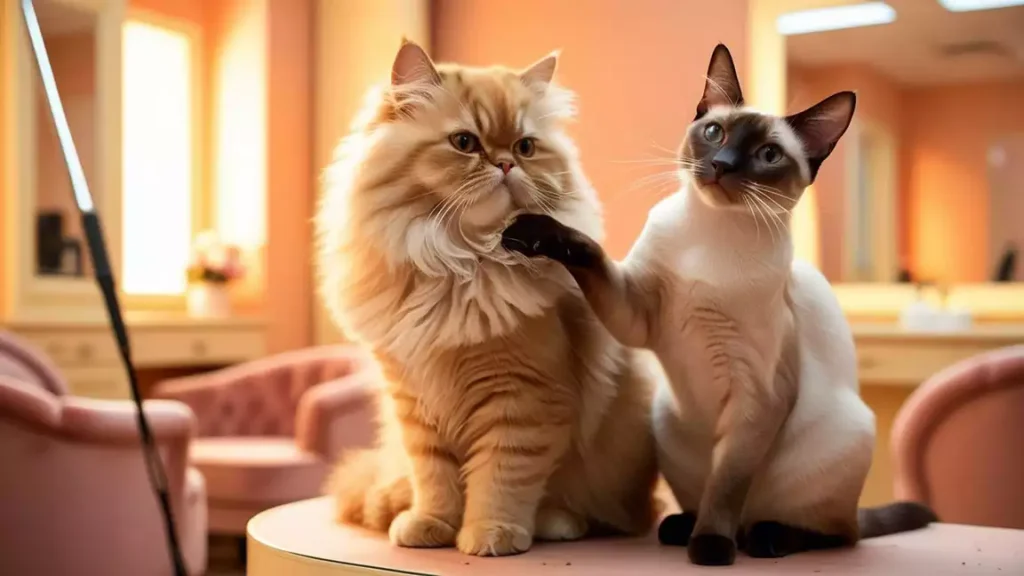
Cats use special grooming techniques to care for each other’s fur and skin. This behavior strengthens their bond and helps keep them clean. Grooming is gentle and precise. It often involves licking, nibbling, and soft paw movements.
How Cats Groom Each Other
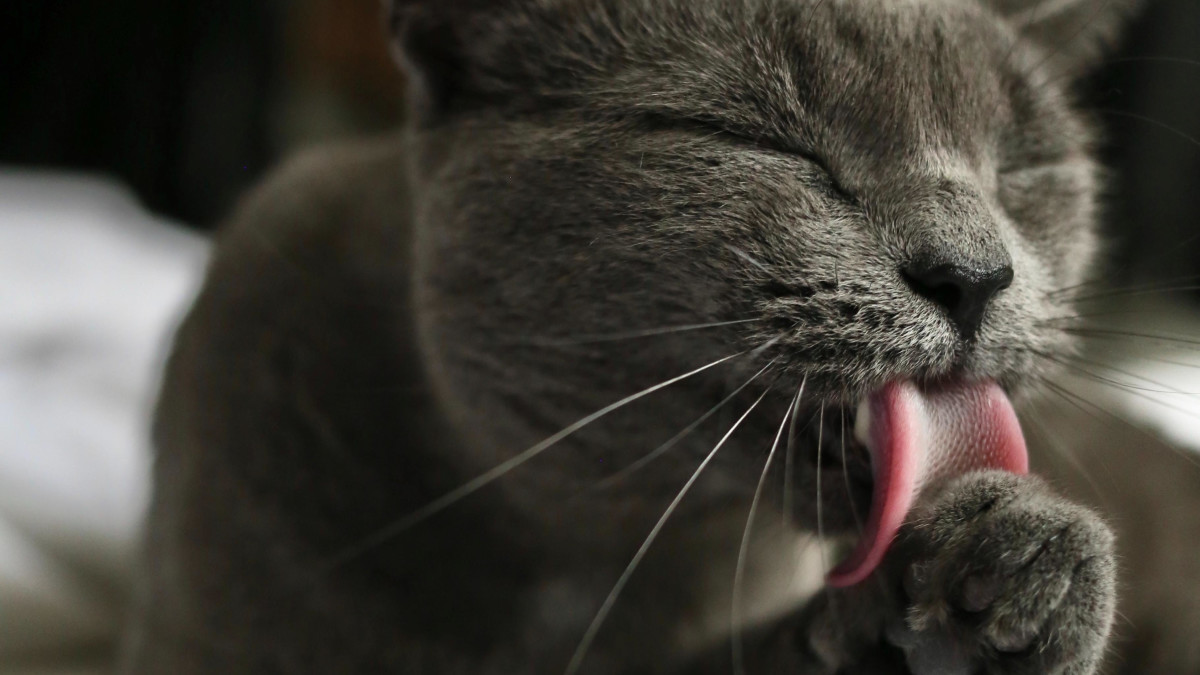
Cats start grooming by licking their friend’s fur. Their tongues have tiny, hook-like structures that remove dirt and loose hair. They also nibble softly to untangle knots. Paws come into play too. Cats gently rub their paws on their friend’s head and neck to spread natural oils. This keeps the fur shiny and smooth.
Areas Commonly Groomed
- Head and face – places hard to reach alone
- Neck and ears – sensitive spots needing extra care
- Back and shoulders – common areas for dirt and loose hair
- Chest and belly – softer spots needing gentle attention
These areas are often hard for cats to groom alone. Mutual grooming helps them stay clean and healthy. It also shows trust and affection between cats.
When Grooming Becomes Excessive
Grooming is a natural and important behavior among cats, often seen as a sign of bonding and care. However, when grooming becomes excessive, it can signal underlying issues that need your attention. Understanding when your cat’s grooming crosses the line from healthy to harmful is crucial for their well-being.
Signs Of Stress Or Illness
Excessive grooming might be your cat’s way of coping with stress or discomfort. Watch out for bald patches, red or irritated skin, and constant licking in one area. These signs can indicate allergies, parasites, or even pain.
Behavior changes often accompany excessive grooming. If your cat hides more, loses appetite, or acts unusually aggressive, stress or illness could be the root cause. Have you noticed your cat suddenly grooming more after a change in their environment or routine?
How To Help Your Cat
Start by observing the triggers that lead to your cat’s over-grooming. Creating a calm and safe space can reduce stress levels significantly.
- Provide engaging toys and regular playtime to distract your cat.
- Maintain a consistent feeding and cleaning schedule to promote stability.
- Use gentle grooming tools to help with their coat care.
If you suspect illness, don’t hesitate to visit the vet for a thorough check-up. Early intervention can prevent more serious issues and help your cat feel comfortable again.
Credit: catgroomerla.com
Frequently Asked Questions
Why Do Cats Groom Each Other?
Cats groom each other to strengthen social bonds and show affection. It helps reduce stress and promotes group harmony among cats.
How Does Mutual Grooming Benefit Cats?
Mutual grooming removes dirt and parasites from hard-to-reach areas. It also reinforces trust and cooperation between feline companions.
Is Grooming A Sign Of Friendship In Cats?
Yes, grooming signals friendship and acceptance. Cats often groom those they feel comfortable and safe around.
Can Grooming Reduce Cat Stress?
Absolutely. Grooming releases endorphins, calming cats and reducing anxiety. It creates a peaceful and secure environment.
Conclusion
Cats groom each other to show trust and care. It helps them stay clean and healthy. Grooming also builds strong bonds between cats. They feel safe and calm during this time. Watching cats groom can teach us about their feelings.
It’s a simple way they say, “You are part of my family. ” Understanding this behavior helps cat owners connect better. So, next time you see cats grooming, remember it means much more than just cleaning. It’s love and friendship in action.


Leave a Reply