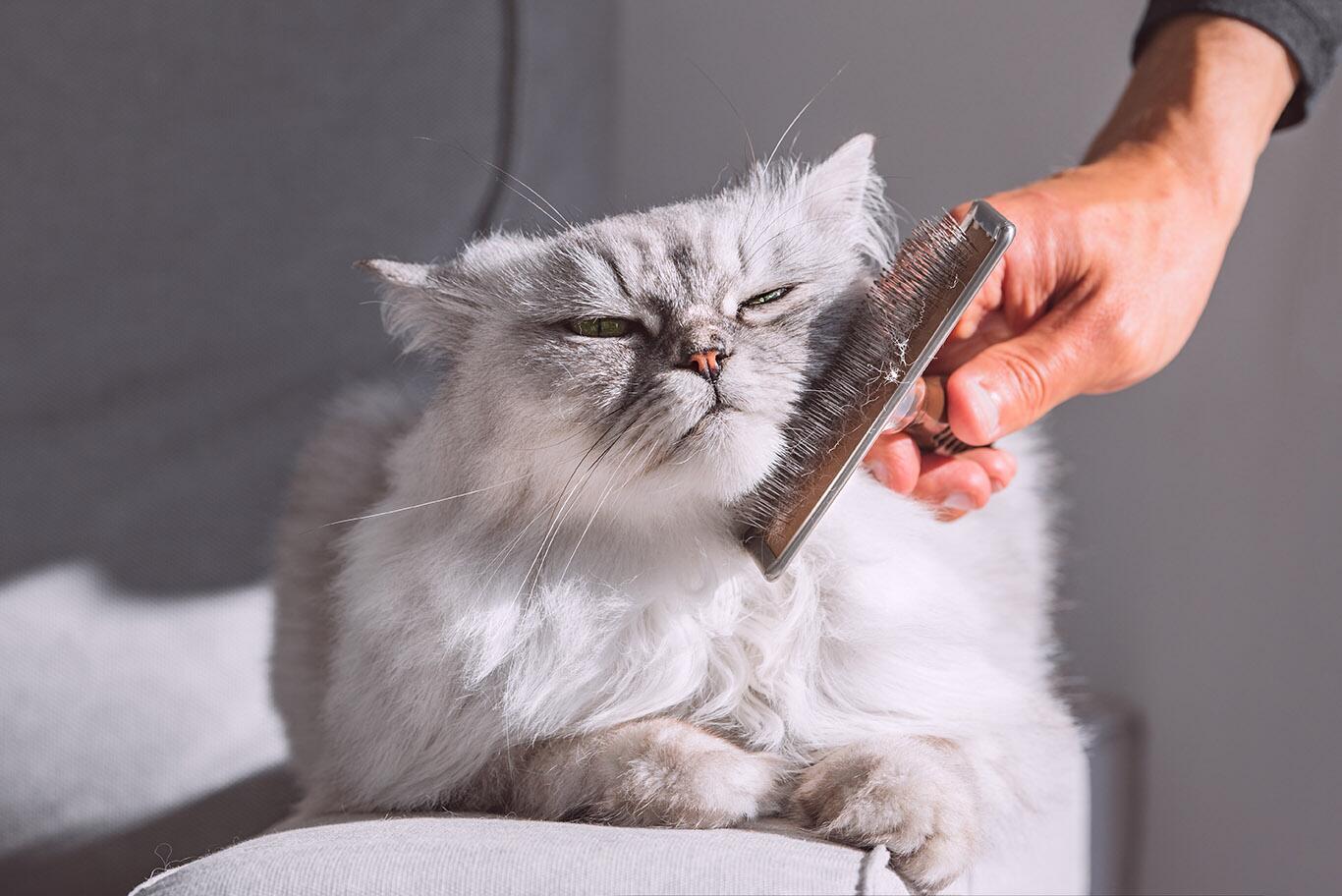
Have you ever watched your cat spending a lot of time licking its fur and wondered why it’s always grooming? You might think it’s just about staying clean, but there’s much more behind this common behavior.
Understanding why your cat grooms itself so often can help you connect better with your furry friend and even spot if something isn’t right. Keep reading to discover the surprising reasons your cat can’t stop grooming and what it means for their health and happiness.
Cat Grooming Basics
Cats spend a lot of time grooming themselves. Grooming keeps their fur clean and healthy. It also helps them relax and feel safe. Understanding basic grooming habits shows why cats groom so often. This knowledge helps cat owners care for their pets better.
How Cats Groom Themselves
Cats use their tongues to clean their fur. Their tongues have tiny, hook-like structures. These hooks remove dirt and loose fur. Cats lick their paws and rub them on their face. They also stretch to reach hard spots. Grooming spreads natural oils, keeping fur shiny and soft.
Frequency Of Grooming
Cats groom several times a day. Younger cats groom more than older ones. Long-haired cats spend more time grooming than short-haired cats. Stress or health problems can change grooming habits. Regular grooming helps prevent hairballs and skin issues.

Credit: tryfurgo.com
Health Benefits Of Grooming
Grooming is more than just a habit for cats; it plays a crucial role in keeping them healthy and comfortable. When your cat spends time licking and cleaning itself, it’s helping to maintain its overall well-being in several important ways. Let’s look at how grooming benefits your cat’s health and why you should appreciate this natural behavior.
Skin And Coat Maintenance
Regular grooming helps your cat remove dirt, loose fur, and dead skin cells. This keeps their coat shiny and smooth, which is a sign of good health.
Have you noticed how a well-groomed cat’s fur feels soft and clean? That’s because grooming distributes natural oils across the coat, preventing dryness and irritation.
If your cat suddenly stops grooming, it might be a sign of skin problems or discomfort. Paying attention to their grooming habits can help you spot issues early.
Temperature Regulation
Grooming also helps cats control their body temperature. By licking their fur, they spread saliva that cools them down as it evaporates, much like sweating in humans.
This is especially important during hot weather. You might see your cat grooming more when it’s warm, helping it stay comfortable without panting or overheating.
Have you ever felt your cat’s coat after a grooming session? It often feels cooler, which shows how this simple action helps regulate their body heat.
Parasite Control
One of the most practical benefits of grooming is removing harmful parasites like fleas and ticks. Cats use their tongues to pick off these pests before they can cause problems.
This natural defense reduces the risk of infections and skin irritations. It’s a bit like your cat performing its own health check every day.
Watching your cat groom can give you clues about their parasite status. Excessive licking in one area might mean they’re trying to get rid of an itch caused by pests.
Emotional Reasons Behind Grooming
Cats groom themselves not only to stay clean but also for emotional reasons. Grooming acts as a way for cats to manage their feelings. It helps them handle stress and find comfort. Understanding these emotional reasons can explain why your cat spends so much time grooming.
Stress And Anxiety Relief
Grooming helps cats calm down in stressful situations. When cats feel nervous, they lick their fur to distract themselves. This behavior reduces anxiety by releasing calming hormones. Grooming becomes a coping tool during moments of fear or change. It helps cats feel safer and more relaxed.
Comfort And Soothing Behavior
Grooming offers comfort much like a human’s soothing routine. Cats often groom after waking up or before sleep. This habit helps them relax and feel secure. The repetitive motion of licking soothes their nerves. Grooming also mimics the care they received as kittens from their mother.

Credit: www.latimes.com
Social Grooming Among Cats
Social grooming among cats is more than just keeping clean. It’s a vital part of how they connect and interact with each other. Watching your cats groom each other can reveal surprising insights into their relationships and social lives.
Bonding And Communication
When cats groom one another, they are strengthening bonds. It’s their way of saying, “You’re part of my group.”
This behavior helps reduce tension and builds trust. Cats often groom those they feel close to, which can be your clue to who their favorite companions are.
Have you noticed your cat grooming another cat right after a play session? This action helps calm them down and communicate affection without words.
Hierarchy And Group Dynamics
Grooming also plays a role in establishing social order. Dominant cats often groom subordinates, showing control gently without aggression.
Subordinate cats may groom dominant ones to gain favor or acceptance. This creates a clear social structure that keeps peace within the group.
Understanding these interactions can help you manage multi-cat households better. If you see grooming patterns shift, it might signal changes in your cats’ relationships or stress levels.
When Grooming Becomes Excessive
Cats are known for their grooming habits. They spend a lot of time licking and cleaning themselves. This is normal behavior for most cats. Grooming helps keep their fur clean and free of parasites. It also helps them relax and reduces stress. But sometimes, grooming can become excessive. This can be a sign of underlying issues.
Signs Of Over-grooming
It’s important to recognize over-grooming signs. Your cat may lose patches of fur. You might notice bald spots or redness on their skin. They could groom for long periods, even during playtime. If your cat is grooming more than usual, pay attention.
Potential Health Issues
Over-grooming can indicate health problems. Cats might have allergies causing itchy skin. They could be stressed or anxious. Pain from arthritis or a skin infection might cause excessive grooming. It’s vital to identify these health issues early.
When To Consult A Vet
Consult a vet if your cat shows signs of over-grooming. A vet can identify health problems and provide solutions. They might suggest changes in diet or environment. Medical treatment could be necessary to relieve your cat’s discomfort.
Tips To Support Healthy Grooming
Supporting your cat’s grooming habits is essential for its health and happiness. Healthy grooming prevents skin issues, reduces shedding, and helps your cat feel comfortable. Here are practical tips you can use to encourage your feline friend to maintain good grooming routines.
Proper Nutrition
Your cat’s diet directly affects its skin and coat health. A balanced meal rich in omega-3 and omega-6 fatty acids can make a noticeable difference in fur texture and shine.
Have you checked if your cat’s food contains essential vitamins like vitamin E and biotin? These nutrients help reduce dryness and promote healthy skin, which makes grooming easier and more effective for your cat.
Regular Vet Checkups
Frequent visits to the vet help catch any underlying problems that might affect grooming. Issues like allergies, parasites, or infections often cause excessive licking or neglect of grooming.
Imagine spotting a subtle skin irritation early before it becomes a bigger problem. Routine health checks give you that chance, keeping grooming habits on track.
Creating A Stress-free Environment
Stress can make your cat groom excessively or stop grooming altogether. Creating a calm space with familiar scents and quiet corners encourages your cat to relax and groom naturally.
Think about your cat’s daily routine. Does it have a cozy spot away from noise and sudden disturbances? Small changes like this can reduce anxiety and support healthy grooming behavior.

Credit: nationalcatgroomers.com
Frequently Asked Questions
Why Do Cats Groom Themselves So Often?
Cats groom frequently to keep their fur clean and free from dirt. Grooming also helps regulate body temperature and reduce stress. It strengthens their bond with themselves and other cats, promoting overall health and comfort.
Can Excessive Grooming Harm My Cat?
Yes, excessive grooming can cause skin irritation, hair loss, or infections. It might indicate stress, allergies, or medical issues. If your cat grooms too much, consult a vet to identify and treat the underlying cause.
How Does Grooming Benefit A Cat’s Health?
Grooming removes dirt, parasites, and loose fur, keeping the coat healthy. It stimulates blood circulation and distributes natural oils. This helps maintain skin health, reduces shedding, and supports the cat’s overall well-being.
Do Cats Groom To Communicate With Others?
Yes, cats use grooming to communicate and bond. They groom themselves and other cats to show affection and establish social connections. This behavior helps reduce tension and promotes group harmony.
Conclusion
Cats groom themselves to stay clean and healthy. Grooming helps remove dirt and loose fur. It also cools them down on hot days. Cats feel calm and relaxed while grooming. This habit keeps their skin and coat strong. Watching a cat groom shows their natural behavior.
Understanding why cats groom helps us care for them better. Remember, grooming is normal and important for every cat.




Leave a Reply