Have you ever wondered why you see so many different types of dogs, but far fewer kinds of cats? If you’re curious about what makes dogs so diverse and cats more alike, you’re not alone.
Understanding this difference will change the way you see your furry friends and might even surprise you. Keep reading to discover the fascinating reasons behind the variety in dog breeds compared to cats—and how it impacts your choice as a pet lover.
Domestication History
Understanding why there are more breeds of dogs than cats starts with looking at their domestication history. How humans have interacted with these animals over thousands of years shaped the variety we see today. This history reveals key differences that explain the vast diversity in dogs compared to cats.
Timeline Differences
Dogs were domesticated around 15,000 years ago, much earlier than cats, whose domestication began about 9,000 years ago. This longer timeline gave humans more opportunities to selectively breed dogs for various tasks.
Over thousands of years, dogs adapted to hunting, herding, guarding, and companionship roles. Cats, on the other hand, were primarily valued for pest control and companionship, which required less specialization.
Human Interaction Impact
Your daily life would be very different if dogs hadn’t been bred for specific jobs like pulling sleds, guarding property, or guiding the visually impaired. Humans actively shaped dog breeds by choosing traits that fit specific needs.
In contrast, cats experienced less targeted breeding because their natural hunting skills were already well-suited to human environments. This meant fewer changes in their physical and behavioral traits over time.
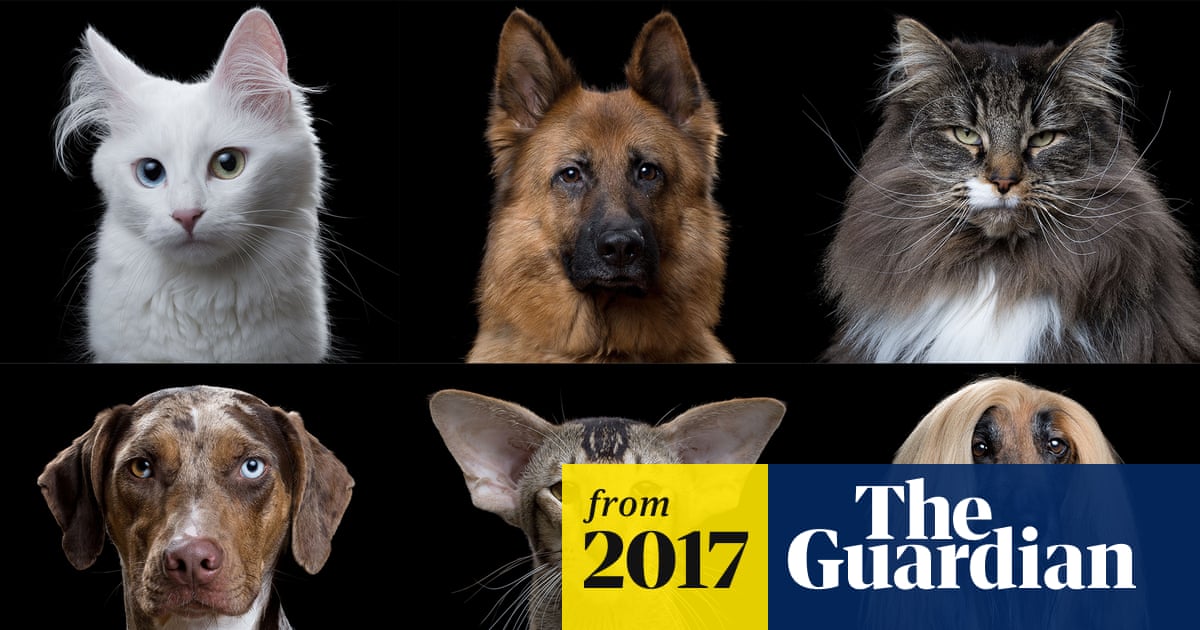
Think about your own pet or animals you know—have you noticed how some dogs look and act very differently from others? This variety reflects the deep human influence on dogs, something less common in cats.
Credit: www.theguardian.com
Purpose And Roles
Dogs and cats have very different histories with humans. Their roles have shaped how many breeds exist today. Dogs have been bred for many jobs and tasks. Cats, mainly, have been companions and pest controllers. This difference in purpose affects the variety of breeds for each.
Working Versus Companionship
Dogs have worked alongside humans for thousands of years. They have been hunters, herders, guards, and helpers. Each job needed special skills and traits. This led to many different breeds created for specific tasks.
Cats, on the other hand, were mostly valued for catching mice. They did not have many varied roles. Most cats were pets or pest controllers. This limited the need for many different breeds.
Breed Specialization
Dog breeds show a wide range of sizes, shapes, and abilities. Some are bred for speed, others for strength or intelligence. This breed specialization meets many needs.
Cat breeds vary less because their roles stayed similar. Breeders focused more on appearance and personality than function. This resulted in fewer distinct breeds compared to dogs.
Genetic Diversity
Genetic diversity plays a crucial role in understanding why there are more dog breeds than cat breeds. Dogs have a fascinating genetic history that has led to a wide variety of breeds, each with unique characteristics. Meanwhile, cats, though diverse, have a less varied genetic pool, resulting in fewer distinct breeds.
Ancestral Variability
Dogs have a complex ancestry with multiple wild canine species contributing to their genetic makeup. This variability has provided a rich tapestry of traits for breeders to work with. Cats, on the other hand, primarily descend from the African wildcat, offering less genetic variety.
Think about the difference in size and appearance between a Chihuahua and a Great Dane. Such diversity is a testament to the broad genetic foundation that dogs have inherited. Cats, while having some size and feature variations, do not show such extreme differences.
Selective Breeding Effects
Selective breeding has been more prevalent and intense in dogs due to their varied roles in human society. Whether it’s herding, hunting, or companionship, each role has shaped dogs into the numerous breeds we see today. Cats have been primarily bred for companionship, resulting in less dramatic differences.
Consider how dog shows and competitions have accelerated breed development by creating demand for specific traits. This has led to the emergence of new breeds over time. Cats, while cherished as pets, have not been subject to the same degree of selective breeding pressure.
Have you ever wondered why your friend’s dog looks so different from yours, while their cat seems quite similar? The answer lies in this fascinating interplay of genetic diversity and human influence. Understanding this can deepen your appreciation for these beloved animals and the unique paths they’ve taken alongside humans.
Reproductive Traits
Reproductive traits play a key role in why there are more dog breeds than cat breeds. These traits affect how easily animals can be bred and how many offspring they produce. Dogs and cats differ greatly in these areas, which influences breed diversity.
Breeding Ease
Dogs are easier to breed in controlled environments. They are more adaptable to human guidance during mating. Breeders can select specific traits and pair dogs accordingly. Cats, on the other hand, are less cooperative with planned breeding. They have a more independent nature and are harder to manage during mating.
This ease of breeding in dogs allows breeders to create many unique breeds. Each breed can have distinct features, behavior, and size. Cats have fewer breeds because breeding control is more challenging.
Litter Size And Frequency
Dog litters tend to be larger than cat litters. A typical dog litter has 5 to 6 puppies, while cats usually have 3 to 4 kittens. Dogs also breed more often throughout the year. This higher frequency leads to faster breed development.
Cats have a more seasonal breeding cycle. They produce fewer litters annually. These factors limit the number of new cat breeds. Dogs’ larger and more frequent litters increase the chance of creating new genetic combinations.
Cultural Preferences
Cultural preferences shape how societies view and treat animals. These preferences affect which animals become popular pets. Dogs often fit specific roles in culture, such as helpers, workers, or companions. This leads to a wider variety of dog breeds tailored to these roles. Cats, seen mainly as companions, have fewer breeds designed for specific tasks. Culture influences breeding choices deeply, resulting in more dog breeds than cat breeds.
Geographical Influences
Different regions favor different dog breeds based on climate and lifestyle. Cold areas breed dogs with thick fur for warmth. Hot regions favor dogs with short coats for comfort. Dogs also adapt to the work needs of local people. Herding, hunting, or guarding breeds develop in response to these needs. Cats do not vary as much by region because they are less specialized. This geographical influence expands the variety of dog breeds worldwide.
Media And Popularity
Movies, TV shows, and books often feature dogs, boosting their popularity. Famous dog breeds gain fans quickly, prompting more breeding. Social media also plays a role in showcasing dog diversity. People want pets that look like popular dogs they see online. Cats get less media attention for breed variety. This media focus on dogs encourages breeders to create new breeds. Popularity drives cultural demand, increasing the number of dog breeds available.
Breed Recognition
Breed recognition plays a huge role in why there are more dog breeds than cat breeds. It’s all about how different groups officially identify and classify animals based on distinct traits. This process is more organized and widespread in the dog world, affecting how breeds are created, maintained, and celebrated.
Kennel Clubs’ Role
Kennel clubs are the main authorities that decide which dog breeds get official status. They keep detailed records, called pedigrees, which track a dog’s lineage and traits. These clubs often hold dog shows and competitions, encouraging breeders to refine specific characteristics.
Unlike dogs, cats have fewer major clubs that focus on breed recognition, which means fewer officially accepted breeds. When you think about it, the dog’s world has multiple large kennel clubs worldwide, like the American Kennel Club (AKC) or The Kennel Club in the UK, all pushing breed recognition forward.
This organized system motivates breeders to develop new dog breeds with unique features. Have you noticed how many new dog breeds pop up every few years? That’s the direct result of kennel clubs promoting breed variety and standards.
Standardization Processes
Breed standardization means setting clear rules about what makes a breed unique. These standards describe size, coat type, color, behavior, and other features. Dog breeds have very detailed standards, making it easier to recognize and separate them from one another.
Cat breeds, on the other hand, often have broader and less strict standards. This makes it harder to create and officially recognize many distinct breeds. For example, many cat breeds share similar coat patterns or body shapes, so the need for separate breed categories isn’t as strong.
When you think about your own dog or cat, consider how much variety you see in dogs compared to cats. The detailed standardization in dogs pushes breeders to experiment and create new breeds, while cats remain more generalized. Could this be why you often hear about new dog breeds but rarely about new cat breeds?
Future Trends
The future of dog and cat breeds shows clear differences. Dogs continue to evolve with new breeds emerging. Cats, however, grow slowly in breed variety. This trend reflects human interest, genetics, and animal care ethics.
Emerging Breeds
New dog breeds appear regularly due to selective breeding. Breeders focus on traits like size, coat, and behavior. Some new breeds combine qualities from popular dogs. This creates fresh options for pet lovers.
Cat breed development moves at a slower pace. Breeders often prioritize health and temperament over variety. New cat breeds usually arise from natural mutations or hybrids.
Conservation And Ethics
Ethical concerns shape the future of dog breeding. There is a growing focus on avoiding health problems. Breeders aim to protect genetic diversity and animal welfare.
Cat breeders also emphasize conservation. They work to keep rare breeds alive. Responsible breeding practices support long-term health and well-being.

Credit: worldanimalfoundation.org
Credit: worldanimalfoundation.org
Frequently Asked Questions
Why Are Dog Breeds More Diverse Than Cat Breeds?
Dogs have been bred for specific tasks like hunting and herding. This selective breeding created many distinct dog breeds. Cats were mostly bred for companionship, leading to fewer breeds. Dogs’ longer domestication and varied roles explain their breed diversity.
How Did Selective Breeding Affect Dog Breeds?
Selective breeding focused on traits like size, behavior, and skills in dogs. This process created many unique breeds tailored for different needs. Cats underwent less intensive breeding, resulting in fewer variations. Selective breeding is key to the wide range of dog breeds today.
Does Domestication Time Influence Breed Variety?
Yes, dogs were domesticated around 15,000 years ago, much earlier than cats. Longer domestication allowed more genetic variation and breed development in dogs. Cats, domesticated about 9,000 years ago, had less time for breed diversification. Time impacts breed variety significantly.
Are Cats Less Genetically Diverse Than Dogs?
Cats have less genetic diversity due to fewer breed distinctions and less selective breeding. Dogs show more genetic variation because of intentional breeding for specific traits. Lower genetic diversity in cats limits the number of distinct breeds available.
Conclusion
Dogs have been bred for many different jobs and needs. Humans chose traits in dogs for hunting, herding, and guarding. Cats mostly live as pets and hunters without much change. This difference led to many dog breeds but fewer cat breeds.
Both animals bring joy, but dogs show more variety. That’s why the world has so many types of dogs today.



Leave a Reply