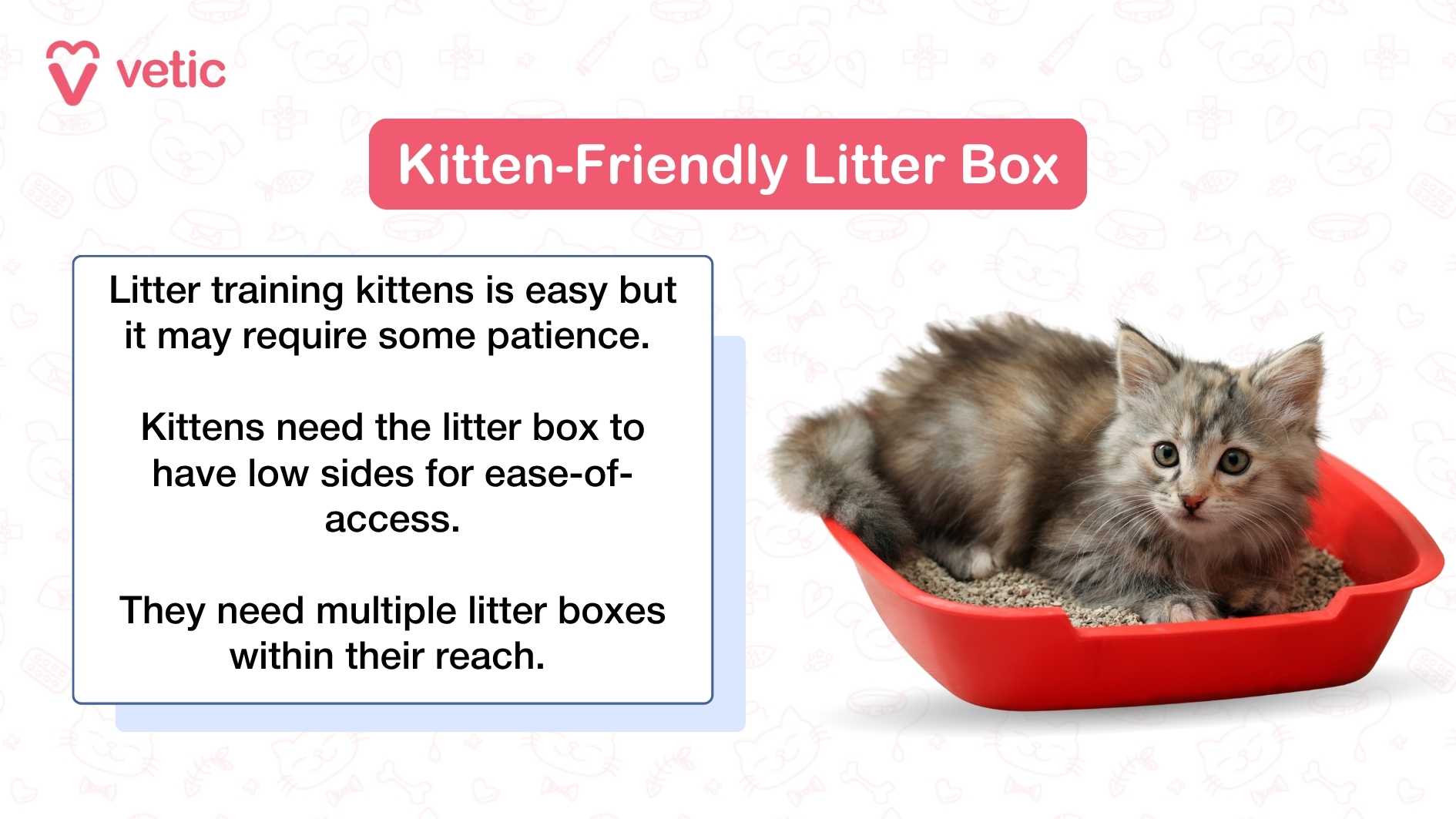
Have you ever wondered why cats seem to learn potty training faster than other pets? If you’ve tried teaching your furry friend where to go, you might have noticed how naturally they take to it.
Understanding why cats are so easy to potty train can save you time, frustration, and even strengthen your bond with your pet. Keep reading to discover the surprising reasons behind your cat’s quick learning and how you can make the process even smoother.
Natural Instincts
Cats are naturally wired to use a litter box with minimal fuss. Their instincts guide them toward behaviors that make potty training surprisingly easy. Understanding these natural tendencies can help you work with your cat rather than against them.
Burial Behavior
Cats instinctively bury their waste. This behavior comes from a survival tactic in the wild to hide their scent from predators and rivals. When you provide a litter box filled with loose, sandy material, your cat immediately recognizes it as a perfect spot to dig and cover their waste.
Have you noticed how your cat scratches around their litter before doing their business? That’s their way of mimicking the natural process of burying. This instinct makes the litter box feel familiar and comfortable to them, easing the training process.
Scent Marking
Cats use scent to communicate, but they prefer to keep their toileting private. By burying their waste, they reduce the scent’s spread, signaling that the area is “clean” and not a territory to fight over. This self-control helps them stick to one designated spot, like your litter box.
Providing a consistent place for your cat to relieve themselves taps into this need for controlled scent marking. You can encourage your cat by keeping the litter box clean and in a quiet spot, making it a secure place for their natural marking habits.
Self-cleaning Habits
Cats are known for their grooming, and this extends to their bathroom habits. They don’t like to soil their living area, so they instinctively seek out a clean place to do their business. A well-maintained litter box satisfies this need for cleanliness.
Think about your own preference for cleanliness—would you want to use a messy bathroom? Your cat feels the same way. Keeping the litter box tidy not only respects their self-cleaning habits but also encourages them to consistently use the box.
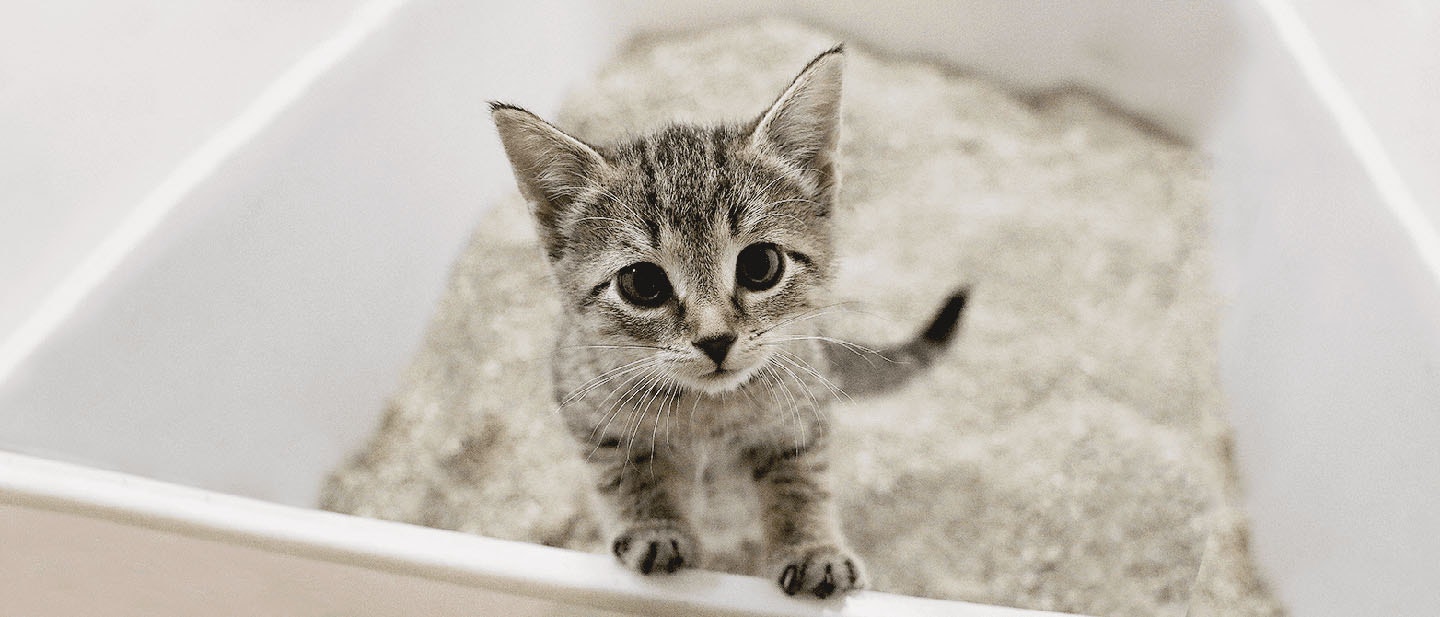
Credit: www.whiskas.com.ph
Litter Box Appeal
Cats naturally prefer using a litter box because it fits their instincts well. The litter box offers a safe, private place for them to relieve themselves. Its design mimics the soft ground cats dig in outdoors. This makes potty training simpler and quicker for most cats.
Texture Preferences
Cats like soft, grainy textures under their paws. Litter with a sandy or clumping feel often appeals most. Hard or rough surfaces can discourage use. Cats may reject litter boxes with unsuitable litter types. Testing different textures helps find the best fit for your cat.
Location Matters
Placing the litter box in a quiet spot is key. Cats avoid noisy or busy areas for privacy. They prefer easy access but away from their food and water. A calm location reduces stress and encourages regular use. Avoid spots with strong smells or frequent disturbances.
Cleanliness Expectations
Cats are very clean animals by nature. They avoid dirty or smelly litter boxes. Frequent scooping and litter replacement keeps the box inviting. A clean box reduces accidents outside the litter area. Maintaining hygiene supports consistent potty habits.
Early Learning
Cats naturally prefer clean spaces, making them quick to learn where to potty. Their instinct to bury waste helps them use litter boxes with ease. This behavior supports early and simple potty training for cats.
Early learning plays a crucial role in potty training cats. Kittens learn quickly during their first few weeks. This period shapes their behavior and habits. It is a time of discovery and learning from their environment. Let’s explore how early experiences influence a kitten’s ability to use the litter box.Mother’s Role
The mother cat teaches her kittens essential skills. She demonstrates how to use the litter box. Kittens observe and mimic her actions. This natural process makes learning quick and efficient. The mother’s guidance helps kittens understand cleanliness.Kitten Curiosity
Kittens are naturally curious. They explore their surroundings with eagerness. This curiosity helps them learn about the litter box. They sniff, dig, and play in it. These actions help them understand its purpose. Their inquisitive nature aids in quick learning.Imitation And Reinforcement
Kittens learn by imitating others. They watch adult cats and copy their behavior. Positive reinforcement also plays a role. Praise and gentle encouragement boost their confidence. These methods make potty training a positive experience. The combination of imitation and rewards ensures success.
Credit: www.purina.com
Human Interaction
Human interaction plays a crucial role in why cats are so easy to potty train. Cats are naturally responsive to the environment you create around them, especially through your behavior and communication. Understanding how to interact with your cat can make the training process smoother and even strengthen your bond.
Positive Reinforcement
Rewarding your cat with treats or affection right after they use the litter box encourages them to repeat the behavior. Cats quickly learn to associate the litter box with positive experiences when you praise them immediately.
Try using small, tasty treats or gentle petting as a reward. You might be surprised how fast your cat catches on when you consistently acknowledge their good behavior.
Consistency And Patience
Consistency is key in any training, and cats are no different. Use the same cues, location, and routine every day to help your cat understand what you expect.
Patience is equally important. If your cat has an accident, don’t rush to frustration. Instead, calmly guide them back to the litter box to reinforce the habit. Have you noticed how your calm approach helps your cat feel secure and more willing to learn?
Avoiding Punishment
Punishing your cat for accidents can create fear and anxiety, making potty training more difficult. Cats don’t respond well to scolding or physical punishment; it often leads to hiding or avoiding the litter box altogether.
Focus on gentle guidance and reward instead. This approach builds trust and encourages your cat to repeat the desired behavior without stress.
Common Challenges
Potty training cats might seem straightforward, but you can face some common challenges along the way. Understanding these obstacles helps you address them quickly, keeping your cat comfortable and your home clean. Let’s look at some key issues that can complicate the training process.
Health Issues
Sometimes, a cat’s reluctance to use the litter box signals a health problem. Urinary tract infections, kidney issues, or digestive troubles can cause discomfort, making your cat avoid the box.
If your cat suddenly stops using the litter box, check for signs like frequent urination, blood in urine, or lethargy. Visiting a vet early can save your cat from pain and prevent accidents in your home.
Stress And Environment
Cats are sensitive creatures. Changes in their environment, like moving to a new home or adding a new pet, can cause stress and disrupt potty habits.
Have you noticed your cat avoiding the litter box after a change? Stress can make them mark territory elsewhere. Creating a calm, consistent space with familiar scents can help your cat feel secure again.
Litter Box Problems
Sometimes, the litter box itself is the issue. Cats dislike dirty boxes, strong smells, or the wrong type of litter. A box that’s too small or placed in a noisy area can also be off-putting.
- Keep the box clean by scooping daily.
- Try different litter textures to find what your cat prefers.
- Place the box in a quiet, private spot.
Have you checked your litter box setup recently? Small changes can make a big difference in your cat’s willingness to use it consistently.
Tips For Successful Training
Successful potty training for cats hinges on a few key factors that you can control. Paying attention to your cat’s preferences and comfort can make the process much smoother. Here are some practical tips to help you guide your feline friend toward consistent litter box use.
Choosing The Right Litter
Not all cat litters are created equal. Cats can be picky about texture and scent, so try different types like clumping, non-clumping, scented, and unscented.
Many cats prefer fine-grained, unscented litter because it feels more natural to them. You might notice your cat avoiding the box if the litter is too rough or strongly scented.
Watch how your cat reacts when you introduce a new litter. If they dig enthusiastically and seem comfortable, you’ve likely found a good match.
Setting Up The Space
Location matters more than you might think. Place the litter box in a quiet, low-traffic area where your cat can have privacy but still feel safe.
Make sure the box is easily accessible, especially if you have a kitten or an older cat. Avoid putting it near their food or water bowls to prevent any hesitation.
Cleanliness is crucial. Scoop the box daily and wash it regularly to keep your cat coming back without hesitation.
Monitoring And Adjusting
Keep an eye on your cat’s bathroom habits and be ready to adjust things if needed. If your cat suddenly stops using the box, it might be time to change the litter or the box location.
Sometimes, adding an extra litter box in a different spot can help, especially in larger homes or multi-cat households.
Ask yourself: Is the box clean enough? Is the litter type still a good fit? Small changes can make a big difference in your cat’s comfort and success.
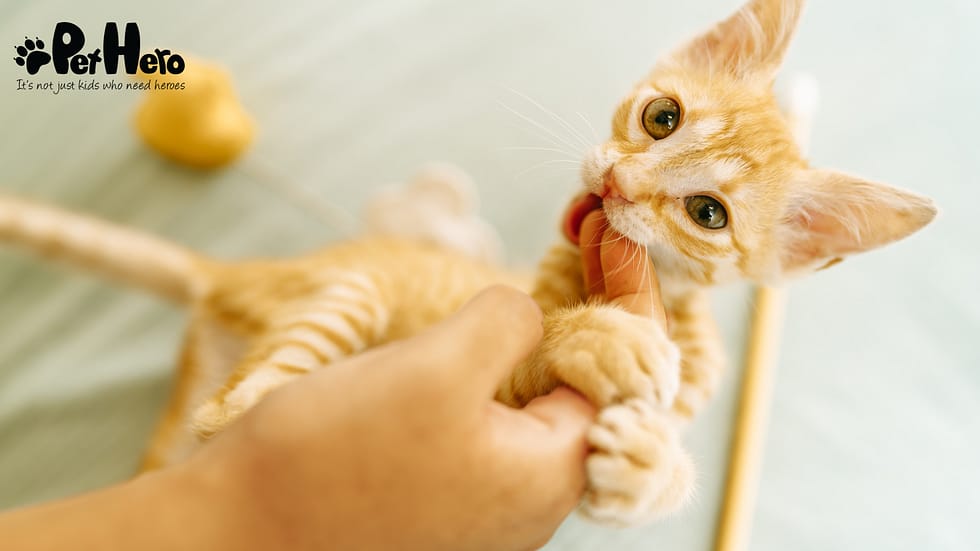
Credit: pethero.co.za
Frequently Asked Questions
Why Are Cats Naturally Easy To Potty Train?
Cats have strong instincts to bury their waste, making litter boxes appealing. Their clean habits help them quickly learn appropriate potty spots. This natural behavior reduces training time compared to other pets.
How Does A Cat’s Behavior Aid Potty Training?
Cats dislike dirty environments and prefer cleanliness. They avoid soiling their living areas, encouraging use of litter boxes. This behavior simplifies potty training and keeps homes odor-free.
What Role Does Litter Box Placement Play?
Proper litter box placement ensures cats feel safe and comfortable. Quiet, accessible locations encourage consistent use. Good placement minimizes accidents and supports easy potty training.
How Long Does It Take To Potty Train A Cat?
Most cats adapt to litter boxes within a few days to a week. Consistency and positive reinforcement speed up training. Early training leads to faster, smoother results.
Conclusion
Cats learn to use the litter box quickly. Their natural habits make training simple. They want a clean place to go. This helps them avoid messes. Owners only need to provide a good box. Patience and consistency speed up the process.
Cats enjoy routines and quiet spots. This makes potty training easier than with other pets. Understanding their instincts helps owners teach better. A clean, safe area invites cats to use it. Potty training a cat is often stress-free. This is why many find cats easy to train.

Leave a Reply