
Have you ever noticed those striking little tufts of fur on the tips of some cats’ ears? These are called lynx tufts, and they give cats a wild, mysterious look that many find irresistible.
If you’re curious about which cat breeds naturally sport these eye-catching features, you’re in the right place. Discovering the breeds with lynx tufts can help you find a feline friend that stands out in any crowd—and maybe even matches your own unique style.
Keep reading to learn all about these fascinating cats and what makes their ears so special.
Lynx Tufts Explained
Lynx tufts are a unique feature seen in some cat breeds. These small, pointed hairs grow from the tips of their ears. They give cats a wild and mysterious look. Many people find lynx tufts charming and want to learn more about them.
This section explains what lynx tufts are and their purpose in cats. It helps you understand why some cats have them and what benefits they offer.
What Are Lynx Tufts
Lynx tufts are tufts of fur that grow from the ear tips. They are usually long and pointed. These tufts look similar to those on wild lynxes. The tufts can be black, brown, or match the cat’s fur color. Not all cats have lynx tufts. They are most common in certain breeds.
Purpose Of Lynx Tufts In Cats
Lynx tufts help protect a cat’s ears. They keep dirt and debris out. The tufts also help improve hearing by directing sound into the ear canal. In cold weather, lynx tufts provide extra warmth to the ears. These tufts may also help cats communicate by making ear movements more visible.
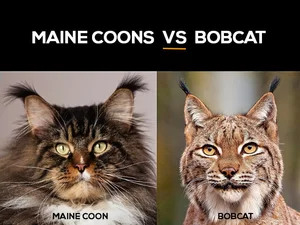
Credit: www.lovinglynx.com
Maine Coon
The Maine Coon is a popular cat breed known for its large size and friendly nature. This breed is one of the oldest natural breeds in North America. Maine Coons are famous for their impressive lynx tufts, which add to their wild, majestic look.
Distinctive Features
- Large, muscular body with a broad chest
- Long, shaggy fur that repels water
- Tufted ears with pointed lynx tips
- Bushy tail that resembles a raccoon’s tail
- Wide, expressive eyes that can be green, gold, or copper
Personality Traits
- Gentle and affectionate with family members
- Playful and curious, enjoying interactive toys
- Intelligent and quick to learn new tricks
- Social and friendly with children and other pets
- Loyal and often follows owners around the house
Norwegian Forest Cat
Norwegian Forest Cats are known for their lynx tufts, which are the pointed fur tips on their ears. These tufts help protect their ears from cold weather and give them a wild, natural look. This breed’s thick coat and ear tufts make it stand out among others.
The Norwegian Forest Cat is a majestic feline with a history as rich as its luxurious fur. Known for its striking appearance and playful personality, this breed is beloved by cat enthusiasts around the world. Its distinctive lynx tufts, those charming little ear tips, add to its wild and natural allure, making it a true standout among domestic cats.Physical Characteristics
The Norwegian Forest Cat is a large, robust breed. Its thick, water-repellent coat is designed to withstand harsh climates, making it perfect for adventurous outdoor escapades. The lynx tufts on its ears not only enhance its appearance but also serve a practical purpose by helping to direct sound more effectively. These cats have a long, bushy tail, which they use to wrap around themselves for warmth. Their muscular build and strong legs make them excellent climbers. Have you ever watched a Norwegian Forest Cat scale a tree with ease? It’s a sight to behold.Adaptations To Environment
This breed is well-adapted to cold environments, thanks to its dense double-layered coat. The undercoat provides insulation, while the outer layer repels moisture. This adaptation is vital for a cat that historically roamed the forests of Norway. Their large paws are equipped with tufts of fur, acting like natural snowshoes to prevent sinking into snow. This makes the Norwegian Forest Cat not just a beautiful pet, but a marvel of nature’s engineering. How amazing is it that these cats have evolved to thrive in such challenging environments? In your own home, they might not face the same wilderness, but these traits make them resilient and adaptable companions. When you see your Norwegian Forest Cat basking comfortably, it’s a testament to their incredible adaptability and evolution. Have you noticed how these traits manifest in your feline friend?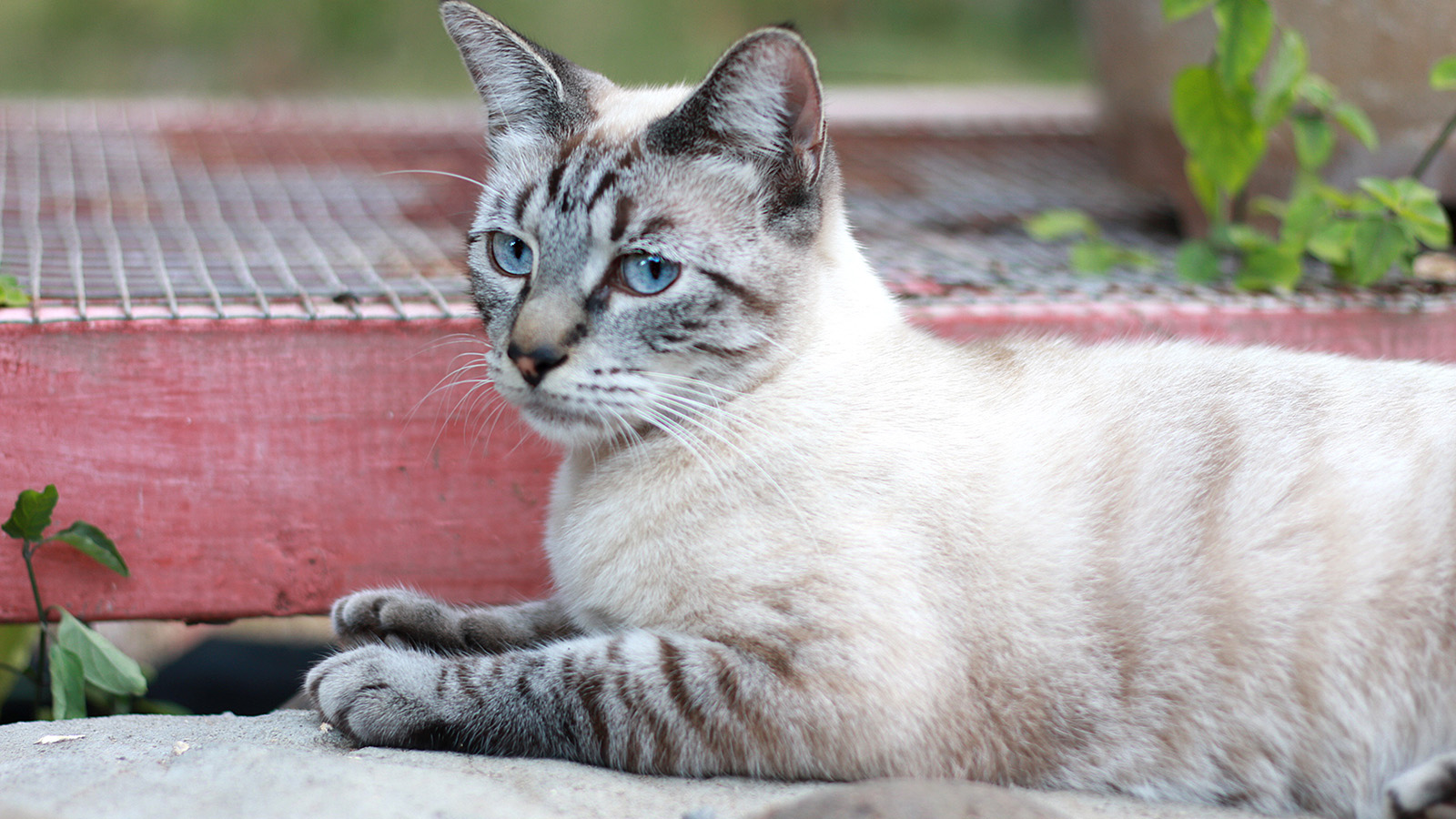
Credit: animals.howstuffworks.com
Siberian Cat
The Siberian Cat is a majestic breed known for its strong build and thick fur. This breed comes from Russia’s cold climate, which shaped its unique features. Siberian Cats have lynx tufts, a striking characteristic that adds to their wild appearance. These tufts are the little hair tips that extend from the ears.
Coat And Lynx Tufts
The Siberian Cat has a dense triple coat that protects it from harsh weather. Its fur is soft but water-resistant, helping it stay dry. The lynx tufts on the ears are long and pointed, similar to those of a wild lynx. These tufts help keep the ears warm and free from snow. The coat colors vary widely, including silver, blue, tabby, and more. The fur also grows longer around the neck, creating a natural ruff.
Behavior And Temperament
Siberian Cats are friendly and playful. They enjoy human company and adapt well to families. This breed is known for its intelligence and curiosity. Siberians are also agile climbers and love exploring high places. They communicate with soft, sweet sounds rather than loud meows. This cat breed is gentle but active, needing mental and physical stimulation daily. Siberians get along well with children and other pets, making them excellent companions.
Turkish Van
The Turkish Van stands out as a fascinating breed with a rich history and a personality to match. Known for their love of water and energetic nature, these cats bring a unique charm to any home. Understanding their physical traits, especially their lynx tufts, can help you appreciate their wild yet elegant look even more.
Unique Appearance
The Turkish Van is instantly recognizable thanks to its distinctive coat and body shape. Their semi-long fur feels soft and silky, often white with colored patches mainly on the head and tail. This breed has a strong, muscular build that supports their active lifestyle.
One of the most striking features is their expressive eyes, which can be amber, blue, or even odd-eyed (one of each color). Their large ears sit high on the head and contribute to their alert expression. When you see a Turkish Van, you notice a perfect balance of strength and grace.
Lynx Tufts Presence
Turkish Vans usually have noticeable lynx tufts on their ears, though the size and prominence can vary. These tufts are the little tufts of fur that stick out from the tips of their ears, giving them a wild, natural look. They are not as exaggerated as in some other breeds like the Maine Coon but still add a unique flair.
These lynx tufts serve more than just an aesthetic purpose—they help protect the ears from debris and cold. If you’ve ever watched a Turkish Van in action, these tufts seem to enhance their alertness and keen hearing. Have you ever noticed how those tufts catch the light and add character when your cat is curious or playful?
Other Breeds With Lynx Tufts
Lynx tufts are those charming little tufts of fur at the tips of a cat’s ears that give them a wild, regal look. While many people associate lynx tufts primarily with breeds like the Maine Coon, several other breeds also sport these distinctive features. Understanding which breeds have lynx tufts can help you appreciate the diversity and unique beauty in the feline world.
Less Common Breeds
Besides the popular Maine Coon and Norwegian Forest Cat, a few less common breeds also have lynx tufts. The Siberian cat is one such breed, known for its thick coat and bushy ear tips that help it stay warm in cold climates. Another breed is the Turkish Van, which often displays these tufts, adding to their exotic appearance.
Have you ever noticed how these ear tufts seem to make the cat look more alert and expressive? It’s not just for show; in colder climates, these tufts protect the ears from frostbite. This practical feature is a good reminder that nature’s design often serves a purpose beyond aesthetics.
Mixed Breed Cats
Mixed breed cats can also have lynx tufts, especially if they carry genes from lynx-tufted breeds. You might spot these tufts in street cats or shelter cats, which can be a delightful surprise. It’s a reminder that beauty and unique traits aren’t limited to purebred cats.
If you’re considering adopting, keep an eye out for those ear tufts—they might hint at a fascinating heritage. Plus, mixed breed cats often have wonderful personalities and health benefits that purebreds sometimes lack. Does your cat have lynx tufts? It could be a clue to their mysterious ancestry.
Care For Cats With Lynx Tufts
Caring for cats with lynx tufts requires special attention to keep their ears healthy and clean. These distinctive tufts of fur on their ears can trap dirt and debris. Regular care helps prevent infections and keeps your cat comfortable.
Proper grooming and understanding health risks are key to maintaining your cat’s well-being.
Grooming Tips
- Check lynx tufts daily for dirt, dust, and debris.
- Use a soft brush or comb to gently clean the tufts.
- Trim excess fur around the ears carefully to avoid matting.
- Wipe the ear edges with a damp cloth if needed.
- Keep the grooming tools clean to prevent bacteria buildup.
- Regular grooming helps spot any changes early.
Health Considerations
- Watch for redness, swelling, or bad odor in the ears.
- Signs of irritation may include scratching or head shaking.
- Lynx tufts can hide ear mites or infections.
- Visit a vet if you notice unusual symptoms.
- Keep your cat’s environment clean to reduce ear problems.
- Routine vet checkups help maintain ear health.

Credit: www.shutterstock.com
Lynx Tufts And Cat Personality
Lynx tufts are the little hair tips at the end of a cat’s ears. These tufts give cats a wild and majestic look. Many people wonder if these tufts say anything about a cat’s personality. Do cats with lynx tufts behave differently? This section explores the connection between lynx tufts and cat behavior.
Do Tufts Affect Behavior?
Lynx tufts do not change how cats act. They are just a physical feature. Cats with tufts can be calm or playful, shy or outgoing. Personality depends on breed, upbringing, and environment.
For example, Maine Coons often have lynx tufts. They are known for being gentle and friendly. But this kindness comes from their breed, not the tufts. Tufts do not control mood or habits.
Myths And Facts
- Myth:Lynx tufts make cats more wild or aggressive.
Fact:Tufts have no link to aggression. - Myth:Cats with tufts are better hunters.
Fact:Hunting skills depend on instinct and training, not ear hair. - Myth:Tufts mean a cat is more intelligent.
Fact:Intelligence varies by individual, not by ear tufts.
Tufts are a natural trait. They help protect ears from cold or dirt. They add beauty but not personality.
Frequently Asked Questions
Which Cat Breeds Have Distinctive Lynx Tufts?
Maine Coons, Norwegian Forest cats, and Siberians commonly have lynx tufts. These ear tufts enhance their wild, rugged look. Lynx tufts help protect their ears from cold and debris in natural environments.
Do Lynx Tufts Affect A Cat’s Hearing?
Lynx tufts do not affect hearing. They primarily protect ears from dirt and cold weather. Their presence is more about appearance and adaptation than auditory function.
Are Lynx Tufts Common In All Domestic Cats?
No, lynx tufts are rare in most domestic cats. They mainly appear in specific breeds with wild ancestry or cold climate origins. Most common house cats lack these distinctive ear tufts.
How Do Lynx Tufts Benefit Cats In The Wild?
Lynx tufts protect cats from cold and debris. They help keep ears warm and clean in harsh environments. These tufts also aid in camouflage by breaking up the ear’s outline.
Conclusion
Lynx tufts give cats a wild, unique look. Breeds like the Maine Coon and Norwegian Forest Cat show these ear tips well. These tufts help cats hear better and look alert. They add charm and character to each breed. Knowing which cats have lynx tufts helps you appreciate their beauty more.
These features make certain cats stand out in a crowd. Each tuft tells a small story of nature’s design. A simple detail, yet it makes a big difference in appearance. Lynx tufts are a lovely trait to admire in cats.




Leave a Reply