Are you curious about which cat breeds might carry Capnocytophaga, a bacteria that can affect both cats and humans? Understanding this can help you keep yourself and your furry friend safe and healthy.
Whether you own a cat or are thinking about getting one, knowing the risks and which breeds are more likely to carry this bacteria is important. Keep reading to discover the facts that every cat lover should know—your peace of mind and your pet’s wellbeing depend on it.

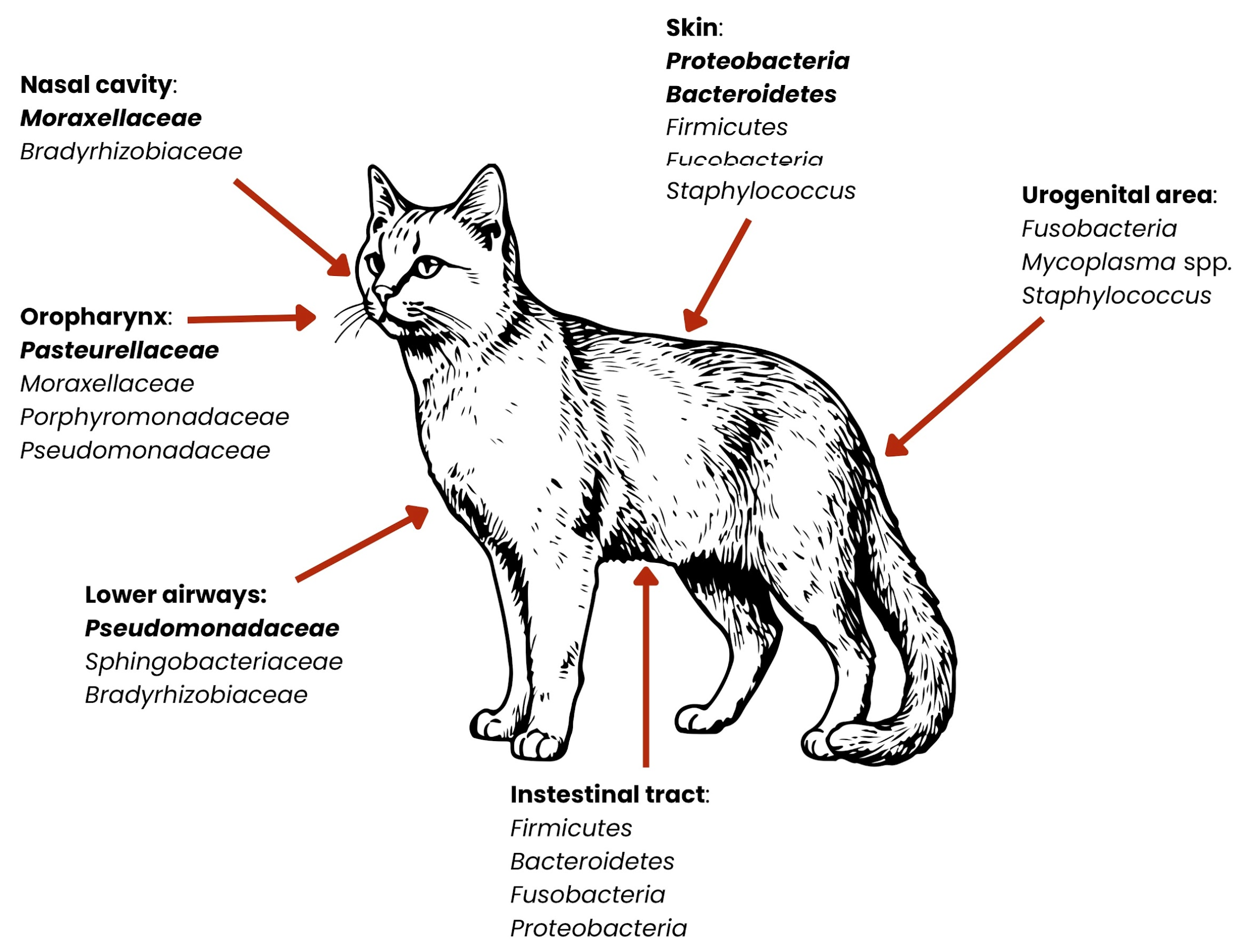
Credit: www.oaepublish.com
Capnocytophaga And Cats
Capnocytophaga is a type of bacteria found in many animals, including cats. Some cat breeds carry this bacteria more often than others. Understanding how Capnocytophaga relates to cats helps pet owners keep themselves safe. It also helps in caring for cats properly.
What Is Capnocytophaga?
Capnocytophaga is a group of bacteria living in the mouths of animals. It often lives harmlessly in cats and dogs. For most healthy people, it causes no problems. But it can cause infections in people with weak immune systems. The bacteria can enter the body through bites or scratches.
How Cats Carry The Bacteria
Many cats carry Capnocytophaga in their saliva. The bacteria live naturally in their mouths. Cats do not show signs of illness from the bacteria. Bites and scratches from cats can transfer the bacteria to humans. Some cat breeds have higher rates of carrying Capnocytophaga. These include outdoor cats or those that hunt rodents.

Credit: www.petscare.com
Cat Breeds Commonly Linked To Capnocytophaga
Capnocytophaga is a type of bacteria found in the mouths of many cats. Some cat breeds carry this bacteria more often than others. Knowing which breeds are commonly linked to Capnocytophaga helps cat owners stay safe. It also guides vets in managing risks related to bites or scratches. This section highlights cat breeds associated with this bacteria and their potential risks.
Domestic Shorthair Cats
Domestic Shorthair cats are the most common type of cats worldwide. They often carry Capnocytophaga bacteria in their mouths. These cats have diverse genetics, making them a wide group. Their friendly nature means many people have close contact with them. This increases the chances of spreading the bacteria through bites or scratches.
Siamese Cats
Siamese cats are known for their striking appearance and vocal personality. Studies show they may carry Capnocytophaga at higher rates than some other breeds. Their social behavior leads to frequent interaction with humans. This raises the risk of transmission, especially in homes with young children or elderly people.
Persian Cats
Persian cats have long fur and a gentle temperament. They can harbor Capnocytophaga bacteria like other cats. Their grooming habits may spread bacteria around their fur and skin. Owners should monitor any wounds or scratches carefully to prevent infection. Regular vet check-ups help keep these cats healthy and safe.
Other Breeds With Potential Risk
- Bengal cats – Known for their active nature and close contact with owners.
- Ragdoll cats – Their calm behavior often leads to close physical contact.
- Maine Coon cats – Large breed with friendly personality, increasing human interaction.
- British Shorthair cats – Dense coat and affectionate nature may carry bacteria.
These breeds also have Capnocytophaga risks due to their behavior and contact with humans. Always practice safe handling and hygiene around any cat breed.
Health Risks For Cats
Cats can carry Capnocytophaga bacteria without showing signs. This bacterium lives naturally in their mouths. It poses health risks to cats and humans alike. Knowing these risks helps with early detection and care. Some cat breeds may be more prone to infections.
Symptoms In Infected Cats
Infected cats may have:
- Fever and lethargy
- Swollen gums or mouth sores
- Loss of appetite
- Difficulty breathing in severe cases
- General weakness and discomfort
Symptoms can vary and sometimes remain mild. Regular vet check-ups can catch infections early.
Transmission To Humans
Capnocytophaga spreads from cats to humans mainly through bites or scratches. Close contact with saliva can also be risky. People with weak immune systems face higher danger. Proper hygiene after handling cats reduces transmission risk.
Risk Factors
- Young, old, or sick cats have weaker defenses
- Cats with dental disease carry more bacteria
- Immunocompromised humans are more vulnerable
- Close contact without hand washing increases risk
- Outdoor cats may encounter more infections
Knowing these factors helps protect both cats and people.
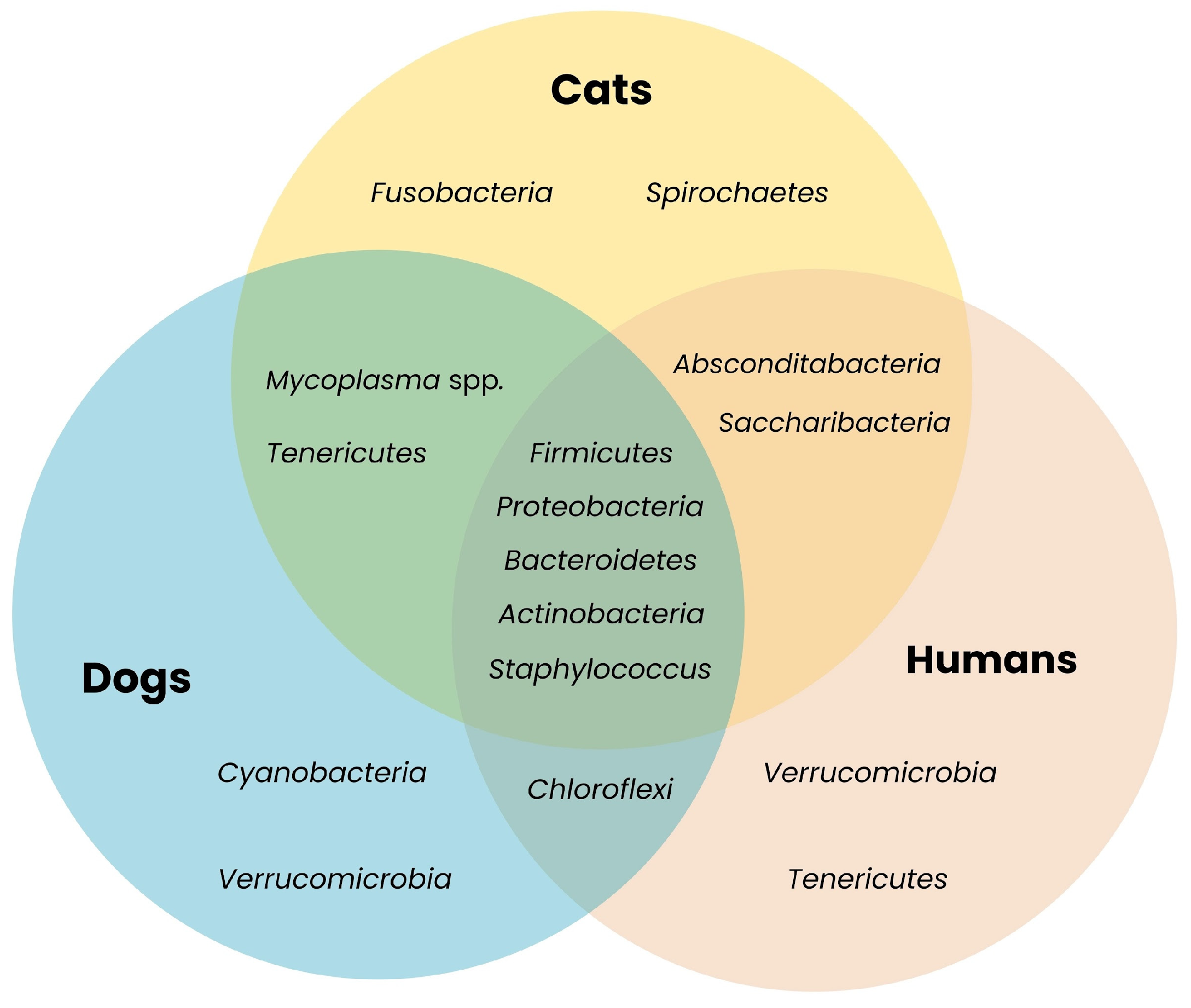
Credit: www.mdpi.com
Preventing Capnocytophaga Infection
Preventing Capnocytophaga infection is essential for cat owners. This bacteria lives in many cats’ mouths and can spread through bites or scratches. Careful steps reduce the risk of infection and keep both cats and humans safe.
Hygiene Practices
Clean hands after touching cats or their items. Wash scratches or bites with soap and water right away. Avoid sharing food or drinks with cats. Keep cat bedding and toys clean regularly. These habits lower bacteria spread and prevent infection.
Regular Veterinary Care
Take cats to the vet for check-ups often. Vets check for infections and overall health issues. Vaccinations and dental care help keep cats healthy. Early detection of problems can prevent bacteria growth. Follow vet advice closely to protect your pet.
Handling Cats Safely
Be gentle when playing or holding cats. Avoid sudden movements that may scare them. Use gloves if handling cats with wounds or illness. Teach children to respect cats’ space. Prevent bites and scratches by reading cat body language.
Treatment Options For Infections
When dealing with infections caused by Capnocytophaga in cats, understanding treatment options is essential. Quick and effective treatment can prevent further complications. Below, we explore various approaches to managing these infections.
Antibiotic Therapies
Antibiotics are often the first line of defense against bacterial infections. A veterinarian will prescribe the appropriate antibiotic based on the infection’s severity. It’s important to complete the full course of antibiotics to ensure effectiveness. Never stop the medication early, even if your cat appears better.
Managing Symptoms
Managing symptoms helps in the recovery process. Keep your cat comfortable and hydrated. Offer bland food if their appetite decreases. Ensure a quiet, stress-free environment to aid healing. Observe any changes in behavior or condition.
When To Seek Veterinary Help
Seek veterinary help if symptoms worsen or don’t improve. Look for signs like excessive drooling, lethargy, or changes in behavior. Early intervention can prevent serious complications. Always follow the vet’s advice closely for the best outcomes.
Frequently Asked Questions
Which Cat Breeds Commonly Carry Capnocytophaga?
Most domestic cats can carry Capnocytophaga, especially common breeds like domestic shorthairs. There is no specific breed that is more prone to carrying this bacteria.
How Does Capnocytophaga Spread From Cats To Humans?
Capnocytophaga spreads through cat bites, scratches, or close contact with saliva. It can enter the human bloodstream causing infections.
Are Certain Cat Breeds More Dangerous For Capnocytophaga Infection?
No cat breed is inherently more dangerous for Capnocytophaga. Any cat can carry the bacteria regardless of breed or age.
What Symptoms Indicate Capnocytophaga Infection From Cats?
Symptoms include fever, swelling, redness, and pain near the bite or scratch. Severe cases may cause sepsis or organ failure.
Conclusion
Cat breeds can carry Capnocytophaga, but risks vary. All cats may have this bacteria naturally in their mouths. Cleaning cat bites and scratches quickly helps prevent infections. People with weak immune systems should take extra care around cats. Knowing about Capnocytophaga helps keep both cats and owners safe.
Always watch your cat’s behavior and health closely. Safe handling and hygiene reduce chances of illness. Understanding this topic supports better pet care and health.



Leave a Reply