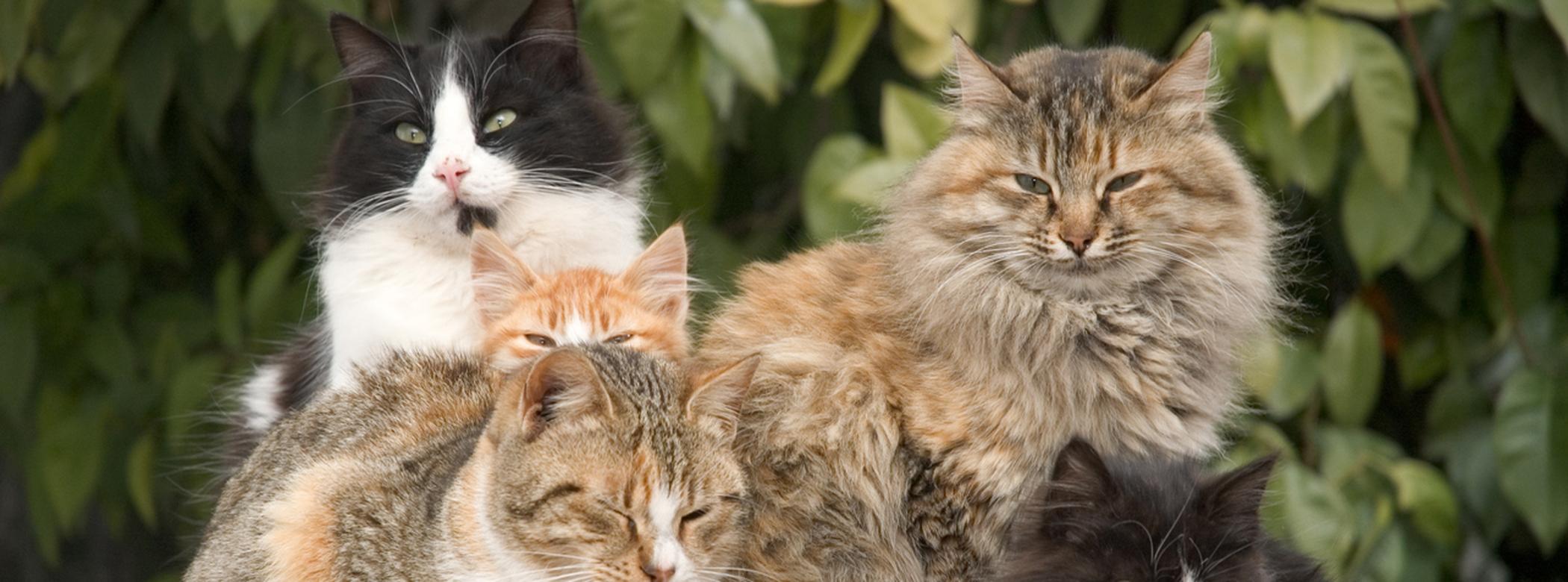
Are you curious about which cat breeds grow to be the biggest? Whether you want a gentle giant to share your home or simply love learning about impressive feline sizes, this guide is for you.
Knowing which cats get the biggest can help you prepare for their space needs, care, and personality. Keep reading to discover the largest cat breeds and find out which one might be the perfect fit for your life.
Largest Domestic Cat Breeds
Some domestic cat breeds stand out not just for their personalities but for their impressive size. If you think all house cats are small and delicate, these breeds will surprise you. Understanding which cats grow the biggest can help you prepare your home and lifestyle for a larger feline friend.
Maine Coon: The Gentle Giant
The Maine Coon is often called the gentle giant of the cat world. Males can weigh between 13 to 18 pounds, with some reaching over 20 pounds.
Despite their size, Maine Coons are affectionate and playful. Their long fur and tufted ears give them a majestic look that matches their friendly nature.
Savannah Cat: Wild Looks And Size
Savannah cats combine the wild appearance of their serval ancestors with domestic cat traits. They can weigh anywhere from 12 to 25 pounds depending on their generation and diet.
Their tall, lean bodies and striking spots make them look like miniature leopards. If you want a big cat with a unique look, the Savannah is a top choice.
Ragdoll: Big And Plush
Ragdolls are known for their large size and soft, plush coats. Adult males typically weigh 15 to 20 pounds, making them one of the heftiest indoor breeds.
They get their name from their tendency to go limp when held, offering a calm and cuddly companion. Their size means you’ll need sturdy furniture and plenty of space for them to lounge.
Norwegian Forest Cat: Nordic Size
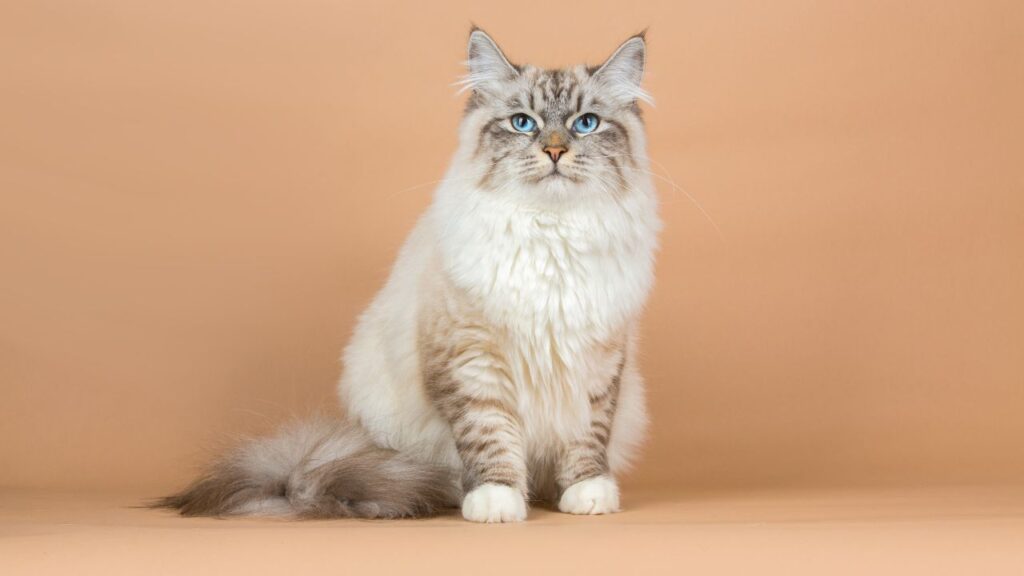
This breed has a sturdy build designed to handle cold climates. Norwegian Forest Cats often weigh 12 to 16 pounds and have thick, water-resistant fur.
They love climbing and exploring, so you should provide tall cat trees and outdoor-safe spaces. Their size and energy make them excellent for active households.
Chausie: Hybrid Strength
The Chausie is a hybrid between domestic cats and wild jungle cats, resulting in a large and athletic build. They weigh between 15 and 20 pounds, with muscular frames.
Chausies require lots of exercise and mental stimulation. Their wild heritage means they’re not for every cat lover, but if you want a big, strong cat, this breed might fit your lifestyle.
Factors Influencing Cat Size
Cat size varies greatly among different breeds and individual cats. Several factors influence how big a cat can grow. These include genetics, diet, and environment. Understanding these can help explain why some cats get bigger than others.
Genetics And Breed
The size of a cat mainly depends on its genes. Some breeds are naturally larger, like Maine Coons and Savannahs. These cats have genes that promote bigger bones and muscles. Smaller breeds, such as Siamese or Munchkins, carry genes for a petite frame. Genetics sets the foundation for a cat’s potential size.
Diet And Nutrition
Good nutrition is key for healthy growth. Cats need a balanced diet rich in protein and essential nutrients. Poor diet can stunt growth and cause health problems. Overfeeding may lead to obesity but does not increase bone size. Proper feeding supports muscle development and overall body condition.
Environment And Lifestyle
Living conditions affect a cat’s size and health. Active cats with space to play tend to develop stronger muscles. Stress and illness can slow growth or cause weight loss. Indoor cats might have less exercise but often receive steady food supply. A safe, stimulating environment encourages healthy size and shape.
Comparing Giant Cat Dimensions
Giant cat breeds stand out with their impressive size and unique features. Their dimensions vary widely, influencing their care and lifestyle needs. Understanding these differences helps cat lovers appreciate each breed’s special traits. Below is a detailed comparison of giant cat dimensions.
Average Weight And Height
Giant cats can weigh between 15 and 25 pounds or more. Their height usually ranges from 10 to 16 inches at the shoulder. For example:
- Maine Coon: 15-25 lbs, 10-16 inches tall
- Siberian: 15-20 lbs, 10-14 inches tall
- Norwegian Forest Cat: 13-22 lbs, 12-16 inches tall
Weight and height depend on genetics and diet. Males are often larger than females.
Length And Body Structure
Length varies, with some cats reaching over 40 inches from nose to tail tip. These cats have muscular, sturdy bodies. Their broad chests and strong legs support their weight. Long, bushy tails add to their overall size. Body structure adapts to cold climates, giving them a rugged look.
Lifespan Of Large Breeds
Large cat breeds generally live 12 to 15 years. Some may live longer with proper care. Their size does not greatly reduce lifespan. Regular vet visits and a healthy diet extend their life. Giant cats stay active and playful well into old age.
Credit: worldanimalfoundation.org
Care Tips For Large Cats
Large cats need special care to stay healthy and happy. Their size affects many daily needs. These cats require more food, space, and health checks than smaller breeds. Understanding these needs helps keep them strong and active.
Feeding Requirements
Big cats need more calories to support their size. Choose high-quality food rich in protein and fat. Avoid overfeeding to prevent obesity. Divide meals into smaller portions throughout the day. Fresh water should be available all the time.
Exercise And Space Needs
Large cats need plenty of room to move and play. Provide toys and climbing structures to keep them active. Regular exercise prevents weight gain and boredom. Create safe indoor or outdoor spaces where they can explore freely.
Health Considerations
Large cats may face joint and heart problems. Schedule regular vet visits to monitor their health. Watch for signs of discomfort or changes in behavior. Maintain dental care and parasite control for overall wellness.
Famous Giant Cats In History And Media
Certain cat breeds grow to impressive sizes, capturing attention in history and media. Maine Coons and Savannah cats often top the list for their large bodies and friendly nature. These giant cats leave a lasting impression wherever they appear.
Famous Giant Cats in History and Media The world of giant cats is as fascinating as it is diverse. These majestic felines capture our imaginations and hearts through history, media, and even our social media feeds. But what makes these big cats so special, and where have they left their paw prints in our culture?Record-holding Maine Coons
Maine Coons are the gentle giants of the cat world. Known for their impressive size and tufted ears, some have even made it into the record books. The most famous of these is Stewie, who held the title for the longest cat, measuring over 48 inches in length. These felines are not just about size; their playful and affectionate nature makes them beloved pets. If you’ve ever owned a Maine Coon, you know that their presence is as big as their stature.Giant Cats On Social Media
Social media has turned ordinary giant cats into international stars. Cats like Samson, known as “Catstradamus,” boast thousands of followers who are mesmerized by his lion-like mane and cuddly demeanor. Platforms like Instagram and TikTok are filled with videos showcasing these gentle giants lounging, playing, and even going on outdoor adventures. Have you ever found yourself scrolling endlessly through cat videos and wondered why you can’t stop? It might just be the hypnotic charm of these giant felines.Cats In Movies And Tv Shows
From the Cheshire Cat in “Alice in Wonderland” to the mystical Mr. Mistoffelees in “Cats,” giant cats have graced the silver screen with their enigmatic presence. Their larger-than-life personas translate perfectly into roles that require both elegance and mystery. Consider the enduring popularity of Garfield, whose laid-back attitude and love for lasagna have entertained audiences for decades. What is it about these cats that make them so captivating to watch? Perhaps it’s their ability to be both aloof and affectionate, a duality that keeps us intrigued. These famous giant cats have shaped the way we view our feline friends. Whether in record books, on social media, or through the lens of a camera, their influence continues to grow. What’s your favorite giant cat moment?
Credit: www.moneycontrol.com
Credit: paradepets.com
Frequently Asked Questions
Which Cat Breeds Grow The Biggest In Size?
Maine Coon, Savannah, and Ragdoll cats are among the biggest breeds. They often weigh between 15 to 25 pounds or more. These cats have muscular builds and long bodies, making them notably larger than average domestic cats.
How Large Can A Maine Coon Cat Get?
Maine Coons can reach up to 25 pounds or more. They typically grow up to 10 to 16 inches tall and 40 inches long, including their tails. Their size and friendly nature make them popular as gentle giants.
Are Savannah Cats Bigger Than Typical House Cats?
Yes, Savannah cats are significantly bigger than most house cats. They can weigh 12 to 25 pounds and stand taller due to their wild serval ancestry. Their long legs and lean bodies make them appear larger and more athletic.
Do Big Cat Breeds Require Special Care?
Big cat breeds need more space and a balanced diet to support their size. Regular grooming is essential for long-haired breeds like Maine Coons. They also benefit from interactive play to maintain their physical and mental health.
Conclusion
Big cat breeds offer unique charm and size. They often need more space and care. Knowing their traits helps you choose the right pet. These cats bring joy and strong bonds. Size is just one part of their beauty. Each breed has its own special traits.
Choose a cat that fits your lifestyle well. Enjoy the company of your gentle giant.




Leave a Reply