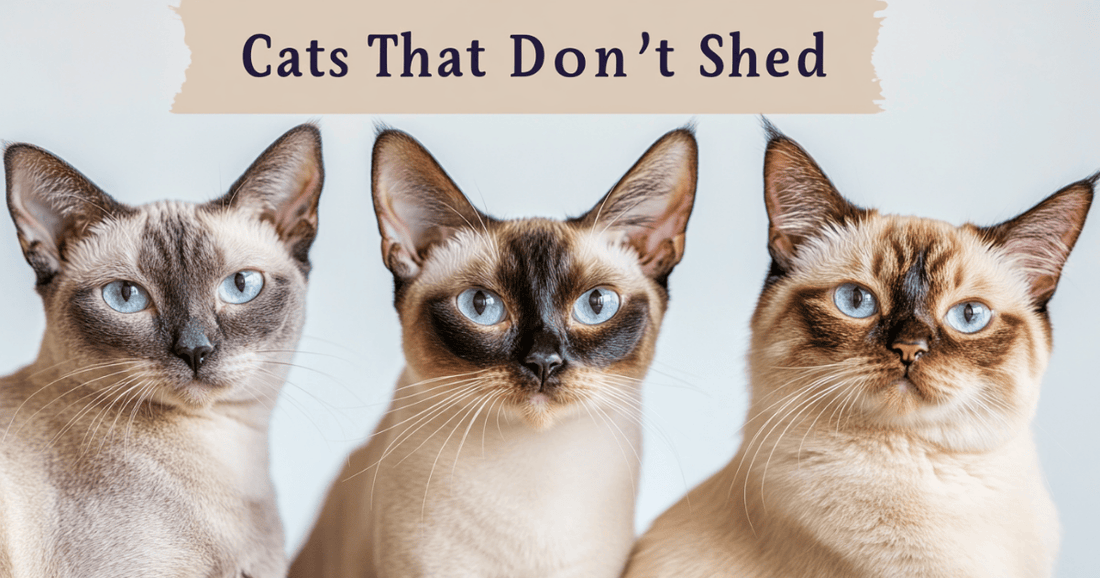
Are you tired of finding cat hair on your clothes, furniture, and everywhere in between? If you love cats but hate the constant shedding, you’re not alone.
Shedding can be frustrating and messy, but what if there was a way to enjoy a furry friend without all the hair? Knowing which cat breeds don’t shed much—or at all—can make a huge difference in your daily life. You’ll discover the top cat breeds that keep shedding to a minimum, so you can enjoy cuddles without the mess.
Keep reading to find the perfect low-shedding cat that fits your lifestyle and keeps your home cleaner.

Credit: www.youtube.com
Low-shedding Cat Breeds
Low-shedding cat breeds can be a game-changer if you want to enjoy the company of a feline friend without the constant battle against loose fur. These cats naturally shed less, making them a great choice for people with allergies or those who prefer a tidier home. Understanding which breeds shed less can help you pick a companion that fits your lifestyle perfectly.
Sphynx
The Sphynx is famous for its lack of fur, which means almost zero shedding. Despite their bare skin, they require regular baths to remove oils that would normally be absorbed by fur. If you think a hairless cat won’t be cuddly, think again—Sphynx cats are affectionate and love warmth, often snuggling up to their owners.
Devon Rex
Devon Rex cats have soft, curly coats that shed very little. Their unique fur traps loose hairs, preventing them from scattering around your home. This breed’s playful and social nature makes it an ideal pet for families looking for a lively, low-maintenance cat.
Cornish Rex
Like the Devon Rex, the Cornish Rex sports a short, wavy coat that sheds minimally. Their fine hair doesn’t cling to furniture or clothes, which is a relief for allergy sufferers. Cornish Rex cats are energetic and curious, offering endless entertainment without the fur cleanup.
Balinese
Often called the “long-haired Siamese,” Balinese cats have silky coats that shed less than other long-haired breeds. Their fur is fine and doesn’t mat easily, reducing grooming time. If you love a graceful, vocal cat but want less hair around, Balinese might be your match.
Russian Blue
The Russian Blue’s dense, double-layered coat sheds less than many other cats. Their fur tends to stay on their body, making it easier to manage. Russian Blues are quiet and gentle, offering a calm presence without a heavy fur footprint.
Siberian
Despite having a thick triple coat, Siberians are surprisingly low shedders. Their fur is water-repellent, which helps keep shedding under control. If you want a fluffy cat that doesn’t leave a trail of hair, this breed might surprise you.
Bengal
Bengals have short, dense coats that shed very little. Their wild appearance doesn’t come with high maintenance, making them perfect for active owners. Bengals are playful and intelligent, adding excitement without extra fur around the house.
Oriental Shorthair
With their sleek, short coats, Oriental Shorthairs shed less than many other breeds. Their hair is fine and close to the body, so you’ll find less fur on your clothes and furniture. These cats are social and affectionate, bringing warmth without the mess.
Reasons Cats Shed
Cats shed to keep their coat healthy and adapt to their environment. Shedding helps remove old, damaged fur. It also plays a role in temperature control. Understanding why cats shed helps manage their grooming needs. Several factors influence the amount of shedding a cat does.
Seasonal Changes
Cats shed more during spring and fall. They lose their thick winter coat as warmer weather arrives. In fall, they grow more fur for winter. This natural cycle helps cats stay comfortable year-round. Indoor cats may shed less due to stable temperatures.
Health Factors
Illness or stress can increase shedding. Skin infections or allergies cause fur loss. Parasites like fleas make cats scratch and lose hair. Poor grooming due to pain or sickness also leads to shedding. Regular vet visits help catch health issues early.
Diet And Environment
Nutrition impacts a cat’s coat quality. A balanced diet with essential fatty acids reduces shedding. Poor food leads to dry, brittle fur. Environmental factors such as humidity and cleanliness matter too. A clean, stress-free space helps keep shedding normal.
Benefits Of Low-shedding Cats
Choosing a low-shedding cat breed can transform your daily life in surprising ways. These cats offer more than just less fur floating around your home—they can improve your comfort, reduce your cleaning load, and even save you time on grooming. If you’ve ever felt frustrated with endless lint rollers or sneezing fits, you might find a low-shedding cat to be a perfect match for your lifestyle.
Allergy Friendly
Many people assume all cats trigger allergies the same way, but low-shedding cats often release fewer allergens. This means you might experience fewer sneezes, itchy eyes, or skin reactions. If you or someone in your home struggles with mild allergies, choosing a breed like a Siberian or Balinese could make living with a cat much more enjoyable.
Easier Cleaning
Less shedding directly translates to less fur on your furniture, clothes, and floors. You won’t need to vacuum as often or spend hours dusting off surfaces. Imagine sitting on your couch without finding a fur blanket left by your cat—cleaning becomes less of a chore and more of a quick routine.
Less Grooming Time
Low-shedding cats usually require less brushing and bathing. This saves you time and reduces the stress on your feline friend. Instead of dedicating hours each week to grooming, you can enjoy more playtime and bonding moments with your pet.

Credit: shamelesspets.com
Care Tips For Low-shedding Cats
Low-shedding cats need special care to keep their coat healthy and clean. Even though they shed less, regular attention helps reduce loose hair and skin problems. Good care also keeps these cats comfortable and happy every day.
Regular Grooming
Brushing your low-shedding cat often removes loose hair and dirt. Use a soft brush suited for their coat type. Grooming also helps spread natural oils, making their fur shiny and healthy. Aim to groom at least twice a week. It reduces hairballs and keeps your home cleaner.
Skin Care
Check your cat’s skin during grooming. Look for dryness, redness, or bumps. Low-shedding cats can have sensitive skin that needs gentle care. Use mild shampoos made for cats if bathing is necessary. Keep your cat’s resting areas clean to avoid skin irritations. Consult a vet if you notice unusual skin problems.
Nutrition Needs
Feed your cat a balanced diet rich in omega-3 and omega-6 fatty acids. These nutrients support healthy skin and coat. High-quality protein helps fur grow strong and thick. Fresh water is vital to prevent dry skin. Avoid feeding human food that may cause allergies or digestive issues.
Choosing The Right Low-shedding Cat
Choosing a low-shedding cat is a smart move for anyone who loves felines but dreads the endless cleaning of fur. Not only does it keep your home tidier, but it also reduces allergens. The right breed can offer companionship without the extra fluff mess. Let’s explore how to find the perfect low-shedding cat for you.
Personality Traits
Every cat has its own unique personality, and low-shedding breeds are no exception. Some cats are naturally more affectionate and enjoy cuddling, while others prefer independence. If you’re looking for a loving companion, consider breeds like the Russian Blue, known for their gentle and loyal nature. Are you someone who appreciates a cat that can entertain itself? A Cornish Rex, with its playful yet independent streak, might be your perfect match.
Activity Levels
Activity levels vary greatly among low-shedding cats. Some breeds, like the Sphynx, are known for their energetic nature and love for play. Others, such as the British Shorthair, may prefer lounging around and taking life easy. Think about your lifestyle—do you want a cat that will join you in active play sessions, or one that will be content napping next to you on the couch? Your choice can greatly impact the harmony in your home.
Compatibility With Families
When choosing a cat, consider how well it will fit into your family dynamic. Some breeds are more tolerant of children and other pets. The Burmese cat, for example, is known for its friendly and adaptable nature, making it a great choice for families with kids. On the other hand, if you have a quieter household, a breed like the Devon Rex, known for its curiosity and friendliness, could be a delightful addition. Ask yourself, how will your new cat fit into your family’s lifestyle and routines?

Credit: www.thepioneerwoman.com
Frequently Asked Questions
Which Cat Breeds Shed The Least?
Breeds like the Sphynx, Russian Blue, and Siamese shed the least. They have minimal fur or dense coats that reduce shedding. These cats are ideal for allergy sufferers and those wanting low-maintenance pets.
Are Hairless Cats Truly Non-shedding?
Yes, hairless cats like the Sphynx do not shed fur. However, they still produce skin oils and need regular bathing. They are perfect for those seeking a nearly shedding-free cat.
How Do Low-shedding Cats Affect Allergies?
Low-shedding cats release fewer allergens into the environment. This helps reduce allergic reactions in sensitive individuals. Still, no cat is entirely hypoallergenic, so caution is advised.
Can Grooming Reduce Cat Shedding Significantly?
Regular grooming reduces loose fur and shedding. Brushing spreads natural oils, improving coat health. It also minimizes hair around your home, making shedding easier to manage.
Conclusion
Choosing a cat breed that doesn’t shed much can make life easier. These cats fit well in homes with allergies or busy schedules. They need love and care like any other cat. Remember, no cat is completely without shedding. Regular grooming helps keep your home cleaner.
Enjoy the company of a furry friend without the extra mess. Find the right breed that matches your lifestyle and needs. A happy cat means a happy home.




Leave a Reply