
Are you thinking about bringing a cat into your home but worried about allergies? You’re not alone.
Many people love cats but struggle with sneezing, itchy eyes, or worse when they’re around them. The tricky part is that not all cats cause the same allergic reactions. Some breeds might trigger your symptoms more than others. Understanding which cat breeds are more likely to cause allergies can help you make the best choice for your health and happiness.
Keep reading to discover which cats might be the sneakiest allergy offenders—and which ones could be friendlier to your nose.
Cat Allergies And Causes
Understanding why some cat breeds trigger stronger allergic reactions can help you manage your symptoms better. Cat allergies are caused by specific proteins that your immune system mistakenly sees as threats. Knowing the causes and how allergies develop gives you more control over your environment and health.
How Cat Allergies Develop
Your body reacts to certain proteins found in cats by releasing histamines. These chemicals cause symptoms like sneezing, itchy eyes, and congestion.
Interestingly, it’s not the fur itself that causes allergies but the proteins in cat saliva, skin flakes, and urine. When cats groom themselves, these proteins spread onto their fur and into the air.
If you’ve ever wondered why some cats cause worse reactions, it’s often about how much allergen they produce and how easily it spreads. Your sensitivity level also plays a big role—what triggers one person may not affect another.
Common Allergens In Cats
- Fel d 1:The primary allergen found in cat saliva and skin. It’s responsible for most allergic reactions.
- Fel d 4:Found in cat saliva, this protein can also cause allergies but is less common.
- Skin flakes (dander):Tiny bits of dead skin that carry allergenic proteins and easily become airborne.
Did you know that male cats typically produce more Fel d 1 than females? Neutering can reduce this allergen, which might explain why some owners notice fewer symptoms after their cat is fixed.
Think about your own space—how often do you clean areas where dander collects, like carpets and furniture? Regular cleaning can reduce allergens and make living with cats much easier for allergy sufferers.

Credit: shamelesspets.com
Breeds With High Allergy Potential
Certain cat breeds produce more allergens than others. These allergens trigger allergic reactions in sensitive people. Understanding which breeds cause more allergies helps in choosing a cat wisely.
Allergens mainly come from a protein found in cat saliva, skin, and urine. Cats groom themselves often, spreading allergens on their fur and in the air. Some breeds naturally produce higher levels of these proteins.
Cats Producing More Allergens
Allergens come from a protein called Fel d 1. It causes most cat allergy symptoms. Cats that produce more Fel d 1 lead to stronger allergic reactions.
Breeds with oily or dense fur often have higher allergen levels. Their skin produces more Fel d 1. These cats spread more allergens when they shed or groom.
Breeds Known For Triggering Reactions
- Persian: Thick coat and oily skin increase allergen production.
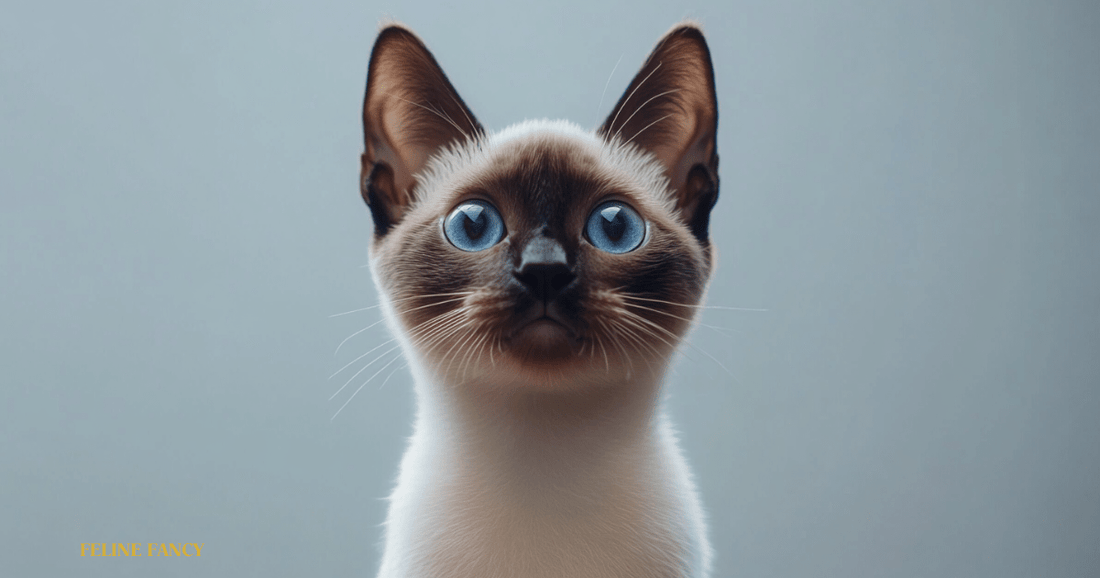
- Siamese: High Fel d 1 levels trigger strong allergic responses.
- Maine Coon: Large size and dense fur mean more allergens.
- Bengal: Active groomers that spread allergens widely.
- British Shorthair: Oily skin and heavy shedding raise allergen levels.
These breeds often cause more allergy symptoms. Their fur and skin produce and spread more allergens than others.
Breeds With Lower Allergy Risks
Certain cat breeds produce fewer allergens, making them better for sensitive individuals. Breeds like the Siberian and Balinese often trigger fewer allergy reactions. Choosing these cats can reduce discomfort for allergy sufferers.
Breeds with Lower Allergy Risks For many cat lovers, allergies can be a significant hurdle in welcoming a feline friend into their home. While no cat is entirely hypoallergenic, some breeds are known to produce fewer allergens. This can make a world of difference for those sensitive to cat dander or saliva.Hypoallergenic Cat Breeds
Some breeds have gained a reputation for being more allergy-friendly. The Siberian cat, for instance, is known for producing lower levels of the allergenic protein Fel d 1, which is the primary cause of allergic reactions. Similarly, the Balinese, often referred to as the “long-haired Siamese,” is another breed that tends to cause fewer allergic reactions. Other notable mentions include the Russian Blue and the Bengal, both of which have been observed to trigger fewer symptoms in allergy sufferers. These breeds can offer a more comfortable cohabitation for those with mild allergies.Traits That Reduce Allergic Responses
Certain physical traits in cats can also help reduce allergic reactions. Cats with less shedding fur, such as the Devon Rex or Cornish Rex, tend to spread fewer allergens around your home. Their short and curly coats mean less hair and dander floating through the air. Moreover, cats that groom less frequently, like the Sphynx, which is hairless, may spread fewer allergens. It’s fascinating to think about how a cat’s grooming habits might impact your health. Could choosing a breed with these traits help you breathe easier at home? Ultimately, understanding these breeds and traits can guide you in making a more informed decision. Would you consider one of these breeds to experience fewer allergies?
Credit: zigly.com
Factors Influencing Allergy Severity
Allergy severity varies widely among cat owners, and several factors come into play beyond just the breed. Understanding these factors helps you manage your symptoms better and choose the right pet for your home. Let’s look at what really influences how badly your allergies might react to a feline friend.
Cat Grooming Habits
How often a cat grooms itself affects the spread of allergens in your home. Cats that groom frequently spread more saliva, which contains the allergenic protein Fel d 1. This protein sticks to fur and skin, and when the cat sheds, allergens become airborne.
Your indoor cat’s grooming routine can either increase or reduce allergens in the air. For example, a long-haired cat that grooms a lot might cause more problems than a short-haired cat with less frequent grooming. Regular brushing by you can reduce loose fur and allergen buildup, making a big difference in allergy symptoms.
Environmental Impact
Your home environment influences how much allergen you breathe in daily. Poor ventilation traps allergens, while hardwood floors reduce allergen accumulation compared to carpets. Dust and dander settle on surfaces, so frequent cleaning lowers the allergen load.
Think about using air purifiers with HEPA filters to catch airborne allergens. Also, limiting the cat’s access to bedrooms can help create allergen-free zones. Have you tried changing your cleaning habits to see if your symptoms improve?
Individual Sensitivity Levels
Allergy reactions are highly personal. Some people react strongly to tiny amounts of cat allergens, while others barely notice. Your immune system’s sensitivity determines your symptoms’ intensity.
Even if a cat breed is known to cause fewer allergies, your individual reaction might differ. If you’re unsure, spend time with different cats before deciding. This hands-on approach can help you understand your own threshold better.
Managing Allergies With Sensitive Breeds
Managing allergies with sensitive cat breeds requires careful planning and daily care. Some breeds produce fewer allergens and suit allergy-prone people better. Still, allergies can flare up without proper management. Small changes at home and personal habits help reduce allergic reactions effectively.
Choosing a sensitive breed is just the start. Keeping the environment clean and using medical options supports allergy relief. A balance of these steps creates a more comfortable life for both cats and owners.
Allergy Relief Tips
- Wash hands after petting your cat.
- Avoid touching your face after contact.
- Keep cats out of bedrooms and carpets.
- Brush your cat regularly outside the home.
- Use air purifiers with HEPA filters.
Home Cleaning Strategies
- Vacuum floors and furniture often with a HEPA vacuum.
- Wash cat bedding weekly in hot water.
- Wipe down hard surfaces regularly to remove dander.
- Keep windows open to improve air circulation.
- Remove clutter where allergens can build up.
Medical Treatments And Options
- Use over-the-counter antihistamines to reduce symptoms.
- Consult a doctor about allergy shots (immunotherapy).
- Consider nasal sprays for congestion relief.
- Use eye drops to ease itchiness and redness.
- Discuss prescription options for severe allergies.

Credit: www.thepioneerwoman.com
Frequently Asked Questions
Which Cat Breeds Cause The Most Allergy Reactions?
Siberian, Bengal, and Sphynx cats often trigger stronger allergy reactions. These breeds produce more Fel d 1 protein, the main allergen in cat saliva and skin.
Are Some Cat Breeds Hypoallergenic And Allergy-friendly?
No cat breed is completely hypoallergenic. However, breeds like Balinese and Russian Blue produce fewer allergens, causing milder reactions for sensitive individuals.
Why Do Some Cats Cause More Allergies Than Others?
Cats produce varying levels of Fel d 1 protein. Higher amounts of this allergen increase the chance of allergic reactions in sensitive people.
Can Allergic Reactions Vary By Individual And Cat Breed?
Yes, individual sensitivity and allergen levels differ. Some people tolerate certain breeds better, while others react strongly to the same cats.
Conclusion
Certain cat breeds can cause stronger allergy reactions than others. Knowing which breeds produce more allergens helps in choosing the right pet. Some cats shed less, reducing allergy risks. Still, no breed is completely hypoallergenic. Managing allergies involves cleaning, grooming, and limiting cat access.
Understanding your own sensitivity is key to living well with cats. Choose wisely and enjoy the company of your feline friend without constant sneezing or discomfort.

Leave a Reply