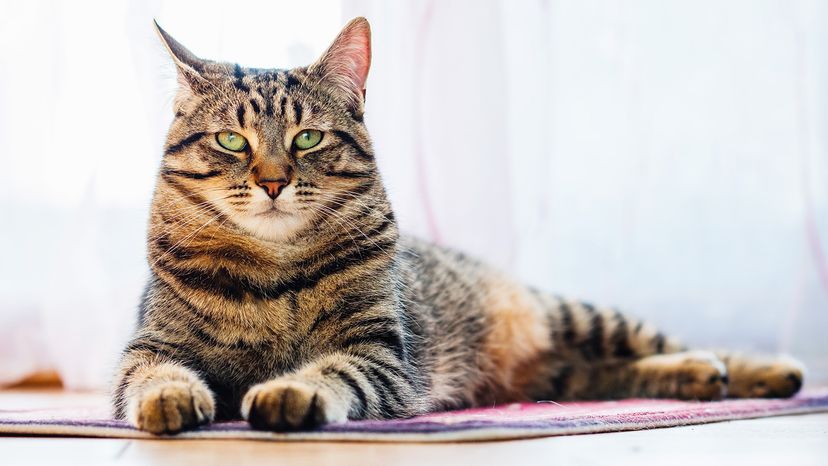
Have you ever wondered which cat breeds can be tabbies? If you’re curious about that classic striped pattern and want to know if your favorite breed can wear it, you’re in the right place.
Tabbies aren’t just one type of cat—they come in many breeds, each with its own unique twist on those beautiful stripes, spots, or swirls. Keep reading, and you’ll discover surprising facts that will help you understand your feline friend better and maybe even choose the perfect tabby for your home.
Let’s dive into the world of tabby cats together!
Tabby Pattern Basics
Tabby patterns are some of the most recognizable and beloved coat designs in the cat world. They are not a breed but a pattern that appears across many breeds and mixed-breed cats. Understanding the basics of tabby patterns helps you appreciate the variety and beauty each cat can offer.
Common Tabby Markings
Tabby cats come with several distinctive markings that make them stand out. The most common types include:
- Mackerel:Narrow stripes running down the cat’s sides, resembling a fish skeleton.
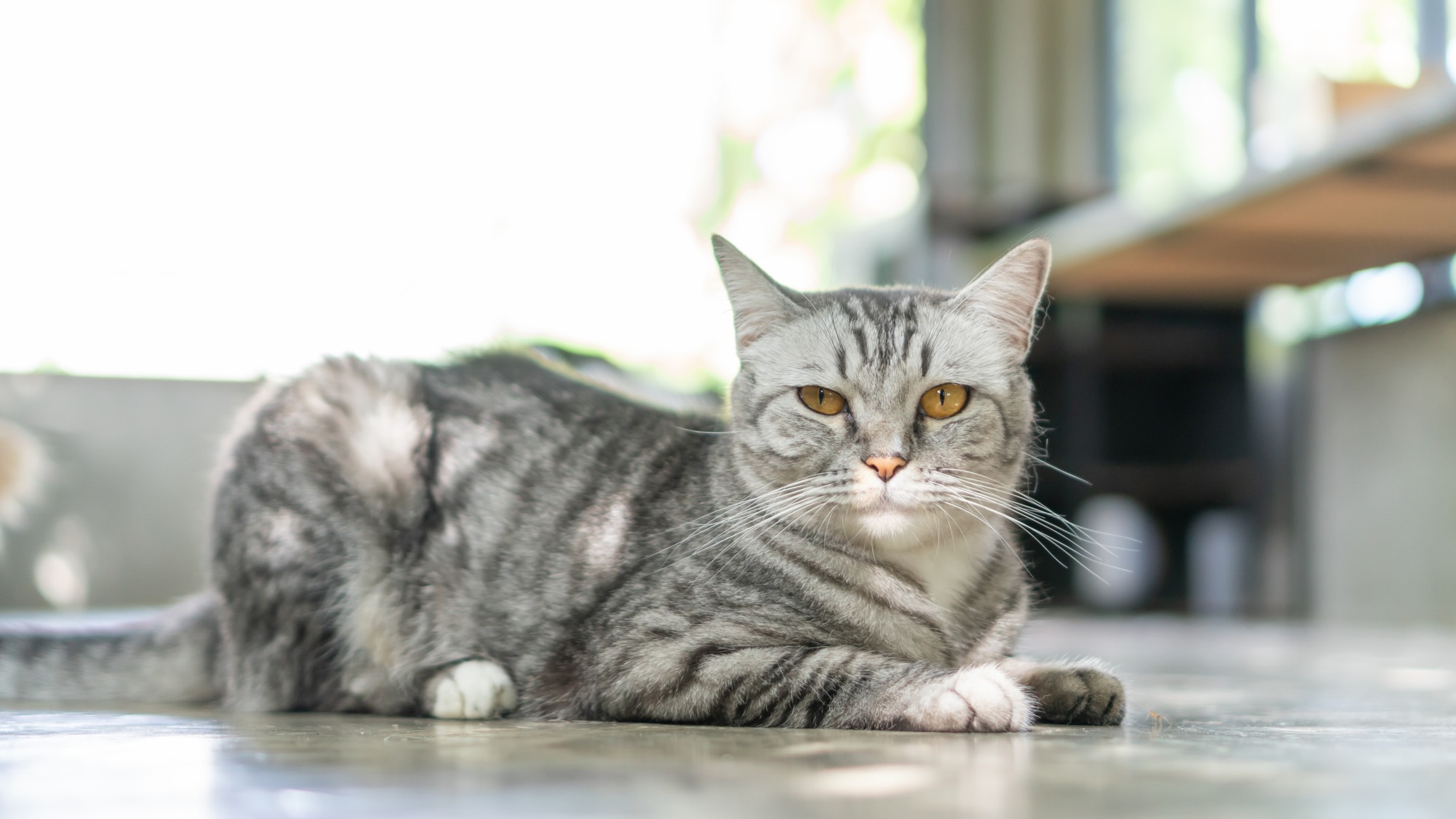
- Classic:Bold, swirling patterns often forming a bullseye or marble-like effect on the sides.
- Spotted:Spots scattered across the body instead of stripes or swirls.
- Ticked:Each hair has bands of color, giving a salt-and-pepper or speckled appearance.
You might notice your tabby cat has a unique “M” shape on the forehead. This marking is a trademark of tabby cats and adds to their mysterious charm.
Genetics Behind Tabby Coats
Tabby patterns are controlled by specific genes that determine the type and intensity of markings. The presence of the agouti gene is essential—it causes hairs to have bands of color, creating the tabby effect.
Different alleles of the tabby gene decide whether a cat has mackerel, classic, spotted, or ticked patterns. For example, the mackerel pattern is dominant over the classic pattern.
Have you ever wondered why two cats from the same litter can look so different? It’s all due to the mix and match of these genetic factors working behind the scenes.
Popular Cat Breeds With Tabby Coats
Tabby coats are common and loved for their unique patterns and natural beauty. Many popular cat breeds can have tabby markings, showing stripes, spots, or swirls. These patterns add charm and character to each breed. Some cats have bold, clear stripes, while others show subtle, soft patterns.
Here are some well-known cat breeds that often have tabby coats. Each breed brings its own style and personality to the tabby look.
Maine Coon
Maine Coons are large cats with thick, fluffy fur. Their tabby pattern is usually bold and classic. They have strong stripes and a rugged, wild look. These cats are friendly and playful, making them great pets. Their tabby coats help them blend into nature easily.
Bengal
Bengals have a unique spotted or marbled tabby coat. Their patterns look like small leopard spots or big swirls. Bengals are active and curious cats. Their tabby markings make them stand out and look exotic. The shiny coat adds to their wild appearance.
Abyssinian
Abyssinians have a ticked tabby pattern, different from stripes or spots. Each hair has bands of color, giving a glowing effect. These cats are slender, with a graceful look. They are smart and love to explore. Their tabby coat looks soft and warm.
American Shorthair
American Shorthairs are famous for their classic tabby patterns. Their stripes and swirls are clear and neat. These cats have a round face and strong body. They are gentle and easy to care for. The tabby coat fits their friendly, all-American style.
Rare Breeds That Can Be Tabbies
Tabby patterns appear in many cat breeds, including some rare ones. These unique breeds carry the classic stripes, spots, or swirls that make tabbies so popular. Their coat patterns add charm and personality, making them stand out in the feline world.
Rare tabby cats often have interesting histories and traits. They combine beauty with unique features that cat lovers admire. Below are a few rare breeds that can show tabby markings.
Scottish Fold
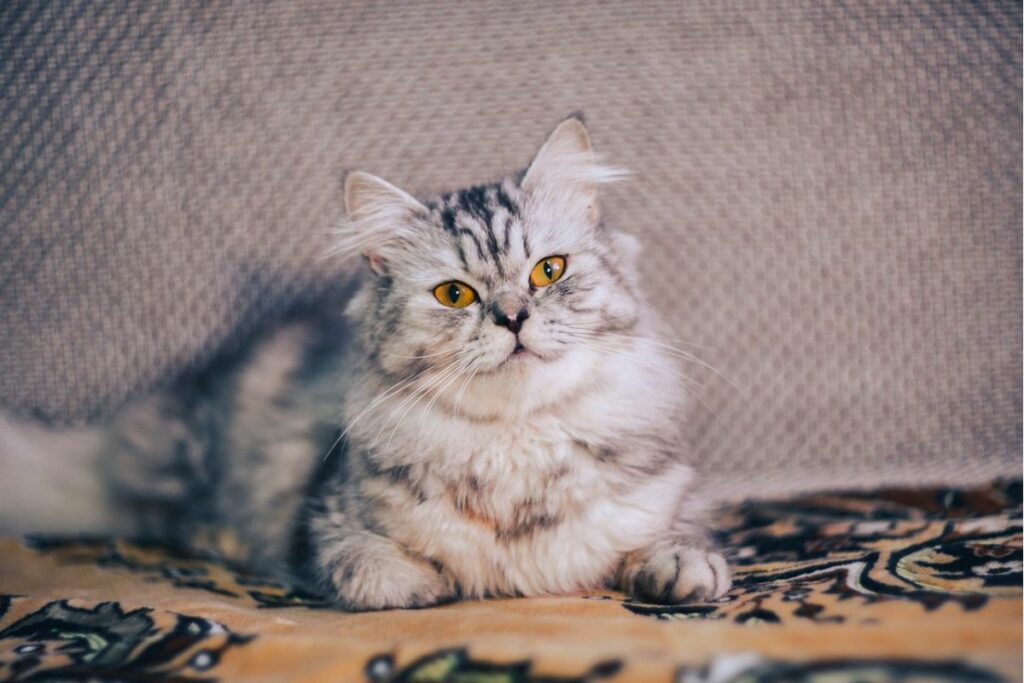
Scottish Folds are famous for their folded ears. Their tabby coats can display stripes or spots in soft colors. These cats are gentle and quiet. The tabby pattern adds to their distinctive look, blending well with their round faces and big eyes.
Siberian
Siberians are strong cats from Russia. Their thick fur protects them from cold weather. Tabby Siberians often have bold, clear stripes or classic swirls. They are playful and affectionate, with a coat pattern that highlights their wild, natural beauty.
Norwegian Forest Cat
Norwegian Forest Cats have long, thick fur and a bushy tail. Their tabby markings can be very striking, with bold stripes and spots. These cats are built for outdoor life, but they are also loving pets. The tabby pattern fits their rugged, majestic appearance perfectly.
Credit: www.chewy.com
Tabby Traits Beyond Appearance
Tabby cats are often admired for their distinctive striped or spotted coats. But their traits go far beyond just how they look. Understanding these traits can help you connect better with your tabby and provide the best care possible.
Behavioral Tendencies
Tabby cats tend to be social and curious. Many tabbies enjoy interacting with their humans and exploring their surroundings. You might notice your tabby is particularly playful or enjoys following you around the house.
Some tabbies show a strong hunting instinct, even if they live indoors. This means they may enjoy toys that mimic prey, like feather wands or laser pointers. Have you seen your tabby suddenly pounce or stalk like a tiny tiger?
These cats can also be quite vocal, using a variety of meows and purrs to communicate. Paying attention to these sounds can give you insight into what your tabby needs or feels. Are you tuned in to your cat’s unique “language”?
Health Considerations
While the tabby pattern appears in many breeds, some common health traits can be linked to these cats. For example, certain tabby breeds may be prone to dental issues or obesity if not monitored carefully.
Regular vet check-ups are important, especially since tabbies can be quite active and might hide pain well. Keeping track of your cat’s weight and dental health helps prevent long-term problems.
Also, diet plays a big role. Feeding your tabby balanced meals suited to their activity level supports their overall well-being. Have you noticed how your cat’s energy changes with different foods or routines?
How Tabby Patterns Affect Adoption Choices
Tabby patterns play a big role in how people choose cats to adopt. These markings make cats look unique and give them a special charm. Different tabby patterns can catch the eye of potential adopters. They often influence feelings and first impressions. Understanding this impact helps shelters and adopters alike.
Popularity Among Cat Lovers
Tabby cats are popular with many cat lovers. Their stripes, spots, or swirls create eye-catching designs. These patterns often remind people of wild cats. Many find tabbies friendly and approachable. Their look can make them seem playful and loving. Some breeds with tabby patterns, like the Maine Coon or American Shorthair, have a strong fan base. This popularity can increase adoption chances.
Misconceptions About Tabbies
Some believe tabby cats share the same personality. This is not true. Personality depends on breed and upbringing, not just patterns. Others think tabbies are common and less special. This can lead to fewer adoptions for tabbies. Myths about tabby cats being less healthy also exist. Clearing these misunderstandings helps tabby cats find homes faster.

Credit: worldanimalfoundation.org
Tips For Identifying Tabby Cats
Identifying tabby cats can be a fun and rewarding experience. These cats boast a variety of patterns and colors. Not all striped or spotted cats are tabbies, though. Understanding the distinctive features of tabby cats helps in recognizing them easily.
Spotting Different Tabby Types
Tabby cats come in several distinct patterns. The classic tabbydisplays a marbled or swirling pattern on its sides. This pattern often looks like a bullseye. The mackerel tabbyfeatures narrow, parallel stripes running down the sides. These stripes resemble a fishbone. The spotted tabbyhas spots rather than stripes, which can vary in size. The ticked tabbylacks traditional stripes or spots. Instead, it has agouti hairs with bands of color. Each hair has multiple colors, giving a salt-and-pepper appearance.
Distinguishing Tabbies From Similar Patterns
Not all striped cats are tabbies. Some cats have patterns that mimic tabby markings. The key feature of a true tabby is the “M” shape on its forehead. This marking is distinct and is often seen between the eyes. Cats with brindle patterns might appear tabby-like but lack the “M” marking. The unique facial markings and eye outlines set tabbies apart from other patterns. Tabby cats also have a lighter chin and belly, which is another distinguishing feature.
Credit: worldanimalfoundation.org
Frequently Asked Questions
Which Cat Breeds Commonly Have Tabby Patterns?
Tabby patterns appear in many breeds like Maine Coon, American Shorthair, and Bengal. These breeds naturally showcase stripes, spots, or swirls that define the tabby look. The pattern is a genetic trait, not limited to one breed, making it widespread among domestic cats.
Can Purebred Cats Be Tabbies?
Yes, many purebred cats can be tabbies. Breeds such as the Abyssinian, Scottish Fold, and Burmese often have tabby coat variations. Being purebred does not exclude a cat from having tabby patterns, as genetics allow for this distinctive coat in numerous pedigrees.
Do Tabby Cats Have Specific Personality Traits?
Tabby cats do not have unique personality traits solely due to their coat. Their behavior depends more on breed and individual temperament. However, tabbies are often described as friendly, playful, and affectionate, but this varies widely across cats.
Are All Tabby Patterns The Same?
No, tabby patterns vary widely and include classic, mackerel, spotted, and ticked types. Each pattern differs in stripe shape and distribution, giving tabby cats unique and identifiable looks. This variety adds to their charm and popularity.
Conclusion
Tabby patterns appear in many cat breeds, not just one. They bring unique stripes, spots, or swirls to a cat’s fur. Each breed shows tabby markings in its own way. These patterns make cats more charming and easy to recognize.
Knowing which breeds can be tabbies helps you understand cats better. It also makes choosing a pet more fun. Tabbies are a beautiful part of the cat world. They remind us how diverse and special cats truly are.



Leave a Reply