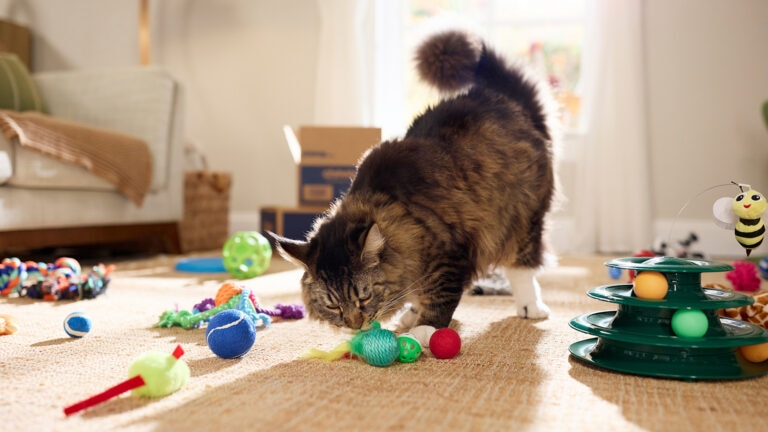
Have you ever wondered where your cat hides its toys? One moment, the favorite toy is right in front of you, and the next, it’s vanished without a trace.
If you’ve been scratching your head, trying to figure out your furry friend’s secret stash spots, you’re not alone. Understanding where your cat hides its toys can help you keep playtime fun and stress-free. Keep reading, and you’ll discover surprising places your kitty loves to tuck away their treasures—and how this habit says a lot about their unique personality.

Credit: deziroo.com
Common Hiding Spots
Cats love to hide their toys in secret spots. They choose places that feel safe and cozy. These spots are often out of sight and hard to reach. Knowing these common hiding places helps you find their lost toys faster.
Under Furniture
Toys often slip under couches, beds, or chairs. Cats push their toys here during play. These areas are dark and quiet, perfect for hiding treasures. Use a flashlight or a long stick to retrieve toys from these spots.
Inside Closets
Closets provide a quiet, enclosed space for cats. Cats may drop toys behind clothes or boxes. Soft fabrics and dim light make closets appealing. Check shelves and corners carefully for hidden toys.
Behind Appliances
Spaces behind refrigerators, washers, or dryers are common hiding spots. Cats crawl into these narrow, warm areas. Toys often get stuck in these tight spaces. Be cautious and check behind these appliances regularly.
In Boxes And Bags
Boxes and bags attract cats for their snug feel. Cats carry toys inside and stash them there. Look inside empty boxes, bags, or shopping sacks. These spots are easy to overlook but often hold your cat’s favorite toys.

Credit: www.holistapet.com
Why Cats Hide Toys
Have you ever wondered why your cat suddenly disappears with a toy, only to stash it somewhere out of sight? Cats hiding their toys is a behavior that puzzles many pet owners. Understanding why they do this can help you connect better with your furry friend and even improve your playtime together.
Instinct And Play Behavior
Cats have strong hunting instincts that influence how they treat their toys. To them, toys often represent prey, and hiding these “catches” mimics natural hunting behavior. You might notice your cat dragging a toy to a quiet corner or under furniture, just like they would with a real catch in the wild.
This behavior isn’t just about fun—it’s deeply rooted in their survival skills. When your cat hides toys, they are practicing skills they would need to protect their food from others. Have you ever caught your cat carefully placing a toy in a secret spot? That’s instinct at work.
Sense Of Security
Hiding toys can also give your cat a sense of safety. By putting their toys out of sight, they create a personal stash that feels secure and private. This is especially true if your cat is shy or lives in a busy household.
When your cat feels threatened or stressed, you might see them retreat with their favorite toy. This small act can calm them down, providing comfort in uncertain moments. Have you noticed your cat clutching a toy during a thunderstorm or loud noises?
Marking Territory
Cats use toys as a way to mark their territory, leaving their scent on items they value. By hiding toys in specific spots, they are claiming these areas as their own. This helps them feel in control of their environment.
This behavior can be subtle but significant, especially if you have multiple cats. Stashing toys can reduce conflicts by establishing clear personal zones. Have you ever found toys hidden in places that seem like your cat’s private corner?
Signs Your Cat Has Stashed Toys
Cats have a playful and secretive nature. This can lead them to hide their toys. Understanding the signs can help you discover their hiding spots. This can also strengthen your bond with your furry friend.
Sudden Toy Disappearance
Does your cat’s favorite toy suddenly vanish? This could mean your cat has hidden it. Cats often stash toys in secure places. This makes them feel safe and entertained.
Finding Clues Around The Home
Look around your home for small clues. You might see toys peeking from under furniture. Check between cushions or in open drawers. Cats often drag toys to secluded spots.
Behavioral Changes
Observe your cat’s behavior closely. Have they become more secretive or playful? Changes in their routine can hint at hidden toys. Watch for them carrying toys to quiet areas.

Credit: www.goodhousekeeping.com
Tips To Find Hidden Toys
Finding your cat’s hidden toys can feel like a treasure hunt without a map. Cats often stash their favorite playthings in spots you wouldn’t expect. Knowing where and how to look can save you time and keep your feline friend happy.
Search Unusual Places
Your cat’s secret toy stash might be in places you never thought to check. Look inside shoes, under furniture, behind curtains, or inside boxes. Cats love small, cozy spots where they feel safe hiding their treasures.
Don’t forget to peek into laundry baskets or between couch cushions. Toys can easily slip into these nooks during playtime. Have you ever found a toy in a place that surprised you?
Follow Your Cat’s Movements
Watching your cat closely can give you clues about where they hide toys. Notice if they frequently visit a specific corner or room after play. Your cat might carry a toy in their mouth and sneak it away to their secret spot.
Try to observe when your cat suddenly stops playing or looks around cautiously. These moments often mean they’re about to stash a toy. Can you catch your cat in the act and discover their hiding place?
Use Treats And Toys To Lure
Entice your cat to reveal their hiding spots by using their favorite treats or new toys. Toss a treat near a suspected hiding area to lure your cat out. You can also use interactive toys to encourage them to bring out hidden items during play.
Sometimes, shaking a bag of treats or rattling a toy can trigger your cat’s curiosity. This tactic works especially well if your cat likes to show off their finds. Have you tried tempting your cat to share their stash with you?
Organizing Your Cat’s Toys
Organizing your cat’s toys helps keep your home tidy and your cat entertained. Cats love variety, so a good system makes playtime fun and easy. A neat collection also prevents toys from getting lost under furniture or in strange places.
Create A Toy Basket
A toy basket keeps all toys in one spot. Choose a basket that is easy for your cat to reach. Soft toys, balls, and small items fit well in a basket. Place it in a quiet corner or near where your cat likes to rest. This encourages your cat to use the basket and find toys quickly.
Rotate Toys Regularly
Rotating toys keeps your cat curious and active. Take out a few toys at a time and store the rest. Switch them every few days to make old toys feel new. This prevents boredom and helps your cat stay interested in playtime.
Make Playtime Interactive
Interactive play strengthens your bond with your cat. Use toys that move or make noise to catch their attention. Try feather wands, laser pointers, or puzzle toys. Spend a few minutes each day playing together. Your cat will stay happy and healthy with regular interaction.
Preventing Toy Hiding Habits
Stopping your cat from hiding toys can save you time and keep playtime fun. Cats often hide toys because they want to feel safe or enjoy their “treasures” in a secret spot. Preventing this habit means making your cat feel secure and entertained without needing to stash their toys away.
Provide Enough Toys
Make sure your cat has plenty of toys to choose from. A variety of toys keeps your cat interested and less likely to hide them. Rotate toys regularly to keep things fresh and exciting.
Think about different types—soft toys, balls, or interactive gadgets. When your cat has options, they’re less likely to feel the need to hide one as their special prize.
Designated Play Areas
Create specific spots where your cat can play and store toys. A cozy corner with a basket or box for toys encourages your cat to drop them there instead of secret hiding places. This makes finding toys easier for you and keeps your home organized.
Have you noticed your cat prefers certain rooms or spots? Place the toy basket there to naturally guide their behavior. It can also make your cat feel comfortable and safe during play.
Engage In Daily Play Sessions
Spend time playing with your cat every day to reduce their need to hide toys. Active play helps your cat release energy and satisfy their hunting instincts. Use wand toys or laser pointers to keep their interest high.
After a good play session, cats often relax and are less likely to stash toys away. How does your cat react after play? Observing their behavior can help you plan better playtimes and reduce toy hiding.
Frequently Asked Questions
Where Do Cats Usually Hide Their Toys?
Cats often hide toys under furniture, inside cushions, or in closets. They choose quiet, cozy spots to keep their treasures safe from others.
Why Does My Cat Hide Toys From Me?
Cats hide toys to mimic hunting behavior and feel secure. It’s a natural instinct to stash prey or valuables in secret spots.
How Can I Find My Cat’s Hidden Toys?
Look in small, dark, and quiet places around your home. Check under beds, behind curtains, and inside boxes or drawers.
Do Cats Hide Toys To Play Alone?
Yes, cats sometimes stash toys to enjoy solo play later. It lets them control their playtime and feel independent.
Conclusion
Cats hide toys in many surprising places. Check under furniture and inside boxes. Look behind curtains or inside bags. Toys may be in quiet, cozy spots. Watching your cat can give clues. Keeping play areas tidy helps find lost toys.
Enjoy the fun of discovering where toys hide. Your cat’s hiding spots show their playful nature. Keep exploring and share happy moments together.



Leave a Reply