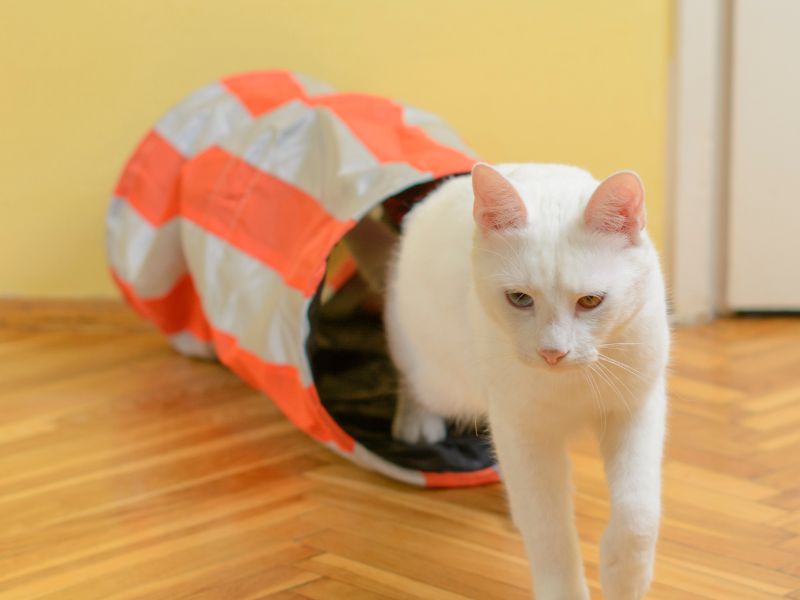
Have you ever wondered where your cat disappears to with its favorite toy? You’re not alone.
Cats have a secret habit of hiding their toys in the most surprising spots. Understanding where they stash these little treasures can give you a glimpse into their playful and mysterious nature. Keep reading, and you’ll discover the hidden places your feline friend chooses—and why they do it.
This knowledge will help you connect with your cat on a whole new level and maybe even find those missing toys faster!
Common Hiding Places
Cats love to hide their toys in secret spots. These places keep their treasures safe and out of sight. Knowing where cats hide toys helps you find them faster. Cats pick spots that feel cozy and safe. They like small, hidden spaces near their favorite resting areas.
Under Furniture
Under furniture is a popular hiding spot. Cats slide toys under sofas, beds, or chairs. These areas offer shade and protection. Toys stay hidden but easy to reach. Cats enjoy the quiet and darkness under furniture. Sometimes, toys get stuck there for days.
Inside Shoes
Shoes make a surprising hiding place. Cats like the dark, snug space inside shoes. The scent of their owner adds comfort. Toys fit perfectly inside shoe openings. Cats often carry toys and drop them here. This spot is warm and private for their treasures.
Behind Curtains
Behind curtains is another favorite spot. Cats slip toys between fabric folds and walls. Curtains create a soft, hidden nook. The movement of curtains can cover toys well. Cats enjoy watching from this spot while guarding their toys. It’s a quiet place where toys stay safe.
Unusual Toy Stashes
Cats have a knack for hiding their toys in the most unexpected places. These unusual toy stashes reveal a lot about their playful and secretive nature. Spotting these hiding spots can help you find lost toys and understand your feline friend better.
In Closet Corners
Closet corners often become secret hideouts for cat toys. Your cat might nudge a small ball or a stuffed mouse into the shadows behind shoes or boxes. These quiet, out-of-the-way spots give them a sense of ownership and security over their treasures.
Have you ever opened your closet to find a surprise stash? Try checking the far corners next time; you might uncover a hidden collection.
Inside Boxes
Boxes are not just playthings but also storage units for toys. Cats love slipping their favorite items inside cardboard boxes or storage bins. This behavior keeps their toys safe and gives them a cozy spot to revisit their stash whenever they want.
You might find that an empty box is more than just a box—it’s a secret toy vault. Offering your cat a few boxes could encourage this fun habit and keep your floors tidier.
Between Couch Cushions
The space between couch cushions is a classic hiding place for cat toys. Cats often bat their toys under the cushions, where they stay out of sight but within easy reach. This spot lets your feline friend feel like they’re guarding a valuable possession.
Next time you sit on the couch and find a surprise under a cushion, you’ll know why. Regularly checking these spaces can help you retrieve lost toys and keep your living room neat.
Outdoor Hiding Spots
Cats love to stash their toys in quiet, hidden spots outside. These places offer safety and comfort. Outdoor hiding spots help cats protect their treasures from other animals and curious humans. Understanding these favorite spots can help you find your cat’s missing toys.
Under Bushes
Under bushes, toys stay out of sight. Cats choose thick leaves and branches for cover. The shade keeps toys cool and dry. This spot feels safe and cozy for cats.
In Garden Pots
Garden pots make perfect hiding places. Cats slip their toys between pots or inside empty ones. The pots are stable and shield toys from wind and rain. Cats like the small, enclosed space.
Near Doorsteps
Doorsteps serve as easy hiding spots. Cats hide toys in corners or under mats. This spot is close to home but still hidden. Toys stay within reach for quick play sessions.

Credit: www.sheknows.com
Why Cats Hide Toys
Cats often hide their toys in quiet, safe spots like under furniture or inside boxes. This behavior helps them feel secure and keeps their favorite items close. Hiding toys also satisfies their natural hunting instincts and need to protect their “prey.
”
Why do cats hide their toys? It’s a curious behavior that leaves many cat owners scratching their heads. While it might seem like your feline friend is simply being playful, there are deeper reasons behind this quirky habit. Understanding these reasons can enhance your bond with your pet and even improve their well-being.Instinctual Behavior
Cats are natural hunters, and hiding toys mimics their instinctual behavior to hide prey. In the wild, cats store food away from other predators. Your cat might be channeling this instinct, viewing their toys as something precious to guard. Ever notice how your cat hides toys in corners or under furniture? It’s not just random; it’s strategic. These spots mimic the hidden nooks and crannies they would use in the wild.Play And Hunting
To a cat, playtime is practice for hunting. Hiding toys is part of this practice, keeping their skills sharp. By hiding their “prey,” they create a game of seek and find, enhancing both their mental and physical agility. Think about how your cat pounces and stalks its toys. These actions are deeply rooted in their hunting instincts. Encouraging this behavior with interactive toys can be both fun and enriching for your pet.Seeking Security
Cats might hide their toys in places they deem safe. This behavior is about creating a sense of security. Just like humans have comfort items, toys can be a source of comfort for cats. Notice where your cat tends to hide their toys. Are these places where they also nap? These spots likely offer a sense of security, making them perfect for storing cherished items. Understanding these behaviors can help you create a more enriching environment for your cat. Have you noticed any quirky hiding spots or behaviors in your feline friend? Share your experiences and see if others have noticed the same behaviors.How To Find Hidden Toys
Finding your cat’s hidden toys can feel like a treasure hunt. Cats often stash their favorite playthings in secret spots, making it tricky for you to locate them. Knowing where and how to look can turn this challenge into a fun way to connect with your feline friend.
Observing Cat Behavior
Watch your cat closely during and after playtime. Notice if they carry their toys to a particular room or corner. Do they paw at specific furniture or peek under cushions?
Sometimes cats give subtle clues. If your cat suddenly loses interest in a toy, they might have hidden it nearby. Pay attention to where they spend most of their time resting; toys often end up close to these cozy spots.
Checking Likely Spots
Start with common hiding places that cats love. Under beds, behind sofas, inside boxes, or even in laundry baskets are popular choices. Don’t forget to look in shoes or bags—they can be secret stashes too.
Make a checklist of these places and search systematically. You might be surprised to find a toy wedged between couch cushions or tucked under a pile of papers. Have you checked the spaces where your cat disappears for long naps?
Using Toy Scents
Toys often carry your cat’s scent or a familiar smell from the environment. Use this to your advantage by placing a similar toy near suspected hiding spots. Your cat may be tempted to reveal the hiding place or retrieve their stash.
If you have multiple toys, try rubbing one against the missing toy’s surface to transfer scent. This can encourage your cat to come out and play, giving you a chance to spot where the hidden toys are. Have you noticed your cat reacting differently to toys with certain smells?
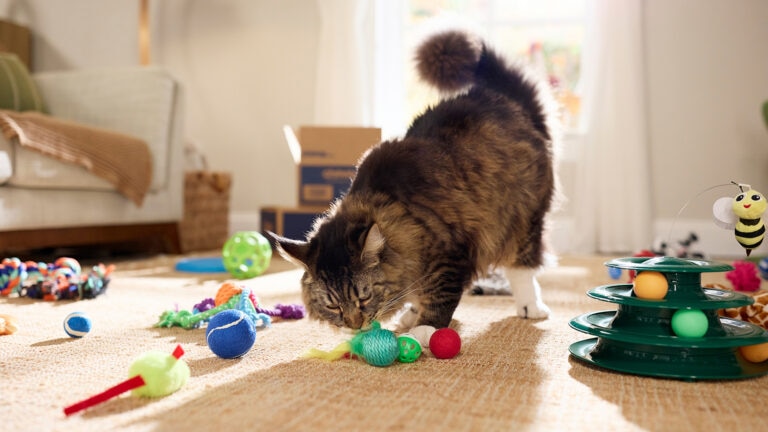
Credit: www.chewy.com
Tips To Keep Toys Accessible
Keeping your cat’s toys accessible can make playtime more frequent and fun for both of you. Cats love to discover their toys on their own, but they also need easy access to keep their interest alive. Let’s look at some practical ways to organize toys so your feline friend can enjoy them anytime.
Designated Toy Areas
Create a special spot just for your cat’s toys. This could be a small basket, box, or a corner of a room where all their favorite playthings live. When toys have a home, your cat learns where to find them quickly.
I once noticed my cat kept dragging toys from different rooms to one spot. So, I placed a soft basket there, and she started bringing her toys directly to it. Having a dedicated space can encourage your cat to keep toys in one place.
Interactive Toy Storage
Storage that invites play can increase your cat’s engagement. Consider using storage containers that allow your cat to peek inside or knock around safely, like mesh bins or open boxes. This adds an element of curiosity and fun.
You could even hang a few toys on strings inside a storage bin for your cat to bat at before pulling them out. This way, the storage itself becomes part of the play experience. How might your cat react to discovering toys this way?
Regular Toy Rotation
Switching out toys keeps your cat’s interest fresh and prevents boredom. Instead of leaving all toys available at once, rotate them every few days or weeks. This makes old toys feel new and exciting again.
Try grouping toys by type—like balls, feathers, or stuffed animals—and swap these groups regularly. Have you noticed how your cat suddenly “rediscovers” a toy after it’s been hidden away for a while? Regular rotation can create that same spark.

Credit: deziroo.com
Frequently Asked Questions
Where Do Cats Usually Hide Their Toys?
Cats often hide toys under furniture, behind cushions, or inside boxes. These spots feel safe and cozy for them.
Why Do Cats Hide Their Toys?
Cats hide toys instinctively to mimic hunting and storing prey. It provides mental stimulation and comfort.
How Can I Find My Cat’s Hidden Toys?
Look in small, dark spaces like under beds, sofas, or closets. Use a flashlight to check hard-to-see spots.
Do All Cats Hide Their Toys?
Most cats hide toys, but behavior varies with personality and environment. Some prefer playing openly.
Conclusion
Cats hide their toys in many surprising places. They like cozy spots, under furniture, or inside boxes. Sometimes, they stash toys in quiet corners. This behavior shows they feel safe and playful. Watching where cats hide toys can be fun and revealing.
It helps us understand their unique habits better. Next time, check those hidden spots around your home. You might find your cat’s favorite secret stash. Understanding this small habit brings you closer to your furry friend.




Leave a Reply