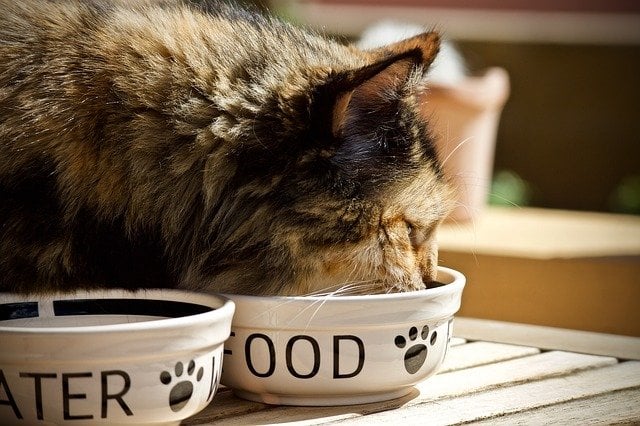
Are you wondering when the right time is to switch your cat to adult food? Feeding your cat the right diet at the right age is key to their health and happiness.
If you start too early or too late, it could affect their growth and energy levels. You’ll discover clear signs and simple tips to know exactly when to make the change. Keep reading to ensure your furry friend gets the best nutrition at every stage of life.
Cat Growth Stages
Cats grow in stages, each with unique dietary needs. Knowing these stages helps you feed your cat properly. Feeding the right food at the right time supports healthy growth and development. Understanding cat growth stages makes transitioning to adult food easier.
Kitten Phase
Kittens grow very fast during the first six months. They need food rich in protein and fat. This helps build strong muscles and bones. Kitten food has extra nutrients to support their rapid growth. Feeding kitten food keeps them healthy and active.
Adolescent Changes
Between six months and one year, cats go through adolescent changes. Their growth slows down but they still need high energy. Their appetite may vary as they become more independent. Some cats start to lose interest in kitten food. This phase is important to observe their eating habits closely.
Adult Maturity
By one year, most cats reach adult size and maturity. Their nutritional needs change and they need fewer calories. Adult cat food has balanced nutrients for maintenance, not growth. Feeding adult food prevents obesity and supports overall health. Switching at this stage is crucial for long-term wellness.
Signs To Transition
Cats usually start eating adult food around one year old. Watch for slower growth and less playfulness as signs to switch. Gradually changing their diet helps avoid stomach upset.
When to switch your cat to adult food can be tricky. Understanding the signs helps ensure your cat’s health. Cats grow fast in their first year. At around one year, they might need a diet change. Watch for certain signs indicating it’s time to transition.Physical Indicators
Observe your cat’s size. A full-grown cat is usually ready for adult food. Their coat should be shiny and healthy. Weight gain or loss can signal a need for dietary change. Check their teeth too. Adult teeth should replace kitten teeth by one year.Behavioral Changes
Notice any changes in activity. Less playfulness might mean they need adult food. Increased interest in your food is another sign. Adult cats may sleep more than kittens. These behavioral shifts suggest it’s time for a new diet.Nutritional Needs
Adult cats need different nutrients than kittens. Protein and calorie needs change as they grow. Look for foods with balanced nutrients for adult cats. The right diet supports their health and energy levels. Transitioning at the right time ensures they stay healthy and active.Choosing The Right Adult Food
Choosing the right adult food for your cat is a crucial step in ensuring their health and happiness as they grow older. The transition from kitten to adult food should be smooth, but the quality and type of food you select can make a big difference. It’s not just about changing labels; it’s about meeting your cat’s evolving nutritional needs with care and precision.
Ingredient Quality
Look closely at the ingredient list on the cat food package. High-quality proteins like chicken, turkey, or fish should be at the top of the list. Avoid foods with vague ingredients such as “meat by-products” or excessive fillers like corn and wheat.
Natural ingredients, without artificial colors or preservatives, support your cat’s digestion and overall health better. When I switched my cat to food with real meat as the first ingredient, I noticed her coat became shinier and her energy levels improved.
Special Dietary Needs
Does your cat have allergies, sensitivities, or specific health concerns? Some cats need grain-free options, while others may require formulas tailored for weight management or urinary health. Always consider your cat’s unique health profile when selecting adult food.
If your cat has kidney issues, foods lower in phosphorus can help. Talk to your vet if you’re unsure—getting the right food can prevent problems before they start.
Brand Recommendations
- Wellness Core:Known for high protein content and natural ingredients.
- Blue Buffalo:Offers a variety of formulas catering to different dietary needs.
- Hill’s Science Diet:Vet-recommended, especially for cats with special health requirements.
- Orijen:Focuses on biologically appropriate diets with fresh regional ingredients.
Choosing a trusted brand can save you time and worry. When I switched to a vet-recommended brand, I felt more confident about the nutritional value and safety of the food I was giving my cat.
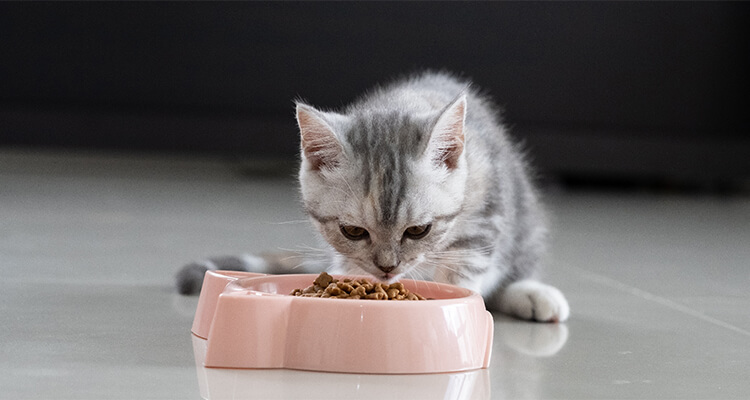
Credit: www.whiskas.co.uk
Transition Process
Switching your cat from kitten food to adult food needs care and patience. The transition process helps your cat adjust without stomach upset. This change should be smooth to keep your cat happy and healthy.
Gradual Food Mixing
Start by mixing a small amount of adult food with the kitten food. Increase the adult food portion slowly over 7 to 10 days. This helps your cat get used to the new taste and texture. Sudden changes can cause digestive problems. Mixing food gently avoids this.
Monitoring Reactions
Watch your cat closely during the transition. Check for signs like vomiting, diarrhea, or loss of appetite. Changes in energy levels or mood also matter. If you notice any problems, slow down the transition. Your cat’s health should always come first.
Adjusting Portions
Adjust food portions based on your cat’s weight and activity level. Adult cats usually need fewer calories than kittens. Overfeeding can lead to weight gain and health issues. Use feeding guidelines on the food package as a starting point. Consult your vet for personalized advice.
Common Mistakes To Avoid
Feeding your cat adult food at the right time is more than just a routine change. Avoiding common mistakes can protect your cat’s health and make the transition smoother. Knowing what pitfalls to watch for helps you keep your feline friend happy and well-nourished.
Switching Too Early
Many cat owners switch to adult food as soon as their kitten hits six months, but this can be a mistake. Kittens grow at different rates, and some need kitten food longer to support their development.
If you switch too early, your cat might miss essential nutrients found only in kitten formulas. Ask yourself: Is your cat still growing rapidly, or showing kitten-like energy? This can guide your timing better than age alone.
Ignoring Health Issues
Health problems can make feeding adult food tricky. If your cat has digestive issues or allergies, suddenly changing food might worsen symptoms.
Watch for vomiting, diarrhea, or loss of appetite after switching. These signs mean you should pause and consult your vet before continuing. Your cat’s health always comes first, so don’t overlook these warning signals.
Overfeeding Risks
Adult cat food often has fewer calories than kitten food, but that doesn’t mean you should feed more. Overfeeding can lead to weight gain and related health issues like diabetes.
Measure portions carefully and track your cat’s weight regularly. Have you noticed your cat gaining weight since the switch? Adjust the amount accordingly to keep your pet fit and active.
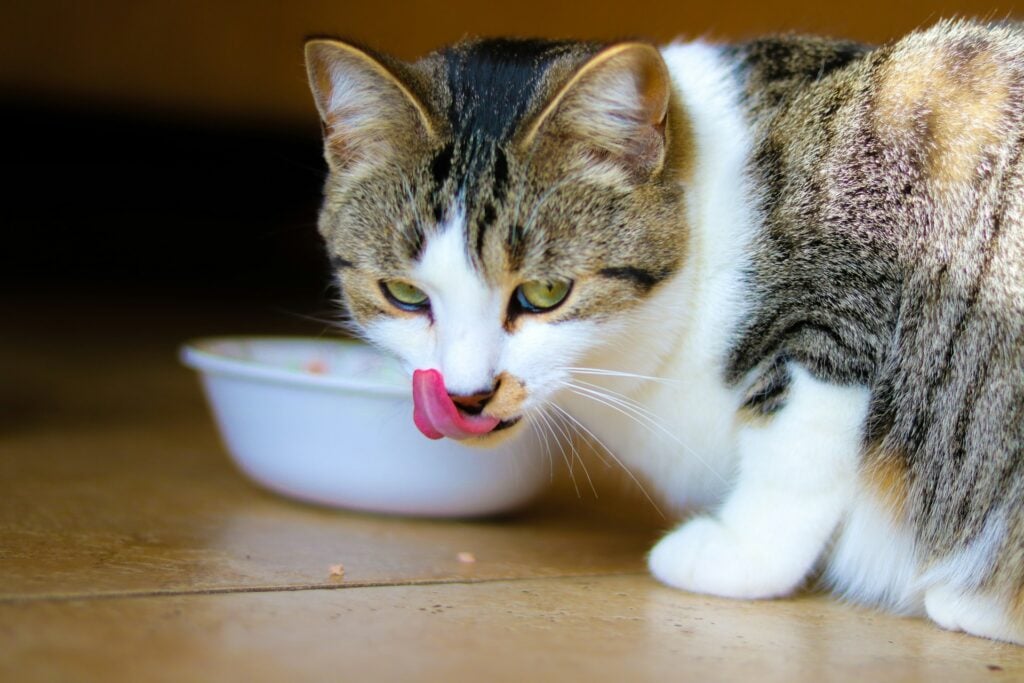
Credit: bullcityveterinary.com
Veterinarian Advice
Veterinarian advice plays a crucial role in deciding when to switch your cat to adult food. Each cat grows and develops differently, so expert guidance helps tailor the feeding schedule to your pet’s unique needs. Consulting your vet ensures you make the healthiest choice for your feline friend’s nutrition and well-being.
Regular Check-ups
Scheduling regular vet visits helps track your cat’s growth and health. During these check-ups, your vet can assess if your cat is ready to move from kitten food to adult food. They look at weight, dental development, and overall physical condition to recommend the right timing.
Have you ever noticed your cat losing interest in their current food? This could be a sign to discuss diet changes with your vet during a check-up. Regular visits keep you informed and your cat healthy.
Personalized Feeding Plans
Your cat’s diet should fit their lifestyle, health status, and breed. Vets can create personalized feeding plans that consider your cat’s activity level, any medical conditions, and nutritional needs. This ensures your cat gets the right balance of nutrients at every life stage.
For example, a highly active cat may need more protein than a sedentary one. Your vet’s advice helps you avoid one-size-fits-all feeding and supports your cat’s long-term health.
When To Seek Help
Sometimes, changing your cat’s diet can bring unexpected challenges like digestive upset or food refusal. If you notice vomiting, diarrhea, or drastic behavior changes after switching to adult food, contact your vet immediately. Early intervention can prevent serious health issues.
Also, if you’re unsure about the timing or type of food, don’t hesitate to ask your vet. Their expertise can save you from costly mistakes and keep your cat thriving.
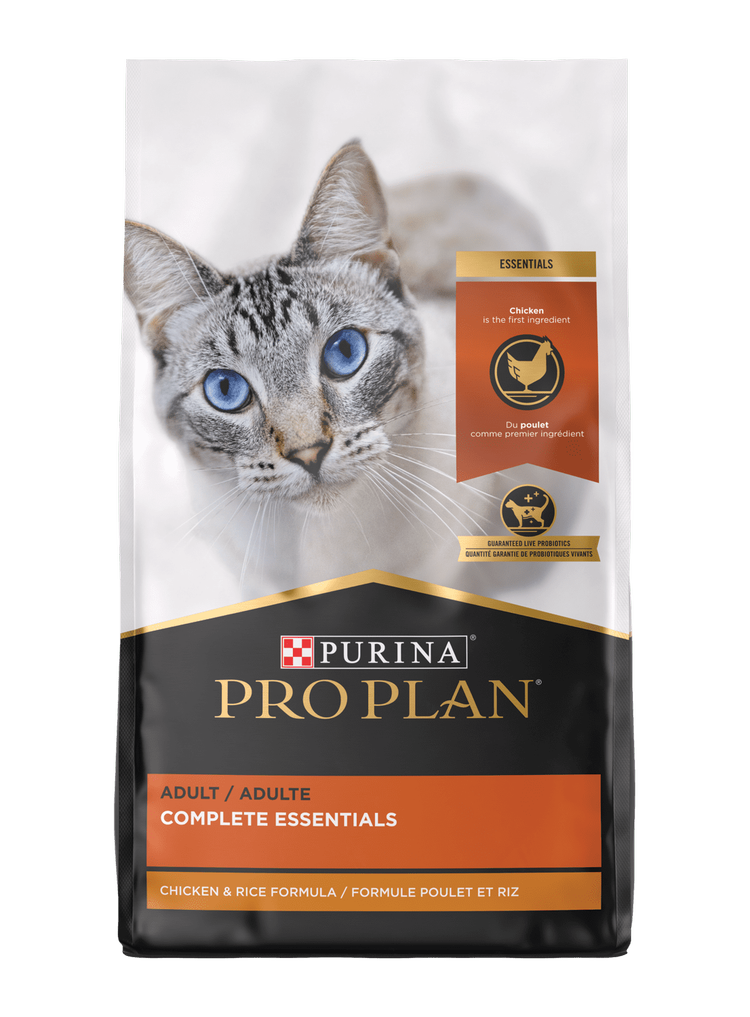
Credit: www.purina.com
Frequently Asked Questions
When Should I Switch My Kitten To Adult Cat Food?
Switch your kitten to adult cat food around 12 months old. This timing supports their changing nutritional needs as they mature.
What Signs Show My Cat Is Ready For Adult Food?
Look for slowed growth and decreased energy. These signs indicate your cat is ready for adult food.
Can I Feed Adult Food To A Kitten Early?
Avoid feeding adult food early. Kittens need higher protein and fat for healthy growth.
How To Transition My Cat To Adult Food Smoothly?
Gradually mix adult food with kitten food over 7-10 days. This helps avoid digestive upset.
Conclusion
Feeding your cat adult food at the right time keeps them healthy. Most cats switch around one year old, but watch their growth. If your cat seems bigger and less playful, it may be time. Choose quality adult cat food for balanced nutrition.
Changing food slowly helps avoid stomach upset. Remember, each cat is different, so check with your vet if unsure. Healthy eating means a happy cat. Simple steps make a big difference in your cat’s life.



Leave a Reply