
Thinking about adding a new furry friend to your family? Choosing to get a cat from a breeder can be an exciting decision, but timing is everything.
You want to make sure you pick the right moment to bring your kitten home—when they’re healthy, socialized, and ready to fit into your life. You’ll discover the key signs and perfect timing for getting a cat from a breeder.
Keep reading to avoid common mistakes and ensure your new companion starts off on the right paw.

Credit: dremmanuelfontaine.com
Choosing The Right Age
Choosing the right age to get a cat from a breeder is very important. It affects the cat’s health and behavior. Picking the right time helps the kitten grow strong and happy. It also makes the transition to your home easier for the kitten.
Ideal Age For Adoption
The best age to bring a kitten home is usually between 8 and 12 weeks old. At this age, kittens have learned important skills from their mother and siblings. They are more social and ready to explore new places. Kittens adopted too early may miss out on key lessons for good behavior.
Risks Of Early Separation
Taking a kitten from its mother too soon can cause problems. Kittens need their mother’s care for nutrition and warmth. Early separation can lead to health issues like weak immunity. It can also cause emotional stress and fearfulness. These kittens may develop bad habits or have trouble socializing later.
Benefits Of Waiting
Waiting until the kitten is at least 8 weeks old brings many benefits. Kittens are stronger and better prepared to live away from their mother. They learn important social skills that help them get along with other pets and people. This age also allows the breeder to check the kitten’s health and behavior thoroughly.
Breeder’s Role In Timing
The timing of bringing a cat home depends greatly on the breeder’s role. Responsible breeders know the right moment to let a kitten go. Their experience ensures kittens leave healthy and ready for a new life. Understanding their role helps new owners prepare well.
Health Checks Before Adoption
Breeders perform several health checks before adoption. They test for common diseases and parasites. Vaccinations happen at the right age to protect kittens. Health screenings ensure the kitten is strong and free from illness. This step is crucial for a smooth transition to your home.
Socialization Period
The socialization period is key for a kitten’s growth. Breeders keep kittens with their mother and siblings until at least 8 weeks old. This time helps kittens learn important social skills. Early socialization reduces future behavior problems. Breeders carefully watch this stage to decide the best timing for adoption.
Breeder’s Recommendations
Breeders provide advice based on each kitten’s needs. They suggest the ideal age to take the kitten home. Their recommendations cover feeding, care, and environment. Following their guidance helps kittens adapt quickly. Trusting a breeder’s advice leads to a happier, healthier cat.
Preparing Your Home
Preparing your home before bringing a cat from a breeder is essential. It creates a safe and welcoming space for your new pet. Thoughtful preparation helps your cat adjust quickly and feel comfortable.
Setting up your home shows you care and are ready for this new responsibility. It also protects your belongings and keeps your cat safe. Here are key areas to focus on.
Safe Environment Setup
Remove items that can harm your cat. Keep wires, small objects, and toxic plants out of reach. Create quiet areas where your cat can rest without disturbance.
Check windows and balconies to prevent falls. Secure doors to avoid escapes. Provide scratching posts to protect furniture and satisfy natural instincts.
Necessary Supplies
- Food and water bowls, easy to clean and stable.
- High-quality cat food suitable for your cat’s age.
- Litter box placed in a private, accessible spot.
- Comfortable bed or blanket for cozy naps.
- Safe toys to encourage play and exercise.
Keep supplies ready before your cat arrives. It helps the transition stay smooth and stress-free.
Family Readiness
Talk with family members about cat care duties. Agree on feeding, cleaning, and playtime schedules. Teach children how to handle the cat gently.
Prepare everyone for the changes a pet brings. Patience and kindness help build a strong bond with your new cat.

Credit: dremmanuelfontaine.com
Seasonal Considerations
Choosing the right time to bring a new cat home involves more than just your schedule. Seasonal factors can greatly affect your cat’s adjustment and health. Understanding these can help you make a smoother transition for both you and your feline friend.
Weather Impact On New Cats
Cold weather can make it harder for a new cat to adapt, especially if they are used to a warmer environment. Cats are sensitive to temperature changes, and a chilly home can increase stress and health risks.
Warm seasons often offer a gentler introduction. You can open windows safely, giving your cat fresh air and natural light, which helps with their mood and acclimation. However, beware of extreme heat, which can also be dangerous.
Think about your home’s heating and cooling systems. Do they keep the environment stable? A stable indoor climate helps your cat feel safe and reduces the chance of illness.
Holiday Timing Pros And Cons
Holidays might seem like a perfect time to get a cat because you are home more. This extra time lets you focus on bonding and training your new pet without the rush of a normal workday.
On the flip side, holidays can be chaotic. Visitors, decorations, and noise might overwhelm a shy or sensitive cat. Imagine trying to settle into a new home while fireworks explode outside or the house is full of strangers.
Consider your holiday plans carefully. If you travel often or expect a busy house, it might be better to wait. Your cat needs calm and consistency, especially in those first few days.
Signs Your Cat Is Ready
A cat showing curiosity and playfulness signals readiness for a new home. Calm behavior around people also means it’s time to bring your cat from a breeder. Watch for healthy eating and social skills before making the decision.
Are you considering bringing a feline friend into your home from a breeder? Knowing the right time to do so is crucial for both your happiness and the cat’s well-being. Cats, especially kittens, have specific needs and signals that indicate they’re ready to join a new family. Understanding these signs ensures a smoother transition and a more rewarding relationship.Behavioral Indicators
A cat’s behavior offers a window into their readiness for adoption. Observe their social interactions; a kitten that’s playful and curious is usually ready for a new environment. If they frequently engage with littermates and show interest in toys, they’re likely well-adjusted. Have you ever noticed a kitten confidently approaching you, ready for a cuddle? That’s a sign of a well-socialized cat. Shy or overly aggressive behavior might indicate they need more time with their mother or siblings.Physical Development
Physical maturity is another key aspect. Kittens should be a certain age and weight before leaving the breeder. Typically, kittens are ready to go to new homes between 8 to 12 weeks old. By this age, they should have developed basic motor skills. You can test this by observing if they can jump, climb, and play without losing balance. A healthy weight and size also show they’re physically prepared for a new adventure.Vaccination And Vet Visits
Ensuring your kitten has received the necessary vaccinations is crucial. A responsible breeder will have a record of vaccinations, typically starting at six to eight weeks old. Check if the breeder has taken the kitten for regular vet visits. Would you bring home a kitten without knowing their health history? Ensuring they’re vaccinated protects them from diseases and gives you peace of mind. Discuss any additional vaccinations or health checks with the breeder to prepare for your new pet’s arrival.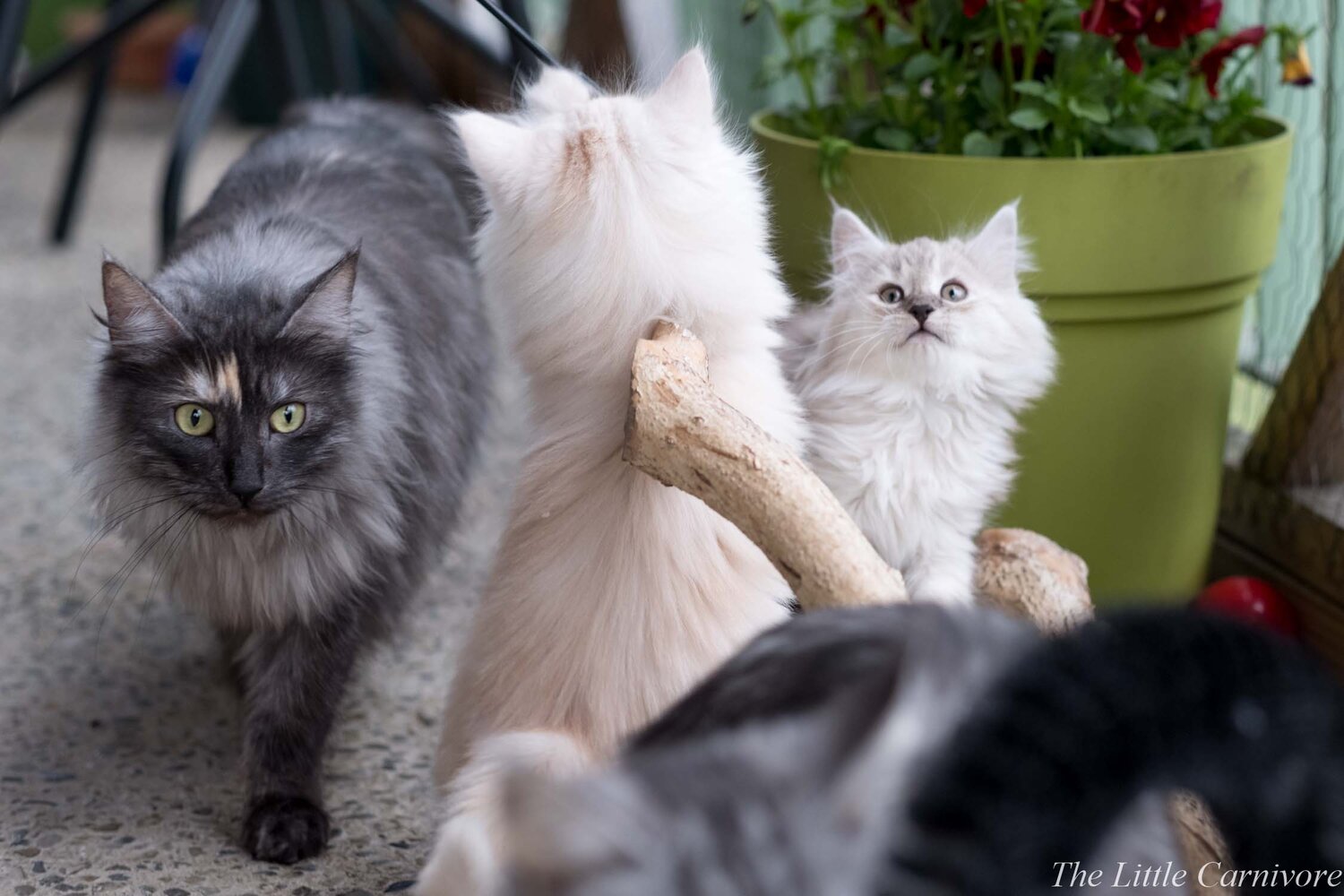
Credit: thelittlecarnivore.com
Timing For Specific Breeds
Choosing the right time to get a cat from a breeder depends a lot on the breed you’re interested in. Different breeds grow and mature at different rates, and some need more care early on. Knowing these details helps you prepare better and gives your new cat the best start in your home.
Breed Maturity Rates
Some cat breeds mature faster than others. For example, Siamese cats tend to reach their full size and personality by about 1 year old, while Maine Coons can take up to 4 years to fully mature.
If you want a playful kitten, many breeds are ready to leave their mother by 8 to 12 weeks. But for slower-maturing breeds, waiting until they are closer to 16 weeks can be better for their health and social development.
Ask your breeder about the typical growth timeline for your chosen breed. This helps you plan when to bring your cat home so they fit your lifestyle and your readiness to care for them.
Special Care Requirements
Some breeds need more attention right from the start. Persian cats, for instance, have thick coats that require daily grooming from a young age.
Breeds with health challenges, like Scottish Folds, might need early vet visits to check for genetic issues. Getting your cat at the right age means you can start these routines without delay.
Think about your ability to meet these needs. Are you ready for daily grooming or frequent vet trips? Timing your adoption when you can fully commit makes a big difference in your cat’s well-being.
Frequently Asked Questions
When Is The Best Time To Get A Cat From A Breeder?
The ideal time is when kittens are at least 8 weeks old. This allows proper socialization and weaning from the mother. Breeders often recommend waiting until 12 weeks for healthier and better-adjusted cats. Choose a time when you can provide a stable, loving home.
How To Find A Reputable Cat Breeder?
Look for breeders who are registered with cat associations. They should provide health clearances and pedigree information. Visit their facilities to ensure clean, humane conditions. A good breeder answers questions openly and offers support after adoption.
Why Consider A Breeder Over Adopting From Shelters?
Breeders offer specific breeds with predictable traits and health history. They provide early socialization and genetic health testing. However, adopting supports animal welfare and reduces shelter overcrowding. Choose breeders carefully to ensure ethical practices.
What Questions Should I Ask A Cat Breeder?
Ask about the kitten’s health history and vaccinations. Inquire about parents’ temperament and genetic testing. Request documentation of breed registration and health guarantees. Confirm the breeder’s experience and return policy for the kitten.
Conclusion
Choosing the right time to get a cat from a breeder matters a lot. It helps ensure your new pet stays healthy and happy. Consider your schedule, budget, and readiness first. Breeders usually have kittens ready at certain times of the year.
Knowing this can save you time and stress. Take your time to research and ask questions. A thoughtful choice leads to a strong bond with your cat. Enjoy the journey of welcoming a new furry friend into your life.




Leave a Reply