You love your cat and want to keep them healthy and happy. But how do you know when a small change in their behavior is something to worry about?
Cats are good at hiding pain and illness, so it’s easy to miss the signs. If you’re asking yourself, “When should I start worrying about my cat’s health? ” you’re not alone. You’ll learn the key warning signs that mean it’s time to take action.
By paying attention now, you can help your furry friend stay strong and avoid serious problems later. Keep reading to discover what to watch for and how to keep your cat feeling their best.

Credit: applaws.com
Common Signs Of Illness
Recognizing common signs of illness in your cat is essential for early care. Cats often hide discomfort well, so small changes can be important. Watch closely for any unusual behavior or physical symptoms. Early detection can lead to better treatment outcomes and a happier pet.
Changes In Appetite
A sudden drop or rise in your cat’s eating habits can signal health issues. Cats may stop eating due to pain or nausea. Eating more than usual might indicate stress or illness. Track how much and how often your cat eats daily.
Lethargy And Weakness
Less energy or reluctance to move can mean your cat feels unwell. Cats usually rest but should still play and explore. Notice if your cat stays in one place for long periods. Weakness might also show in trouble jumping or climbing.
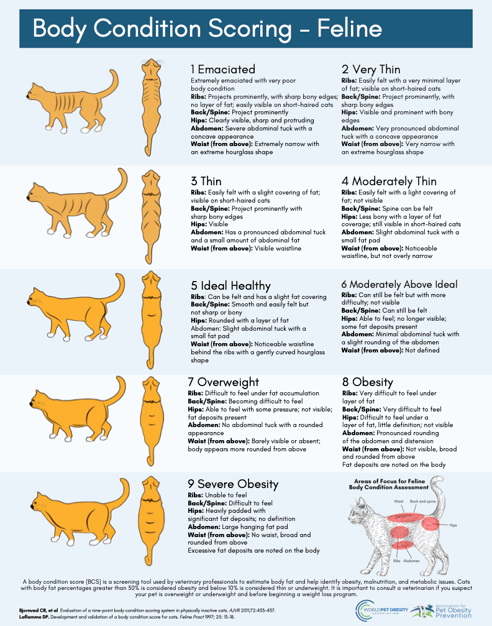
Weight Loss Or Gain
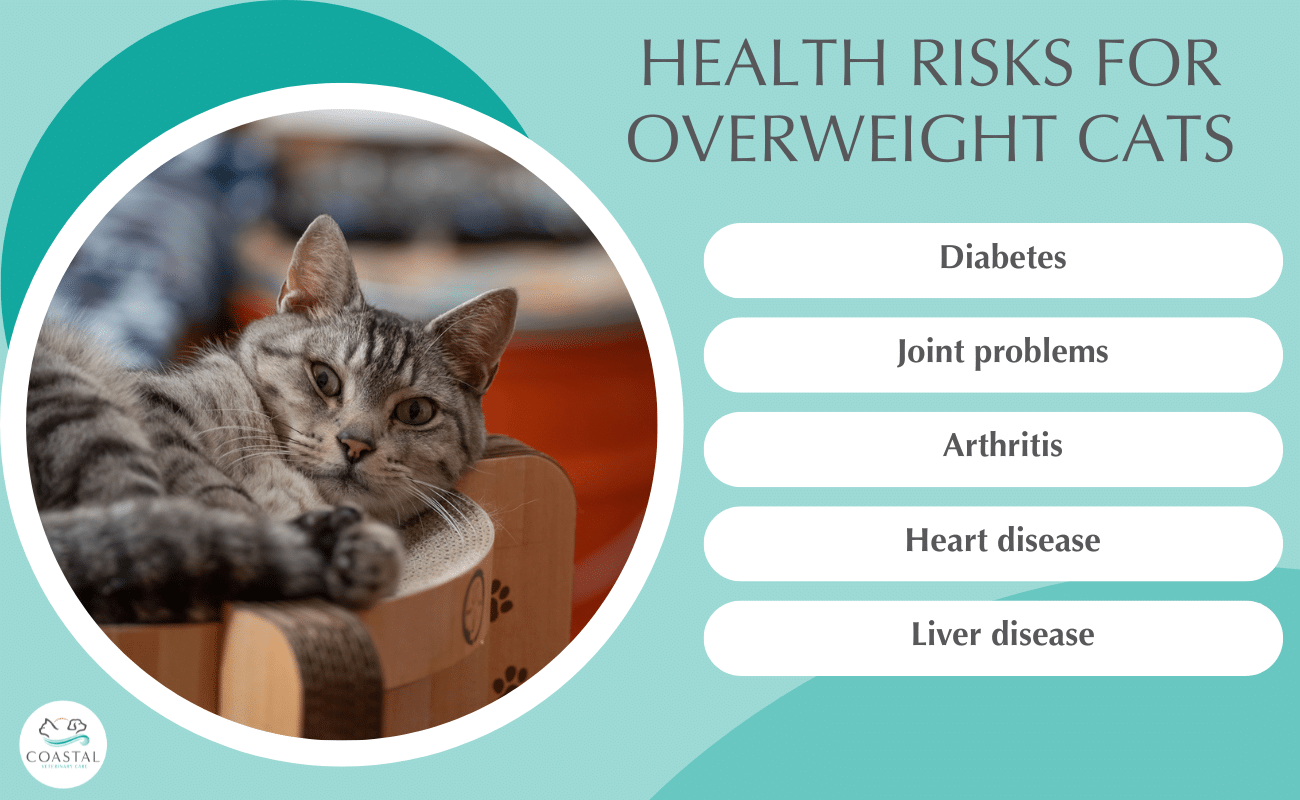
Unexpected weight changes often point to health problems. Weight loss can happen with infections or organ issues. Weight gain might be a sign of diabetes or thyroid problems. Regularly weigh your cat or observe changes in body shape.
Vomiting And Diarrhea
Occasional vomiting or loose stools can occur but frequent episodes need attention. These symptoms may indicate digestive problems or infections. Look for dehydration signs like dry gums or sunken eyes. Keep track of how often vomiting or diarrhea happens.
Behavioral Changes To Notice
Noticing changes in your cat’s behavior can be one of the earliest signs that something might be wrong. Cats are masters at hiding pain, so spotting subtle shifts is crucial. Paying close attention to how your cat acts day-to-day helps you catch problems before they escalate.
Increased Aggression Or Hiding
If your usually friendly cat suddenly growls, hisses, or swipes, don’t ignore it. Increased aggression can signal pain, stress, or illness. On the other hand, if your cat starts hiding in unusual places or avoids interaction, it might be trying to protect itself from discomfort or fear.
Ask yourself: Has your cat’s social behavior changed? Are they less willing to be touched or approached? These signs call for a vet checkup to rule out underlying issues.
Excessive Grooming Or Lack Thereof
Changes in grooming habits are a clear red flag. Excessive licking or biting at one spot could mean your cat is trying to relieve pain or itchiness, possibly from allergies or skin problems. Conversely, if your cat suddenly stops grooming, their coat may look dull or matted, indicating illness or depression.
Watch for bald patches, redness, or sores. These signs should prompt you to consult your vet promptly.
Altered Sleeping Patterns
Cats sleep a lot, but significant shifts in their sleep routines deserve attention. If your cat starts sleeping much more or less than usual, it could be a symptom of health issues like pain, anxiety, or metabolic problems.
Does your cat nap at odd times or seem restless at night? Noticing these changes helps you understand when to seek professional advice.
Physical Symptoms To Check
Noticing physical changes in your cat can hint at health problems early. Watching for unusual signs helps catch issues before they worsen. Some symptoms appear subtle but need quick attention.
Breathing Difficulties
Labored or fast breathing is a red flag. Listen for wheezing or coughing sounds. Cats normally breathe quietly and evenly. Open-mouth breathing or gasping signals distress. Seek vet help if these signs show.
Unusual Lumps Or Swellings
Check your cat’s body regularly for bumps. Lumps can appear anywhere: under skin, near joints, or belly. Soft or hard lumps need vet evaluation. Sudden swellings might mean infections or tumors.
Eye And Nose Discharge
Clear eyes and nose show good health. Watery, yellow, or green discharge can mean infection. Look for redness, swelling, or crusts too. Persistent discharge needs veterinary care to prevent worsening.
Changes In Coat Condition
Healthy cats have shiny, smooth fur. Dull, patchy, or greasy coats suggest health issues. Excessive shedding or bald spots need checking. Poor coat condition may link to nutrition or illness.
When To Seek Immediate Help
Sudden changes in eating, breathing, or behavior signal urgent care needs. Severe wounds, seizures, or difficulty walking require immediate vet attention. Trust your instincts—quick action can save your cat’s life.
When it comes to your cat’s health, knowing when to seek immediate help is crucial. Cats often hide their discomfort. This makes it essential for owners to recognize signs of serious issues. Quick action can save your cat’s life. Below are situations that need urgent attention.Sudden Collapse Or Seizures
A cat collapsing or having a seizure is alarming. It indicates a serious health problem. Causes might include heart issues or toxins. Immediate veterinary help is essential. Time is critical. The faster you act, the better the chances for recovery.Difficulty Breathing
Breathing problems in cats are emergencies. Signs include wheezing or rapid breaths. Cats might breathe with an open mouth. Such symptoms can indicate respiratory distress. Causes vary from allergies to infections. Immediate veterinary care is necessary. Delays can be life-threatening.Severe Bleeding Or Injury
Severe bleeding is a clear emergency. Cats can hide pain, masking injuries. Look for open wounds or swelling. Bleeding that doesn’t stop needs urgent care. Injuries can lead to shock or infections. Quick action minimizes complications. Always consult a vet if in doubt.Preventive Care Tips
Preventive care keeps your cat healthy and happy. It helps spot problems early and avoid serious illness. Daily attention and regular checks protect their well-being.
Regular Vet Visits
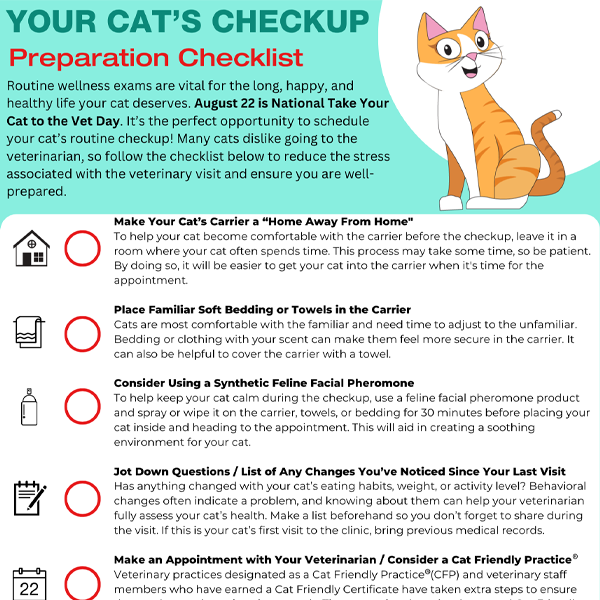
Schedule vet visits at least once a year for healthy cats. Older cats or those with health issues need more frequent visits. Vets check your cat’s weight, teeth, and overall condition. Early detection of problems saves lives and lowers treatment costs.
Vaccinations And Parasite Control
Vaccinations protect cats from deadly diseases. Follow your vet’s advice on which vaccines your cat needs. Parasites like fleas, ticks, and worms harm your cat’s health. Use vet-recommended treatments to keep parasites away. Regular parasite control avoids discomfort and illness.
Healthy Diet And Hydration
Feed your cat a balanced diet suitable for their age and health. Avoid giving human food that can be harmful. Provide fresh water daily to keep them hydrated. Proper nutrition supports a strong immune system and shiny coat.
Credit: coastalveterinarycare.vet
Tracking Your Cat’s Health
Tracking your cat’s health helps spot problems early. It also keeps your pet happy and safe. Regular checks let you notice changes fast. Small signs often show before serious illness starts. Careful tracking supports better vet visits and treatments.
Keeping A Health Journal
A health journal records daily habits and health details. Note down eating, drinking, and bathroom patterns. Write any behavior changes or unusual signs. Include weight, energy levels, and coat condition. Journals help spot trends and warn of problems.
Use a simple notebook or digital app. Update it regularly for best results. Share your notes with your veterinarian during visits. This gives a clearer picture of your cat’s health.
Using Technology For Monitoring
Technology offers tools to track your cat’s health easily. Smart collars can measure activity, sleep, and heart rate. Some devices track location to prevent lost pets. Apps help log health data and set reminders for care tasks.
Choose tools that fit your cat’s lifestyle and your budget. Technology provides constant monitoring without stress on your pet. It helps catch early warning signs for prompt action.
Credit: catfriendly.com
Frequently Asked Questions
When Should I Consult A Vet About My Cat’s Health?
Consult a vet if your cat shows sudden changes in behavior, appetite, or litter box habits. Early checkups help catch diseases early and improve treatment success. Regular vet visits are crucial for preventive care and vaccinations.
What Are Early Signs Of Cat Health Problems?
Watch for lethargy, weight loss, vomiting, diarrhea, coughing, or difficulty breathing. Changes in grooming or increased hiding can signal illness. Early detection helps prevent serious health issues.
How Often Should I Monitor My Cat’s Health?
Check your cat’s behavior, eating, and litter habits daily. Schedule veterinary checkups at least once a year. Older cats or those with health issues may need more frequent monitoring.
When Is My Cat’s Behavior A Health Concern?
If your cat suddenly becomes aggressive, withdrawn, or confused, seek veterinary advice. Behavioral changes often indicate pain or illness needing prompt attention.
Conclusion
Caring for your cat means watching for health changes daily. Small signs can show bigger problems ahead. Act quickly when you notice unusual behavior or symptoms. Regular vet visits help catch issues early. Healthy cats live happier, longer lives. Trust your instincts and seek advice when unsure.
Your cat depends on you for care and love. Stay alert, stay caring, and keep your cat safe.



Leave a Reply