Is your kitten growing up faster than you expected? You might be wondering when it’s the right moment to switch to adult cat food.
Choosing the best food at the right time can make a big difference in your cat’s health and happiness. If you want to give your furry friend the nutrition they need without any guesswork, keep reading. This guide will help you spot the signs and make the switch smoothly, so your cat stays strong, energetic, and content.
Don’t miss out on these important tips that every cat owner should know!
Credit: www.purina.com
Age Milestones For Switching
Age milestones guide the best time to switch your cat to adult food. Cats grow quickly during their early months. Their nutritional needs change as they move through different stages. Feeding the right food supports healthy growth and long-term wellness.
Kitten Growth Stages
Kittens grow fast from birth to one year. Their body needs more protein and energy. Growth stages include:
- Neonatal (0-2 weeks):Dependent on mother’s milk.
- Weaning (3-8 weeks):Start eating soft kitten food.
- Juvenile (2-6 months):Rapid growth, active play.
- Adolescence (6-12 months):Growth slows, muscle builds.
Each stage demands a diet rich in nutrients. Kitten food supports brain and bone development. It also helps build a strong immune system.
Typical Transition Age
Most cats switch to adult food between 9 and 12 months old. At this age, their growth rate slows. Their energy needs decrease compared to kittenhood. Switching too early can limit growth. Switching too late can cause weight gain.
Consult your vet for personalized advice. Some larger breeds may need kitten food longer. Follow your cat’s weight and activity levels closely. Adjust feeding habits as your cat matures.
Behavioral Changes To Watch
Watching your cat’s behavior helps decide the right time to switch to adult cat food. Cats show clear signs as they grow older. These changes affect their energy and eating needs. Spotting these signals can guide you to adjust their diet properly. Behavioral changes often reflect their nutritional requirements.
Decreased Playfulness
Adult cats tend to play less than kittens. They may nap more during the day. Less chasing and jumping is common. This drop in activity means they need fewer calories. Feeding kitten food too long might cause weight gain. Notice if your cat is less curious or energetic. These signs suggest it might be time for adult food.
Altered Eating Habits
Eating patterns change as cats mature. Your cat may eat slower or less often. Sometimes, they become picky about food texture or flavor. A kitten’s high-energy diet may not suit adult cats. Adult cat food supports their slower metabolism. Watch for changes in appetite or food interest. Adjusting their diet keeps them healthy and happy.
Physical Indicators
Physical signs help determine the right time to switch your cat to adult food. These indicators show your cat’s growth and readiness for a new diet. Watching these changes closely ensures your pet stays healthy and happy.
Weight And Size Changes
Kittens grow quickly during their first year. Their weight and size increase steadily. Once growth slows and your cat nears adult size, it is time to change food. Overfeeding kitten food past this stage can lead to extra weight gain.
Check your cat’s body shape regularly. A healthy adult cat has a defined waist and ribs that are easy to feel. If your cat looks fuller or heavier, it may be time to adjust the diet.
Dental Development
Kittens lose their baby teeth between 3 and 6 months. Adult teeth come in fully by 6 to 7 months. Once your cat has a complete set of adult teeth, it can handle tougher adult food.
Adult cat food supports stronger teeth and healthier gums. Soft kitten food may not meet these needs anymore. Look inside your cat’s mouth to check if all adult teeth are present and healthy.

Credit: www.tippaws.com
Nutritional Needs Shift
As your cat grows, their nutritional needs change. What worked for a playful kitten won’t always suit a mature cat. Recognizing this shift helps you provide food that supports their health at every stage.
Energy Requirements
Kittens burn a lot of energy running and exploring. Their food needs to fuel this high activity level. Once your cat reaches adulthood, their energy demands usually drop.
Adult cats require fewer calories to maintain a healthy weight. Feeding kitten food too long can lead to unwanted weight gain. Have you noticed your cat becoming less active or gaining weight? That could signal it’s time to adjust their diet.
Protein And Nutrient Adjustments
Kittens need extra protein and fat to grow strong bones and muscles. Adult cats still need protein, but in balanced amounts to keep their body functioning well without overloading their system.
Look for adult cat food formulas that provide the right mix of nutrients for maintenance, including:
- Moderate protein levels to support muscle health
- Essential vitamins and minerals to boost immunity
- Controlled fat content to prevent weight issues
Shifting to adult cat food means giving your cat what they need now, not what they needed months ago. Have you checked the labels recently to see if your cat’s food matches their current life stage?
Veterinarian Recommendations
Your veterinarian is one of the best resources when deciding the right time to switch your cat to adult food. They understand your cat’s unique health needs and growth patterns better than anyone else. Listening to their recommendations can prevent nutrition mistakes that might affect your cat’s well-being.
Health Checkups
Regular health checkups offer a clear picture of your cat’s physical condition. During these visits, your vet can assess your cat’s weight, dental health, and energy levels, all of which influence dietary needs.
For example, if your kitten is growing steadily and showing strong teeth development, your vet might suggest switching to adult food around one year old. But if there are signs of health issues or delayed growth, they may recommend waiting or adjusting the diet.
Have you noticed your cat’s activity or weight changing? This is a good time to schedule a vet visit before changing their food.
Personalized Advice
Every cat is different. Your vet can give advice tailored to your cat’s breed, lifestyle, and any medical conditions. This personalized guidance ensures your cat gets the right nutrients at the right time.
For instance, some breeds mature faster and may need adult food earlier. Cats with sensitive stomachs might require a gradual transition or special formulas. Your vet can help design a feeding plan that fits your cat perfectly.
Would you feel more confident switching foods if you had a clear plan from a professional? Getting personalized advice takes the guesswork out of feeding your cat.
Signs Of Food Intolerance
Understanding when to transition your cat to adult food is important. One key factor is food intolerance. Cats, like humans, can develop sensitivities to certain ingredients. Recognizing these signs early can ensure your cat’s health and happiness.
Digestive Issues
Observe your cat’s litter box habits. Frequent diarrhea or constipation can signal intolerance. Vomiting after meals can also indicate a problem. Watch for changes in appetite or weight. Rapid weight loss might mean digestive distress. If your cat seems uncomfortable after eating, consider a diet change.
Allergic Reactions
Check your cat’s skin and coat. Redness or itchy skin suggests an allergic reaction. Excessive licking or scratching can be a sign too. Swelling around the face or paws is another warning. Sneezing or coughing might also indicate allergies. If you notice these, switching foods might help.
Tips For A Smooth Transition
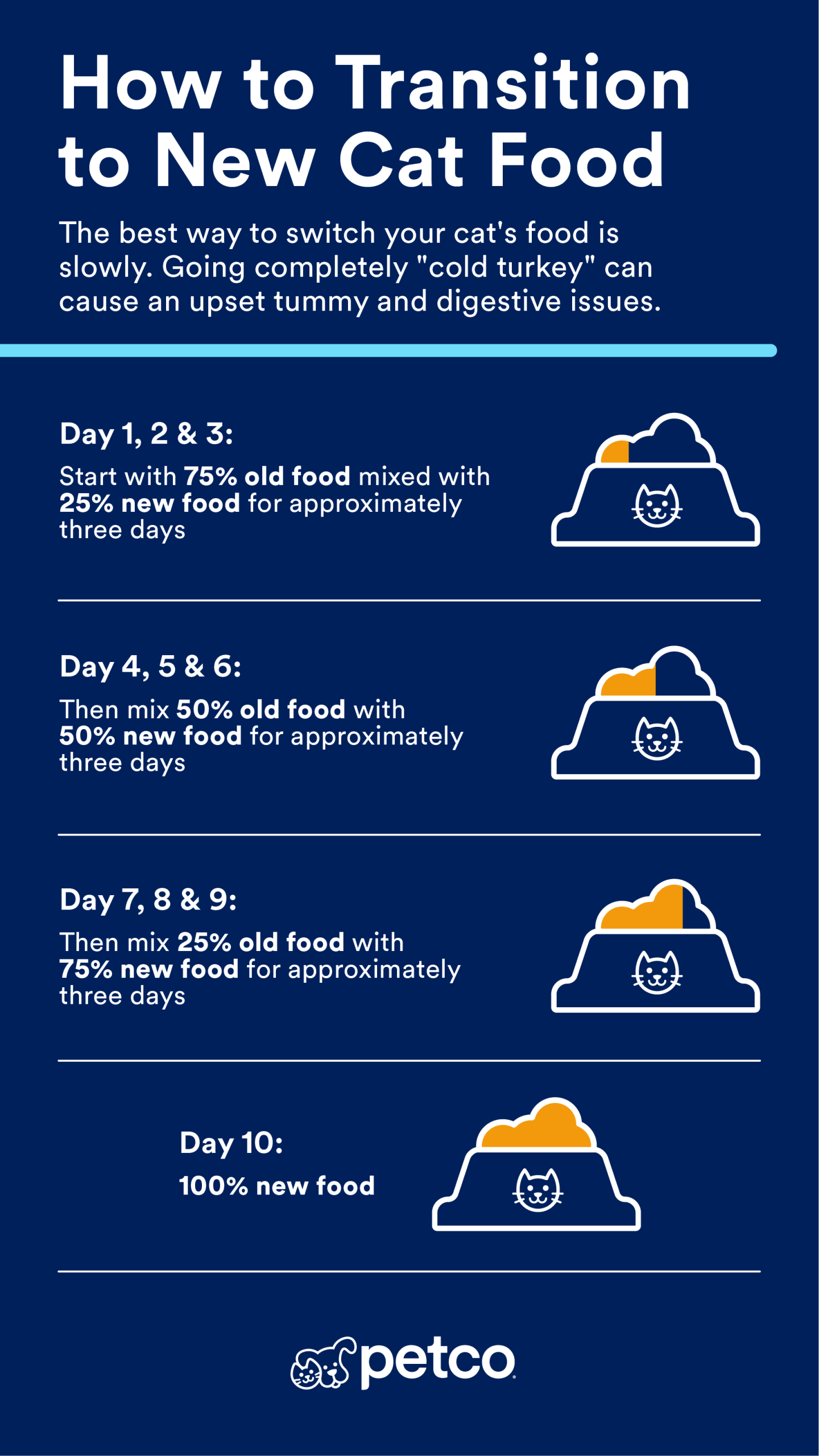
Switching your cat to adult food needs care and patience. A smooth change helps avoid stomach upset and keeps your cat happy. Follow simple steps for a safe transition. Watch your cat’s reaction closely for any signs of trouble.
Gradual Food Changes
Start by mixing a small amount of adult food with the current kitten food. Increase the adult food amount slowly over 7 to 10 days. This gradual change helps your cat adjust to new flavors and nutrients. Avoid sudden switches to prevent digestive problems. Keep the feeding times consistent to build a routine.
Monitoring Your Cat
Observe your cat’s eating habits and energy levels daily. Look for changes in appetite, vomiting, or diarrhea. Note any unusual behavior like lethargy or excessive thirst. Keep a journal to track these changes for reference. Consult a vet if you see any worrying signs during the transition.
Credit: www.purina.com
Frequently Asked Questions
When Should I Switch My Kitten To Adult Cat Food?
Switch to adult cat food when your kitten reaches one year old. This ensures they get proper nutrients for adult life. Consult your vet for specific breed or health needs before switching.
What Are Signs My Cat Needs Adult Food?
Signs include slowed growth, stable weight, and reduced playfulness. Adult cat food supports maintenance rather than growth. Watch your cat’s behavior and health to decide the right time.
How Is Adult Cat Food Different From Kitten Food?
Adult cat food has fewer calories and adjusted nutrients for maintenance. Kitten food is richer to support rapid growth. Feeding the right type prevents obesity and health issues.
Can Switching Cat Food Too Early Cause Problems?
Yes, switching too early may cause nutrient deficiencies. Kittens need extra protein and fat for growth. Always transition gradually and consult your vet to avoid digestive issues.
Conclusion
Switching to adult cat food is important for your cat’s health. Cats grow fast, and their needs change with age. Adult cat food has the right nutrients for their energy and growth. Watch for signs like their first birthday or changes in activity.
Feeding the right food helps keep your cat strong and happy. Always check with your vet if unsure about the switch. Healthy food means a healthy cat. Simple steps today lead to a longer, better life for your pet.



Leave a Reply