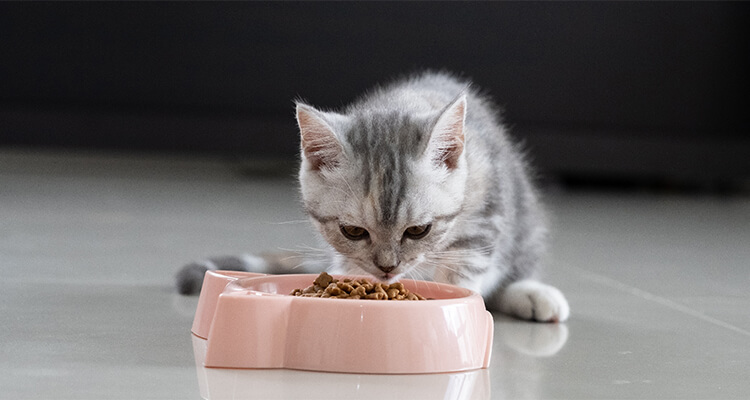
Are you wondering when your kitten should start eating adult cat food? It’s a common question for many cat owners, and getting the timing right is important for your furry friend’s health.
Feeding your cat the right food at the right time helps them grow strong and stay healthy. You’ll learn exactly when to make the switch and what signs to watch for. Keep reading to ensure your cat gets the best nutrition at every stage of life.

Credit: www.purina.com
Cat Growth Stages
Understanding your cat’s growth stages is key to knowing when to switch their diet from kitten food to adult food. Each stage has unique nutritional needs that support their development and overall health. Paying attention to these phases helps you provide the right food at the right time, ensuring your cat stays energetic and healthy.
Kitten Phase
Kittens grow rapidly during their first six months. Their bodies need high protein and calorie content to build strong muscles and bones. During this phase, kitten food is specially formulated to meet these demands.
Have you noticed how playful and active kittens are? Their diet fuels this energy, so switching to adult food too early can leave them feeling tired or undernourished.
Adolescence
Between six months and one year, your cat enters adolescence. Growth slows, but they still need nutrient-rich food to support muscle development and brain function.
This is the time to gradually introduce adult food. Mixing kitten and adult food helps your cat adjust without digestive upset.
Adult Maturity
By one year, most cats reach adult maturity. Their growth stabilizes, and their dietary needs shift to maintaining health rather than supporting growth.
Adult cat food provides balanced nutrition with controlled calories to prevent weight gain. Have you checked your cat’s weight and activity level lately? Adjusting their food type and amount based on these factors can keep them fit and happy.
Signs To Switch Food
Knowing when to switch your cat to adult food is important. Cats grow fast and their needs change quickly. Watching for signs helps make the change smooth. These signs show your cat is ready for adult food.
Physical Changes
Your cat’s body shows clear signs of growth. Their baby teeth start falling out. Adult teeth come in fully. Weight gain and muscle development become visible. The kitten’s size also increases noticeably. Coat texture may change, becoming thicker or shinier. These changes mean their body needs more mature nutrition.
Behavioral Indicators
Behavior changes can signal readiness for adult food. Kittens eat more solid food and less milk. They may show less interest in nursing. Playfulness may reduce as they grow calmer. Their energy patterns change, needing stable nutrition. Watch for these shifts to know when to switch food.
Veterinary Recommendations
Vets give the best advice on feeding time. Routine check-ups help track your cat’s growth. They check teeth, weight, and overall health. Vets often suggest switching food between 9 to 12 months. Follow their guidance for a healthy diet change. Always ask if unsure about the timing.
Choosing Adult Cat Food
Choosing the right adult cat food is more than just picking a brand off the shelf. It’s about understanding what your cat truly needs at this stage of life. Your cat’s health, energy, and happiness depend on the food you choose, so it’s worth paying close attention to the details.
Nutritional Needs
Adult cats require a balanced diet rich in protein, as they are obligate carnivores. Protein supports muscle maintenance and overall health. Fat is also essential for energy and a healthy coat, while carbohydrates should be kept low to avoid unnecessary weight gain.
Vitamins and minerals like taurine, vitamin A, and calcium are crucial. Taurine deficiency can cause serious health issues, so check that the food contains this vital amino acid. Think about your cat’s lifestyle—active cats may need more calories, while indoor cats often require fewer.
Types Of Adult Cat Food
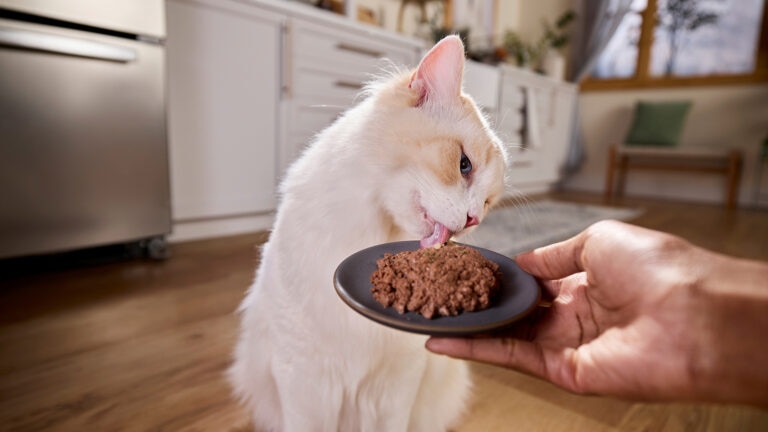
You’ll find several types of adult cat food: dry kibble, wet canned food, and semi-moist options. Dry food is convenient and helps keep teeth clean, but some cats prefer the texture of wet food. Wet food also provides extra hydration, which is important if your cat doesn’t drink much water.
Semi-moist food is less common and often contains more sugar and preservatives, so choose carefully. Mixing dry and wet food can give your cat variety and balance. Have you noticed your cat’s preference? Tailoring the type of food to your cat’s taste and health can make mealtime more enjoyable.
Reading Food Labels
Labels can be confusing, but knowing what to look for helps you avoid low-quality options. Ingredients are listed by weight, so the first few items matter most. Look for named meat sources like “chicken” or “salmon” rather than vague terms like “meat by-products.”
Check the guaranteed analysis section for protein, fat, fiber, and moisture content. A good adult cat food usually has at least 30% protein and moderate fat. Avoid foods with too many fillers like corn, wheat, or soy, which don’t offer much nutrition.
Also, watch for artificial colors, flavors, and preservatives—your cat doesn’t need these extras. Next time you shop, spend a moment comparing labels; your cat’s health depends on the quality you choose.
Credit: www.chewy.com
Transitioning To Adult Food
Transitioning your cat from kitten food to adult food requires care and patience. Cats need specific nutrients at different life stages. Shifting them too quickly can upset their digestive system. A gradual transition helps maintain their health and ensures they get the right nutrition.
Gradual Change Process
Start by mixing a small amount of adult food with their current food. Over the next week, increase the adult food portion slowly. This helps them adapt to the new texture and taste. It also prevents digestive issues. Be patient. Some cats take longer to adjust.
Managing Digestive Health
Monitor your cat’s digestion during the transition. Look for signs of discomfort or diarrhea. If issues arise, slow the transition process. Ensure their water intake is sufficient. Proper hydration supports their digestion. Consult a vet if digestive problems persist.
Monitoring Eating Habits
Observe your cat’s eating habits closely. Are they eating less or more? Changes in appetite can signal issues. Ensure they maintain a healthy weight during the transition. Weigh them regularly to track any changes. Adjust the food portions if necessary.
Common Feeding Mistakes
Feeding your cat adult food at the right time is essential, but many pet owners stumble over common feeding mistakes that can affect your cat’s health. Understanding these errors helps you avoid them and provide the best nutrition for your feline friend. Let’s look at some frequent pitfalls that might be holding your cat back from thriving on adult food.
Overfeeding
It’s easy to think your cat wants more food because they’re begging or seem hungry, but overfeeding can lead to obesity and other health issues. Cats need a balanced amount of calories based on their age, weight, and activity level.
Try measuring your cat’s food instead of free-feeding. Notice how your cat’s weight and energy change, and adjust portions accordingly. Have you checked the feeding guide on the adult food packaging lately?
Ignoring Special Needs
Every cat is unique. Some have allergies, dental problems, or medical conditions that require special diets. Feeding standard adult food without considering these needs can cause discomfort or worsen health problems.
Talk to your vet about any health issues before switching to adult food. You might need to choose formulas designed for sensitive stomachs or specific health concerns. How well do you really know your cat’s dietary needs?
Feeding Human Food
Many owners want to share their meals with their cats, but human food often contains ingredients that are harmful or hard to digest. Even small amounts can upset your cat’s stomach or create bad habits.
Stick to cat-approved treats and foods, and keep human snacks out of reach. If you want to spoil your cat, there are plenty of safe options designed just for them. Have you ever noticed your cat’s reaction after tasting something from your plate?
Special Considerations
Feeding your cat adult food at the right time depends on several special factors. These include where your cat lives, its weight, and any health issues it might have. Understanding these points helps you choose the best diet for your cat’s needs and keeps it healthy and happy.
Indoor Vs Outdoor Cats
Indoor cats usually need fewer calories than outdoor cats. They are less active and burn less energy. Outdoor cats run, climb, and explore, so they require more nutrients and energy. Their food should support this higher activity level. Indoor cats also benefit from food that helps control hairballs and supports dental health.
Weight Management
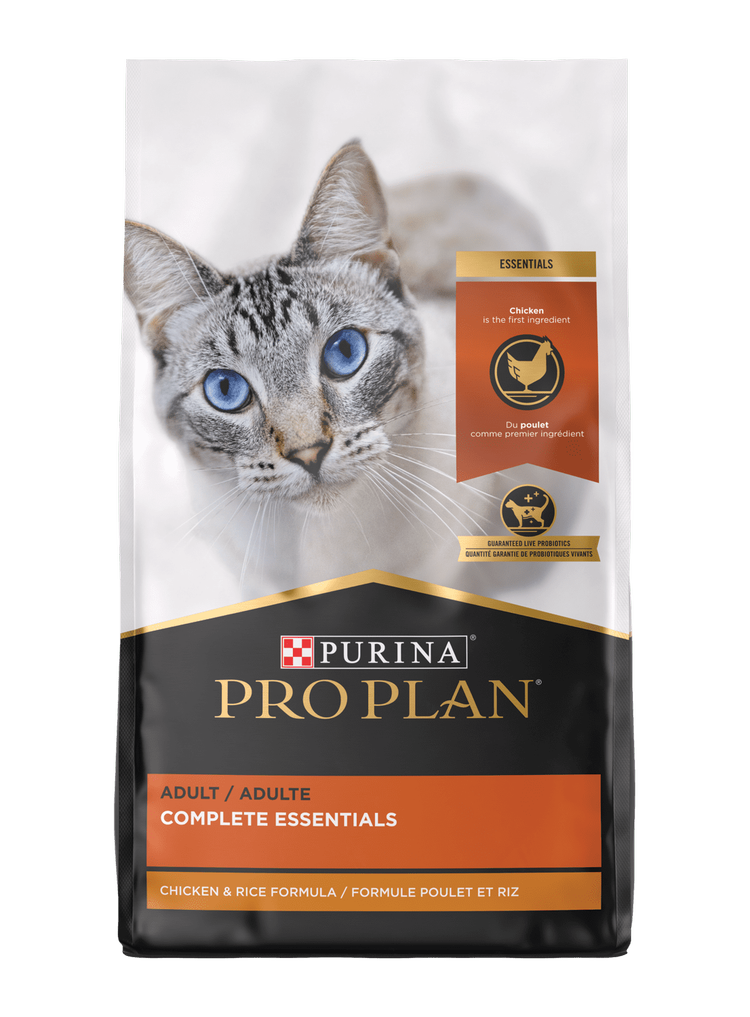
Maintaining a healthy weight is vital for adult cats. Overweight cats face risks like diabetes and joint problems. Feeding the correct portion of adult food helps control weight. Use feeding guides on packaging as a starting point. Adjust amounts based on your cat’s body condition and activity level.
Health Conditions Impact
Cats with health problems may need special diets. Kidney disease, allergies, or digestive issues affect food choice. Your vet can recommend suitable adult food for these conditions. Some foods contain added nutrients or are easier to digest. Monitor your cat’s reaction to new food and report any issues to your vet.
Credit: www.purina.com
Frequently Asked Questions
When Should A Cat Transition To Adult Food?
Cats typically switch to adult food at one year old. This change supports their mature nutritional needs. Kittens require more calories and nutrients, which adult food may lack. Consult your vet for personalized advice on the best time to transition.
What Signs Show A Cat Is Ready For Adult Food?
Look for slowed growth and reduced energy in cats around one year old. Their teeth will be fully developed. Weight stabilization is common. These signs indicate they are ready for adult food. Always monitor your cat’s health during the switch.
Can Feeding Adult Food Too Early Harm Kittens?
Yes, feeding adult food too early can harm kittens. Adult food lacks essential nutrients kittens need for growth. It may cause nutritional deficiencies and stunt development. Always use kitten-specific food until your cat reaches the appropriate age.
How To Transition A Cat To Adult Food Smoothly?
Gradually mix adult food with kitten food over 7-10 days. Increase adult food portion slowly while decreasing kitten food. This helps avoid digestive upset. Monitor your cat’s response and consult a vet if issues arise during the transition.
Conclusion
Cats usually start eating adult food around one year old. Their bodies need different nutrients as they grow. Switching too early or late can cause health problems. Watch your cat’s weight and energy to know the right time. Always choose good-quality food made for adult cats.
Feeding the right food helps keep your cat healthy and happy. Remember, every cat is different, so observe your pet closely. This way, you provide the best care throughout their life stages.



Leave a Reply