Are you wondering when it’s the right time to switch your kitten to adult cat food? Feeding your furry friend the proper diet is key to their health and happiness.
But making the change too early or too late can cause problems you want to avoid. You’ll discover the signs to look for and the best way to make the transition smooth and stress-free for your cat. Keep reading to learn how to keep your pet thriving at every stage of life.
Signs Your Kitten Is Ready
Knowing when to shift your kitten to adult cat food is important for their health. Kittens grow fast, and their diet needs change as they develop. Watch for clear signs that your kitten is ready for the switch. These signs help ensure the new food meets their nutritional needs.
Age Milestones
Kittens usually start eating solid food at about 4 weeks old. By 8 to 12 months, most kittens reach full growth. This age range often marks the time to change their diet. Moving to adult food too early or late can affect health. Check your kitten’s age first before switching foods.
Weight And Size
Adult cat food suits cats that have reached their adult weight. Your kitten should gain steady weight and grow bigger. A healthy adult cat weighs between 8 and 10 pounds on average. If your kitten’s weight stays stable and matches the breed size, it is a good time to shift food.
Behavioral Changes
Kittens become less playful and more independent as they mature. They may eat less often but in larger amounts. Notice if your kitten shows less kitten-like behavior. Changes in energy levels and eating patterns suggest readiness for adult food. These signs indicate your cat is growing up.
Nutritional Differences
Kittens and adult cats have different nutritional needs. Their bodies grow and change quickly during kittenhood. This means their food must support rapid growth and development. Adult cats need balanced nutrition for maintenance and health. Understanding these differences helps you decide when to switch their diet.
Kitten Vs Adult Nutrients
Kitten food contains more calories and nutrients than adult cat food. This supports fast growth and energy use. Adult cat food has fewer calories to prevent weight gain. Kittens need extra nutrients to build strong bones and muscles. Adult cats require nutrients to maintain their body and avoid illness.
Protein And Fat Needs
Kittens need higher protein levels to support muscle growth. They also need more fat for energy and brain development. Adult cats need protein too, but in smaller amounts. Fat content in adult food is lower to control weight. Too much fat in adult cats can cause health problems.
Vitamin And Mineral Changes
Vitamins and minerals in kitten food help develop the immune system. Calcium and phosphorus are higher to support bone growth. Adult cat food has adjusted levels to maintain health without overloading the body. Excess minerals in adults can lead to kidney or urinary issues. Balanced vitamins and minerals keep cats healthy at every stage.
Best Timing For Transition
The transition from kitten to adult cat food is crucial. It impacts your cat’s health and growth. Knowing the right time ensures a smooth dietary change. Transitioning too early or late can affect their development. Understanding the best timing helps maintain their health and energy.
Ideal Age Range
Kittens should switch to adult cat food around 12 months. This age varies based on breed and size. Larger breeds may need more time on kitten food. Smaller breeds could transition slightly earlier. Each kitten’s growth rate is unique. Monitor their development to decide the best time.
Health Considerations
Consider your kitten’s overall health before transitioning. Healthy weight and energy levels indicate readiness. A veterinarian can assess if your kitten is ready. Look for signs of maturity, such as stable weight. A well-balanced diet is crucial during this phase. Ensure the transition supports their nutritional needs.
Consulting A Veterinarian
Consult a veterinarian for personalized advice. They understand your kitten’s unique needs. A professional can recommend the best food type. They can address any health concerns. Regular check-ups help monitor your kitten’s progress. Trusting their expertise ensures a healthy transition.
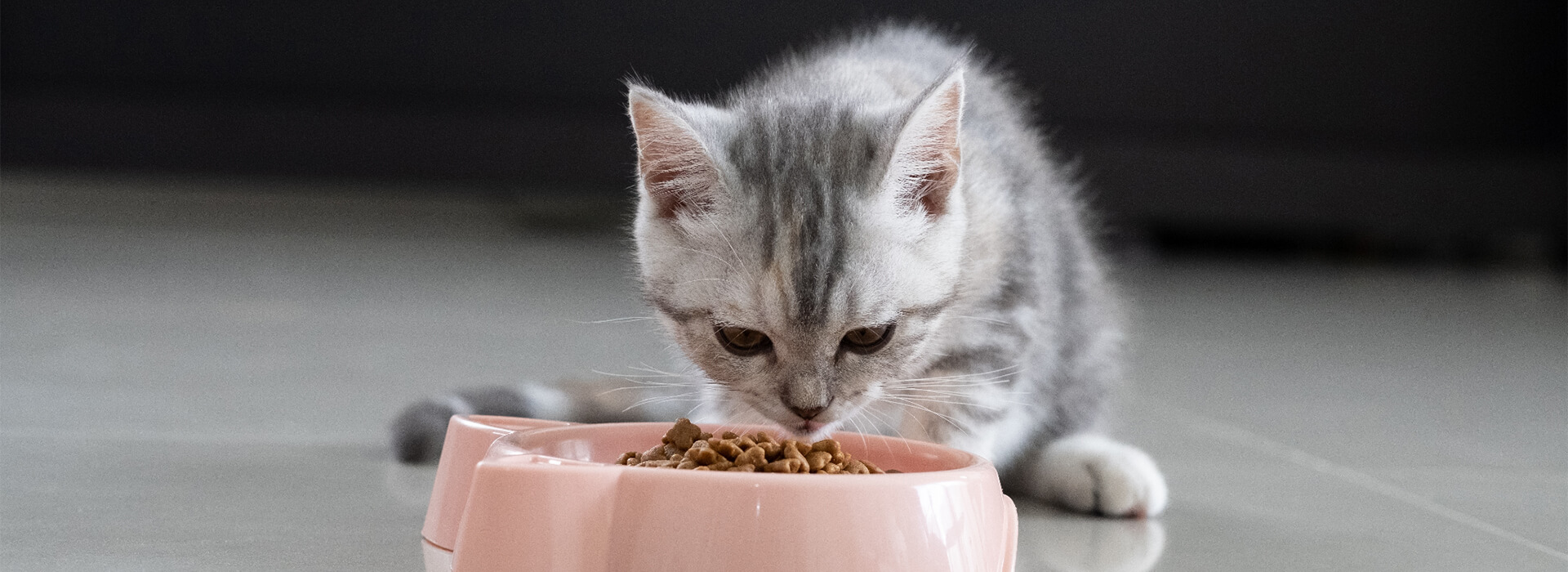
Credit: www.whiskas.co.uk
Transitioning Tips
Transitioning your kitten to adult cat food is a crucial step that requires patience and attention. How you make this switch can impact your cat’s health and eating habits for years to come. The goal is to make the change smooth enough so your cat accepts the new food without digestive upset or refusal to eat.
Gradual Food Mixing
Start by mixing a small amount of adult cat food with your kitten’s current food. Gradually increase the adult food portion over 7 to 10 days until it completely replaces the kitten food.
This slow approach helps your cat’s taste buds adjust and prevents sudden changes in digestion. Have you noticed your kitten being picky? Mixing foods can reduce that refusal and make mealtime less stressful.
Monitoring Digestive Health
Watch for signs like diarrhea, vomiting, or constipation during the transition. These symptoms indicate your kitten’s digestive system is struggling to adapt.
If you see any of these signs, slow down the transition or consult your vet. Keep an eye on your cat’s energy and litter box habits—they tell you a lot about how well they’re handling the new food.
Adjusting Meal Portions
Adult cats need fewer calories than kittens, so adjust portion sizes accordingly. Check the feeding guidelines on the adult cat food packaging, but remember every cat is different.
Try splitting their daily portion into smaller, more frequent meals to ease digestion. How do you know if you’re feeding the right amount? Watch your cat’s weight and body condition closely and adjust as needed.
Common Mistakes To Avoid
Shifting a kitten to adult cat food requires care. Many pet owners make mistakes that affect their cat’s health. Avoiding these common errors helps your cat grow strong and happy. Understanding these pitfalls makes the transition smooth.
Switching Too Early
Changing to adult food before eight months can harm your kitten. Kitten food has more nutrients for growth. Adult food lacks some vitamins and calories kittens need. Premature switching can cause poor development and low energy.
Abrupt Food Changes
Sudden food changes upset a kitten’s stomach. It can cause diarrhea or vomiting. Mix the new food with the old gradually. Increase adult food amount over 7 to 10 days. This helps the kitten adjust without stress.
Ignoring Kitten’s Preferences
Each kitten has unique tastes and needs. Forcing a kitten to eat unwanted food causes refusal. Watch your kitten’s reactions to new food. Offer different textures and flavors to find the best fit. Respecting preferences ensures they eat well and stay healthy.
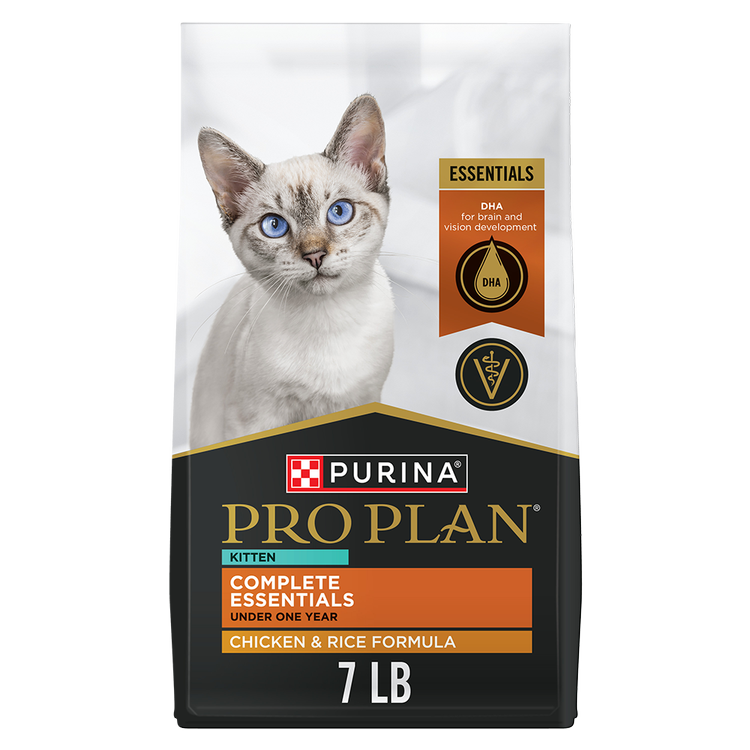
Credit: www.purina.com
Special Cases
Some kittens need special care when changing their diet. Their growth and health vary greatly. These special cases require a careful approach to switching to adult cat food. Understanding these helps keep your cat healthy and happy.
Overweight Kittens
Overweight kittens need a balanced diet to avoid extra weight gain. Switching too early to adult food may not provide enough nutrients. Choose a food designed to control weight and support growth. Monitor their weight regularly and adjust portions as needed. Consult a vet for a plan tailored to your kitten.
Kittens With Health Issues
Kittens with health problems need special diets. Illnesses can affect their growth and nutrition needs. Some may require prescription food or supplements. Always follow the vet’s advice on diet changes. Avoid sudden food switches that might upset their health.
Breed-specific Needs
Certain breeds grow faster or slower than others. Large breeds may need adult food later than small breeds. Some breeds have unique nutritional needs for bones and muscles. Research your kitten’s breed to understand its diet needs. Tailor feeding schedules and food types accordingly.
Choosing The Right Adult Food
Choosing the right adult cat food is important for your cat’s health and happiness. Adult cats need a balanced diet that supports their energy and body functions. Their food should provide essential nutrients without extra calories. This helps keep their weight steady and their coat shiny. Choosing food that suits your cat’s preferences and lifestyle also makes feeding time more enjoyable.
Ingredients To Look For
Look for foods with high-quality protein like chicken, turkey, or fish. Protein helps maintain muscle strength. Healthy fats, such as omega-3 and omega-6, support skin and fur health. Check for vitamins and minerals like taurine, calcium, and vitamin E. Avoid foods with too many fillers like corn or soy. Natural ingredients and no artificial colors or flavors are better choices.
Dry Vs Wet Food
Dry food is easy to store and helps keep teeth clean. It usually has more calories, so portion control is key. Wet food contains more moisture, which helps keep cats hydrated. It often has a stronger aroma and taste, which some cats prefer. Mixing both types can provide variety and extra nutrients. Choose based on your cat’s needs and preferences.
Brand Recommendations
- Hill’s Science Diet – known for balanced nutrition and quality control.
- Royal Canin – offers formulas for specific health needs.
- Blue Buffalo – uses natural ingredients with no fillers.
- Purina Pro Plan – combines science and palatability.
- Wellness – focuses on whole food ingredients.
Always check the label and consult your vet before switching foods.

Credit: www.tippaws.com
Frequently Asked Questions
When Should I Switch My Kitten To Adult Cat Food?
Switch your kitten to adult cat food at about one year old. This timing supports their mature nutritional needs and maintains healthy growth. Consult your vet for exact timing based on your kitten’s breed and health.
How To Know If Kitten Needs Adult Cat Food?
Look for signs like slowed growth and decreased energy. When your kitten reaches one year, their nutritional needs change. Adult cat food provides balanced nutrients to maintain health and weight.
Can I Mix Kitten And Adult Cat Food?
Yes, gradually mix adult food with kitten food over 7-10 days. This helps your cat adjust without stomach upset. Slowly increase adult food while decreasing kitten food for a smooth transition.
What Happens If Kitten Eats Adult Cat Food Too Early?
Feeding adult food too early may cause nutrient deficiencies. Kittens need extra protein and calories for growth. Early switching can stunt development and affect their immune system.
Conclusion
Feeding your kitten the right food helps them grow strong and healthy. Switch to adult cat food around one year old. Watch their weight and energy to know if the change fits. Gradual switching avoids tummy troubles. Remember, quality food supports a happy cat life.
Keep checking your cat’s needs as they age. Every cat is different. Trust your care and attention for their best health.


Leave a Reply