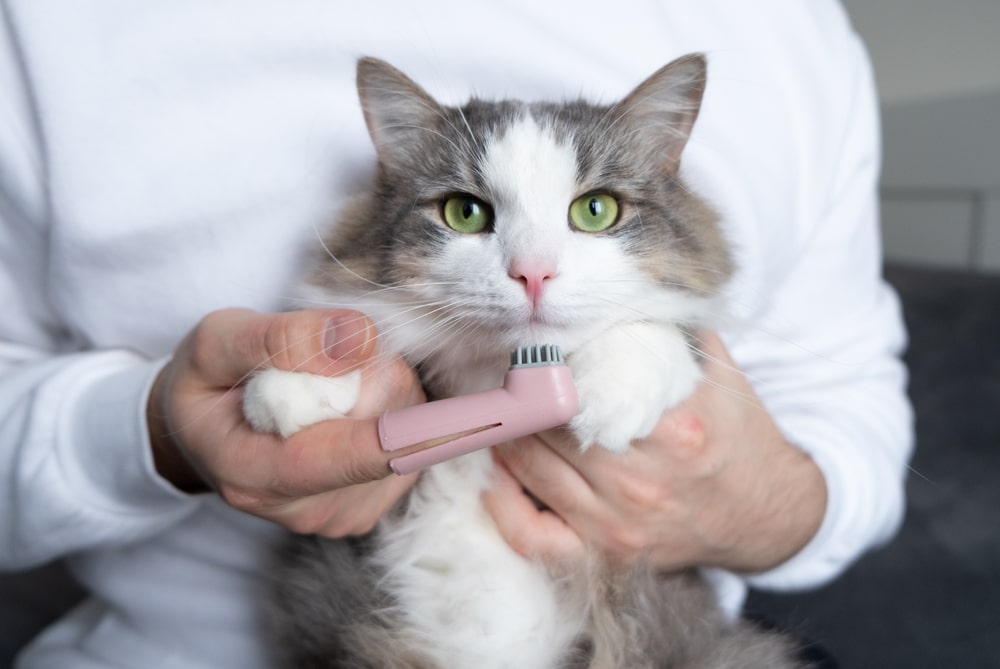
Do you ever wonder when the best time is to groom your cat? Knowing the right moments to brush or bathe your furry friend can make a huge difference in their comfort and health.
If you’ve struggled with keeping your cat’s coat clean or noticed mats and shedding piling up, this guide is for you. By understanding when to groom your cat, you’ll save time, reduce stress for both of you, and keep your pet looking and feeling great.
Keep reading to discover simple, effective tips that will make grooming easier and more enjoyable for your beloved companion.

Credit: www.purina.com
Signs Your Cat Needs Grooming
Recognizing the signs that your cat needs grooming is important for its health. Cats often hide discomfort well, so subtle clues matter. Regular checks can help spot these signs early. Grooming keeps their coat clean and skin healthy. It also prevents painful mats and hairballs.
Coat Condition Changes
A dull or greasy coat can mean grooming is needed. Matted fur often forms in less visible spots. Look for clumps or tangles that feel rough. Dry patches or flaky skin may also appear. These changes show your cat is not grooming enough.
Behavioral Clues
Your cat’s behavior can signal grooming needs. Excessive scratching or licking is a sign of discomfort. If your cat hides or avoids touch, check its coat. Restlessness or irritability might mean skin irritation. Watch for unusual grooming habits or neglect.
Shedding Patterns
Shedding more than usual can point to grooming needs. Notice if loose fur piles up around your home. Seasonal shedding is normal but heavy shedding is not. Regular brushing can help control fur loss. It keeps your cat comfortable and your home cleaner.

Credit: www.angiesmobilepetstyling.com
Ideal Grooming Frequency
Grooming your cat helps keep their coat clean and healthy. The right grooming frequency depends on your cat’s hair type and age. Regular brushing removes loose fur and prevents matting. It also reduces shedding around your home. Understanding how often to groom supports your cat’s comfort and well-being.
Short-haired Cats
Short-haired cats need grooming once or twice a week. Their fur is less likely to tangle or mat. Weekly brushing removes dead hair and spreads natural oils. It keeps their coat shiny and smooth. During shedding season, increase grooming to every other day. This helps manage extra loose fur and reduces hairballs.
Long-haired Cats
Long-haired cats require grooming daily or every other day. Their fur can easily tangle and form mats. Regular brushing prevents painful knots and keeps their coat soft. Daily grooming also reduces shedding and hairballs. Pay special attention to areas behind ears and under the legs. These spots often get tangled first.
Kitten Grooming
Kittens need gentle grooming from an early age. Start brushing a few times a week. Use a soft brush made for young cats. This helps them get used to grooming without stress. Gradually increase grooming frequency as they grow. Early grooming builds trust and keeps their fur healthy.
Best Times Of Day To Groom
Finding the best time of day to groom your cat can make the experience smoother and more enjoyable for both of you. Cats are sensitive to routines and moods, so picking the right moment helps reduce stress and encourages cooperation. Let’s look at some ideal times to fit grooming into your cat’s daily rhythm.
After Playtime
Right after your cat finishes playing is a great chance to groom. Your cat is likely a bit tired, making it easier to handle brushing or nail trimming without much fuss. Plus, after play, your cat’s fur might have some tangles or loose hair that are ready to be removed.
Try to gently transition from play to grooming by calming your cat with soft petting. Have your brush or grooming tools ready to keep the flow going. This can turn grooming into part of your bonding routine rather than a chore.
Before Meals
Grooming just before feeding time can work well because cats tend to be more relaxed and focused on their upcoming meal. You can use this time to groom briefly, keeping sessions short and positive. Your cat might be motivated to behave calmly if they know a tasty reward is coming soon.
Consider pairing grooming with treats or praise to build a positive connection. This timing also helps keep your cat clean and comfortable before they settle down to eat.
During Calm Moments
Look for natural calm moments during your cat’s day, such as after a nap or while they’re resting quietly. Cats are more receptive to touch when they feel safe and relaxed. These moments allow you to groom gently without causing agitation.
Pay attention to your cat’s body language—slow blinking, purring, or lying stretched out are good signs. If your cat shows signs of stress, pause and try again later. Patience during these calm times builds trust and makes grooming easier over time.
Seasonal Grooming Tips
Seasonal changes affect a cat’s coat and skin. Grooming routines must adjust to these changes. Proper care keeps your cat comfortable and healthy through the year. Each season brings unique grooming needs. Understanding these helps maintain your cat’s well-being.
Spring Shedding
Spring causes cats to shed thick winter fur. Regular brushing removes loose hair. This prevents hairballs and matting. Use a soft brush or grooming glove. Groom daily during heavy shedding times. Check for skin irritation or parasites. Keep your cat hydrated to support skin health.
Winter Coat Care
Winter fur grows longer and thicker. It protects your cat from cold. Avoid over-bathing, as it dries out skin. Brush gently twice a week to keep fur soft. Inspect paws for dryness or cracks. Provide warm, cozy spots for rest. Nutrition rich in omega fatty acids helps coat shine.
Summer Heat Management
Summer heat can stress cats with thick coats. Groom to remove dead fur and improve airflow. Brush regularly to reduce shedding. Never shave your cat completely; fur protects from sunburn. Offer cool, shaded places for your cat. Keep water fresh and accessible at all times.
Tools For Effective Grooming
Choosing the right brushes and combs helps keep your cat’s fur clean and healthy. Grooming should happen regularly, especially after meals or playtime. Tools like nail clippers and grooming gloves also make the process easier and more comfortable for your cat.
Grooming your cat is more than just about keeping them looking their best. It’s a bonding experience that can even improve their health. The right tools can make this process smooth and enjoyable for both you and your feline friend.Brush Types
Using the right brush for your cat’s coat type is crucial. For short-haired cats, a rubber brush can effectively remove loose fur and dander. Long-haired cats benefit from a slicker brush, which can help detangle knots and prevent matting. Regular brushing reduces shedding and keeps your home cleaner. It also allows you to check for any unusual bumps or skin issues. Have you noticed how relaxed your cat becomes during a good brushing session?Nail Trimmers
Keeping your cat’s nails trimmed can prevent painful overgrowth and reduce the risk of scratches. A good pair of nail trimmers is essential. Guillotine-style trimmers are popular, but some cat owners prefer scissor-type trimmers for better control. Check your cat’s nails regularly, and trim them every few weeks. If you’re unsure, a quick visit to the vet can provide a demonstration. Remember, patience and practice make this task easier over time.Bathing Supplies
Cats are natural groomers, but occasional baths can be necessary. Use a cat-specific shampoo to avoid irritating their skin. Keep a non-slip mat in the tub to help your cat feel secure during the bath. Some cats may resist water, so it’s important to introduce baths gradually. Use a gentle spray or a cup to wet their fur, avoiding the face area. Have you considered using a microfiber towel for quick drying afterwards? It’s less stressful for your cat and speeds up the drying process. Choosing the right grooming tools not only makes the task easier but also more pleasant for your cat. Investing in quality tools can save you time and make grooming a cherished routine. What are your go-to grooming tools?Creating A Stress-free Routine
Creating a stress-free grooming routine is essential to keep your cat calm and cooperative. Cats are sensitive creatures, and the right approach can make grooming a positive experience for both of you. Let’s explore how you can build a routine that respects your cat’s comfort and reduces anxiety.
Choosing A Quiet Space
Pick a calm, quiet spot in your home where your cat feels safe. Avoid busy areas with loud noises or a lot of foot traffic. A cozy corner or a familiar room can help your cat relax during grooming sessions.
Keep grooming supplies close by to minimize movement and interruptions. Have everything ready before you start, so the process flows smoothly. This small preparation can prevent your cat from becoming restless.
Positive Reinforcement
Reward your cat with treats, gentle petting, or soothing words during grooming. Positive reinforcement helps your cat associate grooming with good things, making future sessions easier. Notice what your cat enjoys most and use it as a reward.
Try breaking the grooming into short sessions rather than one long one. This keeps your cat from feeling overwhelmed and gives you chances to praise and reward. How might your cat’s favorite treats change the way they respond?
Handling Resistant Cats
Some cats resist grooming more than others, and that’s okay. Start slowly, letting your cat get used to the brush or comb by just showing it and letting them sniff it. Patience is key—never force grooming, as it can cause fear or aggression.
If your cat struggles, try wrapping them gently in a towel to keep them calm and safe. You can also enlist a helper to hold your cat while you groom. What small changes could you make to ease your cat’s resistance?
)
Credit: www.northroadvet.com.au
Frequently Asked Questions
When Is The Best Time To Groom A Cat?
Groom your cat weekly to prevent mats and reduce shedding. Increase frequency for long-haired or shedding-prone breeds. Groom after play or naps to keep fur clean and healthy. Regular grooming also helps you spot skin issues early.
How Often Should You Groom A Long-haired Cat?
Long-haired cats need grooming at least 3 to 4 times a week. Daily brushing prevents tangles and mats. Consistent grooming improves coat health and reduces hairballs. It also keeps your cat comfortable and clean.
Can Grooming Reduce Cat Hair Allergies?
Yes, regular grooming reduces loose fur and dander, which cause allergies. Use a gentle brush to remove allergens. Bathing your cat occasionally also helps. Grooming keeps your home cleaner and minimizes allergic reactions.
What Tools Are Best For Grooming Cats?
Use a soft-bristle brush for short-haired cats and a wide-toothed comb for long hair. Slicker brushes remove tangles effectively. Nail clippers and ear cleaners are also useful. Choose tools that suit your cat’s coat type and comfort.
Conclusion
Grooming your cat helps keep their coat clean and healthy. Regular brushing reduces hairballs and matting. Cats enjoy gentle, calm grooming sessions. Watch your cat’s behavior to find the best times. Short, frequent sessions work better than long ones. Pay attention to your cat’s needs and comfort.
Proper grooming supports your cat’s overall well-being. Start grooming early to build trust and routine. A happy cat means a happy home. Keep grooming simple and consistent for best results.

Leave a Reply