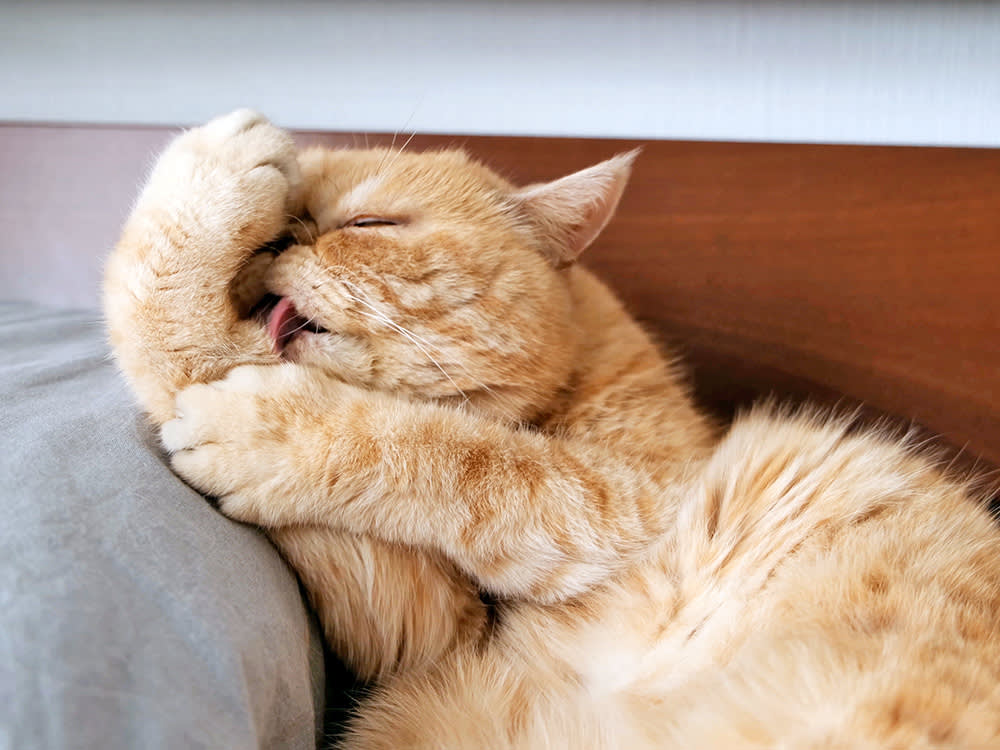
Have you ever watched your cat stop everything just to start cleaning itself? It’s more than a simple habit—it’s a key part of how your furry friend stays healthy and happy.
But when exactly do cats decide it’s time to groom themselves? Understanding this can help you better care for your pet and even spot signs when something might be wrong. Keep reading to discover the surprising reasons behind your cat’s grooming routine and what it means for your bond.
Reasons Cats Groom
Cats grooming themselves is more than just a cute habit. It serves important purposes that affect their health and well-being. Understanding why cats groom can help you better care for your furry friend and notice if something is off.
Maintaining Cleanliness
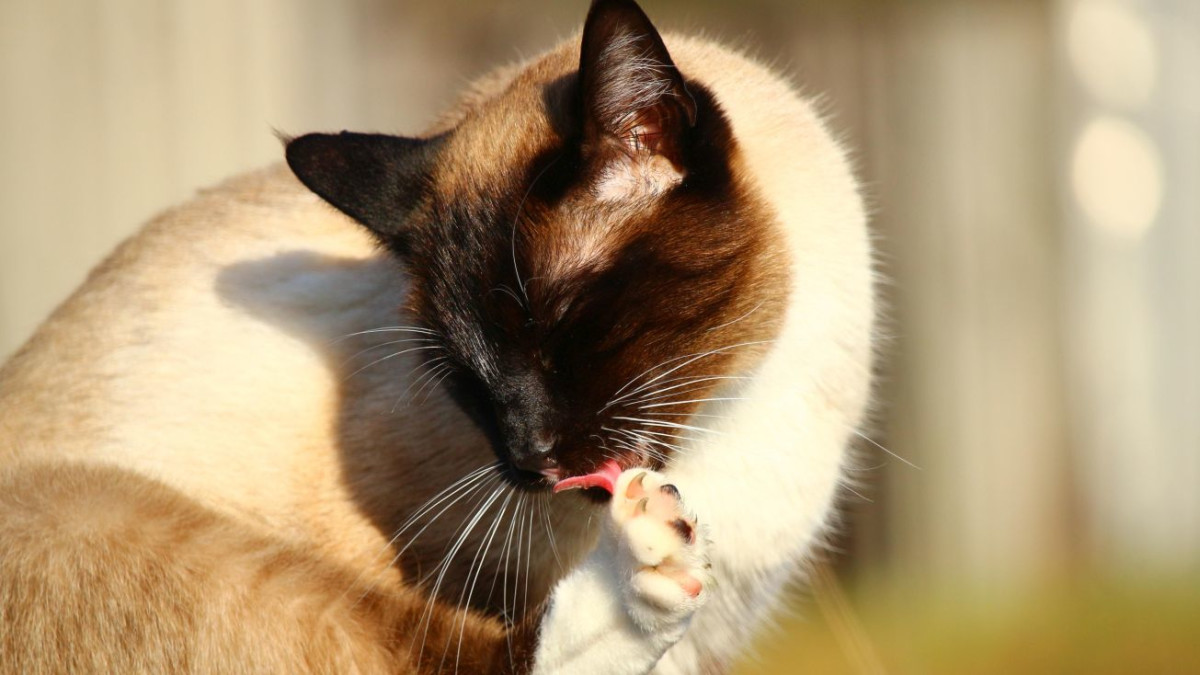
Cats use grooming to keep their fur clean and free of dirt or parasites. When you see your cat licking its coat, it’s actually removing loose hair and debris. This helps prevent skin infections and keeps their fur soft and healthy.
Have you noticed how your cat always grooms after eating or coming inside? It’s their way of staying neat and tidy, much like how you might wash your hands after a meal.
Regulating Body Temperature
Grooming helps cats control their body temperature. When cats lick their fur, the saliva evaporates and cools them down on hot days. This natural cooling method is especially important since cats don’t sweat like humans do.
On chilly days, grooming fluffs up the fur, trapping warm air close to the skin. This simple act helps your cat stay comfortable no matter the weather.
Reducing Stress
Grooming is also a way for cats to calm themselves when they feel stressed or anxious. You might notice your cat grooming more after a visit to the vet or when there’s a change in their environment. This self-soothing behavior helps them relax and regain a sense of control.
Next time your cat grooms intensely, consider what might be causing them stress. Could it be a loud noise, a new pet, or something else? Paying attention to these signs can help you support your cat better.
)
Credit: www.northroadvet.com.au
Timing Of Grooming
Cats choose specific times to groom themselves for comfort and cleanliness. Their grooming habits follow natural rhythms tied to their daily activities. Understanding these times helps pet owners know what to expect and when cats feel most at ease.
After Eating
Many cats groom right after finishing a meal. They clean their face and whiskers to remove food bits. This behavior also helps calm them after eating. It’s a quick way to stay tidy and fresh.
During Rest Periods
Cats often groom during breaks between active moments. These rest periods allow them to relax and refresh. Grooming at this time keeps their fur smooth and free from dirt. It also helps regulate their body temperature.
Before Sleep
Before curling up to sleep, cats usually groom themselves. This routine prepares their fur for comfort. It removes loose hair and soothes their muscles. Grooming before sleep promotes better rest and relaxation.
Grooming And Health
Cats groom themselves throughout the day to keep clean and healthy. They often lick their fur after eating, resting, or playing. Grooming also helps reduce stress and strengthens their bond with other cats.
Cats are meticulous groomers, spending a significant portion of their day cleaning themselves. This grooming ritual is not just about vanity; it plays a crucial role in their overall health. Regular grooming helps maintain their skin and coat, prevents parasites, and can even alert you to potential health issues.Detecting Skin Issues
Grooming allows cats to remove dirt and debris from their fur, but it’s also a chance for you to observe their skin condition. Pay attention to any signs of redness, bald patches, or scabs. These could indicate allergies, infections, or other skin issues that may need a vet’s attention.Preventing Parasites
Cats’ grooming habits help control fleas and other parasites by removing them from their fur. However, grooming alone may not always be sufficient. Consider using vet-recommended flea treatments to enhance their natural defenses and keep these pesky invaders at bay.Signs Of Overgrooming
While grooming is a healthy behavior, excessive grooming can be a sign of stress or health problems. Look out for thinning fur or bald spots, which might suggest your cat is grooming more than necessary. If you notice these signs, it may be time to consult a vet to explore possible underlying issues. Engaging with your cat during grooming sessions can strengthen your bond and help you stay alert to their health needs. Have you noticed any unusual grooming behaviors in your feline friend? Observing and understanding these can make a world of difference in their well-being.Social Grooming Habits
Cats don’t just groom themselves to stay clean. Their grooming habits also play a big role in their social lives. Understanding these social grooming habits can help you see why your cat spends time licking not only itself but others too.
Grooming Other Cats
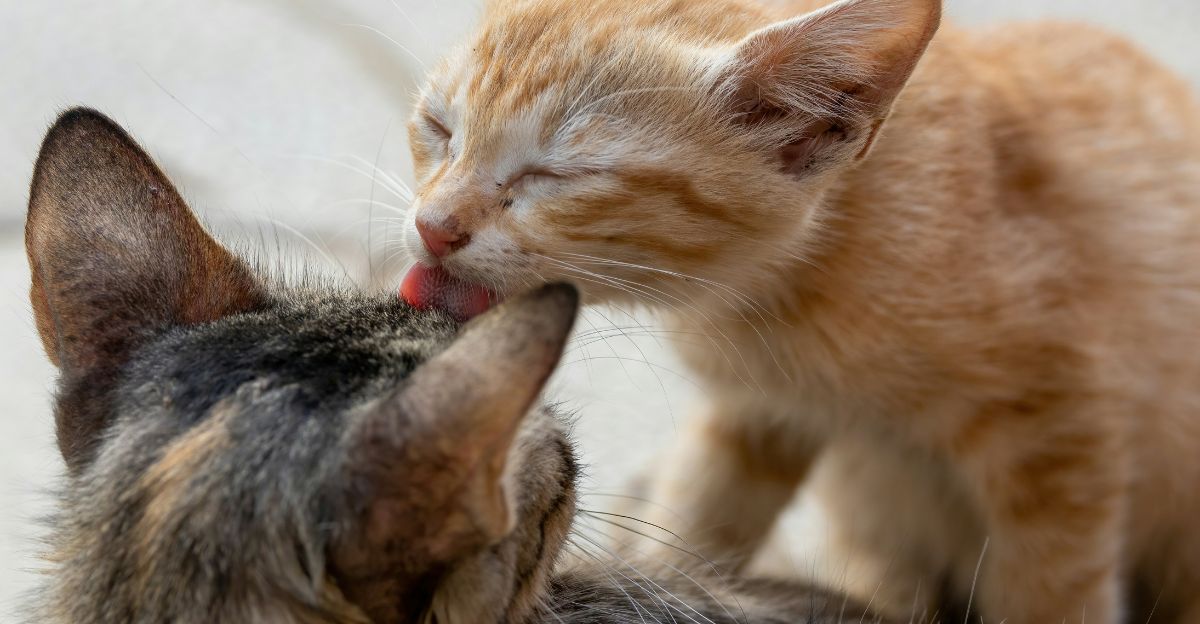
When cats groom each other, it’s more than just cleaning. This behavior, called allogrooming, helps build trust and strengthen bonds within a group.
You might notice cats licking each other’s heads or necks—places they can’t easily reach themselves. It’s their way of saying, “I trust you” and “You’re part of my family.”
Bonding With Humans
Some cats extend their grooming behavior to their human companions. If your cat licks your hair or hands, it’s a sign of affection and acceptance.
Have you ever felt your cat’s gentle licking during quiet moments? That’s their way to bond and show comfort around you. It’s a unique form of communication you can appreciate every day.
Territorial Marking
Cats use grooming as a way to mark territory too. When they groom themselves or others, they spread their scent, telling other cats this space belongs to them.
This scent marking through grooming helps reduce conflicts by signaling ownership. Next time you see your cat grooming, think about the message they might be sending to other cats in the neighborhood.
Factors Affecting Grooming Frequency
Understanding the factors that influence how often your cat grooms itself can give you valuable insights into its health and happiness. Grooming frequency isn’t just about keeping clean—it reflects changes in your cat’s lifestyle and well-being. Let’s look at some key factors that affect how often your feline friend tidies up.
Age And Health
Young cats tend to groom themselves more frequently because they have the energy and flexibility to do so. Older cats may groom less as arthritis or dental problems make the process uncomfortable. If your cat suddenly stops grooming or overgrooms, it could signal health issues like skin infections or pain.
Have you noticed your senior cat’s coat becoming dull or matted? That might mean it’s struggling to reach certain areas. Regular vet check-ups can help catch underlying problems early and keep grooming habits healthy.
Environment And Weather
Weather changes can alter your cat’s grooming routine. Cats often groom more during warmer months to cool down and less in colder weather to conserve heat. Outdoor cats may groom more to remove dirt and debris after exploring, while indoor cats might groom less frequently.
If your cat spends time outside, watch for signs of fleas or ticks, as these pests can increase grooming due to irritation. Adjust your cat’s grooming care based on where it spends most of its time.
Stress And Anxiety
Stress can cause your cat to groom excessively or not enough. Changes in the household, new pets, or loud noises might trigger overgrooming, leading to bald patches or irritated skin. Conversely, anxious cats might neglect grooming altogether.
Think about recent changes in your cat’s environment—could they be affecting its grooming? Providing a calm space and routine can help your cat feel secure and maintain healthy grooming habits.
Credit: pethelpful.com

Credit: www.reddit.com
Frequently Asked Questions
When Do Cats Usually Start Grooming Themselves?
Cats begin grooming themselves as early as two weeks old. This behavior helps them stay clean and regulate body temperature. Grooming is also essential for bonding and comfort in kittens and adult cats alike.
How Often Do Cats Groom Themselves Daily?
Cats groom themselves several times a day, typically spending 30-50% of their waking hours grooming. This frequent grooming keeps their fur clean and healthy, and helps reduce stress and anxiety.
Why Do Cats Groom More After Eating?
Cats groom after eating to clean their whiskers and face from food residue. This behavior also helps calm them and maintain their overall hygiene.
Can Grooming Indicate A Cat’s Health Status?
Yes, changes in grooming habits can signal health issues. Excessive or reduced grooming may indicate stress, allergies, or illness, so monitoring grooming behavior is important.
Conclusion
Cats groom themselves to stay clean and healthy. They lick their fur many times a day. This helps remove dirt and loose hair. Grooming also cools them down and reduces stress. You may see cats grooming after eating or resting.
Watching this behavior shows how much they care for themselves. Understanding when and why cats groom helps you know them better. Keep an eye on your cat’s grooming habits to spot any changes. Healthy grooming means a happy cat. Simple but important.

Leave a Reply