Have you ever wondered when cat breeds first began to appear? If you love cats, understanding their history can deepen your appreciation for these fascinating creatures.
Knowing how different breeds came to be helps you connect with your furry friend on a whole new level. You’ll discover the surprising origins of popular cat breeds and learn how humans shaped their unique traits over time. Keep reading, and you might see your cat in a completely different light.
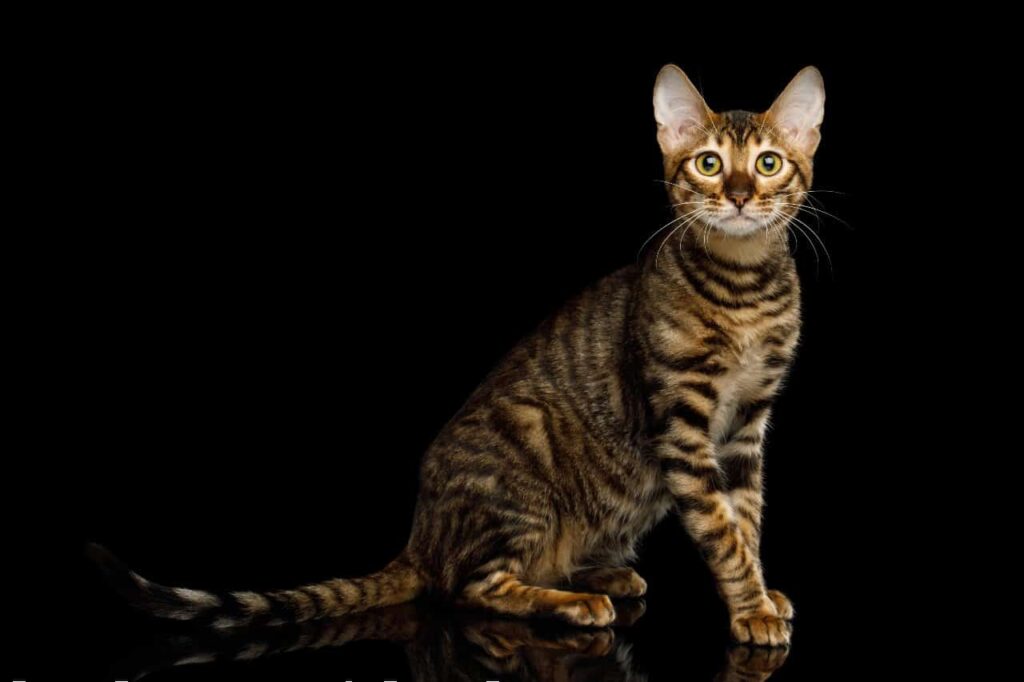
Credit: rawznaturalpetfood.com
Ancient Cats In History
The story of cat breeds begins deep in history, where ancient cats first crossed paths with humans. Understanding their early roles helps you appreciate how these mysterious creatures became our companions. Let’s look at the fascinating journey of cats through ancient times and how they shaped cultures and beliefs.
Early Domestication
Cats were likely first domesticated around 9,000 years ago. Early farmers welcomed wildcats because they kept grain stores safe from rodents. This practical relationship slowly evolved into a bond between humans and cats.
Did you know that the African wildcat is the ancestor of most domestic cats today? You might find it interesting that these cats chose humans as much as humans chose them. They adapted to living alongside people, creating a unique partnership.
Cats In Ancient Civilizations
In ancient Egypt, cats were more than pets—they were revered. Egyptians protected cats by law, and harming one could bring severe punishment. Cats helped control pests and were symbols of grace and protection.
Ancient societies beyond Egypt also valued cats. For example, in Rome, cats were kept to guard homes and ships from rodents. This practical use helped spread cats across continents, influencing various cultures.
Mythology And Symbolism
Cats often appeared in myths and symbols, reflecting their mysterious nature. In Egyptian mythology, the goddess Bastet was depicted as a lioness or a woman with a cat’s head, symbolizing home, fertility, and protection.
You might be surprised how cats were seen as both good and bad omens in different cultures. In Norse mythology, the goddess Freyja rode a chariot pulled by cats, linking them to love and beauty. How do you think these ancient views affect how we see cats today?
Development Of Cat Breeds
The development of cat breeds is a fascinating story of nature and human influence. Cats have lived alongside humans for thousands of years. Over time, different traits became more common, shaping the cats we see today. This process involves both natural factors and human choices. Understanding how breeds developed helps us appreciate the diversity of cats worldwide.
Natural Vs. Selective Breeding
Natural breeding happens when cats mate without human control. Traits that help survival often become common. For example, cats with good hunting skills or thick fur thrive in certain places.
Selective breeding is when humans choose which cats to mate. People pick cats with specific looks or behaviors. This way, new breeds with unique features emerge. Selective breeding started more clearly in the 19th century.
First Recognized Breeds
The first cat breeds were recognized in the late 1800s. Cat shows helped identify and name these breeds. Some of the earliest breeds include the Siamese, Persian, and Maine Coon. These breeds stood out for their distinct looks and personalities.
Recognition brought rules for breed standards. This ensured cats of the same breed shared key traits. Breed clubs formed to protect these standards and promote the cats.
Role Of Geography And Culture
Geography shaped many cat breeds. Cats adapted to local climates and conditions. For example, thick fur in cold areas or short coats in warm places.
Culture also influenced cat breeds. Different regions valued different traits. Some cultures prized cats for hunting, others for companionship or beauty. Trade and travel spread cats and their traits across the world.
Modern Cat Breeds Emergence
The emergence of modern cat breeds marks a key moment in feline history. It reflects human interest in defining and preserving distinct cat types. This movement began in the late 19th and early 20th centuries. Breeders aimed to create consistent traits in cats through careful selection.
Modern cat breeds show clear physical and behavioral characteristics. These traits help identify and differentiate each breed. The process involved setting clear standards and official recognition by clubs.
Breed Standardization
Breed standardization means creating a clear description of each breed’s features. This includes size, coat color, pattern, and eye shape. Standards guide breeders in selecting cats for mating. They help keep the breed’s unique look consistent across generations. Without standards, breeds would lose their identity over time.
Cat Fanciers’ Associations
Cat fanciers’ associations played a big role in breed recognition. These groups formed clubs to promote and protect cat breeds. They organized shows where cats could be judged by standards. The associations also published breed standards and registration rules. This helped breeders work together to improve breeds. Some well-known associations include CFA, TICA, and FIFe.
Popular Breeds Today
Many modern breeds trace back to early breed efforts. Some popular breeds include:
- Persian – known for long fur and flat face
- Siamese – famous for blue eyes and vocal nature
- Maine Coon – large size and tufted ears
- Bengal – spotted coat resembling wild cats
- Ragdoll – gentle and relaxed temperament
These breeds are common in homes and cat shows worldwide. Their distinct traits make them favorite choices for many cat lovers.
Genetics And Evolution
The fascinating world of cat breeds is deeply rooted in genetics and evolution. These elements have shaped the diverse feline family we see today. Cats, like all animals, have adapted over time to survive and thrive. This evolution reflects in their physical traits and behaviors.
Genetic Diversity Among Breeds
Genetic diversity plays a vital role in the variety of cat breeds. Each breed has unique genetic traits that define its appearance and behavior. This diversity results from natural mutations and selective breeding. Cats have genes that determine fur color, length, and pattern. Breeders often select cats with specific traits to enhance these features.
Evolutionary Adaptations
Cats have undergone significant evolutionary adaptations. These changes helped them survive in different environments. For example, cats in colder regions developed thicker fur. This adaptation helps them stay warm. Similarly, cats in hot climates have thinner coats. This allows them to cool down more easily. Their hunting skills have also evolved. Cats are agile and have sharp senses, aiding in survival.
Impact Of Human Intervention
Human intervention has greatly influenced cat breeds. Selective breeding by humans led to the creation of many unique breeds. Breeders focused on enhancing desirable traits. This includes specific fur colors, patterns, and even temperaments. While this increased diversity, it also brought challenges. Some breeds face health issues due to limited gene pools.
Preserving Breed Heritage
Preserving the heritage of cat breeds is vital to maintain their unique traits. Each breed carries a story, a history, and specific characteristics. Protecting these elements ensures that future generations can enjoy diverse and distinct feline companions.
Efforts to conserve breed heritage focus on careful breeding and education. This process helps keep the breed standards true to their origins while avoiding genetic issues.
Conservation Efforts
Dedicated breeders and clubs play a key role in conserving cat breeds. They keep detailed records and follow strict breeding guidelines. These steps prevent inbreeding and preserve the breed’s unique features.
Some organizations run programs to raise awareness about rare breeds. They encourage people to adopt or support these cats. This support helps maintain healthy populations.
Challenges In Breed Preservation
Small breed populations face risks like genetic diseases. Limited gene pools can cause health problems and reduce lifespan. Finding diverse breeding partners is often hard.
Changing trends and preferences can lower interest in certain breeds. When fewer people breed or adopt them, these breeds become vulnerable. Preservation demands constant effort and attention.
Future Of Cat Breeds
Technology and science offer new tools for breed preservation. DNA testing helps identify genetic diversity and health risks early. This knowledge guides better breeding choices.
Education about breed history and care can boost interest. More people may choose to support or own rare breeds. This will help keep these cats thriving for years.

Credit: www.aol.com

Credit: www.aol.com
Frequently Asked Questions
When Did The First Cat Breeds Appear?
The first recognized cat breeds appeared around the late 19th century. Breeders began selectively breeding cats for specific traits. This marked the start of formal breed development and registration.
How Were Ancient Cat Breeds Identified?
Ancient cat breeds were identified through physical traits and historical records. Early civilizations, like Egypt, documented cats with distinct appearances. These traits helped differentiate breeds before modern breeding standards.
Why Did Cat Breeding Start Historically?
Cat breeding started to preserve unique traits and improve companionship qualities. Breeders aimed to enhance appearance, temperament, and hunting skills. This practice helped shape the diverse breeds we see today.
When Did Modern Cat Breed Registries Begin?
Modern cat breed registries began in the late 1800s. Organizations like The Cat Fanciers’ Association formalized breed standards and registration. This established consistency and recognition for various breeds worldwide.
Conclusion
Cat breeds have a long and interesting history. People have cared for cats for thousands of years. Different breeds came from many places around the world. Each breed has unique traits and stories. Understanding when cat breeds started helps us appreciate them more.
Cats remain beloved pets in many homes today. Their history connects us to nature and culture. The journey of cat breeds continues to grow. It is a story worth knowing and sharing.



Leave a Reply