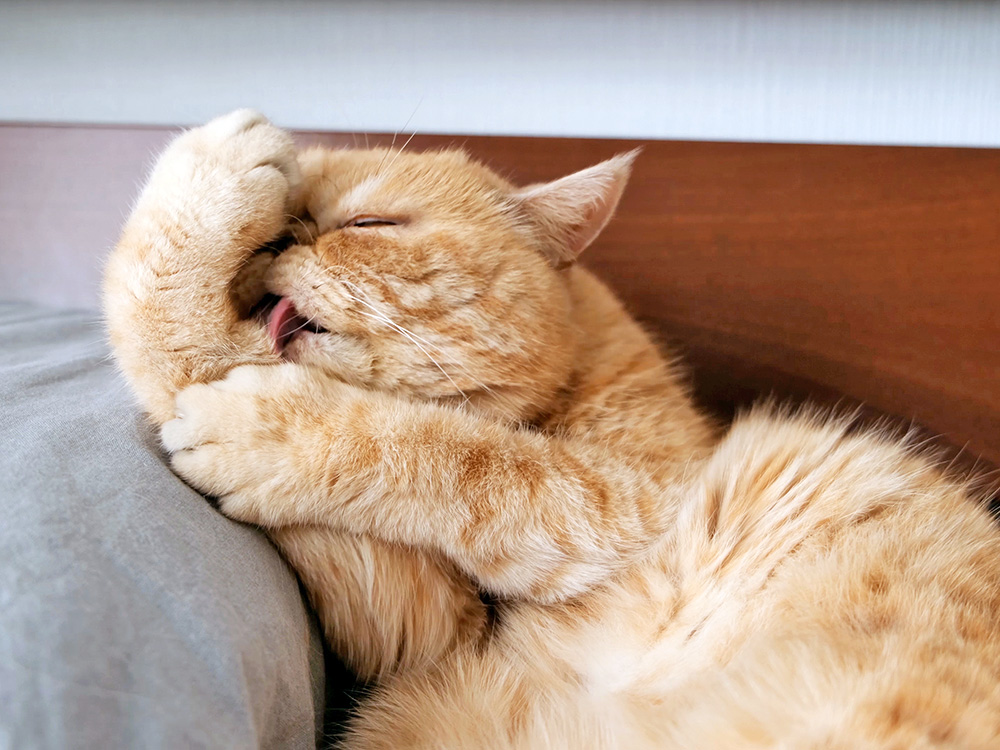
Have you noticed your cat isn’t grooming itself like before? It might seem small, but when your furry friend stops cleaning, it can be a sign that something is wrong.
You might wonder why your cat, usually so fastidious, is suddenly neglecting its fur. Understanding this change is crucial for your cat’s health and happiness. Keep reading to discover the common reasons behind this behavior and what you can do to help your beloved pet feel better.
Signs Of Poor Grooming
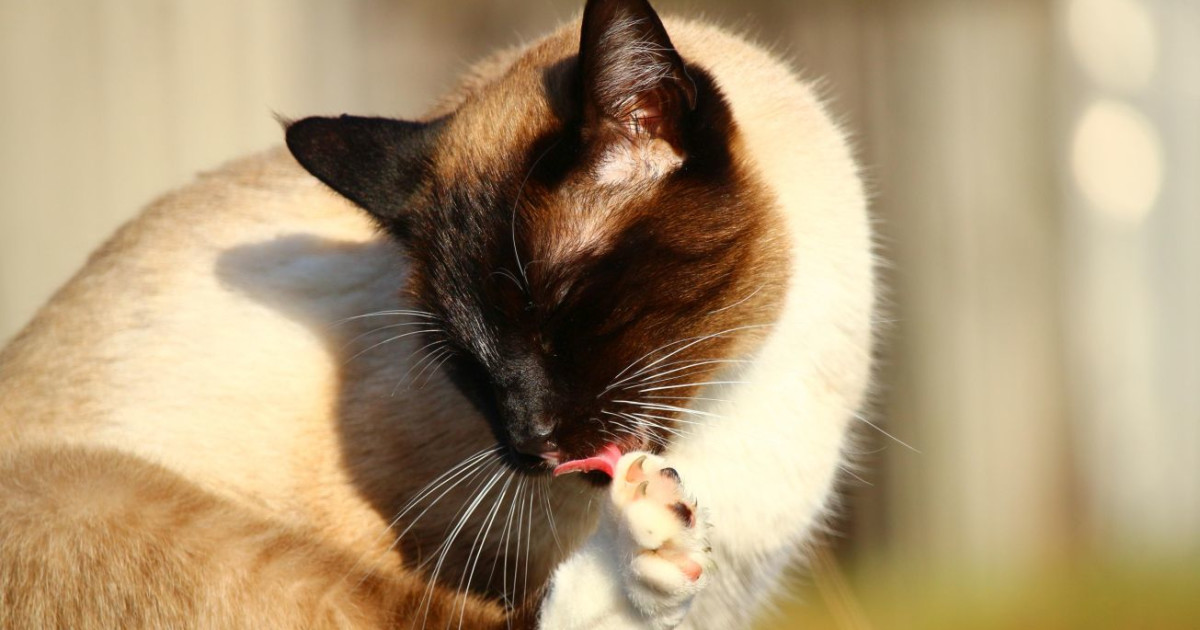
Cats are known for their meticulous grooming habits. However, when they stop grooming themselves, it can be a sign of underlying issues. Recognizing the signs of poor grooming is crucial for your feline friend’s health and well-being. Let’s explore the common indicators that your cat might be struggling with self-care.
Matted Fur And Tangles
Matted fur and tangles are often the first noticeable signs. Cats that neglect grooming can develop clumps of fur, which can be uncomfortable and painful. Regularly check your cat’s coat for these issues, as they can lead to skin irritations and infections.
Unpleasant Odor
An unusual smell is a red flag. Cats are usually odorless, so a strong or foul odor can indicate poor grooming or a health problem. This could be due to a buildup of natural oils, dirt, or even an underlying dental issue.
Excessive Shedding
While shedding is normal, excessive hair loss can be a sign of poor grooming. If you notice large amounts of fur around your home, it might be time to step in and help with brushing. This not only helps with shedding but also strengthens your bond with your pet.
Visible Skin Issues
Check your cat’s skin for signs of redness, flakiness, or sores. Poor grooming can lead to skin conditions that are often itchy and uncomfortable. Early detection and treatment can prevent more serious health concerns.
Changes In Behavior
Behavioral changes can often accompany poor grooming. If your usually active cat becomes lethargic or irritable, it may be struggling with discomfort. Always observe for any shifts in activity or demeanor, as they can be clues to your cat’s grooming habits.
Have you noticed any of these signs in your cat? Taking quick action can help maintain their health and happiness. Consider speaking with your vet for guidance and support.
Credit: pethelpful.com
Common Causes
Noticing your cat skipping their usual grooming routine can be worrying. Understanding why your feline friend stops grooming is key to helping them stay healthy and comfortable. Several common causes might explain this change in behavior, ranging from health to environmental issues.
Health Problems
Illness can make grooming difficult or less of a priority for your cat. Conditions like skin infections, allergies, or parasites often cause discomfort, leading your cat to avoid grooming affected areas. If you spot patches of missing fur or irritated skin, it’s time to check with your vet.
Pain Or Injury
Pain can stop your cat from grooming themselves properly. Arthritis or an injury might make certain movements painful, so your cat avoids cleaning those spots. Have you noticed your cat limping or favoring one side? That could be a sign they’re hurting and need help.
Age-related Issues
Older cats often groom less as their bodies slow down. Reduced flexibility and weaker muscles mean they can’t reach all their usual spots. If your senior cat looks less tidy, consider helping them with gentle brushing to keep their coat healthy.
Stress And Anxiety
Stress can disrupt your cat’s grooming habits just like it does in humans. Changes in the home, new pets, or loud noises can leave your cat feeling anxious and less interested in self-care. Watch for other signs of stress like hiding or changes in appetite alongside grooming neglect.
Environmental Factors
Your cat’s surroundings play a big role in their grooming behavior. Dirty or uncomfortable bedding, lack of privacy, or even poor diet can reduce their grooming. Ask yourself if anything has changed recently in your cat’s environment that might be affecting their routine.
Health Conditions Linked To Grooming
When your cat stops grooming, it’s often a sign that something isn’t right beneath the surface. Grooming is more than just keeping clean—it reflects your cat’s overall well-being. Various health issues can interfere with their ability or desire to groom, making it vital for you to watch for changes in their grooming habits.
Dental Disease
Painful teeth and gums can make grooming uncomfortable or even unbearable for cats. If your cat avoids cleaning their face or paws, dental problems might be the reason. You might notice bad breath, drooling, or difficulty eating, which all signal the need for a dental check-up.
Arthritis And Mobility Issues
Older cats or those with joint pain often struggle to reach certain areas of their bodies. Arthritis can limit their flexibility, causing patches of matted fur or unclean spots. Watching your cat’s movement closely can help you identify stiffness or discomfort before grooming declines.
Skin Infections And Parasites
It may seem odd, but skin problems can prevent cats from grooming properly. Infections or parasites like fleas cause itching and pain, which might make your cat avoid grooming to prevent further irritation. Regular checks for redness, sores, or excessive scratching can alert you to these hidden problems.
Obesity
Excess weight makes it hard for cats to reach their entire body for grooming. Obese cats often have greasy or dirty fur and may develop skin issues as a result. Helping your cat maintain a healthy weight through diet and play can improve their grooming habits and overall health.
Neurological Disorders
Neurological problems can disrupt your cat’s coordination and grooming routine. Conditions affecting the brain or nerves might cause your cat to forget or lose the ability to groom properly. If you notice sudden grooming neglect combined with other behavioral changes, a veterinary evaluation is essential.
Credit: hellopetsinc.com
Solutions For Improving Grooming
When cats stop grooming themselves, it can lead to discomfort and health issues. Finding solutions to improve their grooming habits is essential for their well-being. You can help your cat feel more comfortable and look their best by addressing the root causes and offering support.
Regular Vet Checkups
Regular visits to the vet help catch health problems that may prevent your cat from grooming. Conditions like arthritis, dental pain, or skin infections often cause grooming difficulties. Keeping up with checkups ensures early treatment, making grooming easier for your cat.
Pain Management
If your cat avoids grooming due to pain, managing that pain is crucial. Your vet can prescribe medication or suggest therapies to reduce discomfort. Once pain lessens, you may notice your cat start grooming more naturally again.
Stress Reduction Techniques
Stress can stop your cat from grooming properly. Creating a calm environment with quiet spaces and consistent routines helps reduce anxiety. You might try pheromone diffusers or gentle play sessions to make your cat feel more relaxed.
Assisted Grooming Tips
Sometimes your cat needs a little help. Use a soft brush or grooming mitt to gently remove loose fur and dirt. Start with short sessions and praise your cat to build a positive experience. Regular brushing can prevent mats and encourage your cat to groom more independently.
Diet And Nutrition
Good nutrition supports healthy skin and fur. Feeding your cat a balanced diet rich in omega-3 and omega-6 fatty acids can improve coat condition. Have you checked if your cat’s food meets these needs? A shiny coat is often a sign of proper nourishment.
When To Seek Professional Help
Knowing when to seek professional help for your cat’s grooming issues can prevent bigger health problems. If your cat suddenly stops grooming, it may be a sign of discomfort or illness that you can’t fix alone. Acting quickly can make a huge difference in your cat’s well-being.
Recognizing Emergency Signs
Watch for sudden changes in behavior such as extreme lethargy or hiding. If your cat’s fur is matted painfully or if you see wounds or skin infections, these require immediate attention. Also, notice if your cat is scratching excessively or shows signs of pain when touched.
Have you ever noticed your cat’s coat looking dull or greasy without any grooming? This can mean your cat is sick or stressed, and a vet should check it out right away.
Choosing The Right Vet
Look for a veterinarian who understands feline-specific health issues and grooming challenges. Ask for recommendations from other cat owners or local shelters. A vet with experience in dermatology or feline behavior can offer better guidance for grooming problems.
Don’t hesitate to ask questions about their approach to treating grooming neglect. Your vet should explain potential causes clearly and suggest practical treatment or grooming solutions that fit your cat’s needs.
Grooming Services And Alternatives
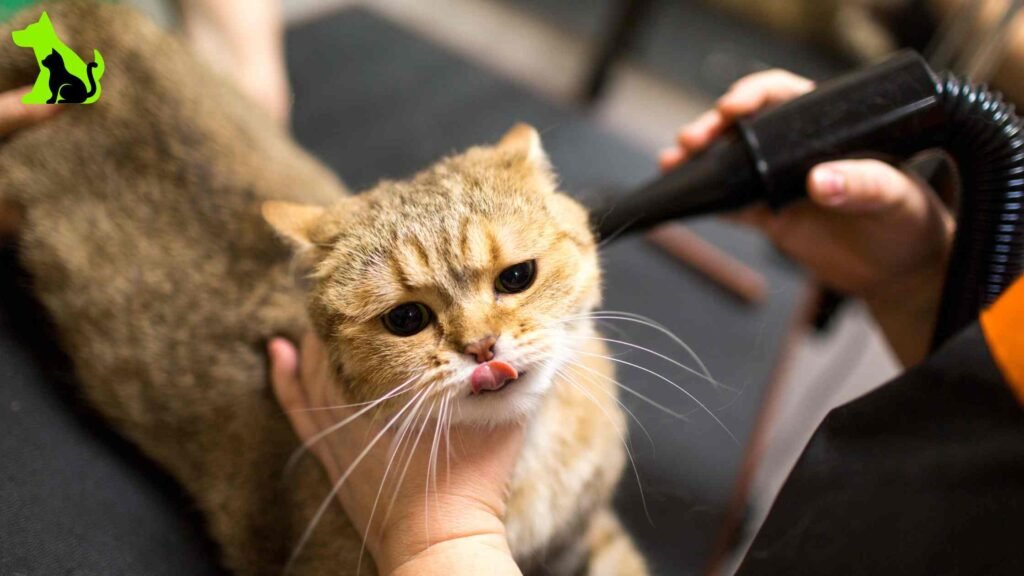
If grooming your cat at home feels overwhelming, consider professional grooming services. Many groomers specialize in handling anxious or long-haired cats safely. They can also spot skin problems early that you might miss.
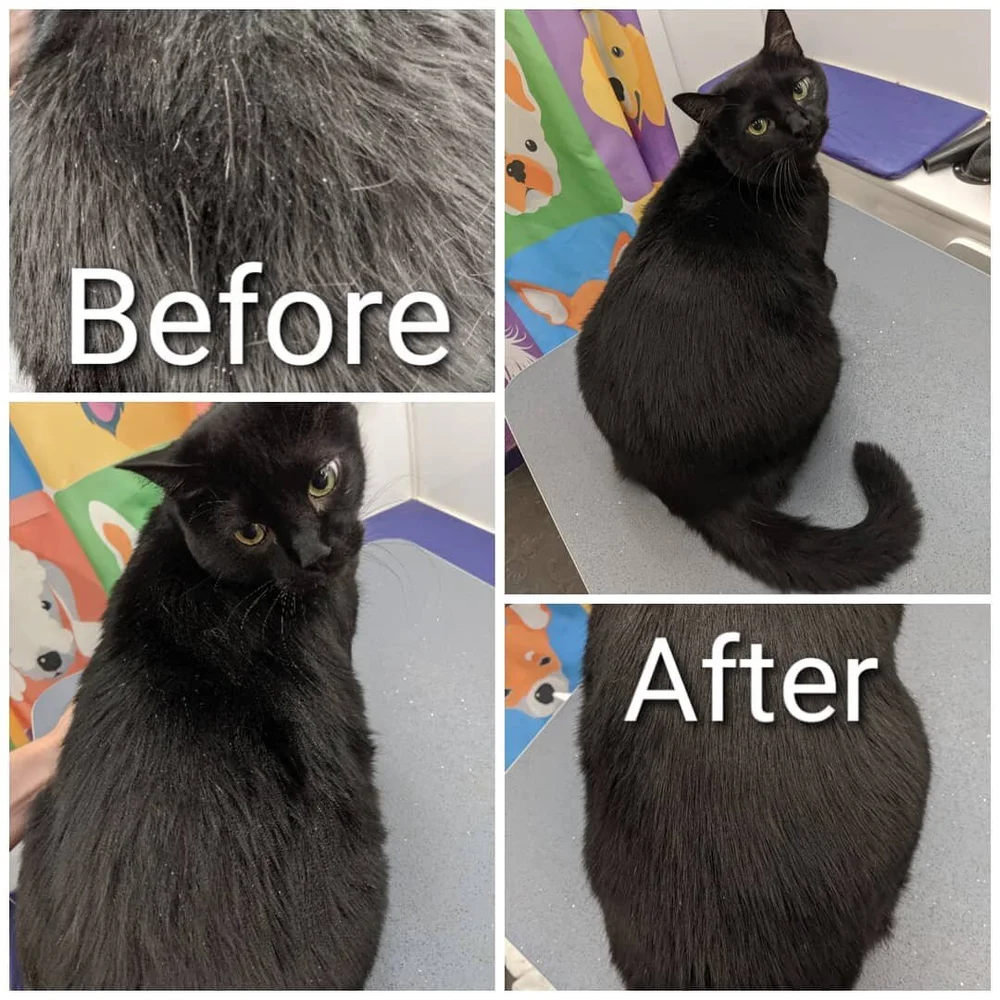
Some vets and groomers offer alternatives like medicated baths or gentle clipping to manage mats and skin issues. Have you explored using grooming gloves or special brushes recommended by professionals? These tools can make daily grooming easier and less stressful for you and your cat.
Credit: www.squeakycleangrooming.com
Frequently Asked Questions
Why Do Cats Stop Grooming Themselves Suddenly?
Cats may stop grooming due to illness, pain, or stress. Dental issues, arthritis, or skin problems can cause discomfort. Behavioral changes or anxiety also affect grooming habits. Identifying the cause early ensures timely veterinary care and helps maintain your cat’s hygiene and comfort.
How Can I Tell If My Cat Isn’t Grooming?
Look for matted fur, greasy coat, or bad odor. Notice if your cat appears lethargic or hides more often. These signs suggest grooming issues. Regularly check their fur and skin to catch grooming problems early and provide proper care.
Can Lack Of Grooming Indicate Health Problems?
Yes, grooming neglect often signals health issues like obesity, arthritis, or infections. It can also indicate stress or depression. Monitoring grooming habits helps detect problems early, ensuring your cat receives appropriate treatment and improves overall well-being.
What Should I Do If My Cat Stops Grooming?
Observe for other symptoms and schedule a vet visit. Maintain regular brushing to help keep their coat clean. Provide a stress-free environment and proper nutrition. Early intervention prevents further health complications and supports your cat’s recovery.
Conclusion
Cats stop grooming for many reasons. Health issues or stress may cause this change. Watch your cat’s behavior closely every day. Regular grooming keeps cats clean and healthy. Help your cat by brushing its fur often. Visit a vet if grooming stops suddenly.
Early action protects your pet’s well-being. A happy cat usually grooms itself well. Stay calm and patient while helping your cat. Small efforts make a big difference in care.

Leave a Reply