You want the best for your furry friend, and that includes feeding them the right food at the right time. But when exactly can you switch your kitten to adult cat food?
It’s a question that every cat owner faces, and making the switch too early or too late can affect your cat’s health and happiness. You’ll discover the signs to look for and the best time to make this important change.
Keep reading to learn how to give your cat the nutrition they need to thrive throughout their life.

Credit: www.purina.com
Kitten Growth Stages
Kittens grow quickly and need different foods at each stage. Their diet must match their changing body needs. Understanding kitten growth stages helps you know when to change their food. This guide breaks down the key stages and feeding tips.
Newborn To Weaning
Newborn kittens rely on their mother’s milk for nutrients. Milk provides essential antibodies and energy for growth. They nurse every few hours and sleep most of the time. At about four weeks, they start exploring soft solid food. This stage is crucial for healthy development.
Weaning To Six Months
Kittens gradually eat more solid food and less milk. Offer wet or dry kitten food rich in protein and fat. Their bones and muscles grow fast during this stage. Frequent small meals support their high energy needs. Monitor weight and health closely as they grow.
Six To Twelve Months
Growth slows but kittens remain active and playful. They need balanced nutrition to build strong bodies. Transition gradually to adult cat food around one year old. Mixing kitten and adult food helps ease the change. Proper feeding supports a healthy adult cat life.
Signs Your Kitten Is Ready
Knowing the signs that your kitten is ready for adult cat food helps ensure a smooth transition. Kittens grow fast and their needs change quickly. Watch for clear signals that show they are ready to switch diets. This helps support their health and energy levels.
Weight Milestones
Kittens usually reach about 80% of their adult weight before switching food. Most cats hit this around 9 to 12 months old. Weigh your kitten regularly to track growth. A stable weight gain indicates they may be ready for adult food. Avoid switching too early to prevent nutritional gaps.
Behavioral Changes
Notice changes in your kitten’s eating habits. Kittens eat small meals more often. Adult cats eat fewer meals with larger portions. If your kitten seems less energetic or less playful, their growth phase might be ending. These shifts suggest it is time to change the diet.
Dental Development
Kittens lose baby teeth and grow adult teeth between 4 and 6 months. Once they have most of their adult teeth, they can handle adult food textures. Check for strong, healthy teeth and gums. Good dental health supports chewing tougher adult cat food.
Choosing The Right Adult Food
Cats can switch to adult food around one year old, when they stop growing quickly. Watch for steady weight and healthy activity before changing their diet. Choosing the right time helps keep your cat strong and happy.
Choosing the right adult cat food is crucial for your cat’s long-term health and happiness. Transitioning from kitten food to adult cat food isn’t just about age; it’s about meeting their evolving nutritional needs. Just like people, cats have unique dietary requirements, and finding the right food can make a significant difference in their quality of life.Nutritional Needs
Understanding your cat’s nutritional needs is the first step. Adult cats require a balanced diet with specific ratios of proteins, fats, and carbohydrates. Proteins should come from quality animal sources, as cats are obligate carnivores. Keep an eye on essential nutrients like taurine, omega fatty acids, and vitamins. Are you aware that a lack of taurine can lead to heart problems in cats? Ensuring these nutrients are present can help avoid health issues.Types Of Adult Cat Food
There is a variety of adult cat food available, and each type has its benefits. Dry cat food is convenient and helps with dental health. Canned or wet food offers higher moisture content, which is beneficial for hydration. Some pet owners opt for raw food diets, believing they more closely mimic a cat’s natural prey. Are you considering a mixed approach, combining types to balance nutrition and preference?Reading Labels
Reading labels can be a bit like deciphering a foreign language, but it’s essential. Look for the Association of American Feed Control Officials (AAFCO) statement on the label, which ensures the food meets minimum nutrition standards. Check the ingredient list: Ingredients are listed by weight, so the first few items are crucial. Have you ever noticed how some labels highlight “chicken flavor,” yet chicken isn’t the main ingredient? Armed with this knowledge, you can make an informed decision that benefits your feline friend’s health and happiness.Transitioning Food Safely
Transitioning your cat to adult food requires more than just swapping one bag for another. The shift needs to happen with care to avoid upsetting your cat’s digestion or causing stress. How can you make this change smooth and safe for your feline friend?
Gradual Mixing
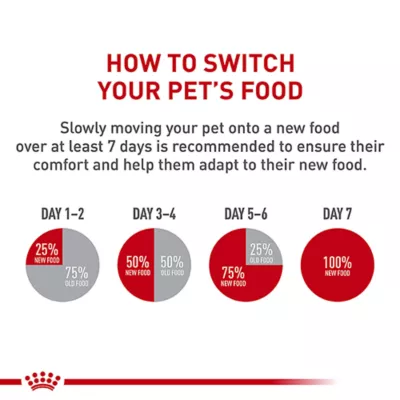
Start by mixing a small amount of adult food into your cat’s current diet. A good rule is to begin with about 25% adult food and 75% kitten food. Over the next 7 to 10 days, slowly increase the adult food portion while decreasing the kitten food.
This gradual approach helps your cat’s digestive system adjust without causing stomach issues. I once skipped this step, and my cat experienced diarrhea for days. That taught me how important patience is during transitions.
Monitoring Reactions
Pay close attention to your cat’s behavior and digestion during the switch. Watch for signs like vomiting, diarrhea, or a sudden loss of appetite. These could mean your cat isn’t tolerating the new food well.
Keep a daily log of what your cat eats and any changes in their bathroom habits. If problems arise, slow down the transition or consult your vet. Have you noticed any subtle changes in your cat after changing their food?
Adjusting Portions
Adult cats usually need fewer calories than kittens, so portion sizes will change. Use the feeding guidelines on the adult food packaging as a starting point. Adjust portions based on your cat’s weight and activity level.
It’s easy to overfeed out of habit, especially if your cat seems hungry during the transition. Try feeding smaller, more frequent meals to keep them satisfied without overeating. What feeding routine works best for your cat’s appetite and lifestyle?
Common Mistakes To Avoid
Switching your cat to adult food is an important step, but it’s easy to make mistakes that can affect their health and happiness. Being aware of common pitfalls helps you make the transition smoother. Avoiding these errors ensures your cat gets the right nutrition at the right time.
Switching Too Early
Many pet owners rush to switch their kittens to adult food before they’re truly ready. Kittens need extra nutrients to support their rapid growth, which adult food may lack. Switching too early can lead to nutritional gaps and slower development.
Ask yourself: Is my cat really ready for this change? Check their age and growth milestones rather than guessing. Waiting until around 12 months, or when your vet says so, usually works best.
Abrupt Changes
Changing your cat’s diet overnight can upset their stomach and cause refusal to eat. Cats are creatures of habit, so a sudden switch often leads to digestive issues like vomiting or diarrhea.
Instead, blend the new adult food with their current kitten food over 7 to 10 days. Gradually increase the adult food portion while decreasing the kitten food. This gentle approach helps their digestive system adjust without stress.
Ignoring Health Signals
Sometimes, pet owners overlook signs that their cat is struggling with the new food. If you notice weight loss, lethargy, or unusual bathroom habits, don’t ignore these red flags.
Your cat’s reaction to the diet is a crucial indicator. If problems arise, consult your veterinarian immediately rather than hoping the issues will resolve on their own.
Credit: www.petmd.com
Veterinary Recommendations
Veterinary recommendations play a key role in deciding the right time to switch your cat to adult food. Vets have the best knowledge about your cat’s growth and health needs. Their advice ensures a smooth and safe transition. They can spot any issues that may affect diet changes. Following their guidance helps maintain your cat’s well-being.
When To Consult A Vet
Ask a vet before changing your kitten’s diet. Usually, vets suggest switching at about one year old. Some cats may need to stay on kitten food longer. A vet checks growth and readiness for adult food. Visit the vet if you notice poor weight gain or health problems.
Special Health Considerations
Cats with health issues need special diet plans. Kidney problems, allergies, or digestive troubles affect food choices. Vets recommend suitable food types for these conditions. They may suggest special adult formulas or supplements. Never switch foods without vet approval if your cat has health concerns.
Follow-up Checkups
After switching to adult food, schedule follow-up visits. Vets monitor weight, energy, and coat condition. They check if the new diet meets nutritional needs. Changes in appetite or behavior should be reported. Regular checkups help catch problems early and adjust feeding plans.

Credit: www.tippaws.com
Frequently Asked Questions
When Should I Switch My Kitten To Adult Cat Food?
You should switch your kitten to adult cat food around 12 months old. This marks their transition to adulthood when nutritional needs change. Consult your vet for specific breed or health considerations before switching foods.
What Are The Signs My Cat Is Ready For Adult Food?
Signs include reaching full size, decreased growth rate, and less playful behavior. Kittens typically show these signs near one year old. Proper nutrition supports their health as they mature.
Can I Switch To Adult Cat Food Earlier Than One Year?
Switching before one year is generally not recommended. Kittens need higher protein and calorie intake for growth. Early switching may cause nutritional deficiencies and affect development.
How To Transition From Kitten To Adult Cat Food Safely?
Gradually mix adult food with kitten food over 7-10 days. This helps prevent digestive upset. Monitor your cat’s health and appetite during the transition.
Conclusion
Switching your cat to adult food depends on age and health. Most cats move to adult food around one year old. Watch for signs like size, weight, and energy changes. Choose food that fits their needs and tastes. Gradually change the diet over a week for best results.
Keep an eye on your cat’s health and behavior. Consult your vet if unsure about timing or diet. Feeding the right food helps your cat stay healthy and happy. Simple steps make the switch smooth and easy. Your cat will thank you with a bright, playful life.



Leave a Reply