
Are you wondering when your cat is ready to start breeding? Understanding the right time is important for your cat’s health and for responsible pet care.
If you breed too early, it can harm your cat, but waiting too long might miss the best window. You’ll learn exactly when your cat can start breeding, what signs to watch for, and how to make sure your furry friend stays safe and healthy.
Keep reading to discover everything you need to know before taking this important step.
Cat Sexual Maturity
Understanding cat sexual maturityis key if you’re considering breeding your feline companion. Cats reach this stage at different times, and knowing when your cat is ready can help you make responsible decisions. It’s not just about age; physical and behavioral signs play a big role too.
Age Range For Maturity
Cats typically reach sexual maturity between 5 to 12 monthsold. Smaller breeds often mature faster, sometimes as early as 4 months, while larger breeds might take up to a year. Keep in mind that early maturity doesn’t always mean your cat is physically or emotionally ready to breed.
Have you noticed your kitten acting more independent or vocal around this age? These changes often coincide with their reproductive development.
Signs Of Readiness
Look for clear signs that your cat is ready to breed beyond just age. Female cats in heat display behaviors like:
- Increased vocalization
- Restlessness and pacing
- Rubbing against furniture and people
- Raised hindquarters when petted
Males might begin spraying urine to mark territory and show increased interest in females.
Pay close attention to these behaviors. They tell you when your cat’s body and mind are prepared for breeding. Ignoring these signs can lead to stress or health issues for your pet.
Breeding Risks And Concerns
Breeding cats too early can cause many problems for their health and behavior. Young cats are not ready physically or emotionally. This can lead to serious risks and concerns. Understanding these issues is very important before deciding to breed a cat.
Health Risks For Young Cats
Young cats face many health risks during pregnancy and birth. Their bodies are still growing and not fully developed. This can cause:
- Difficulty during labor and delivery
- Higher chance of infections
- Weak kittens or stillbirths
- Longer recovery time for the mother
Breeding at a later age reduces these health dangers.
Behavioral Changes
Early breeding can cause changes in a cat’s behavior. Young cats may become:
- More aggressive or anxious
- Less social and withdrawn
- Confused about their roles in the home
These changes affect both the cat and the owner’s daily life.
Impact On Growth
Breeding too soon can slow a cat’s physical growth. The cat uses energy to support kittens instead of its own body. This results in:
- Smaller size and weaker bones
- Delayed development of organs and muscles
- Lower overall health and stamina
Waiting until full maturity helps cats grow strong and healthy.
Ideal Breeding Age
Knowing the ideal breeding age for your cat is crucial for their health and the well-being of their kittens. Breeding too early or too late can lead to complications. Let’s look closely at how physical and emotional factors, along with expert advice, help determine the best time for your cat to start breeding.
Physical Development
Your cat’s body must be fully developed before breeding. Most cats reach physical maturity between 1 and 2 years old. Breeding before this can cause health issues for both the mother and her kittens.
Look for signs like a stable weight, strong muscles, and healthy teeth. These indicate your cat is physically ready. Have you noticed how your cat’s energy and strength change as she grows? This is a good clue to her readiness.
Emotional Readiness
Breeding isn’t just about physical maturity—it requires emotional stability too. Cats need to handle the stress of pregnancy and motherhood. If your cat seems anxious or overly shy, she might not be ready yet.
Observe her behavior around other cats and people. Is she confident and calm? These traits often mean she can cope better with the demands of raising kittens. How does your cat react when introduced to new experiences?
Veterinarian Recommendations
Your vet’s advice is invaluable when deciding the right breeding age. They can assess your cat’s health and suggest the best time to breed. Regular check-ups ensure your cat is in top condition before pregnancy.
Discuss vaccinations, nutrition, and any potential risks with your vet. They may recommend waiting if your cat has health issues or hasn’t fully matured. Have you scheduled a vet visit to discuss your cat’s breeding plans?
Credit: www.pethealthclub.com
Breeding Cycle And Heat Periods
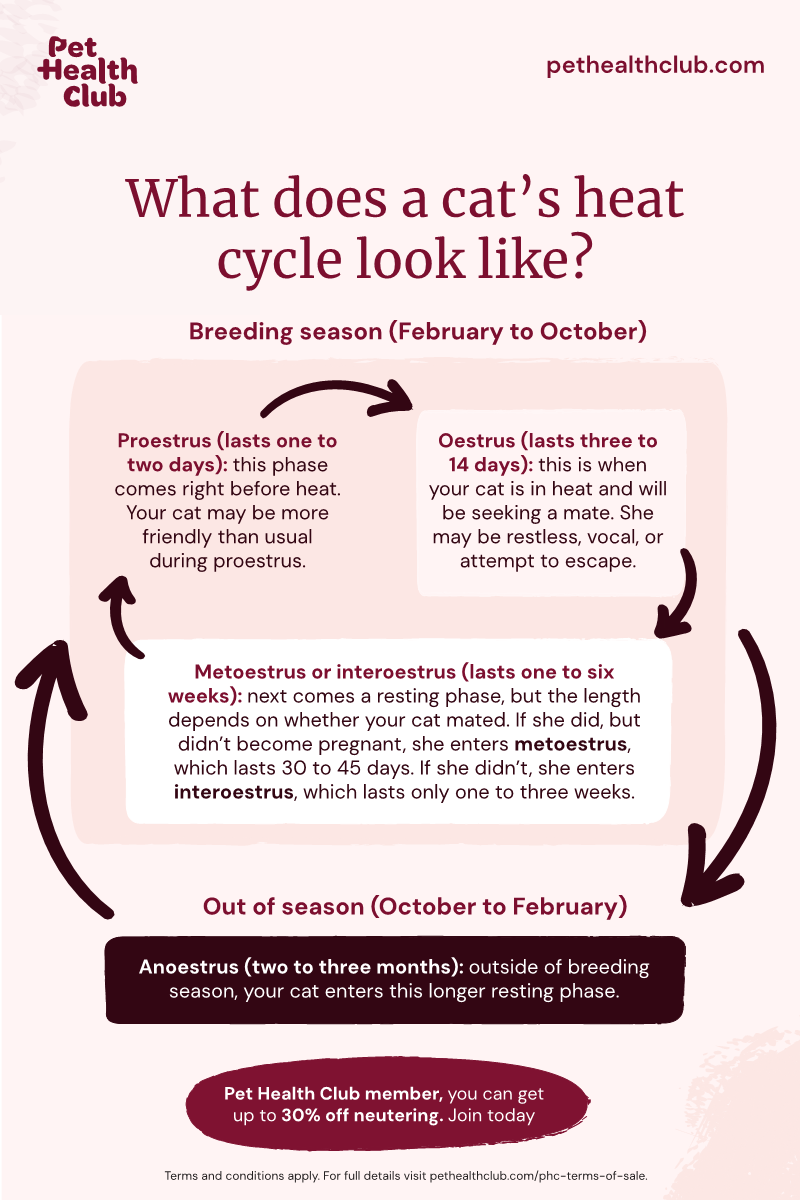
Cats can start breeding as early as five to six months old when they enter their first heat cycle. Heat periods happen every few weeks during breeding season, lasting about a week each time. Understanding this cycle helps manage breeding responsibly.
Understanding the breeding cycle and heat periods of your cat is crucial for any responsible pet owner considering breeding. These cycles not only determine when a cat can conceive but also affect her behavior and health. Knowing the intricacies of these cycles can help you make informed decisions about your cat’s wellbeing.Estrus Cycle Basics
The estrus cycle, or heat cycle, is the period when a female cat is fertile and ready to mate. Cats are polyestrous, meaning they can go into heat multiple times a year. This cycle is influenced by factors like daylight and environmental conditions.Frequency And Duration
Typically, a cat’s heat cycle occurs every two to three weeks, lasting anywhere from a few days to a week. Some cats may experience longer or shorter cycles, depending on their breed and individual health. Have you noticed changes in your cat’s behavior every few weeks? That’s often a telltale sign of their heat cycle.Signs Of Heat
Recognizing the signs of heat is essential for any cat owner. Common indicators include increased vocalization, restlessness, and affectionate behavior towards both humans and other animals. You might also observe your cat assuming a mating position or experiencing a decreased appetite. Are you prepared to manage these changes when they occur? Understanding these signs can help you provide the best care for your feline friend.Responsible Breeding Practices
Responsible breeding practices are essential to ensure the health and well-being of both the parent cats and their kittens. Breeding is not just about producing kittens; it requires careful planning and commitment to quality care. If you want to breed cats, understanding these practices helps you make informed decisions that benefit your pets and the wider feline community.
Health Screening
Before breeding, both cats must undergo thorough health checks. This includes testing for common diseases like feline leukemia and parasites that can affect kittens. Regular vet visits and vaccinations are crucial to prevent passing infections to the offspring.
Health screening also involves checking the cats’ overall physical condition, including their heart, lungs, and joints. You want to be sure your cat is physically strong enough for breeding. Have you ever thought about how a hidden health issue could affect a litter’s survival?
Genetic Considerations
Genetic testing helps identify potential inherited conditions. Some breeds are prone to specific genetic problems, so knowing your cat’s genetic background is key to avoiding these issues in kittens. This step protects future generations from avoidable suffering.
Breeding cats with close genetic ties can lead to health problems. Responsible breeders keep detailed records to maintain genetic diversity. How well do you know your cat’s lineage before deciding to breed?
Breeding Environment
The place where breeding and raising kittens happen must be safe, clean, and stress-free. Cats need a quiet area with comfortable bedding, proper temperature, and minimal disturbances. This environment supports healthy pregnancies and happy kittens.
Consider the space for the mother cat to nurse and care for her kittens. A calm environment reduces risks of complications and helps kittens grow strong. What steps can you take today to create such a space for your cats?

Credit: dremmanuelfontaine.com
Spaying And Neutering Benefits
Spaying and neutering your cat is more than just a routine procedure; it plays a crucial role in controlling the pet population and improving your cat’s overall quality of life. Many cat owners hesitate, wondering if their pet is too young or if delaying the surgery might be better. Understanding the benefits can help you make a confident decision that supports your cat’s health and happiness.
Preventing Early Breeding
Did you know cats can start breeding as early as five months old? This early reproductive ability means that without intervention, your cat could contribute to an unplanned litter sooner than you expect. Spaying or neutering before your cat reaches sexual maturity effectively prevents early pregnancies and unwanted kittens.
By scheduling the surgery at the right time, you avoid the stress and complications of early breeding. This control also helps reduce the number of homeless cats, a problem many animal shelters face daily. Have you considered how one decision can impact an entire community of animals?
Health Advantages
Spaying and neutering offer significant health benefits beyond birth control. For females, spaying greatly lowers the risk of uterine infections and breast tumors, especially if done before their first heat cycle. Neutering males prevents testicular cancer and reduces the risk of prostate issues.
These surgeries can also extend your cat’s lifespan by preventing diseases linked to their reproductive system. Think about the peace of mind you get knowing your cat is less likely to face these serious health problems. Isn’t that a powerful reason to act early?
Behavioral Improvements
Have you noticed your cat acting restless or spraying around the house? These behaviors often stem from hormonal urges related to mating. Neutered and spayed cats generally show reduced aggression and less territorial marking.
They tend to be calmer and more focused on interacting positively with you and other pets. This change can make your home a happier place and deepen the bond you share with your cat. Wouldn’t you want a pet that’s easier to live with and more affectionate?

Credit: www.catbreedingforbeginners.com
Frequently Asked Questions
When Do Cats Reach Breeding Age?
Cats typically reach breeding age between 5 to 12 months. Female cats can go into heat as early as five months. Males become fertile around six months. Breeding too early can affect a cat’s health and development.
How Often Can A Cat Breed Each Year?
A cat can breed multiple times per year, usually every 2 to 3 months. Female cats have several heat cycles annually. Responsible breeding limits litters to ensure the mother’s health and proper kitten care.
What Signs Indicate A Cat Is Ready To Breed?
Signs include frequent vocalization, restlessness, and affectionate behavior. Female cats in heat may display raised hindquarters and tail flagging. Male cats become more territorial and active when ready to breed.
Is Early Breeding Harmful To Cats?
Yes, breeding too early can harm a cat’s health. Young cats may face complications during pregnancy and delivery. It’s best to wait until a cat is fully mature before breeding.
Conclusion
Cats can start breeding as early as five to six months old. It is best to wait until they are healthy and fully grown. Early breeding can cause health problems for both mother and kittens. Responsible care means watching their health and readiness closely.
Always consult a vet before allowing your cat to breed. This helps ensure safe and healthy pregnancies. Remember, patience benefits your cat’s well-being and her future kittens. Breeding at the right time supports a happy and healthy cat family.



Leave a Reply