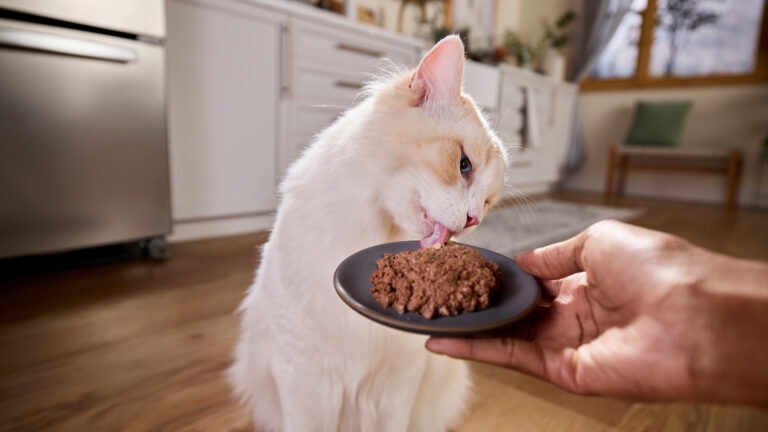
Are you wondering when your kitten is ready to switch to adult cat food? Feeding your cat the right food at the right time is crucial for their health and happiness.
If you choose the wrong food too early or too late, it could affect their growth and energy. You’ll discover the exact signs to look for and the best time to make this important change. Keep reading to make sure your furry friend gets the nutrition they need at every stage of life.
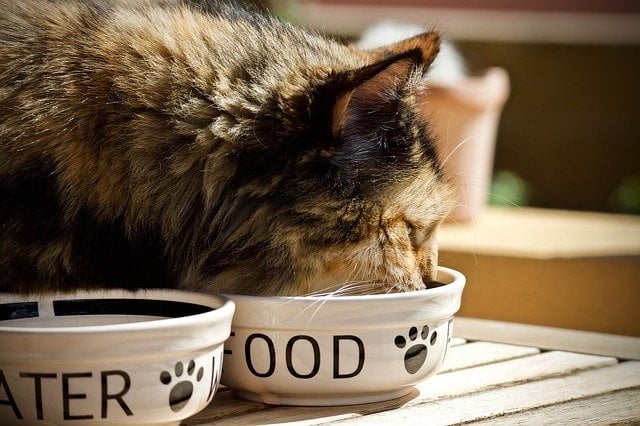
Credit: companion-vets.com
Kitten Growth Stages
Kittens grow fast in their first year. Their diet needs change as they develop. Understanding kitten growth stages helps know when to switch food. Each stage requires specific nutrients for healthy growth.
Newborn To Weaning
Kittens rely completely on their mother’s milk. It gives all needed nutrients and antibodies. This stage lasts about 4 weeks. Kittens nurse every few hours. Their digestive system is delicate and not ready for solid food.
Weaning To 6 Months
At 4 weeks, kittens begin to try solid food. Start with soft, wet kitten food. Gradually reduce milk as they eat more solids. This stage needs high protein and fat. It supports rapid growth and energy needs. Feed small, frequent meals throughout the day.
6 Months To 1 Year
Kittens grow slower but still need good nutrition. Their bodies prepare for adulthood. Begin to introduce adult cat food slowly. Mix it with kitten food to help transition. Monitor weight and energy to adjust feeding. Balanced food supports muscle and bone development.
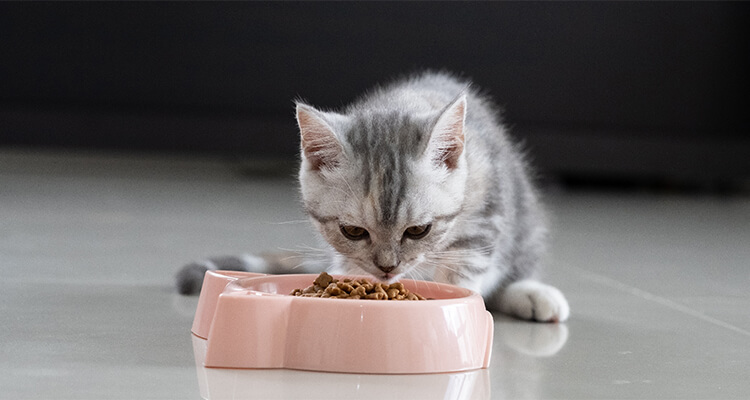
Credit: www.whiskas.co.uk
Why Transition Matters
Transitioning your cat to adult food is more than just a feeding schedule change. It’s about meeting your cat’s evolving health needs to keep them active and happy. Skipping or rushing this step can affect their growth and long-term well-being.
Nutritional Needs Change
Kittens require more protein and calories to support their rapid growth and high energy levels. Adult cats, however, need a diet balanced for maintenance rather than growth. Feeding adult cat food too early can leave kittens undernourished.
On the other hand, continuing kitten food past the right age can lead to excess weight gain in adult cats. You want to give your cat food that matches their current life stage. This helps avoid health problems like obesity or nutrient deficiencies.
Digestive System Development
A kitten’s digestive system is still maturing in the first year. Kitten food is softer and easier to digest, which protects their sensitive stomachs. Switching too soon to adult food, which is tougher and denser, can cause digestive upset.
When you transition at the right time, your cat’s digestive system adapts smoothly. It’s a gradual process that prepares their body for adult food without stress. Have you noticed changes in your cat’s digestion during feeding switches? Paying attention to this can guide you on when to move forward.
Signs Your Cat Is Ready
Knowing when your cat is ready for adult food helps ensure proper growth and health. Signs show your kitten is growing and developing. These clues guide you to switch food safely.
Behavioral Changes
- Your kitten starts eating less frequently but more at once.
- Interest in solid food increases over milk or soft food.
- Energy levels may stabilize as they grow older.
- Chewing and biting skills improve, showing readiness for tougher food.
- Curiosity about what adult cats eat can be a sign.
Physical Milestones
- Teeth are fully developed and strong.
- Weight reaches about 80% of adult size.
- Body coordination improves, showing maturity.
- Kitten loses baby fur and gains adult coat texture.
- Eyes change from blue to permanent color.
How To Switch Foods
Switching your cat to adult food requires care and patience. A sudden change can upset your cat’s stomach. Follow clear steps to make the transition smooth. This helps your cat enjoy the new food without stress.
Gradual Mixing Techniques
Start by mixing a small amount of adult food with the kitten food. Use about 25% adult food and 75% kitten food. Do this for three days to let your cat adjust.
Increase the adult food to 50% and kitten food to 50% next. Keep this ratio for another three days. Then, move to 75% adult food and 25% kitten food. After a few days, offer only adult food.
Use a clean bowl for the new food. Keep feeding times consistent. This routine helps your cat feel safe and comfortable.
Monitoring Your Cat’s Reaction
Watch your cat’s eating habits closely. Note any changes in appetite or behavior. Look for signs like vomiting, diarrhea, or constipation.
Check if your cat is still playful and active. A drop in energy may signal a problem. Contact your vet if you see any health concerns.
Keep an eye on your cat’s stool quality. Normal stools mean the food suits your cat well. Changes may mean your cat needs more time or a different approach.
Choosing The Right Adult Food
Choosing the right adult food for your cat is essential as it directly affects their health and happiness. Adult cat food is specially formulated to meet the changing nutritional needs once your feline friend passes the kitten stage. Picking the best option means understanding what nutrients matter most and deciding between wet or dry food based on your cat’s preferences and lifestyle.
Key Nutrients To Look For
Look for food that contains a good balance of protein, fat, and essential vitamins. Protein from real meat should be the top ingredient since cats are obligate carnivores and need it to maintain muscle mass. Fat provides energy and supports skin and coat health, so ensure the food includes healthy fats like omega-3 and omega-6 fatty acids.
Don’t overlook important vitamins and minerals like taurine, which is crucial for heart and eye health. Also, antioxidants like vitamin E help support your cat’s immune system. Reading the label carefully can help you avoid fillers and additives that don’t benefit your cat.
Wet Vs Dry Food Options
Wet food offers higher moisture content, which helps keep your cat hydrated, especially if they don’t drink much water. It tends to be more palatable, which can be a lifesaver if your cat is a picky eater or recovering from illness. However, wet food usually costs more and has a shorter shelf life once opened.
Dry food is convenient, easier to store, and helps with dental health by reducing plaque buildup. But it contains less moisture, so if you feed only dry food, you’ll need to encourage your cat to drink more water. Many cat owners find success mixing both wet and dry food to give their cats variety and balanced nutrition.
Common Feeding Mistakes
Feeding your cat the right food at the right time is crucial for their health and happiness. However, many cat owners make common mistakes that can lead to digestive issues or poor nutrition. Understanding these pitfalls can help you avoid unnecessary problems and ensure your cat thrives as they transition to adult food.
Switching Too Early
One frequent mistake is moving your kitten to adult cat food before they are ready. Kittens need nutrient-rich food designed specifically for their growth stage until they reach about one year old.
Switching too early can cause nutritional gaps, leading to stunted growth or health problems. If you’ve noticed your kitten isn’t as energetic or is losing weight after switching, it might be a sign you acted too soon.
Ignoring Food Preferences
Cats can be picky eaters, and ignoring their food preferences is a common error. If your cat refuses the adult food you offer, don’t force it—they might simply dislike the texture or flavor.
Try introducing new foods gradually, mixing small amounts with their current meals. Paying attention to what your cat enjoys helps maintain their appetite and ensures they get the nutrition they need.
Special Considerations
Kittens need special nutrients that adult cat food may not provide. Wait until they reach about one year old before switching. Always watch for signs of readiness and consult your vet to ensure the diet change is safe.
Special considerations play a crucial role in deciding when a cat can switch to adult cat food. Each cat has unique needs that influence this transition. Factors such as health conditions and breed-specific needs are important. Understanding these ensures your cat’s diet supports their overall health and well-being.Health Conditions
Some cats have specific health issues that require special diets. Conditions like obesity, diabetes, or kidney disease may need tailored nutrition. Always consult a vet to determine the best diet for such cats. A professional can provide guidance on the right time to switch foods. They might recommend a specialized diet instead of regular adult cat food. A vet’s advice ensures your cat’s health needs are met.Breed-specific Needs
Different cat breeds often have unique dietary requirements. Larger breeds might need different nutrients compared to smaller ones. For example, a Maine Coon may require more calories. On the other hand, a Siamese might need less. Breed characteristics influence when to switch to adult food. Always research your cat’s breed needs. This knowledge helps in making informed dietary choices.
Credit: www.purina.com
Frequently Asked Questions
When Is The Right Time To Switch To Adult Cat Food?
Kittens can switch to adult cat food at about 12 months old. This timing supports their changing nutritional needs as they grow. Always consult your vet to ensure the transition is healthy and suitable for your cat’s breed and size.
Why Should Kittens Not Eat Adult Cat Food Early?
Adult cat food lacks the essential nutrients kittens need. Kittens require higher protein and calorie levels for growth. Feeding adult food too early can lead to malnutrition and slow development. It’s crucial to provide age-appropriate food for optimal health.
What Are The Signs My Cat Needs Adult Food?
Signs include slowed growth, less playfulness, and reduced calorie needs. Your cat may have a more mature appetite and lower energy levels. These cues usually appear around one year, indicating it’s time to transition to adult cat food.
How Do I Transition My Cat To Adult Food?
Gradually mix adult food with kitten food over seven days. Increase the adult food portion daily while decreasing kitten food. This gradual change helps avoid digestive upset and ensures your cat adapts comfortably to the new diet.
Conclusion
Cats usually start eating adult food around one year old. At this age, their body needs more nutrients for daily energy. Switching too early can cause stomach problems. Watch your cat’s health and growth to decide the right time. Always provide fresh water and balanced meals.
Proper feeding helps keep cats strong and happy. Remember, every cat is different. Consult your vet if unsure about feeding choices. This way, your cat stays healthy through all life stages. Simple care leads to a long, joyful life for your pet.


Leave a Reply