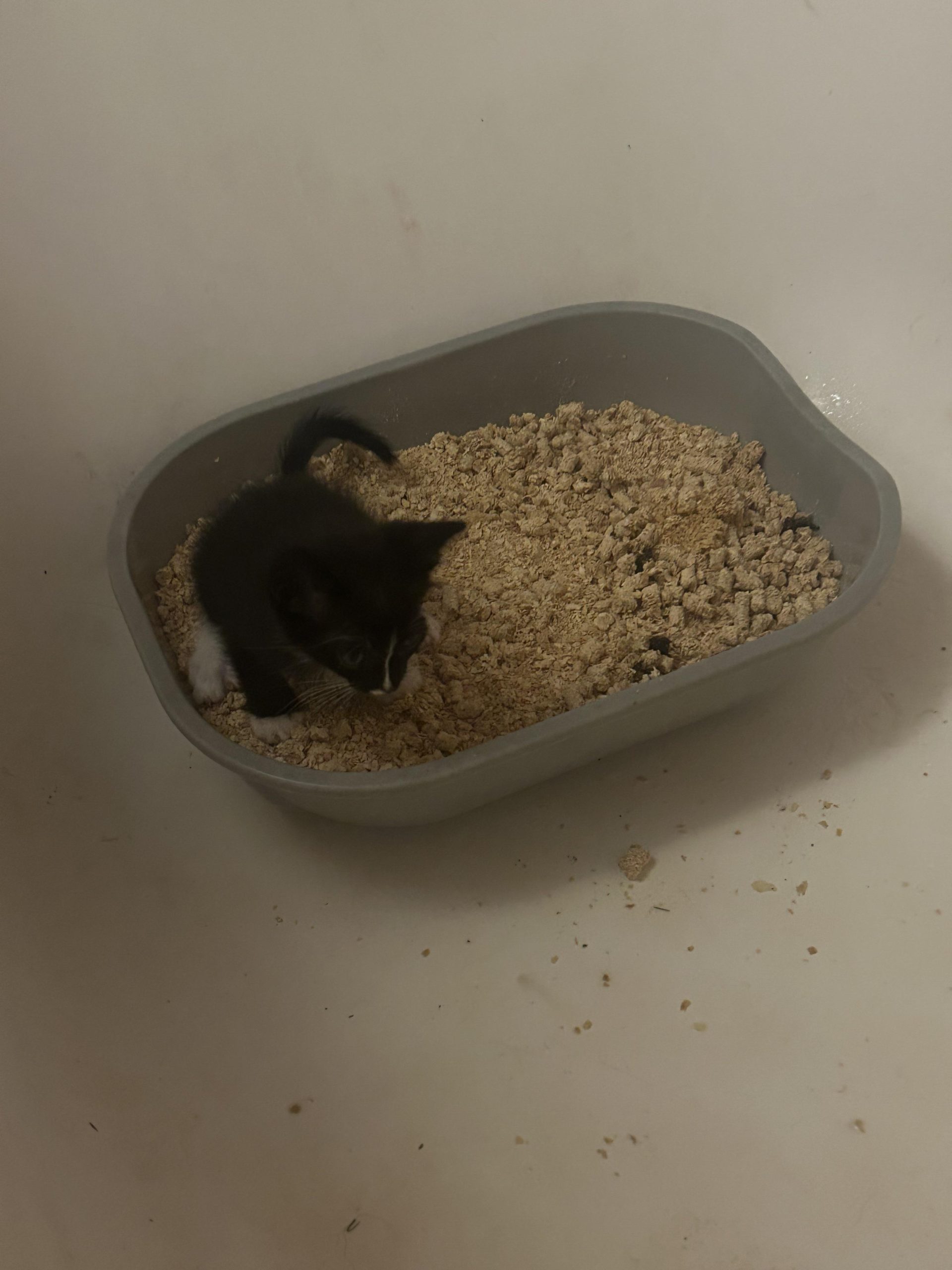
Are you wondering when your cat will be fully potty trained? You’re not alone.
Knowing the right time to expect your furry friend to master the litter box can save you from frustration and mess. Imagine having a clean home without the stress of accidents or constant clean-ups. You’ll discover the key signs to watch for, the typical timeline, and simple tips to help your cat become a litter box pro.
Keep reading to find out exactly when your cat will be potty trained and how you can make the process smooth and easy for both of you.

Credit: www.purina.com
Cat Potty Training Timeline
Understanding the timeline of cat potty training helps you set realistic expectations and respond effectively to your cat’s needs. Cats don’t learn all at once; their readiness and ability to use the litter box develop in stages. Knowing when and how your cat will typically master this skill can save you frustration and create a smoother experience for both of you.
Typical Age For Training
Kittens usually start learning to use the litter box as early as 3 to 4 weeks old. By 7 to 8 weeks, most kittens are fairly consistent with their potty habits if given proper guidance. However, some cats might take a few more weeks to fully grasp the routine.
Adult cats that haven’t been trained before might need extra patience. Their timeline can vary depending on past experiences and temperament. Have you noticed your cat showing hesitation or confusion? This can be a sign they need more time or a different approach.
Signs Your Cat Is Ready
Watch for your cat’s natural curiosity about where other cats go potty. When your kitten starts sniffing around corners or dirt-like textures, it’s often a sign they’re ready to learn. They might even start scratching at the floor or litter, which is a positive indicator.
Another clear sign is when your cat begins to hide or squat in quiet areas. This shows they understand the need for privacy during elimination. If your cat approaches the litter box or tries to dig in it, it’s time to encourage and guide them.
Have you seen your cat avoiding certain areas or seeming uncomfortable? This might mean they are not ready yet or that the litter box setup needs adjustment. Your attention to these signals can make all the difference in successful training.

Credit: www.purina.com
Choosing The Right Litter Box
Choosing the right litter box is a crucial step in potty training your cat. The right box can make the difference between consistent use and frustrating accidents. It’s not just about size; comfort, location, and litter type all play key roles in your cat’s willingness to use it.
Types Of Litter Boxes
There are several types of litter boxes to consider, each with its own pros and cons. Open litter boxes provide easy access and ventilation but can allow odors to spread. Covered litter boxes help contain smells and litter scatter but might feel cramped for some cats.
Self-cleaning litter boxes are convenient for you but may intimidate shy or older cats. If your cat is a kitten or elderly, a low-entry box can be easier to enter and exit. Think about your cat’s personality and physical needs when choosing the type.
Ideal Location
Where you place the litter box can influence your cat’s potty habits. Cats prefer quiet, low-traffic areas that offer privacy. Avoid placing the box near loud appliances or busy hallways where your cat might feel exposed or stressed.
Also, keep the litter box away from your cat’s food and water dishes. If you have multiple cats, consider multiple boxes spread out around the house to reduce territorial issues. Would your cat feel comfortable using the box if a visitor or another pet suddenly walked by?
Litter Material Options
The type of litter you choose affects odor control, dust levels, and your cat’s comfort. Clumping clay litter is popular because it’s easy to scoop and controls odor well. However, some cats dislike the texture or dustiness of clay.
Alternative options include silica gel crystals, which absorb moisture and odors without dust. Natural litters made from materials like wood, corn, or paper offer biodegradable choices but may not clump as well. Testing different litters can help you find what your cat prefers.
Step-by-step Training Process
Potty training a cat is a gradual process. It takes patience and consistency. The goal is to help your cat feel comfortable using the litter box. Each stage builds on the last. This step-by-step guide makes training clear and simple.
Introducing The Litter Box
Place the litter box in a quiet, easy-to-find spot. Avoid noisy or busy areas. Fill it with unscented, clumping litter. Show your cat the box and gently place them inside. Let them explore at their own pace. Keep the box clean to encourage use.
Encouraging Proper Use
Watch your cat closely for signs they need to go. Gently place them in the litter box at these times. Praise your cat softly after they use it. Avoid punishment, which can cause fear. Use the same litter box to build habit and comfort.
Handling Accidents
Accidents happen and are normal during training. Clean any mess immediately with an enzyme cleaner. Avoid strong-smelling cleaners that deter cats. Do not scold your cat for accidents. Redirect them calmly to the litter box instead. Consistency helps your cat learn faster.
Common Training Challenges
Cats often learn to use the litter box between 3 to 4 months old. Challenges include inconsistent habits and fear of the box. Patience and gentle guidance help cats adapt to potty training more smoothly.
Cats can face several challenges while being potty trained. Some cats may learn quickly. Others might take longer. Understanding common issues can help make training smoother. Let’s explore these challenges.Avoiding Litter Box Aversion
Cats can develop litter box aversion. This means they avoid using the litter box. The box might be too dirty. Or it could be in a noisy area. Clean the box regularly. Place it in a quiet spot. Use unscented litter. Cats prefer it over scented types.Dealing With Marking Behavior
Cats sometimes mark territory. This is normal but can be frustrating. Neutering or spaying often helps. It reduces marking behavior. Ensure there’s enough litter boxes. One box per cat plus one extra is ideal. This minimizes territory disputes.Addressing Health Issues
Health problems can affect potty habits. Urinary tract infections are common. They cause pain when urinating. Consult a vet if you notice changes. Early treatment is crucial. It prevents bigger health issues. Regular check-ups keep your cat healthy.Tips For Quick Success
Potty training a cat can be a smooth process with the right approach. Patience and clear steps help your cat learn faster. Focus on encouraging good habits and making the litter box inviting. Here are key tips to guide you toward quick success.
Positive Reinforcement Techniques
Reward your cat immediately after using the litter box. Use treats or gentle praise to show approval. This helps your cat connect good behavior with rewards. Avoid punishment, as it can cause fear or confusion. Consistent rewards build trust and motivation.
Maintaining Consistency
Keep the litter box in the same quiet spot. Cats like routine and familiarity. Scoop the box daily to keep it clean and inviting. Feed your cat at regular times to create a bathroom schedule. Consistency helps your cat understand expectations clearly.
Cleaning And Maintenance
Clean accidents with enzyme-based cleaners to remove odors. This prevents cats from returning to the same spot. Replace litter regularly to maintain freshness. Use unscented, clumping litter preferred by most cats. A clean box encourages regular use.
When To Seek Professional Help
Sometimes, cats struggle with potty training despite your best efforts. Persistent accidents or unusual behavior might signal deeper issues. Knowing when to seek professional help can save you stress and protect your cat’s health. Professionals offer guidance tailored to your cat’s unique needs.
Behavioral Experts
Behavioral experts specialize in cat habits and training issues. They identify stress or anxiety causing potty problems. Experts suggest changes in environment or routine to improve behavior. They teach owners how to reinforce good habits gently and effectively. Consulting a behavioral expert can prevent bad habits from worsening.
Veterinary Advice
Health issues often cause sudden potty training failures. Urinary tract infections, kidney problems, or pain can make cats avoid the litter box. A vet exam uncovers medical causes behind accidents. Early diagnosis leads to faster treatment and relief. Always seek veterinary advice if accidents start suddenly or often.

Credit: www.reddit.com
Frequently Asked Questions
When Do Kittens Start Potty Training?
Kittens usually begin potty training at 3 to 4 weeks old. They learn quickly by observing their mother. Most kittens become fully litter trained by 7 to 8 weeks old.
How Long Does Cat Potty Training Take?
Cat potty training typically takes 2 to 4 weeks. Consistency, patience, and a clean litter box speed up the process. Some cats may take longer based on personality.
What Are Signs Of Successful Cat Potty Training?
A trained cat uses the litter box regularly without accidents. They show comfort and ease near the box. There are no signs of avoidance or inappropriate elimination.
Can Adult Cats Be Potty Trained?
Yes, adult cats can be potty trained with patience. Use positive reinforcement and maintain a clean litter box. Some cats may take longer due to habits or anxiety.
Conclusion
Cats usually learn to use the litter box by eight weeks old. Some cats take a little longer, but patience helps a lot. Consistency and a clean box make training easier. Watch your cat’s behavior to spot any problems early.
Remember, every cat is different and learns at its own pace. Keep training simple and stay calm. Soon, your cat will be potty trained and happy. It’s a small step for your pet but a big help for you.



Leave a Reply