Are you wondering when you should switch your kitten to adult cat food? Feeding your cat the right food at the right time is key to keeping them healthy and happy.
If you’re unsure about when to make this change, you’re not alone. Knowing the perfect moment to transition can help avoid digestive issues and ensure your cat gets the nutrients they need. Keep reading, and you’ll discover clear signs and simple tips to feed your cat the best diet as they grow.
Your furry friend will thank you for it!
Credit: bullcityveterinary.com
Signs To Switch To Adult Cat Food
Knowing when to switch your cat to adult food is important for their health. Cats grow and change quickly during their first year. Feeding the right food at the right time supports their needs. Watch for clear signs that your kitten is ready for adult cat food.
Growth Milestones
Kittens grow fast in the first six months. Their weight and size increase steadily. By about one year, most cats reach full size. Once your cat stops growing, it needs adult food. Adult cat food has balanced nutrients for maintenance, not growth.
Behavioral Changes
Watch how your cat behaves during mealtime. Kittens often eat more frequently and seem more energetic. Adult cats eat less often and show calmer behavior. A change in appetite or eating pattern can signal readiness for adult food. Your cat may also start showing less playfulness as it matures.
Health Indicators
Your cat’s coat and energy reveal health status. A shiny coat and steady energy mean good health. If your cat gains too much weight or loses energy, check the diet. Adult cat food can help maintain a healthy weight and provide steady energy. Regular vet visits help confirm the best feeding stage.
Credit: pet-supermarket.co.uk
Recommended Age For Feeding Adult Cat Food
Knowing the right time to switch your cat to adult food is important. Feeding adult cat food too early or too late can affect your cat’s health. Cats grow fast, and their diet needs change as they age. This section explains the recommended age for feeding adult cat food. It also covers how breed and size play a role in this decision.
General Age Guidelines
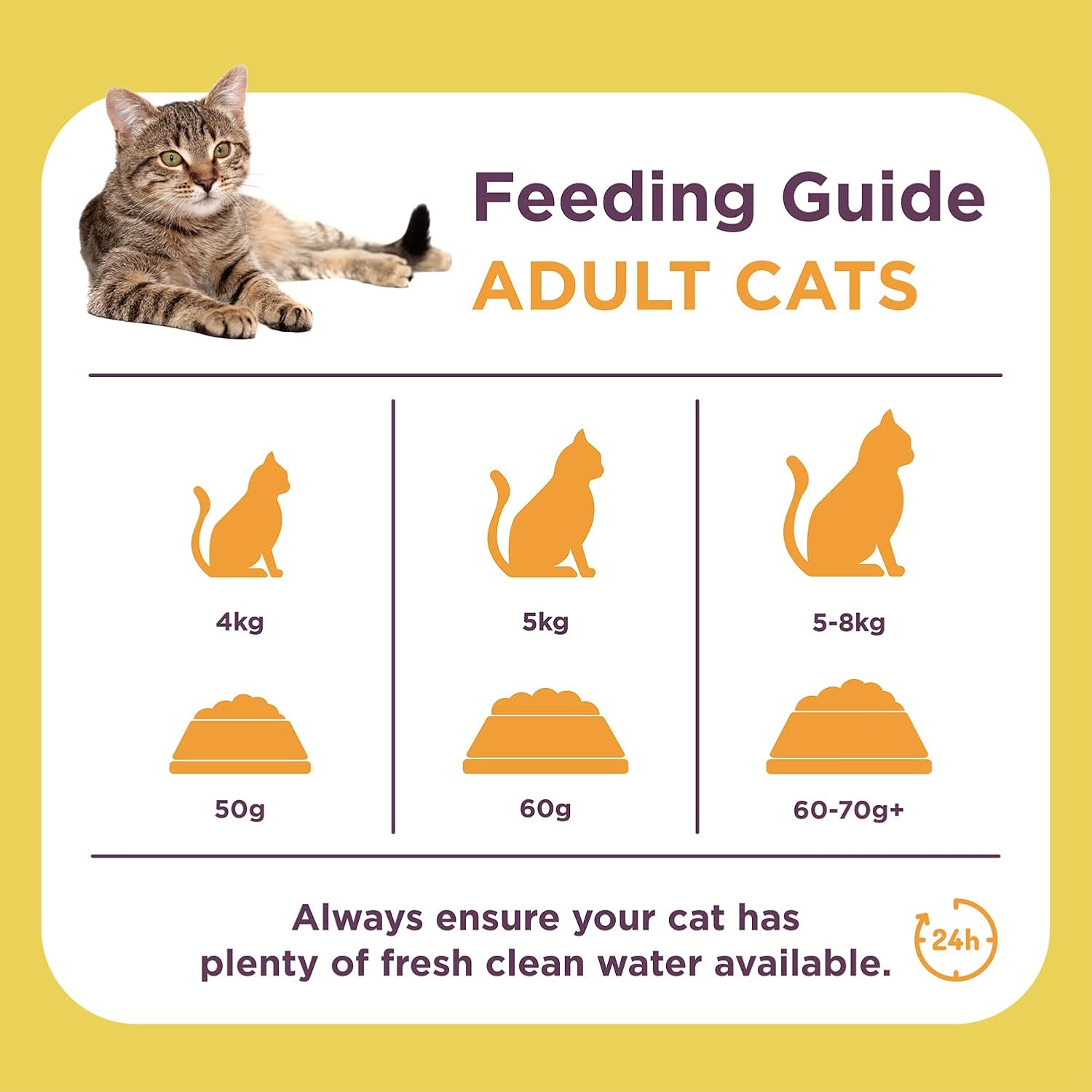
Kittens usually start eating solid food around 4 weeks old. They should stay on kitten food until they reach about one year. Kitten food has more nutrients to support growth. At 12 months, most cats can switch to adult cat food. Adult food has fewer calories and different nutrient balances. This helps maintain their weight and overall health.
Some cats may need to stay on kitten food a bit longer. This depends on their growth rate and health. Always watch your cat’s weight and activity. Consult a vet if unsure about the right time to switch food.
Breed And Size Considerations
Large breeds like Maine Coons grow slower than small breeds. They might need kitten food up to 18 months. Smaller breeds often mature faster and can switch earlier. Size affects how much energy your cat needs. Larger cats require more calories during growth.
Breed also influences nutrient needs. Some breeds are prone to health issues that diet can help manage. Tailoring food to breed and size supports healthy development. Always adjust feeding plans based on your cat’s unique needs.
Transitioning From Kitten To Adult Food
Transitioning your cat from kitten to adult food is a crucial step in their growth. It’s not just about switching the label on the bag; it’s about supporting their changing nutritional needs and digestive system. You want to make this change smooth to keep your cat healthy and happy.
Gradual Food Changes
Sudden food changes can upset your cat’s stomach. Instead, mix a small amount of adult food with their kitten food.
- Start with 25% adult food and 75% kitten food for a few days.
- Then shift to a 50/50 mix for about a week.
- Finally, move to 100% adult food.
This slow transition helps your cat adjust to the new taste and texture without stress. Have you noticed your cat being picky or hesitant? Patience during this phase can make all the difference.
Monitoring Digestive Health
Watch for changes in your cat’s digestion as you switch foods. Loose stools, vomiting, or changes in appetite can signal trouble.
Keep an eye on their litter box habits daily. If you spot any issues, try slowing down the transition or consult your vet.
Remember, every cat’s digestive system reacts differently. What worked for my cat took two weeks instead of one. How long do you think your cat might need?
Nutritional Differences Between Kitten And Adult Food
Kittens need more protein and calories for growth, while adult cats require balanced nutrients to maintain health. Feeding adult food too early may slow a kitten’s development. Transition to adult food usually happens around one year of age.
Understanding the nutritional differences between kitten and adult cat food is essential for the health and well-being of your feline friend. As cats grow from playful kittens to mature adults, their dietary needs change significantly. These changes are primarily in the areas of protein, fat, vitamins, and minerals. Knowing when to switch food types can help ensure your cat remains vibrant and healthy throughout its life.Protein And Fat Content
Kittens are little bundles of energy, requiring higher protein and fat to support their rapid growth and development. Kitten food is specially formulated to provide this extra boost. Adult cats, on the other hand, require a more balanced diet to maintain their weight and health. Feeding them kitten food can lead to obesity and related health issues. Have you ever noticed your kitten bouncing off the walls after a meal? That’s their high-energy diet at work. But as they age, a diet too rich in protein and fat may not be ideal.Vitamin And Mineral Needs
Kittens need an abundance of certain vitamins and minerals to develop strong bones, muscles, and immune systems. For instance, calcium and phosphorus are critical during this growth phase. As cats mature, their need for these nutrients decreases. Adult cat food adjusts these levels to prevent issues like kidney disease. Consider the last time you switched up your diet. Your body likely responded differently to certain foods. Similarly, transitioning your cat to adult food helps align their intake with their changing needs.Common Mistakes When Changing Cat Food
Changing your cat’s food can be a tricky process. Many cat owners rush or overlook important signs, leading to upset tummies or refusal to eat. Knowing what common mistakes to avoid can make the transition smoother for both you and your feline friend.
Switching Too Quickly
One of the biggest errors is switching your cat’s food abruptly. Cats need time to adjust to new flavors and ingredients. A sudden change can cause vomiting, diarrhea, or loss of appetite.
Try mixing small amounts of the new food with the old one over a week or more. Gradually increase the new food portion while decreasing the old food. This slow approach helps your cat’s digestive system adapt without stress.
Ignoring Cat’s Preferences
Your cat has tastes and textures it prefers, and ignoring these can lead to wasted food and frustration. Sometimes, a cat may reject a new food not because it’s bad but because it doesn’t like the texture or smell.
Pay attention to what your cat enjoys. If your cat favors pate over chunks or prefers a stronger aroma, look for options that match these preferences. Offering choices makes the transition easier and keeps your cat happy and well-fed.
Credit: www.whiskas.co.uk
Veterinarian Recommendations
Veterinarians play a key role in guiding cat owners on feeding adult cats. Their advice helps maintain a cat’s health and well-being. Regular consultations ensure your cat’s diet matches its age, activity, and health needs.
Routine Checkups
Routine checkups allow vets to track your cat’s health over time. They check weight, coat condition, and overall fitness. These visits help identify any dietary problems early. Vets may suggest diet changes based on test results or health issues. Regular visits keep your cat’s nutrition on point.
Customized Feeding Plans
Each cat has unique needs based on age, weight, and lifestyle. Vets create feeding plans tailored to these factors. They consider allergies, medical conditions, and activity levels. This ensures the cat gets the right nutrients and calories. Customized plans improve health and prevent obesity or malnutrition.
Special Cases In Feeding Timing
Feeding adult cats involves more than just fixed meal times. Certain health and body conditions call for careful timing adjustments. This ensures your cat gets the right nutrition and stays healthy. Understanding these special cases helps you offer the best care.
Overweight Or Underweight Cats
Overweight cats need controlled portions at consistent times. Feeding too often can lead to more weight gain. Space meals evenly, about two to three times a day. Use measured amounts to avoid overeating.
Underweight cats require more frequent feeding. Small meals every 3-4 hours help increase their calorie intake. Nutrient-rich food supports weight gain and energy levels. Keep track of their weight regularly to adjust feeding.
Cats With Medical Conditions
Medical issues like diabetes or kidney disease affect feeding schedules. Diabetic cats benefit from meals timed with insulin doses. This helps maintain stable blood sugar levels.
Cats with kidney problems need smaller, more frequent meals. Low-protein diets often require strict feeding routines. Follow your vet’s advice closely for best results.
Always watch your cat’s reaction to meal timing. Adjust based on their health and comfort. Clear communication with your vet ensures proper feeding plans.
Tips For Encouraging Cats To Eat Adult Food
Encouraging a cat to eat adult food can be a gentle process. Cats often prefer the taste and texture they are used to from kitten food. Patience and creativity help in making the transition smoother. Trying different approaches can make adult food more appealing and easier to accept.
Mixing Foods
Mixing kitten and adult food can ease the change. Start by adding a small amount of adult food to the kitten food. Gradually increase the adult food portion over several days. This helps the cat get used to the new taste and smell without sudden changes.
Mixing foods also helps avoid waste if the cat rejects the new food. Use a clean bowl and fresh food at each feeding time. Keep the feeding area quiet and comfortable to reduce stress.
Enhancing Flavor And Texture
Enhancing flavor makes adult food more attractive to cats. Warm the food slightly to bring out its aroma. Avoid overheating, as this can reduce taste and harm nutrients.
Adding a small amount of low-sodium broth or water can improve texture and smell. Some cats enjoy a little canned tuna juice mixed in. Use these additions sparingly to keep the meal healthy.
Changing texture can also help. Mix dry adult food with wet food for variety. Cats often prefer moist food over dry kibble alone. Observing what your cat likes is key to success.
Frequently Asked Questions
When Should I Start Feeding My Cat Adult Food?
You should start feeding adult cat food when your cat turns one year old. This marks the end of the kitten growth phase and the beginning of adult nutritional needs.
Can I Feed Adult Cat Food To Kittens?
No, adult cat food lacks essential nutrients for kittens. Kittens require food rich in protein and calories for healthy growth.
How Do I Transition My Cat To Adult Food?
Gradually mix adult food with kitten food over 7-10 days. This helps your cat adjust without digestive upset.
What Are The Benefits Of Adult Cat Food?
Adult cat food supports maintenance of healthy weight, muscle mass, and energy levels. It contains balanced nutrients tailored for adult cats.
Conclusion
Feeding your cat adult food at the right time helps keep them healthy. Watch for signs like age and growth to know when to switch. Adult cat food supports their energy and nutrition needs better. Always choose good-quality food made for adult cats.
Changing food slowly can help avoid stomach upset. Your cat will enjoy a balanced diet and stay happy. Careful feeding helps your cat live a long, strong life. Trust your knowledge and love to make the best choice.



Leave a Reply