Potty training an adult cat may seem tricky, but it’s totally possible—and worth it. If your cat is having accidents or you want to switch them from litter boxes to a toilet, you’re not alone.
You might feel frustrated or unsure where to start, but don’t worry. This guide will walk you through simple steps that anyone can follow. By the end, you’ll have a cleaner home and a happier cat. Ready to make potty training easier for both of you?
Let’s dive in.
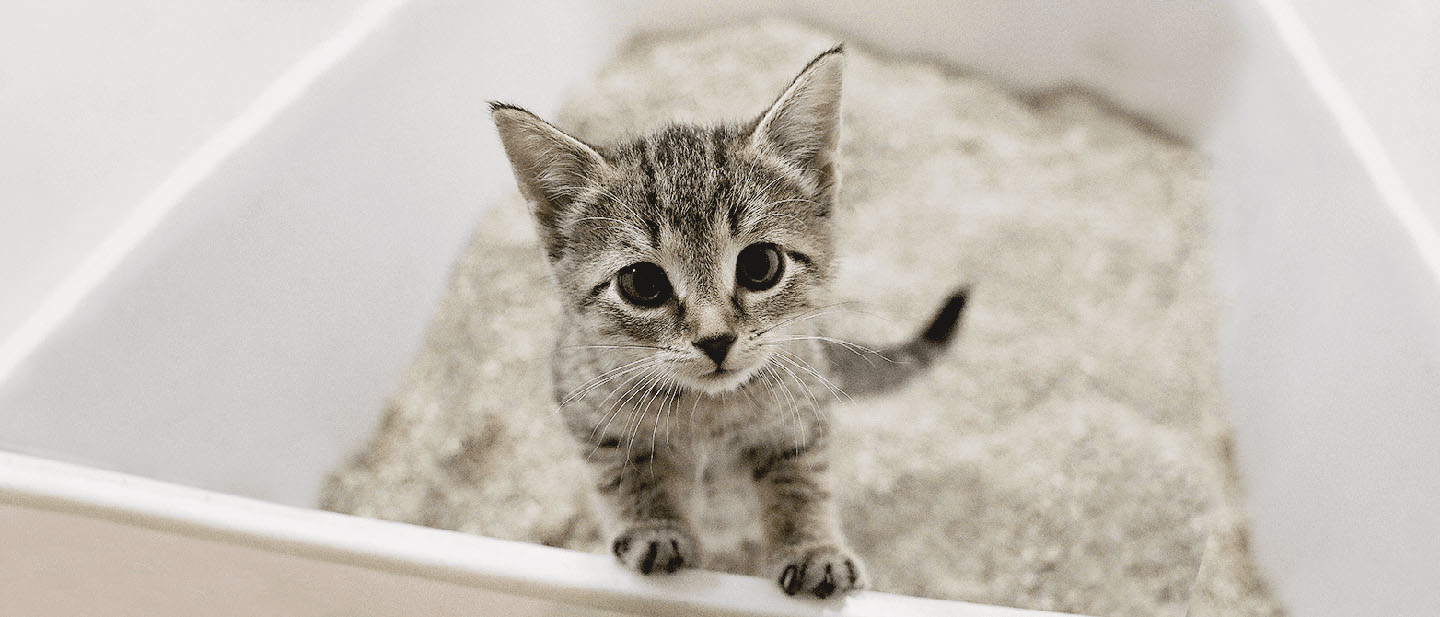
Credit: www.whiskas.com.ph
Why Potty Train An Adult Cat
Potty training an adult cat can improve life for both you and your pet. It helps keep your home cleaner and reduces litter box issues. Adult cats can learn new habits with patience and consistency. Understanding the reasons to potty train can make the process easier and more rewarding.
Benefits Of Potty Training
- Eliminates strong litter box odors in your home
- Reduces the need to clean and replace litter frequently
- Prevents litter tracking around your house
- Encourages better hygiene for your cat
- Helps avoid accidents outside the litter box
- Makes travel and visits easier without carrying litter supplies
Common Challenges With Adult Cats
- Some cats resist change and prefer old habits
- Fear or stress might cause them to avoid new methods
- Health problems can interfere with training progress
- Inconsistent routines confuse the cat during training
- Older cats may take longer to adjust to new behaviors
Preparing For Potty Training
Preparing for potty training an adult cat sets the stage for success. It involves careful planning and understanding your cat’s needs. This phase helps reduce stress for both you and your pet. Clear preparation boosts your cat’s confidence and speeds up learning.
Choosing The Right Location
Select a quiet, low-traffic spot for the potty area. Cats prefer privacy and calm while doing their business. Avoid noisy or busy places like near washing machines or doorways. The area should be easy for your cat to reach at all times. Consider a spot with good ventilation to keep it fresh.
Gathering Necessary Supplies
Get all the supplies before starting the training. You will need:
- A suitable litter box or potty training kit
- Cat-safe cleaning products
- Comfort items like a soft mat or towel
- Treats for positive reinforcement
Choose a litter your cat likes. Avoid scented litters that may repel your cat. Keep cleaning supplies handy to manage accidents quickly.
Assessing Your Cat’s Behavior
Observe your cat’s habits and preferences closely. Note where they usually go to the bathroom. Watch for signs of stress or anxiety that may affect training. Some cats take longer to adjust than others. Patience is key during this phase. Understanding your cat’s behavior guides your training approach effectively.
Step-by-step Potty Training Process
Potty training an adult cat may seem challenging but is achievable. A structured approach helps your cat adjust smoothly. Here, we’ll explore each step.
Introducing The Litter Box
Start by selecting a comfortable litter box for your cat. Place it in a quiet, accessible area. Make sure the box is clean and filled with suitable litter. Encourage your cat to explore the new setup. Reward them with treats for using it.
Transitioning To The Toilet
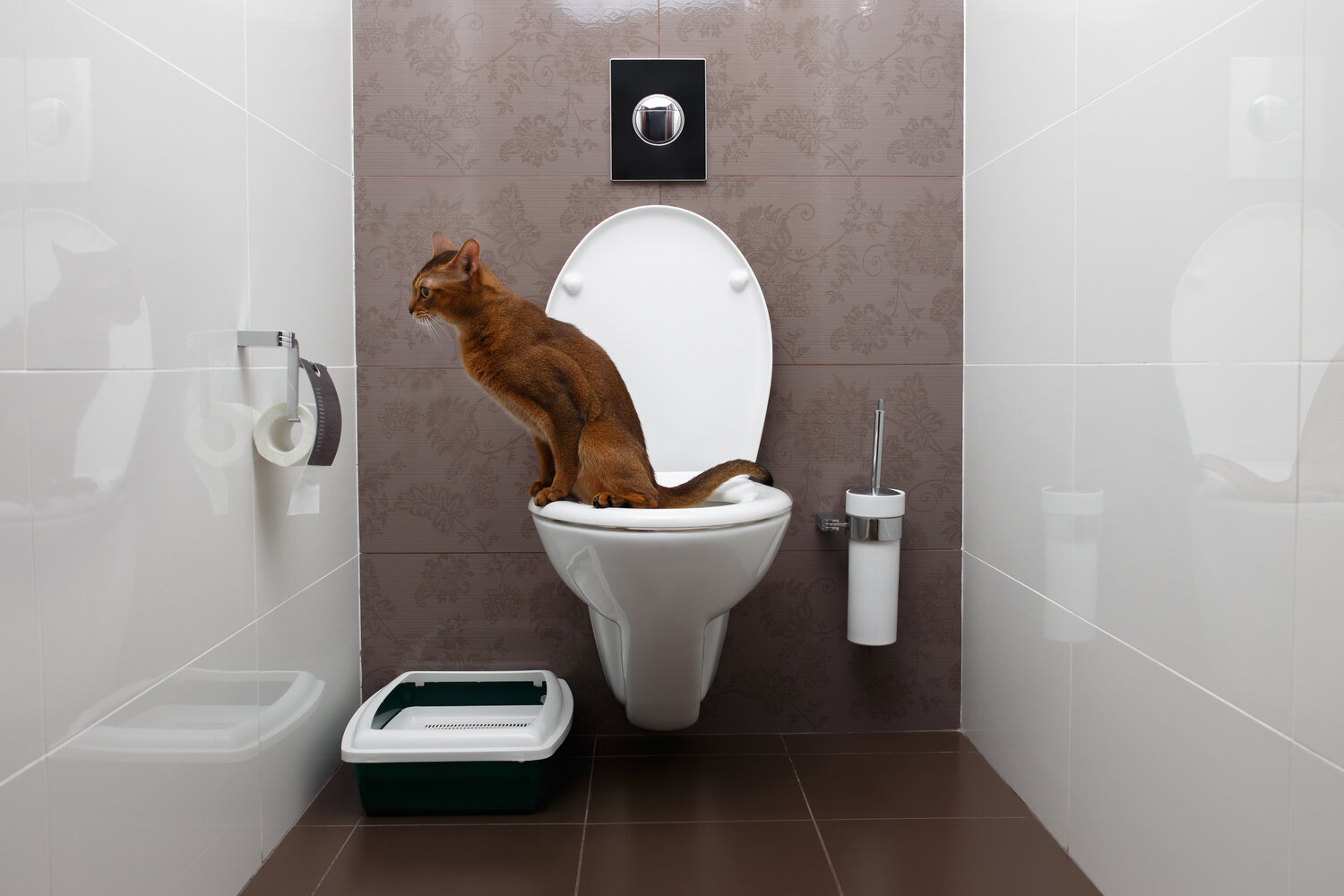
Gradually move the litter box closer to the bathroom. Let your cat get used to this change. Once near the toilet, elevate the box using sturdy materials. This helps your cat adjust to the height of a toilet seat.
Using Training Seats And Inserts
Invest in a cat training seat designed for toilets. Place it securely on the toilet bowl. This seat mimics the litter box, easing the transition. Some seats include inserts to hold small amounts of litter. This helps your cat feel more comfortable.
Encouraging Consistent Use
Consistency is key in the training process. Ensure your cat has access to the toilet at all times. Continue rewarding them for using the toilet correctly. Be patient and understanding. Each cat learns at their own pace.
Dealing With Setbacks
Setbacks are a normal part of potty training an adult cat. Even with the best efforts, your cat might have accidents or resist changes. How you respond to these moments can make a big difference in your cat’s progress and your own patience.
Handling Accidents Calmly
Accidents happen, but reacting with frustration can scare your cat and slow training. Instead, clean the area thoroughly without using ammonia-based cleaners, which can attract your cat back to the same spot.
Speak to your cat softly to reassure them, and avoid punishment. Cats don’t connect punishment with the accident, but they do associate it with you. Keeping calm helps maintain trust and encourages better behavior.
Adjusting Training Techniques
If your cat repeatedly has accidents, consider changing your approach. Maybe the litter box isn’t in a quiet, accessible spot or the box type isn’t comfortable. You could also try different litter textures, as some cats prefer finer or unscented options.
Observe your cat’s preferences closely. Sometimes adding an extra litter box in another location can make a huge difference. Have you noticed patterns around when or where your cat struggles?
When To Consult A Veterinarian
Persistent accidents might signal health issues like urinary tract infections or kidney problems. If your cat suddenly stops using the litter box or shows signs of pain, a vet visit is crucial.
Your vet can rule out medical causes and offer advice tailored to your cat’s needs. Don’t wait too long—early diagnosis can prevent more serious problems and support smoother training.
Maintaining Success Long Term
Maintaining long-term success in potty training an adult cat requires consistent care and attention. Cats thrive on routine, so keeping their environment clean and positive helps reinforce good habits. Regular monitoring can catch problems early and prevent setbacks.
Cleaning And Hygiene Tips
- Clean the litter box daily to avoid odors and mess.
- Use mild, unscented cleaners to keep the area fresh.
- Wash your cat’s bedding and nearby areas weekly.
- Place litter boxes in quiet, accessible spots for your cat.
- Have multiple litter boxes if you have more than one cat.
Positive Reinforcement Strategies
- Reward your cat with treats or affection after using the litter box.
- Use a calm voice to praise your cat’s good behavior.
- Keep rewards consistent to build strong habits.
- Avoid punishment; it can cause stress and setbacks.
- Offer playtime or favorite toys as extra motivation.
Monitoring For Behavioral Changes
- Watch for signs of stress or discomfort in your cat.
- Note any changes in litter box use or bathroom habits.
- Check for health issues if accidents happen frequently.
- Consult a vet if you see sudden changes in behavior.
- Keep a journal of your cat’s habits to track progress.
Credit: www.ojucohstech.net
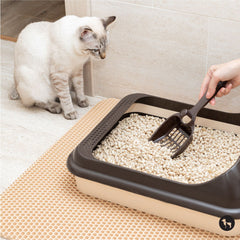
Credit: headsupfortails.com
Frequently Asked Questions
How Long Does Adult Cat Potty Training Take?
Potty training an adult cat usually takes 2 to 4 weeks. Consistency and patience speed up the process. Regular positive reinforcement helps cats learn faster and avoid accidents.
What Supplies Are Needed For Adult Cat Potty Training?
You need a litter box, cat-friendly litter, cleaning supplies, and treats. Using the right litter and box size encourages proper potty habits. Cleanliness is crucial to prevent odors and accidents.
Can Adult Cats Learn To Use A Human Toilet?
Yes, many adult cats can be trained to use a human toilet. It requires gradual training with a special toilet training seat. Patience and consistency are essential for success.
How To Handle Accidents During Adult Cat Training?
Clean accidents immediately with enzyme-based cleaners to remove odor. Avoid punishing your cat; instead, gently redirect them to the litter box. Consistent training helps reduce accidents over time.
Conclusion
Potty training an adult cat takes patience and care. Stay calm and consistent every day. Celebrate small wins and keep trying. Your cat will learn at its own pace. Remember, every cat is different and unique. With time, your cat will use the litter box.
You both will enjoy a cleaner, happier home. Keep the process simple and positive. Trust the journey, and don’t give up. Success comes with love and gentle guidance.



Leave a Reply