
Are you wondering when the right time is to switch your cat to adult food? Feeding your cat the right diet at the right stage is key to their health and happiness.
If you change their food too early or too late, it could affect their growth, energy, and overall well-being. You’ll discover the signs to look for and the best time to make this important change. Keep reading to ensure your furry friend stays strong and healthy every step of the way.
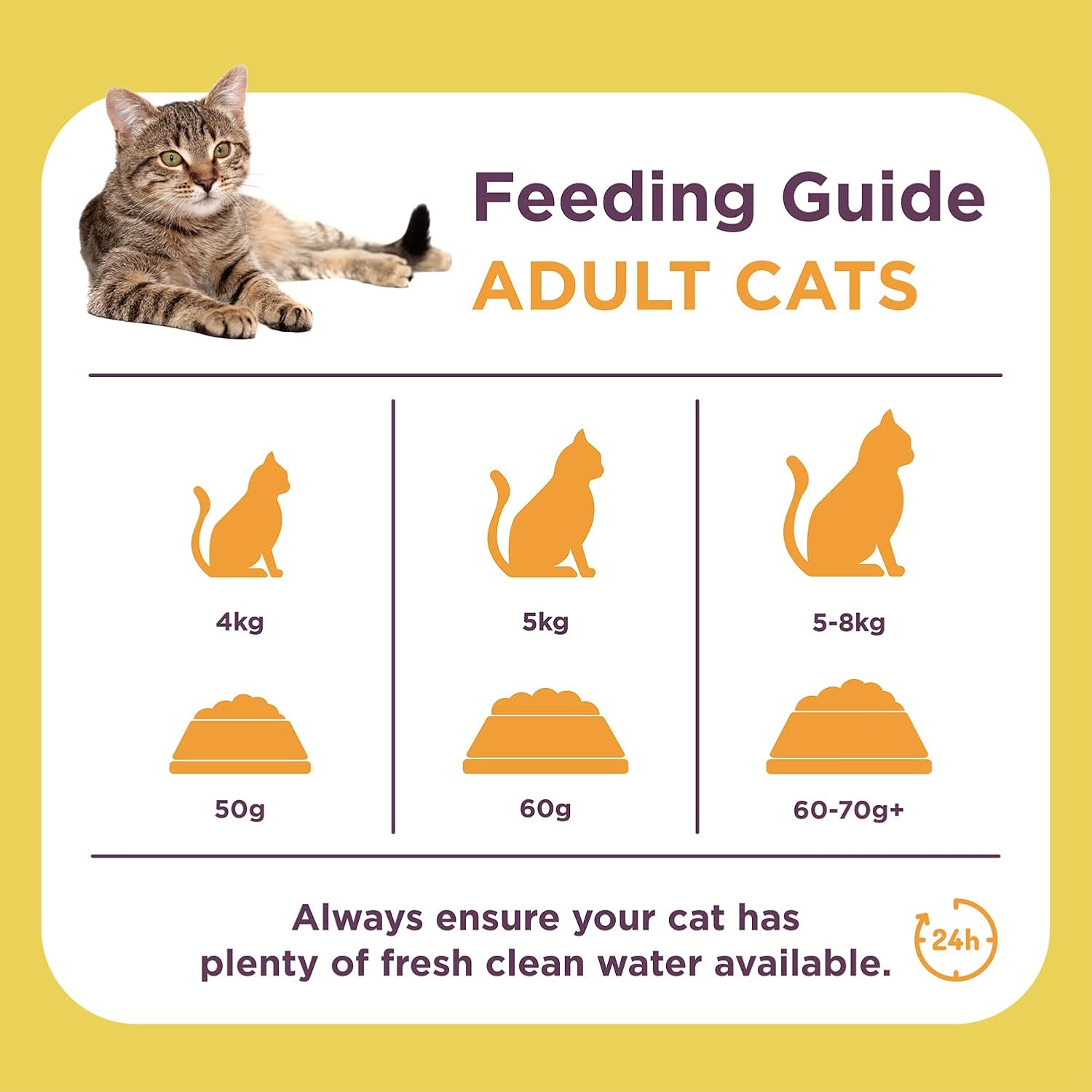
Credit: pet-supermarket.co.uk
Cat Growth Stages
Cats grow fast and their food needs change at each stage. Understanding these stages helps choose the right diet. Feeding adult food too early or late can harm your cat’s health. Here is a simple guide to cat growth stages and feeding times.
Kitten Phase
This phase lasts from birth to about 6 months old. Kittens need food rich in protein and fat to support rapid growth. Kitten food has extra nutrients to build strong bones and muscles. Feeding kitten food during this time helps healthy development.
Adolescent Phase
This phase covers 6 months to 1 year of age. Cats grow slower but still need good nutrition. Some cats may start to eat adult food near the end of this phase. Watch your cat’s size and energy to decide the right time to switch.
Adult Phase
This phase begins around 1 year old. Cats no longer grow and need balanced nutrition to maintain health. Adult cat food has fewer calories and supports steady weight. Switching to adult food at this stage keeps your cat healthy and active.
Credit: www.newfoundlandgrocerystores.ca
Signs Your Cat Is Ready
Recognizing the signs that your cat is ready for adult food is important. Cats grow fast, and their diet should match their age and health. Feeding adult food too early or too late can affect their growth and well-being. Watch for clear signs that show your cat’s body and needs are changing. These signals help decide the right time to switch their diet.
Physical Development
Your cat’s body changes as it grows. Teeth become stronger and sharper. Baby teeth fall out and adult teeth appear. The cat’s size also increases. Muscle tone becomes firmer and more defined. These changes mean the cat can handle tougher, adult food. Soft kitten food may no longer be enough.
Behavioral Changes
Behavior shifts as your cat matures. Kittens become more independent and active. Playtime lasts longer and energy levels rise. They start to explore more and show curiosity. Their appetite may change, wanting more solid food. These behaviors signal readiness for adult food.
Nutritional Needs
Kittens need high calories and protein to grow. As growth slows, their nutritional needs change. Adult cats need balanced nutrients to maintain health. Their diet should support energy, muscle, and coat condition. Adult cat food meets these needs better than kitten food. Switching helps avoid overfeeding and obesity.
Differences Between Kitten And Adult Food
Kitten food and adult cat food serve different purposes. Kitten food supports growth and development. Adult cat food maintains health and energy. Knowing the differences helps you pick the right food at the right time. Cats need specific nutrients and calories at each life stage. The texture and size of the food also vary to match their chewing ability.
Nutrient Composition
Kitten food has more protein and fat. These nutrients help build muscles and support brain growth. It contains extra vitamins and minerals. Taurine, an essential amino acid, is higher in kitten food. Adult cat food has balanced nutrients to keep your cat healthy. It focuses on maintaining weight and preventing diseases.
Calorie Content
Kittens burn more energy playing and growing. Their food has more calories per serving. This supports their fast metabolism and activity levels. Adult cats need fewer calories to avoid weight gain. Their food has controlled calories for a healthy lifestyle. Feeding the wrong calorie amount can lead to health problems.
Texture And Size
Kitten food is softer and smaller. This makes it easier for young cats to chew and digest. Kittens have smaller teeth and less chewing power. Adult food is firmer and larger. It helps maintain dental health by reducing plaque. Cats also enjoy different textures as they grow.
Timing The Transition
Cats usually begin eating adult food around one year old. Watch for signs like slower growth or less playfulness. Transition slowly to avoid stomach upset and help your cat adjust.
Transitioning your cat from kitten food to adult food is a significant milestone in their life. It’s not just about changing their diet; it’s about ensuring they receive the right nutrients to maintain their health as they grow. But when exactly should this transition happen? Let’s explore the best timing and methods to make this change smoothly.Recommended Age Range
Most veterinarians suggest that the transition from kitten to adult cat food should happen around the age of 12 months. This is when kittens have usually reached their full growth and their nutritional needs change. However, some larger breeds might continue growing for a bit longer, so consulting with your vet can provide more personalized advice.Gradual Vs Immediate Switch
A gradual switch is often recommended over an immediate change. Abruptly changing your cat’s diet can lead to digestive issues. Instead, introduce the adult food by mixing it with the kitten food over a period of 7 to 10 days. Gradually increase the proportion of adult food each day to allow your cat’s digestive system to adjust.Monitoring Your Cat’s Response
Pay close attention to your cat’s behavior and health during the transition. Are they eating well? Is there any change in their stool? These can be indicators of how well they are adapting to the new diet. If you notice any negative reactions, it might be wise to slow down the transition or consult with a vet. Switching from kitten to adult food is an important step that requires careful consideration and attention. Have you observed any particular challenges with your cat during such transitions? By understanding your pet’s unique needs, you can make this transition a positive experience for both you and your cat.Tips For A Smooth Changeover
Switching your cat from kitten food to adult food requires patience and a gentle approach. A sudden change can upset their stomach or make them reject the new food altogether. Here are some tips to help you make this transition smooth and stress-free for your feline friend.
Mixing Foods
Start by mixing a small amount of adult food into your cat’s current kitten food. Gradually increase the adult food portion over 7 to 10 days. This slow introduction helps your cat get used to the new taste and texture without overwhelming their digestive system.
Watch how your cat reacts. If they seem hesitant, try mixing the foods in different ratios or slightly warming the new food to enhance its aroma. Have you noticed your cat prefers wet or dry food? Use that insight to guide your mixing strategy.
Portion Control
Adjust portion sizes carefully during the transition. Kitten food is usually richer and calorie-dense, so your cat may need smaller portions of adult food to avoid overeating. Follow the feeding guidelines on the adult food packaging, but be ready to modify based on your cat’s appetite and activity level.
Keep track of your cat’s weight and energy. Are they gaining too much or losing interest? Portion control helps maintain a healthy balance and prevents sudden weight swings during the changeover.
Avoiding Digestive Issues
Digestive upset is common when switching foods too quickly. To avoid diarrhea or vomiting, introduce the new food slowly and monitor your cat’s stool consistency. If problems arise, pause the transition and consult your vet.
Consider adding probiotics or digestive supplements if your cat is prone to tummy troubles. Have you tried these before? Sometimes a gentle boost can make a big difference in how your cat handles new food.
Credit: companion-vets.com
Special Considerations
Feeding adult cat food depends on several special factors. These factors help decide the right time to switch your cat from kitten food. Each cat is unique. Their needs vary based on breed, health, and lifestyle. Understanding these differences ensures proper nutrition for your cat’s growth and wellbeing.
Breed Differences
Different breeds grow at different rates. Large breeds may need kitten food longer. Small breeds often mature faster. Some breeds have unique dietary needs. For example, Siamese cats may require specific nutrients. Check your cat’s breed traits to guide feeding choices.
Health Conditions
Health problems can affect feeding times. Cats with certain illnesses might need special diets. Kidney issues, diabetes, or allergies require tailored food. Consult your vet before changing your cat’s diet. Proper nutrition supports recovery and health maintenance.
Indoor Vs Outdoor Cats
Indoor cats usually need fewer calories than outdoor cats. Outdoor cats burn more energy. They often need more protein and fat. Adjust food type and quantity based on activity level. Monitor your cat’s weight and health regularly for best results.
Frequently Asked Questions
When Should I Switch My Kitten To Adult Cat Food?
You should switch your kitten to adult cat food around 12 months old. This timing supports their growth and nutritional needs as they mature. Always consult your vet before changing diets to ensure a smooth transition and proper health maintenance.
What Signs Indicate My Cat Needs Adult Food?
Signs include slowed growth, decreased energy, and reaching one year of age. Adult food has fewer calories and tailored nutrients for maintenance rather than growth. Observing these signs helps determine the right time to switch diets for your cat’s health.
Can I Feed Adult Cat Food To Kittens?
Adult cat food is not suitable for kittens. Kittens need higher protein and calorie content to support rapid growth. Feeding adult food too early can lead to nutritional deficiencies and health issues. Always provide age-appropriate food for your cat’s stage.
How To Transition My Cat To Adult Food Smoothly?
Gradually mix adult food with kitten food over 7-10 days. Increase adult food proportion daily to avoid digestive upset. This slow transition helps your cat adjust to the new taste and nutrients without stomach issues.
Conclusion
Feeding your cat adult food at the right time is very important. Usually, cats need adult food after one year of age. This helps them stay healthy and strong. Watch your cat’s growth and behavior closely. Changes in their diet should be smooth and slow.
This way, your cat can adjust easily. Always choose good quality food made for adult cats. Remember, a healthy diet means a happy cat. Keep your pet’s needs in mind to give the best care.



Leave a Reply