Have you ever wondered where your favorite cat breed comes from? Understanding the first cat breeds can reveal surprising stories about how these furry friends became part of our lives.
Whether you’re a cat lover or just curious, learning about these early breeds can deepen your connection to your pet and even help you choose the perfect companion. Keep reading to discover the origins of the very first cats and what makes them so special to this day.
Early Domestication
Understanding the early domestication of cats reveals how these mysterious creatures transformed from wild hunters into beloved companions. It all began thousands of years ago, with subtle changes in behavior and environment that led to the first cat breeds. This journey highlights the fascinating connection between humans and cats that continues to grow today.
Wild Ancestors
The first cats were not the fluffy pets you see today but wild animals with sharp instincts. Their closest relatives are the African wildcats, known for their solitary and cautious nature. These wild ancestors roamed vast territories, relying on stealth and agility to survive.
Imagine spotting one of these wildcats near your home. Their cautious eyes and quick movements hint at the survival skills passed down through generations. Knowing this helps you appreciate the natural behaviors your cat still carries.
Initial Human Interaction
Early humans and wildcats crossed paths around 9,000 years ago, mainly because of shared interests in rodents. As people stored grains, they attracted mice and rats, which in turn drew wildcats closer to human settlements. Over time, some wildcats became less afraid of humans, easing into a mutually beneficial relationship.
Think about the last time your cat hunted a toy or a real insect. That instinct traces back to these early days when cats helped control pests around human homes. This practical role may have encouraged people to welcome cats into their lives.
Geographic Origins
The earliest domestication likely took place in the Near East, an area rich in agriculture and early human civilization. Regions like modern-day Egypt and Mesopotamia show some of the first evidence of cats living alongside people. These areas provided the perfect setting for cats to thrive near human communities.
Why do you think certain places became hotspots for cat domestication? It probably had a lot to do with food availability and shelter. Understanding this can help you see how environment shapes animal behavior and human-animal bonds.
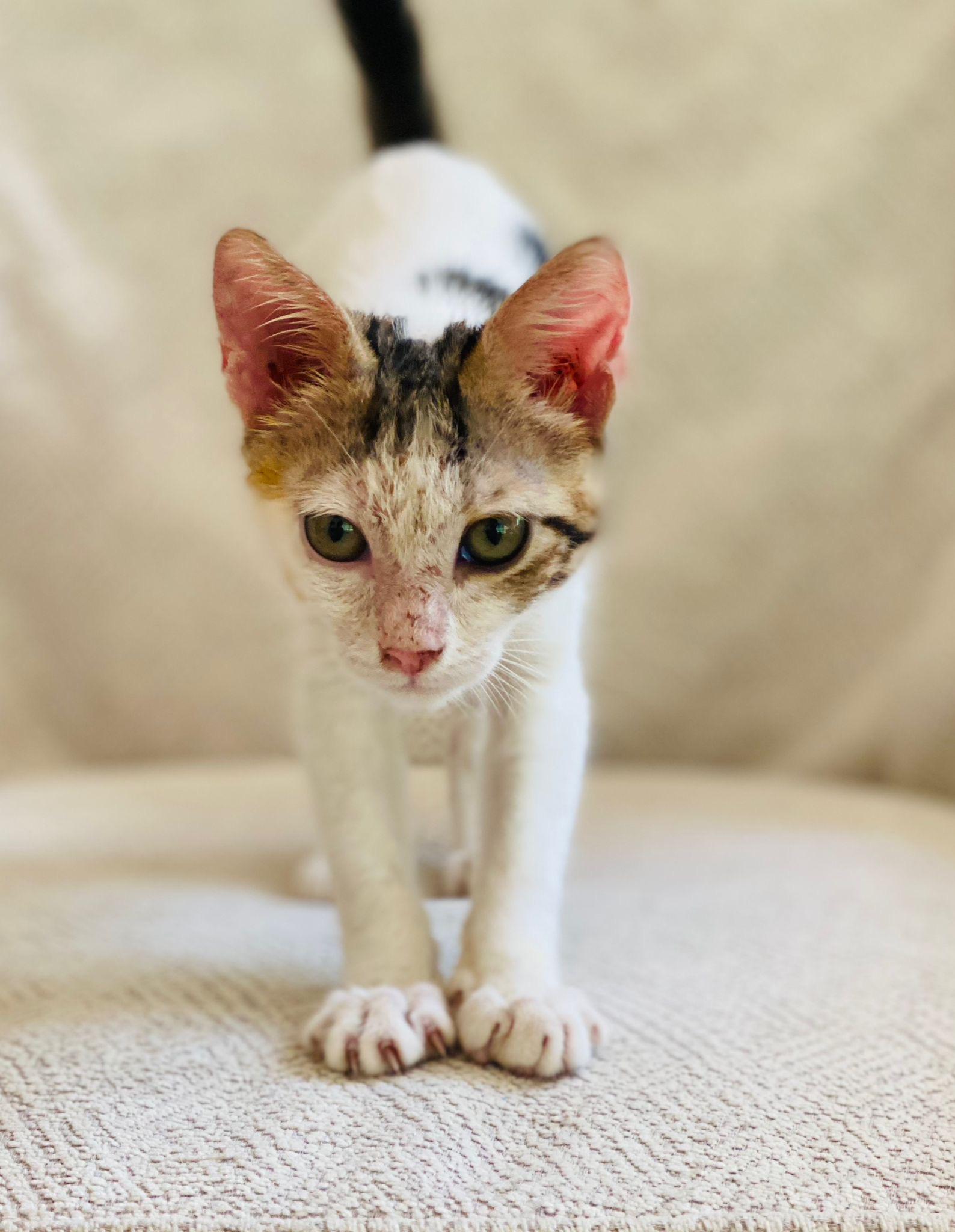
Credit: cats.com
Ancient Cat Breeds
Ancient cat breeds hold a special place in history as some of the very first to be domesticated and cherished by humans. These cats not only provided companionship but also played roles in culture, religion, and even protection. Understanding these breeds gives you a glimpse into how cats evolved alongside us and why they remain beloved today.
Egyptian Mau
The Egyptian Mau is one of the oldest naturally spotted breeds, known for its stunning coat and striking green eyes. This breed was revered in ancient Egypt, often seen as a symbol of grace and mystery. If you’ve ever noticed a cat that seems to carry an air of royalty, it might just be because of its Mau heritage.
What’s fascinating about the Egyptian Mau is its speed and agility—traits that made it an excellent hunter in ancient times. You might find your own cat surprising you with sudden bursts of energy, a nod to these ancient roots.
Siamese
Siamese cats have a rich history dating back to Thailand, where they were considered sacred and often kept by royalty. Their distinctive color points and almond-shaped blue eyes make them instantly recognizable. These cats are not just beautiful—they are incredibly vocal and social, always eager to communicate with you.
Have you ever noticed how some cats seem to “talk” more than others? Siamese cats are a perfect example of this, showing how ancient breeds can influence behavior today. Their affectionate nature might encourage you to build a closer bond with your feline friend.
Persian
The Persian cat’s luxurious long coat and calm demeanor have made it a favorite for centuries. Originating from Persia (modern-day Iran), this breed was prized by nobility for its beauty and gentle temperament. Caring for a Persian requires patience and grooming, but the reward is a loving companion who enjoys quiet moments with you.
If you’ve ever brushed a Persian, you know how its coat feels like soft silk—a sensory experience that connects you to history. Could your daily grooming routine be a small way to honor the breed’s ancient legacy?
Cats In Ancient Cultures
Cats have a long history in human culture. Ancient peoples valued cats for many reasons. They were seen as protectors, companions, and even symbols of mystery. Different cultures shaped how cats were viewed and bred. Their roles and traits evolved over time. Exploring cats in ancient cultures helps us understand the first cat breeds and their importance.
Egyptian Reverence
Ancient Egyptians worshipped cats deeply. Cats were linked to the goddess Bastet, symbolizing home and fertility. Families kept cats to guard grain stores and homes from pests. Killing a cat was forbidden and brought severe punishment. Egyptian art often shows cats in royal courts. This respect helped cats become one of the first tamed breeds.
Cats In Asia
In Asia, cats also held special places in society. Japan’s Maneki-neko, or “beckoning cat,” is a famous symbol of luck and fortune. Cats protected valuable silk and tea from rodents. In China, cats appeared in ancient paintings and stories as clever and mysterious animals. These cultural views influenced how cats were bred and cared for.
Cats In Europe
European views on cats changed over time. Early on, cats were kept to control pests in farms and homes. During the Middle Ages, cats gained a mixed reputation. Some saw them as companions, while others linked them to superstition. Despite this, cats helped reduce crop damage. They gradually became part of everyday life and early domestic breeds appeared.
Genetic Evidence
Genetic evidence plays a key role in tracing the origins of the first cat breeds. Scientists use modern DNA technology to study how cats evolved and spread across the world. This evidence reveals which breeds came first and how they are related. Understanding the genetic makeup of cats helps us learn about their ancient history and migration.
Dna Analysis
DNA analysis compares the genetic codes of different cat breeds. It identifies unique markers that show how breeds are connected. Early cats share many genes with wildcats from the Middle East and Africa. These findings suggest that domestic cats originated from these regions. DNA also helps separate ancient breeds from newer ones.
Breed Evolution
Cat breeds evolved over thousands of years through natural selection and human influence. Early cats adapted to local environments and hunting needs. Some breeds developed traits like short hair or specific colors. Humans began breeding cats for certain features around 4,000 years ago. This process created distinct breeds from wild ancestors.
Migration Patterns
Genetic evidence shows how cats spread worldwide. Early humans carried cats on ships to control pests. Cats traveled from the Middle East to Europe, Asia, and Africa. Different breeds formed as cats adapted to new regions. Migration patterns explain the diverse cat breeds we see today.
Traits Of Early Breeds
Early cat breeds shared unique traits that helped them adapt to their environments. These traits shaped their survival and interaction with humans. Understanding these traits gives insight into the origins of domestic cats.
Physical Characteristics
Early cat breeds had strong, muscular bodies. Their size varied but often leaned toward medium build. Their fur was usually short and dense, suited for different climates. Colors ranged from solid to striped patterns, aiding camouflage in the wild.
Sharp claws and keen eyesight were common features. These traits helped in hunting small prey. Their ears were often upright and alert to detect sounds. Whiskers played a crucial role in sensing surroundings.
Behavioral Traits
Early cats showed independent yet curious behavior. They were skilled hunters, often stalking quietly before pouncing. These cats had strong territorial instincts. They marked and defended their space from others.
Social behavior varied; some early breeds tolerated humans, while others stayed wild. Many were nocturnal, active mostly at night. Their vocalizations were limited but effective for communication. Loyalty to territory and survival shaped their actions.
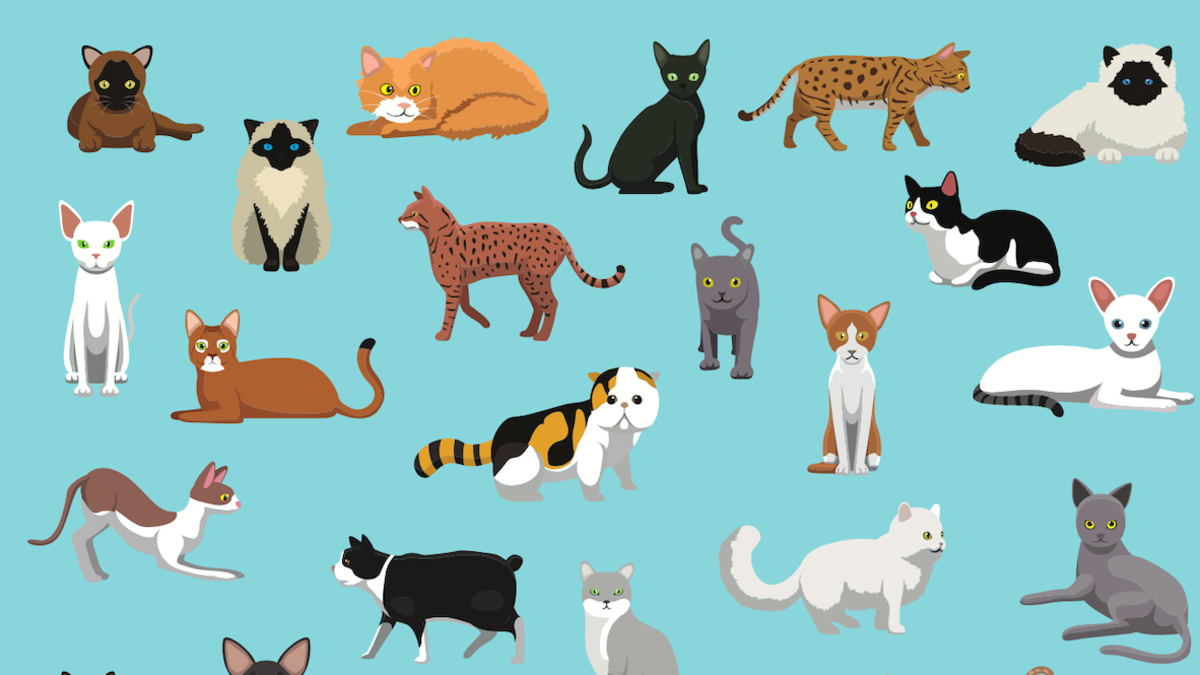
Credit: paradepets.com
Impact On Modern Cats
Understanding the first cat breeds helps explain today’s cats. These early breeds shaped the behaviors and looks of modern cats. Let’s explore their influence on today’s feline friends.
Breed Development
The first cat breeds were shaped by their environments. They adapted to survive in different climates and terrains. This led to the unique traits seen in breeds like the Egyptian Mau and Abyssinian.
These breeds were among the earliest domesticated cats. They played key roles in human societies. Their distinct features were passed down through generations.
Genetic Legacy
Modern cats carry the genetic legacy of these first breeds. Their DNA influences characteristics like fur color, size, and behavior. This genetic diversity adds to the beauty of today’s cats.
Selective breeding has enhanced some traits over time. Yet, the core genetics of early breeds remain. Understanding this helps us appreciate the diversity among cats today.

Credit: www.aol.com
Frequently Asked Questions
What Were The Earliest Known Cat Breeds?
The earliest cat breeds include the Egyptian Mau, Siamese, and Persian. These breeds originated thousands of years ago and show distinct traits. They laid the foundation for modern domestic cats worldwide.
How Did The First Cat Breeds Develop?
The first cat breeds developed through natural selection and early human domestication. Ancient societies bred cats for specific traits like hunting skills and appearance. This selective breeding created diverse breeds adapted to different environments.
Which Ancient Civilizations Influenced Cat Breeds?
Ancient Egypt, Asia, and the Middle East greatly influenced cat breeds. Egypt is famous for the Egyptian Mau, while Asia contributed the Siamese. These regions valued cats for companionship and pest control.
Are Any First Cat Breeds Still Popular Today?
Yes, many original cat breeds like Persians and Siamese remain popular worldwide. Their unique looks and personalities attract cat lovers. These breeds have evolved but retain key historical traits.
Conclusion
The first cat breeds started thousands of years ago. People chose cats for their hunting skills and friendly nature. These early cats became pets and helpers in homes. They show how cats adapted to live with humans. Knowing their history helps us appreciate cats more.
Each breed has a unique story and traits. Cats remain one of the most loved animals worldwide. Their ancient roots make them special companions today. Learning about their past connects us to these fascinating creatures.

Leave a Reply