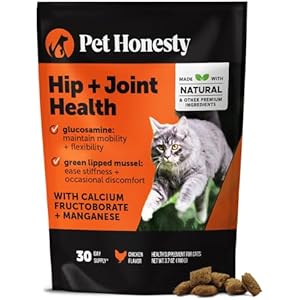
Your cat’s comfort and happiness depend a lot on their joint health. If you’ve noticed your furry friend moving slower or struggling to jump, it’s a sign you need to take action.
You want to give your cat the best care possible, and that starts with understanding what supports strong, flexible joints. You’ll discover simple, effective ways to boost your cat’s joint health. Keep reading, and you’ll learn exactly what to give your cat so they stay active and pain-free for years to come.
Credit: yumove.co.uk
Common Joint Issues In Cats
Cats often face joint problems as they age. These issues can affect their mobility and comfort. Knowing about common joint issues helps you care for your cat better. Early detection and treatment improve their quality of life.
Signs Of Joint Problems
- Decreased activity or reluctance to jump
- Stiffness, especially after rest
- Limping or favoring one leg
- Swelling around joints
- Excessive licking of certain areas
- Difficulty climbing stairs or furniture
- Changes in behavior, such as irritability
Causes And Risk Factors
Joint problems in cats often result from wear and tear. Age is a major factor as joints weaken over time. Obesity adds extra stress to joints. Injuries like sprains or fractures can cause lasting damage.
Some cats inherit joint issues through genetics. Poor nutrition may also affect joint health. Lack of exercise can weaken muscles supporting joints. Certain diseases like arthritis are common in older cats.
Credit: www.holistapet.com
Dietary Supplements For Joint Health
Keeping your cat’s joints healthy is key to ensuring they stay active and playful throughout their life. Dietary supplements can provide crucial support by nourishing cartilage and reducing inflammation. But which supplements actually make a difference for your furry friend’s joint health?
Glucosamine And Chondroitin
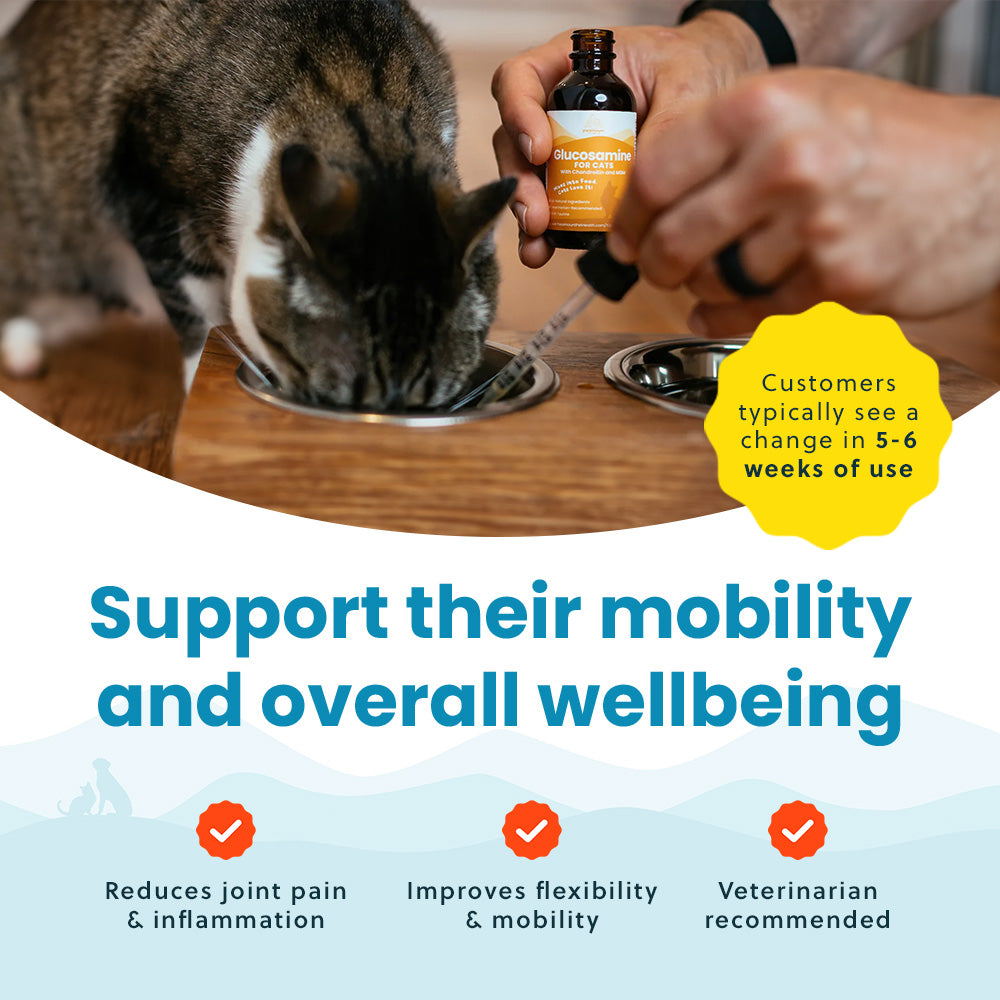
Glucosamine and chondroitin often come together in joint supplements because they work as a team. Glucosamine helps rebuild cartilage, while chondroitin prevents it from breaking down further.
Many cat owners notice their pets move more comfortably after adding these supplements to their diet. Have you observed your cat struggling to jump or climb? These compounds might help ease those movements.
Omega-3 Fatty Acids
Omega-3 fatty acids, found in fish oil, reduce inflammation in joints and improve overall mobility. They also support heart and skin health, making them a versatile addition to your cat’s diet.
Adding a small dose of high-quality fish oil can make a noticeable difference, especially in older cats. Would your cat benefit from less stiffness and more playful energy?
Msm (methylsulfonylmethane)
MSM is a natural compound that helps reduce joint pain and swelling by supporting connective tissue repair. It also boosts your cat’s antioxidant defenses, promoting faster recovery after activity.
Many cat owners report their pets seem more lively and less stiff after MSM supplementation. Could this be the missing piece in your cat’s joint care routine?
Natural Remedies And Herbs
Supporting your cat’s joint health naturally can be a gentle and effective way to keep them comfortable and active. Many herbs and natural remedies offer anti-inflammatory and pain-relieving properties without the side effects of some medications. Have you ever wondered if something as simple as a spice or a marine extract could help your furry friend move with ease again?
Turmeric Benefits
Turmeric contains curcumin, a powerful anti-inflammatory compound. It can help reduce joint pain and stiffness in cats by calming inflammation. Adding small, cat-safe amounts of turmeric powder to their food may improve their mobility over time.
Be cautious with dosage—too much turmeric can upset your cat’s stomach. You might want to mix it with a bit of healthy oil like coconut oil, which helps curcumin absorb better. Have you tried this with your cat yet? Many cat owners notice a difference within weeks.
Green-lipped Mussel Extract
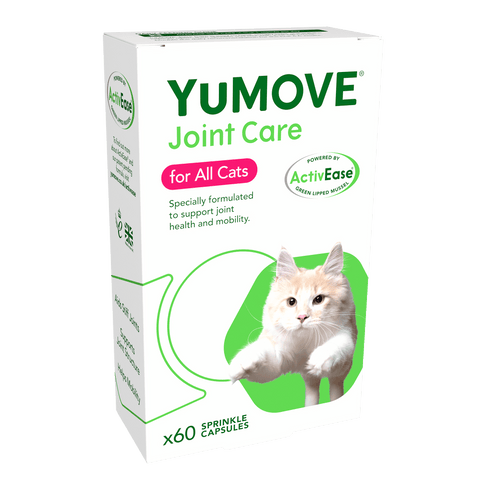
This marine extract comes from a type of mussel native to New Zealand. It’s rich in omega-3 fatty acids and glycosaminoglycans, which support cartilage repair and reduce inflammation. Cats given green-lipped mussel supplements often show improved joint flexibility and less discomfort.
Look for high-quality, pure extracts in powder or capsule form that you can add to your cat’s meals. It’s a natural way to promote joint lubrication without harsh chemicals. Does your cat enjoy seafood flavors? This might be an easy addition to their diet.
Cbd Oil For Cats
CBD oil is gaining popularity as a natural remedy for pain relief and inflammation in pets. Many cat owners report that CBD helps calm their cats and eases joint pain caused by arthritis. It’s important to use products specifically formulated for cats and to start with low doses.
Consult your vet before trying CBD oil, especially if your cat is on other medications. This ensures safety and the right dosage. Could CBD be the missing piece in your cat’s joint care routine?
Prescription Medications And Treatments
Prescription medications and treatments can play a crucial role in managing your cat’s joint health, especially if arthritis or other joint issues cause pain and limit mobility. These options aim to reduce inflammation, ease discomfort, and improve your cat’s overall quality of life. Understanding the different treatments available helps you make informed decisions alongside your veterinarian.
Non-steroidal Anti-inflammatory Drugs (nsaids)
NSAIDs are commonly prescribed to reduce inflammation and pain in cats with joint problems. Unlike over-the-counter painkillers for humans, only specific NSAIDs are safe and approved for cats, so never give your pet medication without vet approval. These drugs can significantly improve your cat’s comfort, but they require close monitoring for side effects like stomach upset or kidney issues.
Have you noticed your cat struggling to jump or showing reluctance to play? NSAIDs might be the relief they need, but your vet will tailor the dosage carefully to avoid risks. Regular check-ups help catch any adverse reactions early, ensuring your cat stays safe while feeling better.
Pain Relief Options
Besides NSAIDs, your vet may suggest other pain relief treatments to support joint health. These include medications like gabapentin, which can help with nerve pain, or corticosteroids for more severe inflammation. Sometimes, combining different medications provides better pain control without overloading your cat’s system.
It’s important to communicate openly with your vet about how your cat responds to these treatments. You might notice improvements in their activity levels or mood, signaling effective pain management. If not, adjustments can be made to find the best balance for your cat’s comfort.
Physical Therapy And Laser Treatment
Physical therapy can be surprisingly effective for cats with joint issues. Gentle exercises guided by a professional help maintain muscle strength and joint flexibility. Many cat owners report their pets become more playful and agile after a series of therapy sessions.
Laser therapy is another innovative option that reduces inflammation and promotes healing at the cellular level. It’s painless and non-invasive, making it a good choice for cats that dislike medication. Have you ever considered this type of treatment to boost your cat’s joint health?
Lifestyle Changes To Support Joint Health
Supporting your cat’s joint health involves a balanced diet rich in omega-3 fatty acids and glucosamine. Regular gentle exercise helps maintain flexibility and strength. Providing a comfortable resting area reduces joint stress and promotes healing.
Cats, like humans, can suffer from joint problems. Making lifestyle changes can help. These changes can improve your cat’s joint health significantly. Let’s explore some simple steps to support your cat’s joints.Weight Management
Maintaining a healthy weight is vital. Extra weight puts pressure on joints. Feed your cat a balanced diet. Consult your vet for the right food and portion size. Monitor treats to avoid excess calories. Regularly weigh your cat to track changes.Exercise And Mobility Tips
Regular exercise keeps joints flexible. Encourage playtime with toys your cat enjoys. Use laser pointers or feather wands for active play. Short, frequent play sessions work best. Avoid high jumps or strenuous activities. Gentle movements help maintain joint health.Comfortable Living Environment
Create a cozy space for your cat. Use soft bedding to cushion their joints. Ensure litter boxes are easy to access. Consider ramps for high surfaces. Keep food and water bowls within easy reach. A comfortable home reduces joint strain.Choosing The Right Remedy
Choosing the right remedy for your cat’s joint health is a crucial step. Every cat reacts differently to treatments, and what works for one might not suit another. Understanding options and making informed decisions can help your feline friend move comfortably again.
Consulting Your Veterinarian
Before trying any supplements or medications, talk to your veterinarian. They know your cat’s medical history and can recommend safe, effective treatments tailored to your pet’s needs.
Ask about joint supplements like glucosamine or omega-3 fatty acids. Your vet can advise on proper dosages and identify any potential side effects.
Have you noticed stiffness or less activity in your cat? Mention these symptoms clearly to your vet—they can help diagnose the severity and suggest the best remedy.
Combining Treatments Safely
If you plan to use multiple remedies, ensure they work well together. Some supplements or medications may interact negatively, causing harm instead of relief.
Keep a list of all treatments your cat is receiving. Share this with your vet so they can check for safe combinations.
- Never mix human supplements with pet medications without vet approval.
- Monitor your cat closely for any unusual reactions when starting new remedies.
- Adjust treatments gradually to observe effects and avoid overwhelming your cat’s system.
Have you tried combining treatments before? Careful coordination can make a big difference in your cat’s joint comfort and overall health.
Credit: www.paramountpethealth.com
Frequently Asked Questions
What Supplements Improve My Cat’s Joint Health?
Glucosamine and chondroitin supplements support cartilage repair and reduce joint inflammation. Omega-3 fatty acids also help by decreasing joint pain and stiffness.
Which Foods Are Best For Cat Joint Care?
Wet foods rich in omega-3s, like fish-based diets, promote joint health. Foods with antioxidants help reduce inflammation and protect joints.
Can Weight Management Aid Cat Joint Health?
Yes, maintaining an ideal weight reduces joint stress and pain. Regular exercise combined with a balanced diet supports healthy joints.
Are There Natural Remedies For Cat Joint Pain?
Yes, turmeric and fish oil have anti-inflammatory properties. Always consult a vet before starting natural supplements for safety.
Conclusion
Giving your cat the right care helps keep their joints strong. Choose supplements and foods that support joint health. Regular vet visits catch issues early and keep your cat active. Gentle exercise also helps maintain flexibility and strength. Watch for signs of discomfort or stiffness in your cat.
Healthy joints mean a happier and more playful pet. Small steps make a big difference in your cat’s life. Keep your furry friend moving and feeling good every day.



Leave a Reply