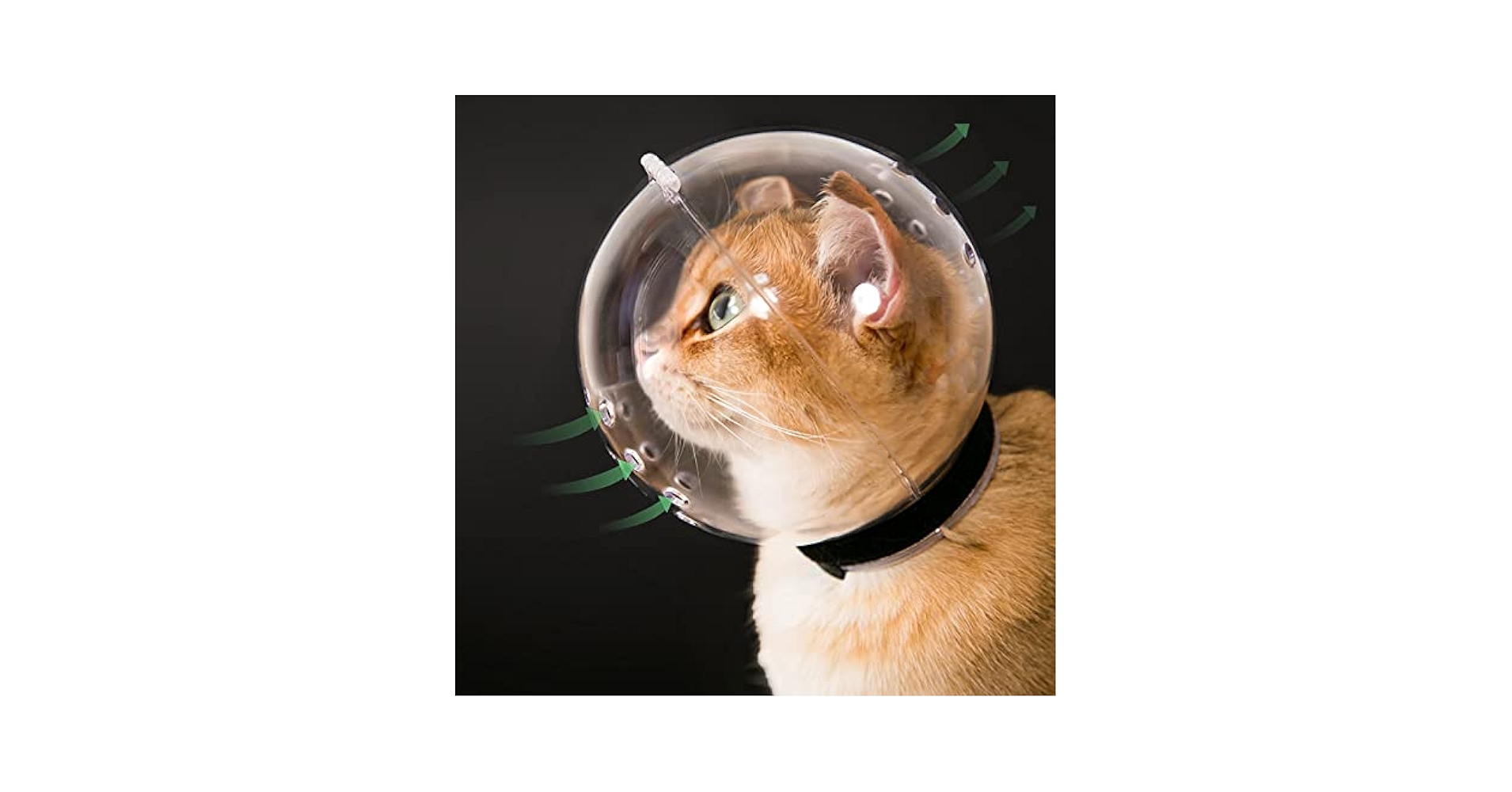
If your cat hisses, scratches, or runs away every time you try to groom them, you’re not alone. Grooming an aggressive cat can feel like a battle you’re destined to lose.
But what if there’s a way to make this daily routine easier for both you and your furry friend? You’ll discover simple, effective tools and techniques designed to calm your cat and turn grooming from a stressful chore into a moment of bonding.
Keep reading—your cat’s comfort and your peace of mind are just a few steps away.
Recognizing Aggressive Behavior
Recognizing aggressive behavior in your cat is the first step to making grooming a less stressful experience for both of you. Aggression often stems from fear, discomfort, or past negative experiences. Understanding what triggers your cat and how they show their feelings can help you choose the right grooming approach and tools.
Common Triggers
Aggression can flare up quickly during grooming, but certain situations often set it off. Watch out for these common triggers:
- Unexpected Touch:Cats may react aggressively if you touch a sore spot or an area they find sensitive, like their belly or paws.
- Restraint:Holding your cat too tightly or forcing them to stay still can increase stress and lead to biting or scratching.
- Loud Noises:The sound of clippers, brushes, or even your voice raised in frustration can scare your cat.
- Previous Negative Experiences:If grooming has been painful or frightening before, your cat may associate all grooming with danger.
Have you noticed if your cat reacts more aggressively at certain times or around specific tools? Identifying these patterns can help you avoid or reduce their stress triggers.
Body Language Signs
Before your cat lashes out, they often give clear signals. Learning to read these signs can prevent escalation and keep grooming safe.
- Flattened Ears:Ears pinned back against the head usually mean your cat is feeling threatened or annoyed.
- Hissing and Growling:These sounds are direct warnings that your cat wants you to stop.
- Tail Twitching or Lashing:A flicking or whipping tail shows agitation and impatience.
- Dilated Pupils:Wide eyes can indicate fear or excitement, both of which might trigger aggressive reactions.
- Stiff Body Posture:A tense, immobile body often signals that your cat is preparing to defend themselves.
Next time you groom, pause and observe your cat’s body language carefully. How often do you catch these signs before they become aggressive? Recognizing these early cues lets you stop and give your cat a break, which can make grooming smoother and safer.

Credit: www.amazon.com
Safe Grooming Tools
Choosing safe grooming tools helps keep your aggressive cat calm and comfortable. Tools made from gentle materials reduce stress and prevent injuries. Proper grooming tools also protect your hands from bites and scratches. Use items designed for sensitive cats to make grooming less scary.
Non-toxic Products
Use grooming products that are free from harmful chemicals. Look for shampoos and sprays labeled non-toxic and safe for cats. Avoid items with strong scents or alcohol, as they can irritate the skin. Natural ingredients like aloe vera and chamomile soothe and clean gently. Always test a small amount first to check for allergies.
Gentle Brushes
Pick brushes with soft, rounded bristles to avoid hurting your cat’s skin. Slicker brushes with fine wires can work if used carefully and slowly. Rubber grooming gloves help remove loose fur without pulling. Avoid metal combs with sharp edges. Start brushing in the direction of hair growth, using light strokes.
Calming Aids For Cats
Calming aids help reduce stress in aggressive cats during grooming. They create a more relaxed environment. This makes grooming easier and safer for both the cat and owner. Using calming aids can lower anxiety and improve behavior.
Natural Remedies
Natural remedies include herbs and supplements with calming effects. Chamomile and valerian root are popular choices. These herbs help soothe nerves and reduce tension. They come as teas, tinctures, or capsules. Always check with a vet before using them. Natural remedies are gentle and have fewer side effects.
Pheromone Sprays
Pheromone sprays release calming scents cats recognize. These scents mimic a cat’s natural facial pheromones. Spraying around the grooming area creates a safe space. This helps reduce fear and aggression. Pheromone sprays are easy to use and work quickly. They do not have strong odors for humans.
Calming Treats
Calming treats contain ingredients that ease anxiety. They often include ingredients like L-theanine and tryptophan. These treats encourage relaxation without sedation. Use them before or during grooming sessions. Most cats enjoy the taste, making it easier to give. Calming treats support good behavior and comfort.

Credit: www.amazon.com
Preparing Your Cat
Preparing an aggressive cat for grooming takes patience and care. The right approach helps reduce stress and avoids fights. Calmness is key before starting any grooming session. Small actions can make a big difference in your cat’s mood. Build trust and create a positive experience for your cat.
Creating A Calm Environment
Choose a quiet room with no loud noises or distractions. Close windows to block outside sounds. Turn off the TV and other devices. Use soft lighting to keep the space gentle and soothing. Place a comfortable mat or blanket for your cat to sit on. Keep grooming tools nearby but out of sight until needed.
Pre-grooming Playtime
Engage your cat in gentle play before grooming. Use toys like feathers or laser pointers to tire your cat slightly. Play helps release extra energy and lowers aggression. Stop playtime before your cat gets too excited. This makes grooming easier and safer for both of you.
Grooming Techniques
Grooming an aggressive cat requires patience and the right techniques. Cats can become stressed during grooming, so a calm approach is crucial. Understanding your cat’s behavior helps in selecting the appropriate methods. Let’s explore some effective grooming techniques.
Slow And Gentle Approach
Always maintain a slow and gentle approach. Quick movements can startle your cat, increasing aggression. Use soft strokes with a brush designed for cats. Speak softly to reassure your feline friend. This creates a more relaxed environment.
Start with areas your cat enjoys being touched. Gradually work towards more sensitive spots. This helps build trust and reduces anxiety. Observe your cat’s body language to adjust your technique accordingly.
Short Sessions
Keep grooming sessions short. Long sessions can overwhelm an aggressive cat. Aim for 5-10 minute intervals. This reduces stress and allows for positive experiences.
End each session on a positive note. Offer treats or playtime as a reward. This reinforces good behavior and makes future grooming easier. Consistency is key in building a routine.
When To Seek Professional Help
Knowing when to seek professional help is crucial if your cat shows aggression during grooming. Sometimes, despite your best efforts, the stress and struggle can harm both you and your pet. Recognizing the signs that indicate it’s time to get expert assistance can save your cat from unnecessary distress and ensure their grooming needs are met safely.
Veterinary Advice
If your cat’s aggressive behavior is sudden or unusually intense, consulting a veterinarian is essential. Aggression can be a sign of pain or underlying health issues that need medical attention.
Your vet can also recommend calming techniques or prescribe medication to reduce anxiety during grooming. Don’t hesitate to ask about behavioral therapy options if your cat’s aggression is linked to stress or fear.
Have you noticed your cat flinching or growling even before grooming begins? That’s a red flag to get professional advice immediately.
Professional Groomers
When grooming your aggressive cat becomes too difficult or unsafe, professional groomers are a valuable resource. These experts are trained to handle cats with challenging temperaments and have specialized tools to make grooming quicker and less stressful.
Choosing a groomer experienced with aggressive cats can prevent injury and ensure your pet stays calm throughout the process. Many groomers use sedation only when absolutely necessary, so your cat’s well-being is always the priority.
Consider visiting a professional groomer if your attempts have led to scratches, bites, or increased fear in your cat. Isn’t it better to have a safe, stress-free grooming experience for both of you?

Credit: www.amazon.com
Frequently Asked Questions
What Grooming Tools Work Best For Aggressive Cats?
Use soft brushes and combs designed for sensitive skin. Avoid noisy or sharp tools to reduce stress. Consider gloves for safety and gentle nail clippers to prevent injury during trimming.
How Can I Calm An Aggressive Cat Before Grooming?
Create a quiet, comfortable space with familiar scents. Use calming sprays or pheromone diffusers. Speak softly and move slowly to build trust before grooming.
Are There Special Shampoos For Aggressive Cats?
Yes, choose hypoallergenic, gentle shampoos with calming ingredients like chamomile. Avoid harsh chemicals that can irritate skin or trigger aggression. Always rinse thoroughly to prevent residue.
Can Treats Help With Grooming Aggressive Cats?
Yes, treats reward positive behavior and create a positive grooming association. Use high-value, soft treats during and after grooming sessions to encourage cooperation and reduce anxiety.
Conclusion
Grooming an aggressive cat takes patience and care. Use gentle tools made for sensitive cats. Offer treats to build trust and calm nerves. Keep sessions short to avoid stress and bites. Stay calm and move slowly to help your cat relax.
Regular grooming helps keep your cat healthy and happy. Remember, kindness works better than force. Small steps lead to better grooming time. You can make grooming easier for both you and your cat.




Leave a Reply